There’s something quietly special about the early morning hours, isn’t there? Before the rest of the family wakes up, when the streets are hushed and the kitchen feels like your own gentle cocoon. If you’re someone who needs to eat before everyone else—maybe because of your work schedule, prayer habits, or just the way your hunger clock works—figuring out what and how to eat in those hours can be a small but important part of daily comfort. Many in Indian households quietly manage this routine, though it’s not always talked about much.
Why Early Morning Eating Happens in Indian Homes
In many families, there’s at least one person who wakes before sunrise. Sometimes it’s the homemaker, getting ready for the day’s cooking or preparing tiffins. Other times, it’s a senior who likes to pray at dawn, or a professional needing to leave for work before 7 am. During festivals or special fasts, even more people might be up early, searching for something light and nourishing.
Some people genuinely feel hungry on waking, while others eat early out of habit or necessity. You might find that your body needs something gentle to settle your stomach, especially if dinner was on the lighter side or taken quite early the previous night. Early eating also helps those who take medicines that require food, though this is best discussed with a doctor.
Of course, not everyone feels ready for food at that hour. Some prefer just a glass of water or chai. But if you do need to eat, there’s no harm in listening to your body. After all, each home and each person’s routine is a little different.
Common Struggles with Pre-Dawn Eating
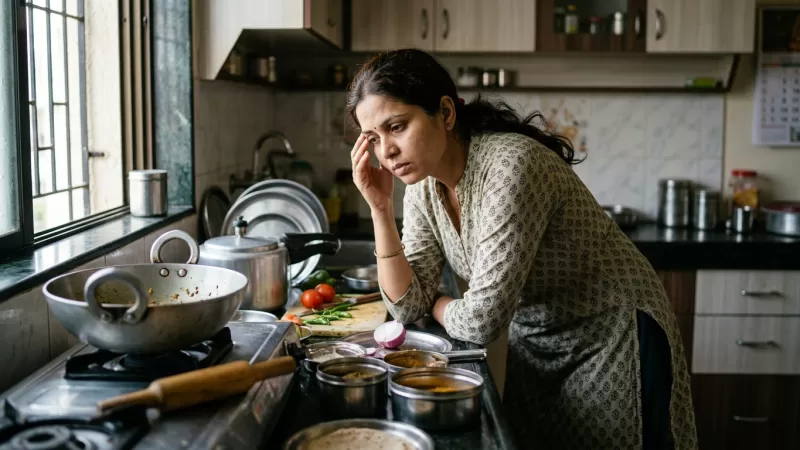
The tricky part about eating before the household is awake? You might worry about making noise, disturbing sleepers, or simply feeling too sluggish to prepare anything elaborate. Opening the fridge, using the cooker, or even clanging a spoon can feel like you’re announcing your presence to the whole building.
Then there’s the matter of appetite. Early mornings can leave your stomach feeling sensitive—too much spice, oil, or heavy food can cause discomfort all day. On the other hand, skipping food when you truly need it may leave you weak, irritable, or even dizzy, especially if you have a busy or physically demanding morning ahead.
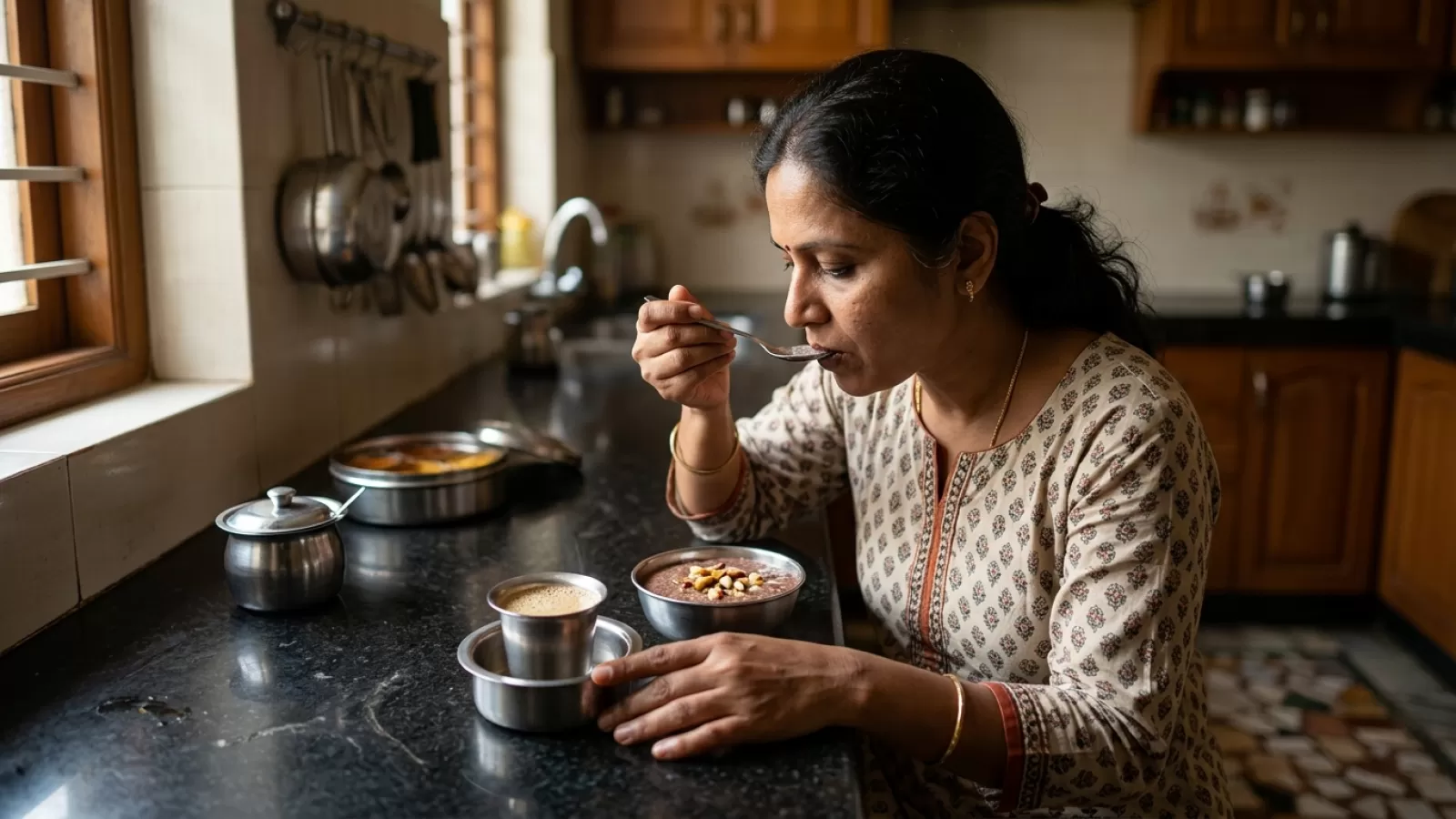
There’s also a subtle emotional side. Eating alone, especially when the house is dark and quiet, can feel a bit lonely sometimes. You might find yourself missing the usual chatter of breakfast time or the comfort of a shared meal. It’s perfectly normal to feel this way every now and then.
Choosing Gentle, Nourishing Foods
When it comes to food choices, most Indian kitchens offer simple options that are kind to the stomach and easy to prepare without waking the whole house. You don’t need to cook a full meal at 5 am! The idea is to give your body just enough nourishment to carry you through until the next opportunity to eat.
- Moist, soft foods: A banana, a slice of bread with a little ghee, or soaked poha with a dash of salt and lemon.
- Warm liquids: Warm water with a bit of honey, light chai, or thin dal soup if you have leftovers from dinner.
- Dairy: A small bowl of curd, a glass of warm milk, or a little paneer (if you tolerate dairy well).
- Leftovers: Sometimes a small portion of last night’s sabzi with a piece of roti can be just right—no need to reheat, especially in summer.
Try to avoid rich, fried foods, or anything that’s too spicy or acidic, especially first thing in the morning. Many people find these can upset the stomach if eaten on an empty stomach, though everyone’s tolerance is different. If you’re unsure, start with milder options and see what works for you over a few mornings.
Keeping Things Quiet and Unobtrusive
Noise is a real concern in closely-packed Indian homes, especially in apartments where kitchens are near bedrooms. If you want to avoid waking others, a few small adjustments can help:
- Prepare your early morning food the night before—keep it in a covered bowl in the fridge or on the counter if it doesn’t spoil easily.
- Use utensils and plates that don’t clang (steel can be noisy; melamine or glass are softer on sound).
- Skip reheating if possible, or use a microwave on low power instead of the gas stove, as the latter often makes more noise.
- Set aside a water bottle or flask at night, so you don’t have to open and close the fridge or filter in the morning.
It’s also okay if you sometimes feel guilty about disturbing others. Many families quietly adapt to each other’s needs over time. With a bit of planning, you can usually manage your morning routine without much fuss.
Listening to Your Body’s Signals
These days, with varied work schedules and longer commutes, your body’s hunger signals may not always match the household meal timetable. If you’re waking up genuinely hungry, it’s often better to eat something simple rather than ignore these cues.
At the same time, some people eat out of habit or boredom rather than real hunger, especially if they’re up early but not physically active straight away. A good check is to see if you still feel hungry after a glass of water or if a light snack satisfies you, rather than a heavy meal.
Over weeks, you’ll get a sense of what your body actually needs. Some mornings, you may need a little more, especially after a restless night or if you have a physically demanding day ahead. Other mornings, a single fruit or half a cup of milk might be enough.
Balancing Early Eating with the Family’s Mealtime
One common worry is whether eating early will spoil your appetite for the family breakfast or lunch later. It’s true, if you eat a heavy meal at 5 am, you might not feel hungry for breakfast with everyone at 8. But, if your early meal is light and gentle, it usually won’t interfere much.
Consider treating your early morning food as a small “first breakfast” and joining the family for a lighter portion during the regular meal. Many people quietly do this, especially in homes with children or elders who need to eat at different times.
That said, there’s no perfect schedule for everyone. Families often find their own rhythms, especially as children grow older or work-from-home arrangements change how and when people eat. A little flexibility tends to help everyone feel more comfortable.
Making Early Mornings More Pleasant
Eating alone in the early hours doesn’t have to feel dull or lonely. Small comforts can make those moments special:
- Keep a favourite mug or plate for your early meal—sometimes tiny rituals make the quiet meaningful.
- Sit by a window and enjoy the dawn, or listen to soft music or a bhajan if you like.
- Use the time for gentle planning or simple gratitude—many find that these quiet minutes set a calmer tone for the day.
Of course, not every morning will feel peaceful, especially when you’re rushed or tired. That’s normal. On tougher days, even a few slow breaths or a warm sip can help.
Gentle Reminders for Early Eaters
Here’s the catch: most advice about nutrition and routines is general, but your needs are always a bit personal. If you find yourself regularly waking up ravenous, feeling faint, or struggling with digestion, it’s wise to quietly observe your patterns for a while. Sometimes, simple changes—like an earlier dinner, or a small bedtime snack—make a difference. In other cases, you might benefit from talking to a trusted family member or a doctor, especially if early hunger is new for you.
Above all, don’t judge yourself too harshly for needing to eat at a different time, or for choosing simple foods over elaborate ones. In many homes, these gentle routines are just another way of looking after yourself, so you can look after others too. That quiet, early meal can be a small act of self-care in a busy household.
And remember, if some mornings go off-track—if you end up eating hurriedly or skip food altogether—it’s not the end of the world. There’s always another day, another chance to find a quieter, more comfortable rhythm.