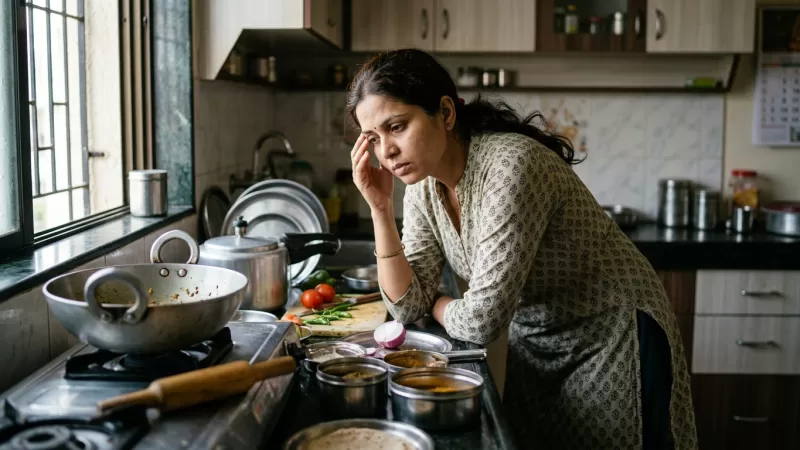
Most Indian families know what it’s like to have uneven weekdays. Some mornings begin with a rushed cup of chai, while others allow for a peaceful breakfast of poha and fruit. Lunches may be proper home-cooked dal-roti-sabzi one day, then a quick sandwich at your desk the next. Evenings rarely look the same twice, especially with late meetings, children’s classes, or just a tired mind after a long day. If you’ve ever wondered how these ups and downs affect your energy and well-being, you’re not alone.
Why Do Uneven Schedules Drain Us?
Let’s be honest: most families don’t live by the clock. Work calls, school timings, traffic jams, and even power cuts can shift meal times. The tricky part is, our bodies tend to like routine. When eating times jump around, energy levels often feel unpredictable, and you may notice mood swings or a sense of ‘something missing’—often in late afternoons or after skipped meals.
Many people quietly deal with headaches or irritability on these uneven days. It isn’t just about hunger. Our digestion, blood sugar, and even sleep can get disturbed when the gaps between meals grow too long or meals get too late. It’s a common reality in countless homes, especially in cities where schedules rarely match the old family rhythms.
No one can force a perfect routine every day—not in today’s world. But a few gentle habits can help you feel steadier, even when the day pulls you in different directions.
Small, Predictable Eating Anchors
One approach that works for many Indian families is to set little anchors in your day. Instead of worrying about full meals at fixed hours, pick one or two small things you can do regularly—no matter how busy you get.
- A glass of water as soon as you wake up, before chai.
- A fruit (banana, orange, or apple) at roughly the same time each afternoon.
- A bowl of curd or a handful of nuts around 5pm, even if dinner will be late.
These aren’t big changes. But the body starts to expect these small signals, helping you avoid those sharp dips in energy or mood. Over time, it’s these little steadying points that make a difference.
Gentle Meal Planning – Not Rigid Schedules
Here’s the catch: meal planning sounds good, but very few people actually manage to follow a written plan every day. That said, thinking a day or two ahead can reduce last-minute stress.
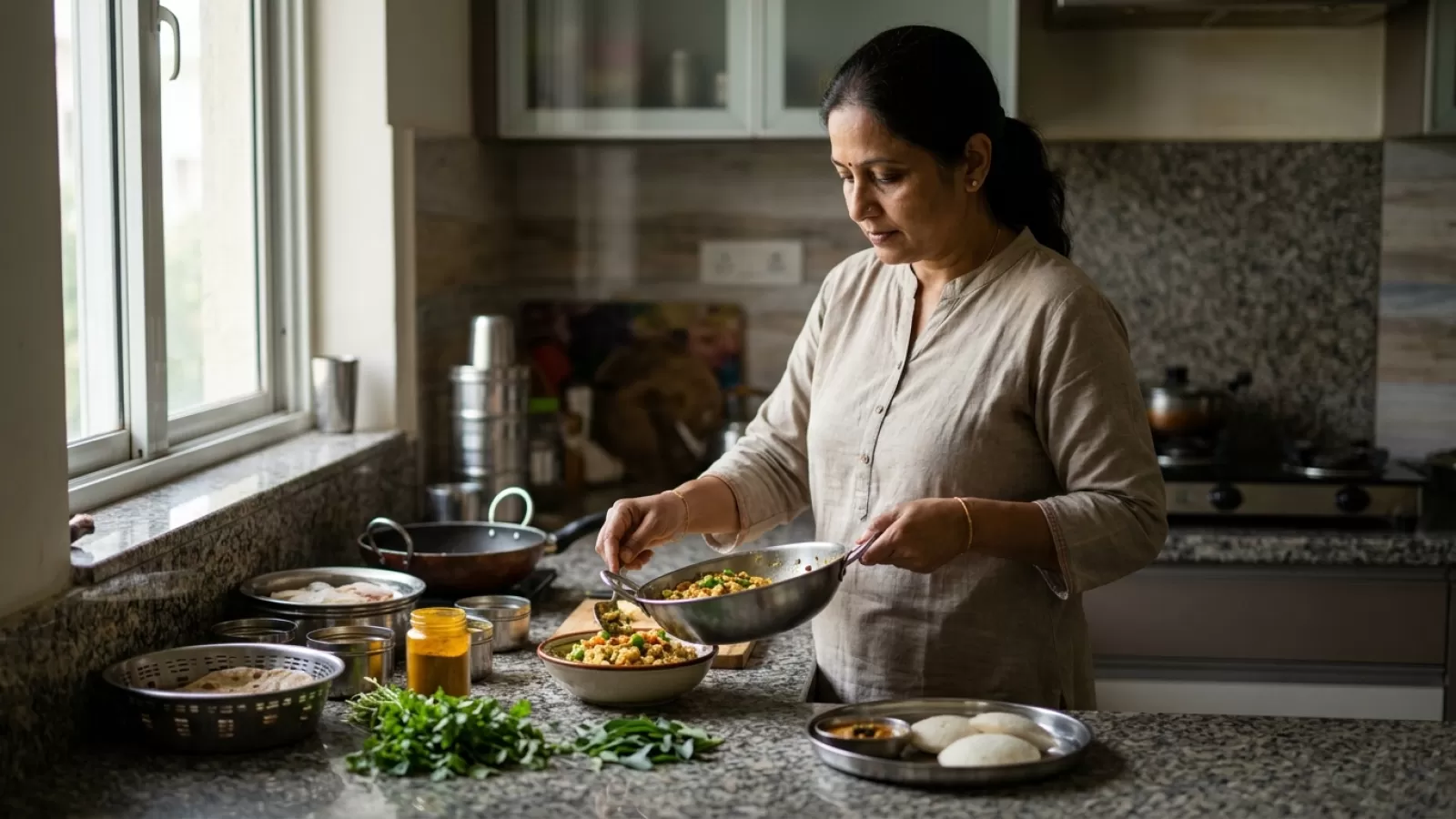
Instead of planning full menus, focus on keeping a few versatile basics ready. Many Indian kitchens find it helpful to prepare extra dal, sabzi, or boiled chana in the fridge. Chapatis can be half-cooked and stored, or you can keep homemade dosa batter on standby.
- Chop extra onions and tomatoes and store them for quick curries.
- Batch-cook rice and use it for lemon rice, curd rice, or a quick pulao.
- Have roasted peanuts or murmura handy for instant snacks.
This way, even if lunch is late or you’re too tired to cook from scratch, something nourishing is always within reach. It’s not about perfection—just about making life a little easier.
Balanced Plates, Even if Simple
You’ve probably noticed that some meals feel more satisfying than others, even if the quantity is the same. Indian meals usually have a natural balance—dal, roti, sabzi, maybe a small salad. On uneven days, it’s easy to end up eating only carbs or just a packet of biscuits with tea.
When this happens, try to add one simple thing to round out the meal. If you’re having only poha for breakfast, add a spoon of roasted peanuts or some chopped cucumber. If dinner is just rice and pickle, throw in some curd or leftover dal.
It’s not about making every meal ‘complete’. But adding a little protein (dal, milk, eggs, nuts) or some raw veggies, whenever you remember, helps keep you fuller and steadier between meals. Even small steps count.
Snack Smarter: Avoiding the Afternoon Slump
Many people find the afternoon the hardest time to eat well. Lunch may have been light or delayed, and you’re tempted by tea and biscuits or namkeen. It’s a familiar scene, especially during work-from-home or after school runs.
Instead of fighting the urge to snack, keep a few better options ready. Some families like roasted chana, makhana, fruit chaat, or a small bowl of sprouts. You don’t need to avoid biscuits altogether—just try to eat something with them (a fruit, a few nuts, or a glass of buttermilk) so you’re not running on sugar alone.
- Make fruit visible—keep a bowl on the table.
- Boil extra eggs in the morning and keep them in the fridge.
- Have a dabba of roasted seeds or nuts close to your work desk.
The idea here is not to say ‘no’ to all treats, but to gently nudge yourself towards snacks that help you last till dinner without the crash.
Hydration: Quiet Support for Uneven Days
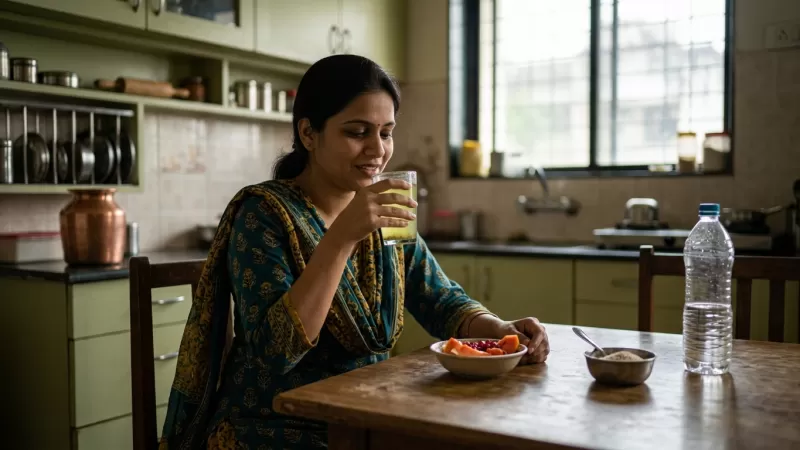
Water is something most of us forget when days get busy. Dehydration doesn’t always feel like thirst—it can show up as tiredness, headaches, or even feeling hungry when you’re not.
Some families make it a habit to keep a bottle or glass of water in every room, especially during summer or when using the fan or AC all day. Adding a slice of lemon or a few tulsi leaves can make it more inviting. If you’re not a fan of plain water, nimbu pani, coconut water, or a light buttermilk are good options.
During festivals or fasting days, when meal timing is even more unpredictable, drinking water at regular intervals helps keep energy steady, even if you’re eating less.
Making Peace With Imperfect Days
Some days just don’t go as planned. Meals are skipped, snacks are whatever’s available, and you may end the day feeling guilty or frustrated. Most Indian homes face this at least once a week, especially when life gets hectic or someone is unwell.
It’s important to remember: one odd day (or even a few) won’t spoil your long-term health. What matters is the general trend, not the occasional slip. Try to let go of guilt and focus on what you can do next—a simple, balanced meal, a gentle walk, an early bedtime. That’s enough.
Sometimes, just sitting together for a few minutes at dinner—even if it’s a simple khichdi—restores a sense of calm and connection that no ‘perfect’ meal can offer.
Gentle Reminders for Busy Families
You don’t have to overhaul your entire routine to support your family’s nutrition. Often, it’s the smallest, most repeatable habits that bring steadiness: a daily fruit, water before chai, or a mindful snack in the evening.
These gentle anchors help your body (and mind) settle down, even when the world outside feels hurried. Over time, you may notice fewer energy crashes and a bit less stress around mealtimes. It’s not magic. Just quiet care, day after day.
And remember, every family’s rhythm is different. Do what fits your home, your work, and your life. That’s what makes these habits truly helpful.