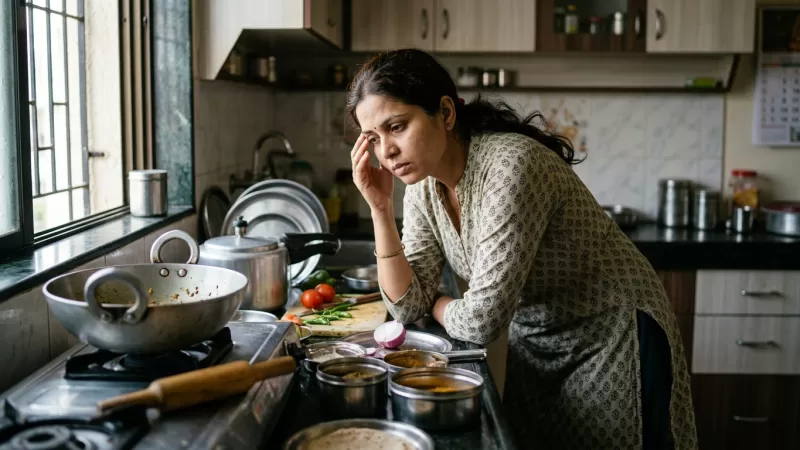
Many Indian families these days find it harder than ever to eat meals at set times. With school runs, office shifts, traffic, and sometimes caring for elders or little ones, it's not uncommon for breakfast to turn into a hurried bite at 11 am, or dinner to creep closer to midnight. If you’ve noticed your meal times slipping all over the place, you’re definitely not alone. And while strict schedules are often praised, the reality in many homes is messier. The good news? There are still simple, calming food habits that can help your digestion stay steady, even if your clock can't.
Why Uneven Meal Timings Happen So Often
It's easy to feel a bit guilty when your family’s meals don’t follow a perfect timetable, especially when you hear about the supposed benefits of eating "on the dot." But in most Indian households, life just doesn’t cooperate. Between late-night work calls, festival days, sudden visitors, or kids’ changing routines, mealtimes can swing wildly from day to day.
Sometimes, even when you plan ahead, traffic jams or power cuts can shift everything. Then there are those days when the cook is on leave, or you’re just too tired to get up and eat at the “right” time. The point is: perfectly timed meals are a luxury for very few.
So, instead of worrying, you can focus on what you can control—how you eat, not just when.
How Uneven Meals Can Affect Digestion
When meal timings change a lot, your body’s natural hunger cues and digestive system can get a bit confused. You might feel bloated after a late dinner, sluggish after an early lunch, or even skip hunger altogether on some days. Over time, this can sometimes lead to mild discomfort or irregular bowel habits.
That said, our bodies are quite adaptable. It’s not a disaster if you eat late or early once in a while. The tricky part is when every day feels unpredictable, and you can’t remember the last time you ate a meal peacefully.
What helps most people is not rigid schedules, but gentle food habits that cushion the impact of irregularity. These habits are familiar in many Indian homes, even if we don’t always call them out.
Listening to Real Hunger (and Knowing Fakes)
With shifting routines, it’s easy to eat just because it’s "time," or skip food because you’re rushing. But tuning into true hunger—even imperfectly—can support digestion. Actual hunger usually builds slowly, with a gentle emptiness or a slight dip in energy, not sudden irritability.
Sometimes what we think is hunger is really boredom, thirst, or habit. You’ve probably noticed that on some days, you reach for a snack just because the clock says 5 pm, not because your stomach asked for it.
- If you’re not sure, drink a glass of water and wait a few minutes.
- Notice if your body feels lighter and slightly empty—that’s more likely real hunger.
- Try not to eat just because someone else is, unless you actually feel like it.
Of course, in joint families or busy homes, you may not always get to decide. That’s ok—just being aware helps.
Small Rituals That Calm the Stomach
Many Indian families have small, almost automatic rituals before eating. These tiny habits can comfort your digestive system, especially on hectic days. You might notice older family members quietly doing this without much fuss.
- Washing hands and face before meals, which signals your body to shift gears.
- Sitting down (even for a short meal) instead of eating standing up or while walking around.
- Taking a few slow breaths before the first bite, not rushing in.
These steps sound simple, but they give your body a moment to prepare for food, which can help reduce acidity and bloating, especially when your schedule is unpredictable.
Choosing Foods That Are Gentle, Not Heavy
On days when meal times are erratic, the kind of food you eat can make a big difference. Heavy, oily, or very spicy foods can sometimes feel tougher to digest if you eat late, or when you’re not truly hungry. It’s something many families quietly deal with, especially after weddings or festivals.
Familiar, simple foods tend to be kinder on the system:
- Plain dal with soft rice or roti
- Light sabzis (like lauki, tinda, or pumpkin)
- Curd or buttermilk on the side (unless you notice it doesn’t suit you)
- Steamed or lightly sautéed veggies
When in doubt, a lighter meal usually sits better than a rich one, especially if it’s very late.
Spacing Out Meals—Even If Timings Shift
One habit that helps digestion, even with shifty schedules, is giving your stomach a little time between meals. Constantly grazing—small snacks every hour—can keep your digestive system overworked, leading to tiredness or acidity.
If you find yourself eating at odd times, try to keep at least a two-hour gap between main meals and snacks. For example, if you had a late lunch at 3 pm, maybe have a lighter dinner, even if it’s at 9 or 10 pm.
On festival days or family gatherings, this is harder to manage—but even skipping just one round of snacks can help your stomach rest.
Simple Drinks That Soothe, Not Stress
Many people reach for chai or coffee when meal times go haywire. It’s comforting, but too much caffeine—especially on an empty stomach or late at night—can upset digestion.
- Warm water with a squeeze of lemon (not too much) can feel soothing before or after meals.
- Jeera or ajwain water, which many grandmothers recommend, is gentle for mild bloating.
- Buttermilk (chaas) or plain lassi, especially in summer, is cooling and light.
Try to avoid aerated drinks or very sweet juices, especially if your meal times are already unsettled.
Making Peace With Imperfect Routines
At the end of the day, most Indian homes will face days (sometimes weeks) of uneven meal timings. It’s natural to feel a little worried or even frustrated when you can’t control the clock. But digestion is about more than just the exact hour you eat.
Small, calming habits—like eating slowly, choosing gentle foods, and giving yourself permission to be imperfect—often matter more. If you find your stomach is upset now and then, know that you’re not alone, and many others quietly go through the same.
Sometimes, just sitting together for one meal, no matter the hour, brings more ease to the body and mind than any perfectly timed schedule. That’s something worth remembering.