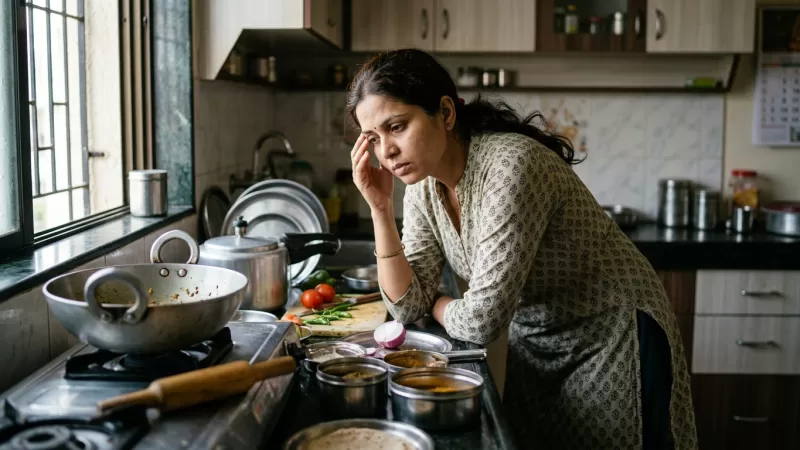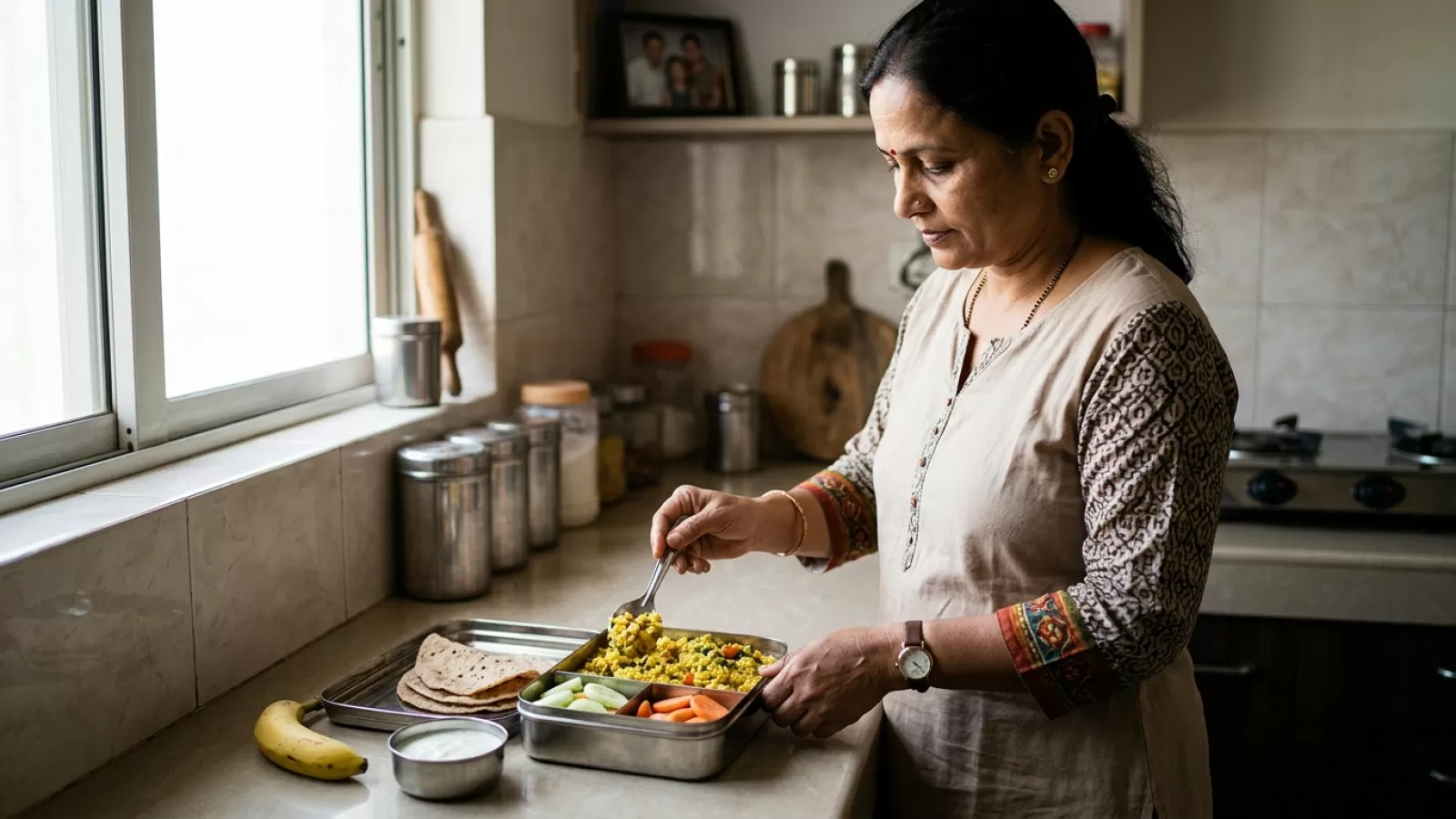
Some days, you wake up early and have a proper breakfast. Other days, a meeting runs over, the kids are late, or an unexpected errand pops up, and suddenly it’s 11:30 before you even think about food. In so many Indian homes, meal timing isn’t always as regular as we’d wish. Work calls, school rush, festivals, and even power cuts can throw your eating pattern off balance. And yet, your body still needs steady nourishment. So, how do you keep things simple and healthy, even when your schedule keeps changing?
Why Do Meal Times Get Uneven in Indian Homes?
These days, life moves quickly. Gone are the days when most families sat together at the table for every meal. Now, you might find yourself eating breakfast alone at 8 am, while your spouse grabs a bite at 10, and the children snack whenever school allows. If you’re caring for elders or juggling work-from-home, it gets even trickier.
Often, there’s guilt about missing meals or ending up with odd eating hours. It’s a common feeling. You’ve probably noticed, in many families, lunch sometimes happens at 3 pm, or dinner gets pushed close to midnight, especially after late office calls or heavy traffic.
The truth is, uneven meal times are almost unavoidable at times. That said, you can still do a few things to keep your nutrition on track without making life harder.
How Uneven Meals Affect Digestion and Energy
When meals come late or too close together, your digestive system often feels it first. Some people get acidity; others feel bloated or tired. You might notice energy crashes in the afternoon or a sort of heaviness if you eat a large meal late at night. It’s not just about hunger—your whole system tends to get a bit confused.
One thing to remember: your body is actually quite adaptable. Occasional changes in timing won’t cause serious harm for most people. The tricky part is when irregular meals become the daily norm. That’s when you might start feeling sluggish, irritable, or even lose track of what you’re eating altogether.
Still, it’s better to focus on practical steps than worry about every missed meal. Gentle adjustments can make a real difference.
Simple Habits to Keep Nutrition Steady
Let’s be honest—strict routines don’t work for everyone, especially when life is unpredictable. But some everyday habits can help you get enough nourishment, even if you can’t eat at the same time every day:
- Don’t skip meals on purpose. Even if it’s just a banana or a cup of curd, having something is better than going completely empty for hours.
- Keep small, healthy snacks handy. Roasted chana, cut fruit, or plain murmura are easy options to nibble on if you’re running late for a meal.
- Drink water regularly. Sometimes, tiredness is just dehydration, especially during long, hot days or when you’re busy.
- Try not to eat too late at night. If dinner gets delayed, keep it lighter—maybe just dal and roti, or a bowl of sabzi with dahi.
Nobody’s routine is perfect. But a little planning can prevent you from getting too hungry or overeating at odd hours.
What to Eat When Meals Are Delayed
If you know lunch will be late, or dinner might not happen until after 9, it helps to have a mental list of simple, stomach-friendly foods. Heavy, oily meals can make you uncomfortable, especially if you eat them in a rush or right before bed.
Here are a few gentle, easily digestible options many Indian families rely on during odd hours:
- Rice with dal or simple khichdi
- Curd rice, especially in summer
- Vegetable upma or poha
- Moong dal cheela or besan chilla
- Fruit with a handful of nuts
These foods are light, familiar, and not too harsh on the stomach. You might not always have time to cook fresh, but even leftover sabzi with plain roti can be a good stopgap.
Making the Most of Indian Staples
It’s easy to forget, but our usual Indian foods are naturally balanced. A basic meal with dal, roti, sabzi, and a spoon of homemade pickle covers a lot. There’s protein, fibre, and enough variety to keep you satisfied—even if you eat at odd hours.
When timings are off, avoid skipping the dal or sabzi just to save time. Even a small serving helps. Leftover dal can become a soup, and yesterday’s sabzi goes well in a wrap for a quick bite.
Here’s the catch: sometimes, you’ll want something quick and filling. Maggi or instant noodles are tempting, especially for tired students or late-night workers. It’s fine now and then, but try to add a bit of chopped vegetables, or pair with a glass of buttermilk to balance things out.
Routine Tweaks for Busy Schedules
If you have back-to-back meetings or long commutes, meal planning tends to fall apart. That’s normal. But a few small tweaks can save you from those hungry, irritable patches.
- Pack a small container of nuts or roasted seeds in your bag.
- Keep a fruit or a packet of whole wheat biscuits at your work desk.
- Use a flask for warm buttermilk or lemon water when you’re on the go.
- Set a gentle reminder to eat something if you often lose track of time.
Many working people quietly deal with the guilt of snacking on junk food because proper meals aren’t possible. If that sounds familiar, remember: small, thoughtful snacks are better than nothing or mindless munching.
Gentle Tips for Digestive Comfort
Digestive discomfort is one of the first things people notice with uneven meals—acidity, gas, bloating, and sometimes even disturbed sleep. These issues crop up more often during festivals, late-night celebrations, or busy periods at work.
Some simple, time-tested practices can help, even if your meal timings are scattered:
- Eat slowly, even if you’re in a hurry. Just a few extra minutes matter.
- Don’t lie down immediately after a meal, especially at night.
- Try a short walk after eating, or simply sit upright and relax.
- If you feel heavy, sip warm water or a little ajwain water (not as a cure, just as a comfort).
None of these are magic solutions, but they often bring a bit of relief and help your body adjust.
When Family Schedules Don’t Match
Joint or small, every family faces the problem of mismatched meal times at some point. Maybe your parents eat dinner early, the kids want a snack at 7, and your spouse comes home at 10. The kitchen feels like it’s always open, but everyone is still hungry at odd times.
Here’s what tends to help in many homes:
- Cook a large batch of dal or sabzi so people can serve themselves when they’re ready.
- Keep cut fruit, dahi, or boiled eggs in the fridge for easy, anytime snacks.
- Allow some flexibility—don’t force yourself to eat just because someone else is eating, unless you enjoy the company.
It’s okay if you can’t always eat together. What matters is that everyone finds a way to get something nourishing, rather than skipping or rushing through meals in stress.
Finding Your Balance, Even When Life Is Uneven
Most Indian families, at some point, experience the chaos of uneven meals—exam season, wedding time, or just a plain old busy week. The important thing is not to chase perfection. Focus on basics: simple foods, small snacks, and listening to your hunger, not the clock.
It’s normal to feel frustrated when routines fall apart. That’s part of life. Just remember, even on your busiest days, a few small choices keep you well-fed and comfortable. Over time, you’ll find what fits best for your household, and those rushed or late meals won’t feel quite so stressful.
And if all else fails—sometimes, a simple bowl of curd rice or just a cup of chai with a biscuit is enough to get you through the day. That’s perfectly okay.