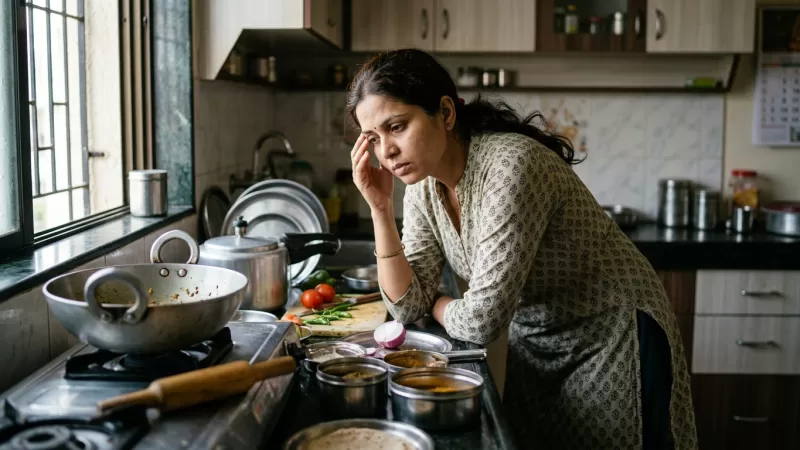
Long commutes, heavy rains, metro delays, and endless traffic jams—these are now part of everyday life for many Indian families, especially in our bigger cities. By the time you walk in the door, it’s late, you’re tired, and the thought of making a fresh meal can feel completely overwhelming. Ordering food online starts to look like the only option, but after a while, all that greasy, heavy food can leave you feeling sluggish and unsatisfied. Is there a way to still eat well, even when your evenings are swallowed up by traffic? There usually is, with a little planning and a few simple changes.
Why Late Dinners Happen So Often Now
These days, it’s almost expected for working adults in Indian cities to get home after 8 or even 9 PM. With both partners often working, school pick-ups, and elderly parents needing attention, the evening can get stretched. Add to that the unpredictability of road conditions—one accident or sudden rain can push dinner even later.
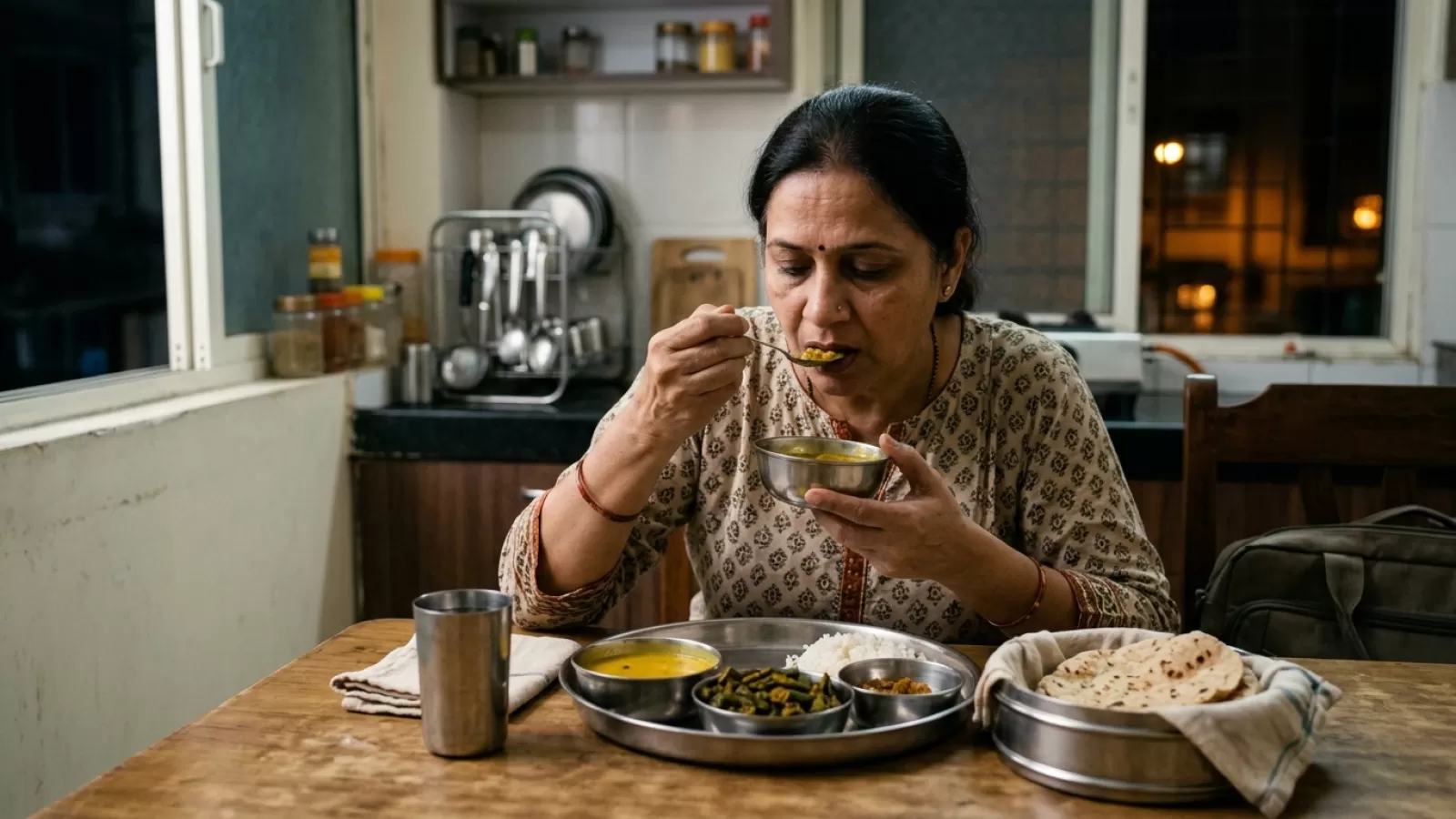
Most families quietly adjust, but it’s not always easy. The kitchen feels too quiet at 10 PM. You may not want to disturb others, or maybe you feel too tired to cook dal and rice from scratch. That’s when the phone comes out and the food delivery app gets opened.
But eating late and heavy, night after night, tends to catch up with you. It’s not just about weight—many people notice disturbed sleep, acidity, and a general sense of heaviness. So, what can you do?
Planning Ahead—It’s Not Just for “Super Organized” People
Here’s the catch: meal planning sounds exhausting, especially when you’re already stretched. But it doesn’t have to mean hours of preparation or complicated recipes. It’s more about making life a little easier for your future self.
- Consider batch cooking basics on the weekend: dal, sabzi, boiled potatoes, or simple curries. These keep well and can be reheated quickly.
- Chop extra onions, tomatoes, and ginger-garlic in advance and store them in the fridge. A small thing, but it does save those precious few minutes.
- Keep cooked rice or roti dough in airtight containers. Both hold up well for a day or two and speed things up on late nights.
None of this has to be perfect. Even a little preparation—just one extra dal or sabzi—can reduce the pressure if you come home late.
Healthy Shortcuts for Fast, Nourishing Meals
When time is short and energy is low, “shortcut” doesn’t have to mean “unhealthy.” There are plenty of Indian staples that come together quickly and still hit the spot.
- Khichdi: Rice and moong dal cook fast in a pressure cooker or Instant Pot. Add a few chopped veggies, and it’s a full meal.
- Curd Rice: Especially soothing after a long day. Just mix leftover rice with curd, a pinch of salt, and maybe some chopped cucumber.
- Upma or Poha: These use pantry staples and cook in 15–20 minutes. Toss in peanuts, peas, or carrots for extra nutrition.
- Mixed Vegetable Paratha: If you have leftover veggies or even a bit of dal, mix it into the dough and make quick parathas.
It doesn’t always have to be fancy. Even a bowl of dal with roti and a sliced cucumber is a better option than most takeaway meals.
Stocking Your Kitchen for Emergencies
Sometimes, no matter how well you plan, you’ll get caught out—unexpected meetings, rain, or just plain exhaustion. That’s when your kitchen “backups” come into play.
- Keep packets of roasted chana, murmura, or makhana at home. They’re light, filling, and better than chips or fried snacks.
- Frozen peas, corn, or mixed veggies can be tossed into a quick sabzi or upma when there’s nothing fresh.
- Canned or tetrapak dal or rajma are not the same as homemade, but they work in a pinch.
- Whole wheat bread, eggs, and a few basic fruits (bananas, apples) are handy for a quick, balanced bite.
It’s not about “ideal” nutrition every night. It’s about having options that are good enough when you’re out of steam.
Managing Hunger on the Way Home
Here’s something many people notice: by the time you get home, you’re so hungry that you end up overeating or making less healthy choices. It’s quite common, especially if lunch was early or light.
One way to handle this is to keep a small, high-fibre snack handy for your commute. A handful of roasted peanuts, a banana, or even some dahi in a small container can help take the edge off, so you’re not ravenous later.
Some people keep a small tiffin in their bag with a homemade chilla, fruit, or idli. It might feel odd at first, but it often means you’re less likely to reach for fried or sugary foods late at night.
Late-Night Eating: Gentle Adjustments for Better Digestion
Eating after 9 or 10 PM isn’t ideal, but sometimes life just works that way. You can still make late dinners easier on your system with a few gentle habits:
- Go easy on fried, spicy, or very rich foods late at night. These tend to cause acidity or heaviness.
- Stick to smaller portions if possible, especially of rice or bread, since you’ll be heading to bed soon after.
- Try to sit down, eat slowly, and avoid screens for a few minutes. It helps with digestion and leaves you feeling more satisfied.
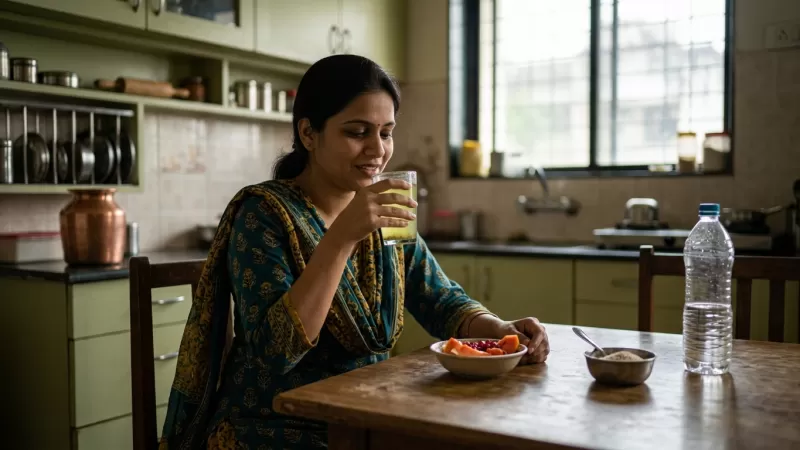
- Avoid very cold drinks or desserts right after your meal. Warm water or a little saunf (fennel) can be soothing.
Above all, don’t be too hard on yourself. One late, heavy meal is not the end of the world. But if it’s become a routine, these small changes can help.
Rethinking Dinner: Light Meals Can Be Just As Satisfying
In many Indian homes, dinner used to be the lightest meal—just sabzi, roti, and a bit of curd. Over time, with busy schedules and later evenings, dinner has become heavier.
If you find yourself eating late frequently, try switching to lighter meals. Soups, besan chilla, stir-fried veggies, or even a bowl of dal with a small roti can be surprisingly satisfying without feeling overly full.
Some families have also started shifting their main meal to lunch, when possible, and keeping dinner simpler. It’s not always practical, especially with kids or older parents at home, but it’s worth considering if your routine allows.
The tricky part is getting everyone on board. But with time, lighter dinners can become a habit—and you might notice you sleep better too.
Making Peace with Imperfect Meals
There will be days when nothing goes to plan—traffic is worse than usual, you’re too exhausted to even think about cooking, and everyone is cranky. On those nights, it’s perfectly okay to order a dosa, idli, or even a simple dal khichdi from a local place you trust.
What matters most is what you do most of the time, not once in a while. If you’re making small, practical changes most days, it’s more than enough. No one gets it right every single time, especially with the way urban life is now.
So, next time you’re stuck in traffic or running late, remember—there are always a few ways to make dinner work for you, even if it’s not perfect.
And sometimes, that’s all you really need.