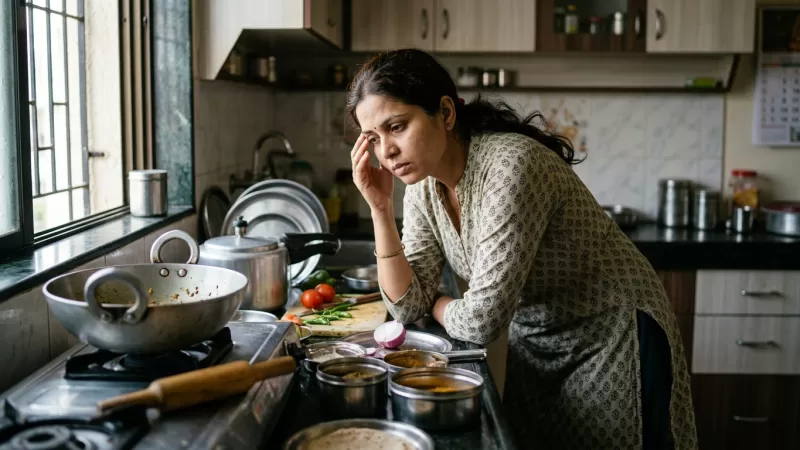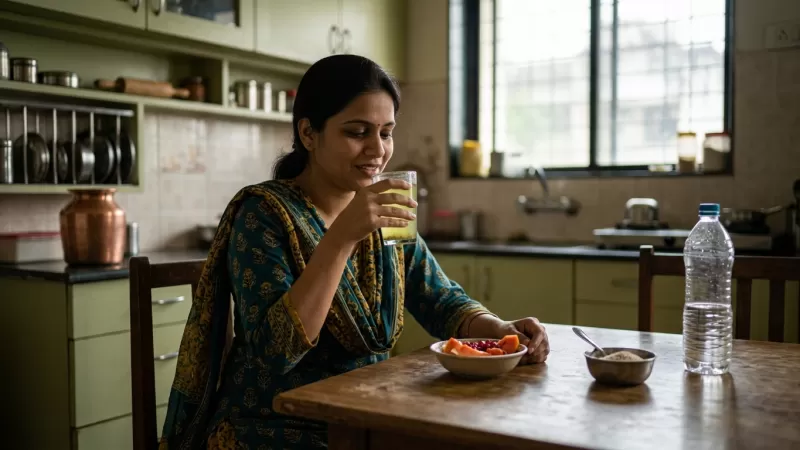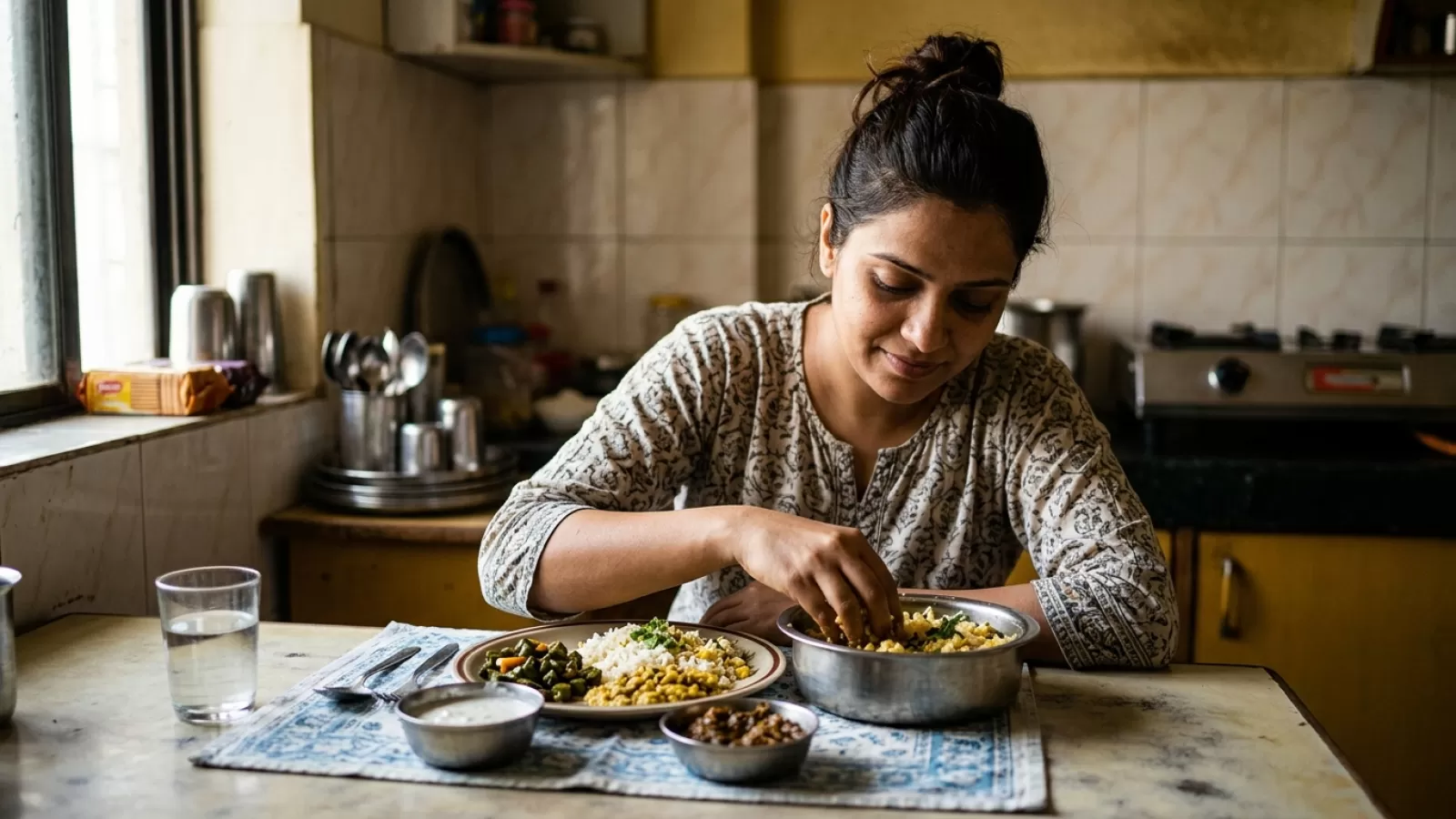
Some weeks just come at you fast — work deadlines, school projects, household chores piling up, maybe even a festival or a family event thrown into the mix. When that happens, it’s easy to let meals become an afterthought. But, as you’ve probably noticed, running on tea and biscuits or skipping meals altogether only makes you feel more drained. The good news? You don’t need fancy ingredients or elaborate cooking to keep yourself nourished. Sometimes, the simplest Indian meals do the best job of grounding you — both in body and mind — when life feels a bit much.
Why Simple Meals Are Your Best Friend During Busy Weeks
On a hectic week, there’s hardly time to plan menus or try new recipes. That’s when simple, familiar foods are truly comforting. These are the meals you can prepare almost on autopilot — the dal you’ve made a hundred times, the quick sabzi that doesn’t need much chopping, or the khichdi that cooks itself while you catch your breath.
Simple meals tend to be light on the stomach too. When you’re mentally busy, heavy or rich foods can make you sluggish. Everyday Indian staples like roti, rice, dal, and basic sabzi actually help you feel stable, not sleepy. You might even find that going back to basics saves time — fewer ingredients, less mess, and almost no planning.
It’s easy to underestimate how calming a steady meal routine can be when everything else feels unpredictable. There’s comfort in the familiar taste of home food. In many families, that quiet reassurance matters more than we admit.
Building a “Grounding” Meal: What Does That Mean?
The word “grounding” gets used a lot these days, but in the Indian kitchen, it’s usually about making meals that fill you up, don’t upset your stomach, and help you focus on your day. It’s less about fancy nutrition and more about everyday wisdom.
Here’s what tends to feel grounding for most people in Indian homes:
- Meals that aren’t too spicy or oily
- Simple combinations: dal-chawal, roti-sabzi, curd rice
- Some warm cooked food in every meal (instead of only salads or bread)
- Inclusion of a little ghee, which many find soothing
- Sticking to regular meal times as much as possible
Sometimes, even just taking a few minutes to sit down and eat, without multitasking, helps you feel more centered. It’s not always possible, but it’s worth trying on the busiest days.
Quick and Nourishing Indian Meal Ideas for Hectic Days
You don’t need to reinvent dinner every night. These basic meal ideas don’t take much time or effort, but they still feel like real food:
- Khichdi with dahi: One pot, minimal chopping, and easy to digest. Add a tadka of jeera and a pinch of hing for flavor.
- Moong dal and rice: Quick-cooking dal with some rice. Pair with a simple stir-fried vegetable or even just a pickle.
- Roti with aloo-tamatar sabzi: Potatoes and tomatoes cook fast, and this sabzi goes well with leftover rotis too.
- Upma or poha: Both make for a quick lunch or dinner, especially if you add some peanuts or a handful of veggies.
- Curd rice: Especially in summer or after spicy meals, it’s cooling and takes barely ten minutes to fix.
There’s no shame in repeating meals or even eating the same thing for lunch and dinner. The point is to get enough food, not to impress anyone with variety.
Smart Shortcuts That Don’t Compromise on Nourishment
Let’s be honest — during a task-heavy week, nobody has time for slow-cooked gravies or elaborate thalis. It’s perfectly okay to lean on shortcuts that still keep your meals wholesome.
- Use frozen veggies or pre-cut packs when you can — they save so much time.
- Pressure cookers and rice cookers do half the job for you.
- Batch cook plain dal or rice and use it over two meals.
- Keep roasted papads, pickles, or a jar of chutney handy to jazz up plain meals.
- Make use of leftover subzi in sandwiches or wraps for a quick meal the next day.
Some families quietly rely on these tricks without talking about it much. You’re not “cutting corners” — you’re just adapting to real life.
Balancing Taste, Health, and Time Pressure
The tricky part is that everyone in the family has their own preferences. One person wants less oil, another wants more spice, and someone else just wants something quick. It’s not easy to keep everyone happy during a busy week.
What usually helps is picking a base meal everyone eats (like dal-rice or roti-sabzi) and keeping small extras on the side. Maybe a spoon of pickle, some plain curd, or a squeeze of lemon. These little touches let each person adjust their plate the way they like, without you having to cook separate meals.
It’s also okay to have a few “neutral” days — meals that aren’t super exciting but still do the job. Think of it like wearing your comfortable home clothes instead of dressing up; simple food is sometimes exactly what’s needed to get through a demanding week.
Handling Meal Prep When You’re Already Tired
Cooking when you’re tired is tough. Many people end up snacking instead of eating a real meal, but this usually backfires. You might feel extra hungry later or find your energy dipping in the middle of chores.
One gentle solution is to start meals with just the basics — a pot of rice, some dal, or even boiling a few eggs. You can always add a quick stir-fried vegetable or a bowl of curd if you get a second wind. But getting the main part started is often half the battle.
Some families set up a small “meal station” in the fridge — cooked rice, sliced cucumbers, a container of plain dal, and some rotis. This makes assembling a meal almost as quick as making instant noodles, but you still get proper food. Even on your most tired days, you deserve that.
Eating Together (Even Briefly) Helps More Than You Think
It’s common for everyone’s schedules to clash — late meetings, online classes, odd work shifts. But when you can, sitting down together for even one meal brings a sense of normalcy. You don’t need to make it a huge event; even sharing a quick dinner in the living room counts.
Eating with others slows you down and reminds you to chew, which helps digestion. Plus, it’s a small way to reconnect, especially during stressful times. If you’re living alone, even calling someone while you eat or watching a favorite show can make meals feel less rushed and more grounding.
In many homes, the kitchen is where you catch up, vent, or just share a quiet moment. Even if you can’t do this every day, a few times a week makes a difference.
Gentle Reminders for Self-Care During Busy Weeks
When the week is packed, self-care can sound like a luxury. But looking after your meals is one of the simplest forms of care — for yourself and your family.
- Try not to skip meals, even if you’re running late. A banana, a glass of buttermilk, or a handful of roasted chana is better than nothing.
- Drink water regularly. Many people forget this when they’re busy and end up feeling tired for no clear reason.
- If you can, step away from your desk or chores for meals. It doesn’t have to be for long — even ten minutes helps.
- Don’t be hard on yourself about eating “perfectly.” Getting through the week with some home-cooked food is a big enough win.
Your body and mind work better when they’re fed. That’s really all there is to it.
Making Peace With Imperfect Weeks
Not every week will be neat and organized. Some days, you’ll eat standing up in the kitchen or have to make do with leftovers. There may be moments when you’re too tired to cook, or the fridge is almost empty.
Here’s the thing: that’s normal. Most Indian homes go through these patches, but we don’t always talk about them. The main thing is to keep meal times as steady as possible, lean on the foods you know, and let go of guilt about not doing more. You’re already doing plenty.
Give yourself permission to keep things simple — not just with food, but with expectations. The busy weeks will pass, and you’ll find your rhythm again.