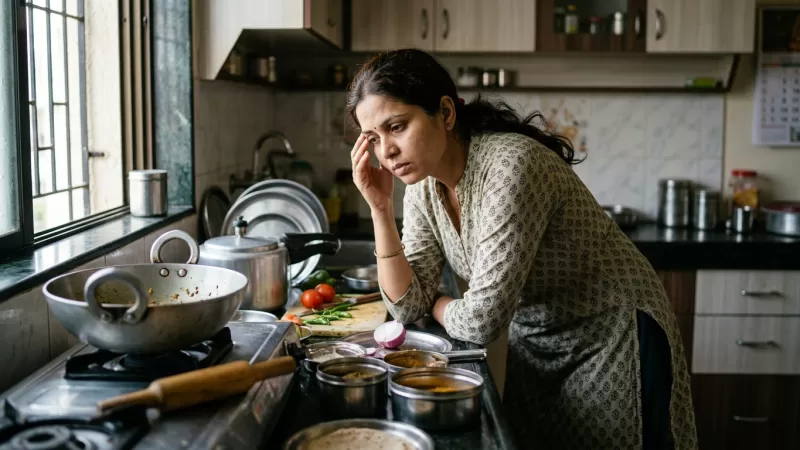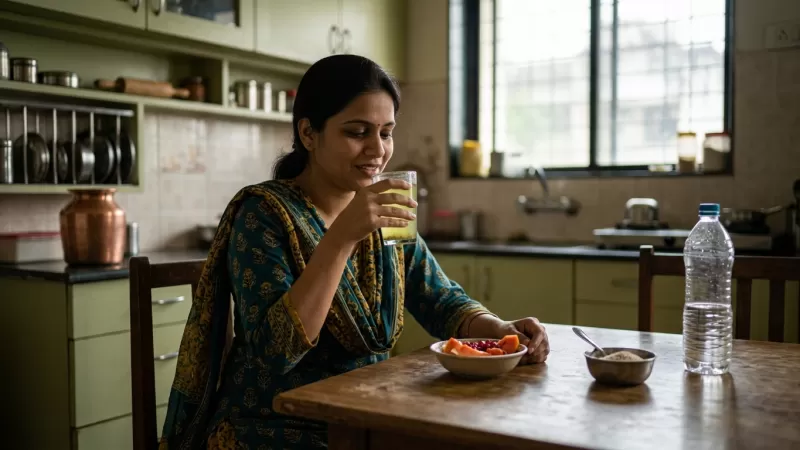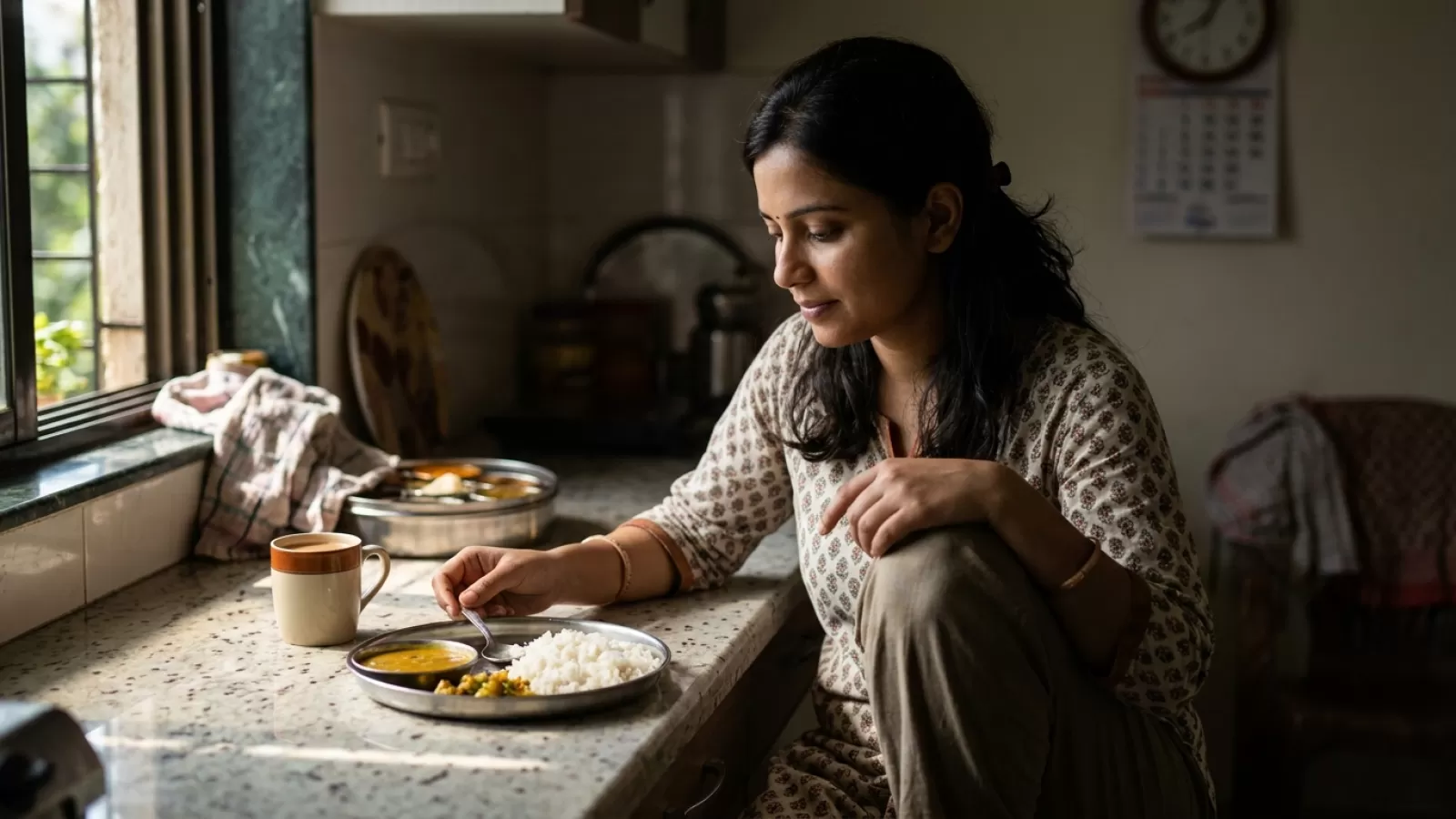
When your appetite is low, even the sight of food can feel overwhelming. You might find yourself picking at your plate, worrying about what family will say, or simply wishing for the days when eating was easy and enjoyable. For many in Indian homes, the pressure to “eat properly” is real, especially when loved ones are watching. Still, forcing yourself to eat large meals when your hunger just isn’t there can leave you feeling bloated, uncomfortable, or even guilty. There’s a quieter, kinder way to nourish yourself—one that respects your body’s signals, your daily routine, and the familiar foods you know best.
Understanding Low Appetite: It Happens to Many of Us
You’re not alone if you’ve noticed your interest in food shrinking, especially during stressful periods, after an illness, or as you grow older. In many Indian families, someone—often an elder, sometimes a busy professional—finds themselves struggling to finish even a simple dal-chawal meal.
Appetite can dip for all sorts of reasons: changes in routine, emotional strain, medications, hot summer days, or just the natural ups and downs of life. It’s rarely talked about openly, but quietly, many families adjust meal sizes or cooking styles depending on who’s at the table that day.
The tricky part is, when your appetite is low, you may still need to get enough energy and nutrients to keep up with daily life. So, what can you do if large meals just aren’t possible right now?
Why Forcing Large Meals Usually Backfires
Sometimes, out of concern or habit, we try to “push through” and eat a full plate even when our body says no. It’s understandable—after all, in many homes, finishing your meal is seen as a sign of good health or respect for the cook.
But here’s the catch: forcing large amounts of food into an unwilling stomach often leads to discomfort. You might notice heaviness, gas, acidity, or even nausea afterwards. Instead of giving you energy, the meal can leave you feeling tired and irritable.
It’s usually better to step back and listen to your body, even if it means eating less in one go. Gentle eating doesn’t mean neglecting your nutrition—it just means matching your intake to what you can comfortably handle.
Small steps make a meaningful difference over time.
Gentle Eating: Simple Approaches for Low Appetite
Eating with a low appetite isn’t about discipline or willpower. It’s about small, thoughtful choices that add up through the day. Many families find that these gentle adjustments help make eating less stressful—and more doable.
- Smaller, more frequent meals: Instead of three large meals, try five or six small ones. Even a handful of roasted chana, a banana, or a small bowl of curd can count as a mini-meal.
- Choose lighter foods: Soups, khichdi, idlis, dahi rice, or well-cooked sabzis feel less heavy and are easier to digest than oily or very spicy dishes.
- Don’t force variety if it’s tiring: On days when you can’t face elaborate thalis, stick to 1-2 simple foods that feel safe. Repetition is fine when appetite is low.
It’s okay if you can’t follow a perfect meal plan—just keep some gentle options on hand.
Making Familiar Foods Work for You
Indian kitchens are full of foods that can be adapted for gentle eating. The trick is to focus on what feels comforting and easy to handle, not what looks impressive or complicated.
Try these approaches if you’re struggling to finish your regular meals:
- Soft, moist textures: Moong dal soups, soft upma, mashed potatoes, or sabudana khichdi slip down easily and are less likely to cause discomfort.
- Add energy to small portions: Mix a spoon of ghee into dal, add some grated paneer to sabzi, or spread a little peanut butter on toast. These small additions give you more energy without increasing the quantity.
- Use leftovers creatively: Sometimes, repurposing yesterday’s sabzi into a stuffed paratha or mixing rice with curd and a tadka can make eating less of a chore.
Some families quietly do this already, especially when caring for elders or recovering from sickness. It's a gentle, practical way to respect changing appetites.
Managing Mealtime Pressure at Home
One of the harder parts about low appetite isn’t just the food—it’s the pressure. You might feel guilty, or worry about what others will say if you leave food on your plate. Many Indian households, especially joint families, treat mealtime as a social event, which can make things tricky.
If you’re comfortable, try explaining (even briefly) that your appetite isn’t the same right now. Most people understand if you keep it simple—“I’m not feeling very hungry these days, but I’ll eat small amounts often.”
Some families find it helps to serve themselves instead of waiting for someone else to pile food onto their plate. Others quietly keep a small bowl aside and eat at their own pace, especially during busy festival seasons or large gatherings.
You don’t have to justify every meal. Just do what feels manageable for you.
Gentle Ways to Encourage Your Appetite
While you can’t force yourself to feel hungry, there are a few small habits that sometimes help your natural appetite return, bit by bit.
- Fresh air and movement: A slow walk on the terrace or in the park—especially in the early morning or evening—can wake up your senses and gently stimulate hunger.
- Routine matters: Keeping regular meal and snack times, even if you only eat a little, helps your body expect food and respond over time.
- Simple aromas: The smell of fresh coriander, frying jeera, or a squeeze of lemon over dal can sometimes nudge your appetite.
It’s not magic—just quiet support for your body’s own rhythms.
Staying Nourished When Cooking Feels Tiring
There are days when even simple kitchen tasks feel like too much, especially if you’re recovering from illness, managing stress at work, or looking after family members. It’s very common, though not often admitted, to feel overwhelmed by cooking when your appetite is low.
On these days, lean on simple, minimal-preparation foods:
- Plain dahi with fruit or poha with peanuts
- Ready-to-eat moong dal cheela or besan toast
- Steamed vegetables tossed with a little salt and ghee
- Store-bought options like whole wheat bread, muesli, or roasted makhana
If you’re part of a joint family, see if someone can prepare a plain khichdi or upma for you. Most people are happy to help if you quietly ask.
When to Take Things Seriously
It’s normal for appetite to rise and fall with the seasons, changing routines, or life’s ups and downs. But if you notice that you’re losing weight quickly, feeling weak, or can’t manage even small amounts of food for several days, it’s time to pay closer attention.
Many people quietly wait and hope things will improve on their own. That said, gentle steps are fine for mild dips in appetite, but don’t ignore ongoing difficulties. If you’re worried, or if family members express concern, it’s sensible to speak with a doctor or a trusted healthcare provider. Sometimes, a simple conversation is all it takes to figure out what’s needed next.
No need to panic. Just notice, and take gentle action if things carry on too long.
Small Wins Matter
Eating well with a low appetite isn’t about following strict rules or perfect routines. It’s about showing your body patience, choosing foods and timings that feel comfortable, and being kind to yourself on difficult days.
If all you manage is a bowl of curd rice or a banana with chai, that’s still something. Each small effort counts. Over time, your appetite may return on its own, especially when you remove the pressure and let yourself eat gently, without guilt or fuss.
Remember, many families across India quietly adjust the way they eat, day by day, season by season. It’s not always easy, but gentle steps can help you nourish yourself with less stress, more comfort, and a little more peace at home.