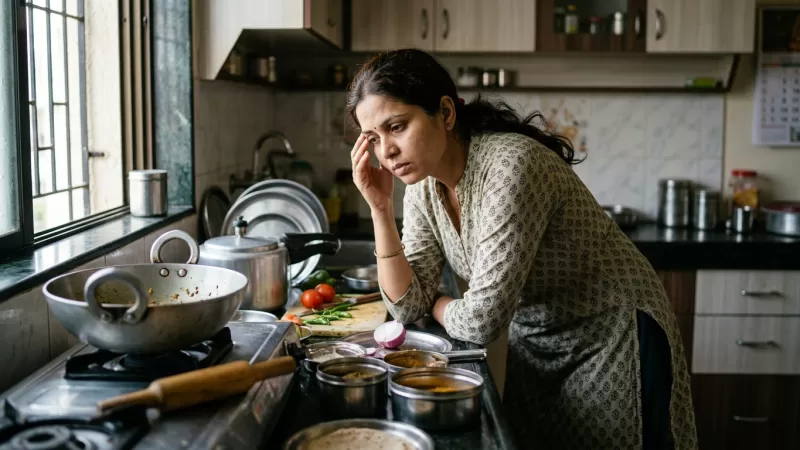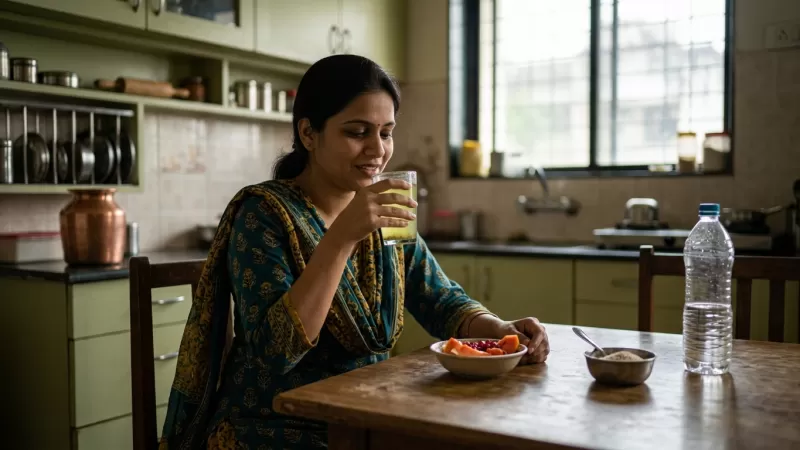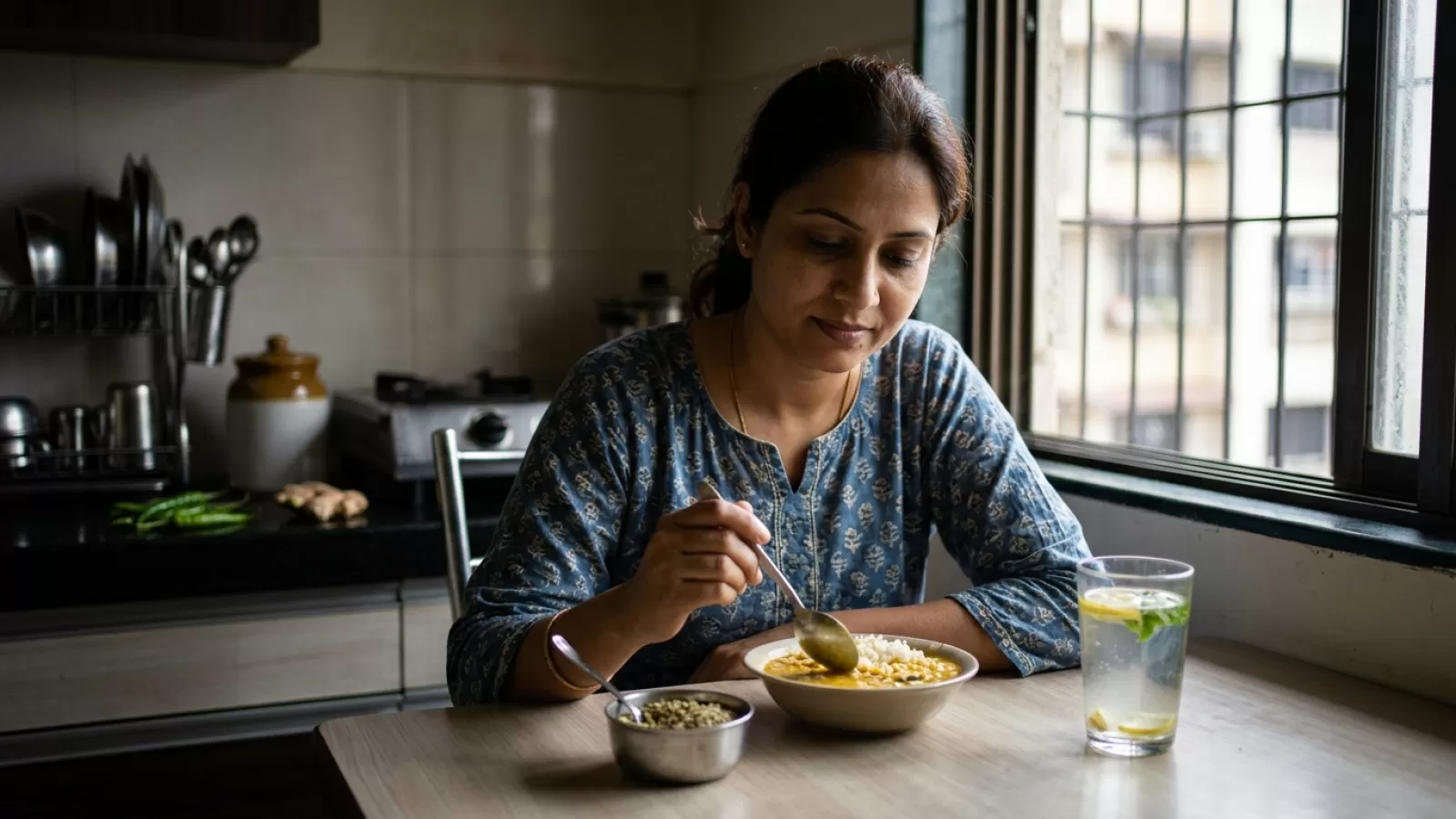
Most of us have been there—a lovely homemade meal, lots of effort, and yet, within an hour or two, your stomach starts sending signals of distress. Bloating, heaviness, and that uncomfortable urge to just lie down. It’s a common story in Indian homes, especially after heavy lunches or celebratory dinners. But sometimes, a few small tweaks in how we cook and eat make a real difference to daily digestion, even if the food itself isn’t changing much.
The Real Impact of Cooking Techniques
It’s easy to think that only what you eat matters, but how you prepare your food quietly shapes digestion. Many families stick to familiar routines—pressure cookers for dal, deep frying for snacks, reheating yesterday’s sabzi. These habits are comforting, but sometimes, they’re the reason meals feel heavy afterwards.
For instance, overcooking vegetables (especially in the pressure cooker) tends to break down their fiber, yet sometimes makes them tougher for the stomach to process. Excessive frying or using old oil can also make food harder to digest. On the other hand, gentle steaming or sautéing in small amounts of fresh oil often helps.
Here’s a simple example: lightly cooked lauki or tinda with minimal masala seems to sit lighter than the same vegetables cooked until mushy with heavy tadka. It’s a small shift, but it adds up over time.
Portion Sizes: Less Can Feel Better
With Indian meals, it’s easy to go overboard—two rotis, a big scoop of rice, dal, sabzi, and maybe raita or pickle. In many homes, especially during festivals or special weekends, plates get overloaded. After all, refusing a second helping sometimes feels rude.
That said, large portions almost always slow digestion. The stomach just works harder. You might’ve noticed that eating a little less than usual sometimes leaves you feeling much lighter and more comfortable.
Consider these small tricks:
- Serve yourself on a smaller plate. You’ll naturally take less.
- Start with one roti, not two—see if you’re still hungry after finishing everything else.
- Take a short pause before going for seconds. Often, you realize you’re already satisfied.
It’s not about denying yourself but helping your body keep up with your appetite.
Spice Levels: Small Tweaks, Big Comfort
Spices bring Indian food to life. But when used in excess, they can create trouble for sensitive stomachs—especially chili powder, garam masala, and even too much ginger-garlic paste. The tricky part is, many recipes don’t mention exactly how much is enough for your digestive comfort.
There’s no need to avoid spices completely. Instead, try these gentle adjustments:
- Use whole spices (jeera, mustard seeds, hing) instead of heavy-handed masalas.
- Add green chilies for flavor, but remove them before serving if you don’t like the heat.
- During summer, reduce the overall spice and increase cooling herbs like coriander or mint.
Many families quietly adjust their masala levels based on the season or who’s coming for dinner. There’s no shame in making food that actually feels good to eat.
Soaking and Sprouting: The Gentle Start
Pulses, beans, and some grains (like rajma, chana, or even bajra) can be tough on digestion if cooked straight from dry. Soaking overnight or sprouting for a day or two helps break down the compounds that cause bloating and gas. It’s a habit that’s quietly practiced in many old-school kitchens, especially when making chana or moong dal.
Here’s the catch: in today’s busy routines, we often skip this step for convenience. But if you’re struggling with post-meal heaviness, it’s one of the easiest adjustments to try. Even a few hours of soaking (if not overnight) can help.
Soaked pulses also cook faster and need less oil or masala to taste good. That’s a win-win for both digestion and daily cooking time.
Include Digestive Helpers in Your Meal
Many Indian meals naturally include small portions of foods that aid digestion—think of that spoonful of homemade chutney, a bit of salad, or a bowl of dahi. These parts of the meal aren’t just for taste—they often help meals feel lighter.
Some options you might try including regularly:
- Dahi or curd: A small bowl with lunch or dinner, especially in summer.
- Fresh chutney: Pudina, coriander, or curry leaf chutney with minimal oil.
- Lemon juice: A squeeze over dal or sabzi to freshen up the taste and lighten the meal.
- Raw salad: Simple cucumber or carrot slices—though keep portions small if raw veggies bother your stomach.
No need to add everything at once. Even one or two of these small sides can make a difference over the week.
Timing and Pacing: Slow Down, Even When Busy
Busy mornings and late dinners tend to be the norm these days. Many of us eat quickly, sometimes standing up or in front of the TV. It’s understandable—there’s work to finish, kids to manage, or just plain exhaustion by the end of the day.
But eating too fast sends food into your stomach before your body is ready. Chewing thoroughly and taking small bites helps your stomach get a head start on digestion. It sounds almost too simple, but many people notice a big difference just by putting down their spoon between bites or chatting during the meal instead of rushing.
Try not to eat dinner too late. Even a 30-minute shift earlier can make it easier to fall asleep and wake up less bloated. Of course, family schedules don’t always allow this, but when you can, it’s worth it.
Cooking Oils and Fat: Choose Wisely and Use Less
Oil is a basic part of Indian cooking. But the type and amount you use quietly affects how heavy your food feels. Reusing old oil for frying, using too much ghee, or cooking with heavy cream-based gravies often leads to that dense, sluggish feeling afterward.
Some small, practical shifts:
- Use fresh oil for each meal when possible, especially for frying.
- Try lighter oils (like sunflower or rice bran) for daily cooking—save ghee for tadka or special dishes.
- Wipe off excess oil from fried foods with paper before serving.
- Experiment with steaming, grilling, or shallow sautéing occasionally.
The difference isn’t always dramatic overnight, but over a week or two, you might notice your stomach feeling a little less burdened.
Rethinking Leftovers and Reheating
In most Indian homes, leftovers are a practical reality. Sometimes, yesterday’s dal or sabzi is tastier the next day! But repeated reheating, especially in the microwave, can change the texture and make food harder to digest for some people.
Here’s what helps:
- Reheat only what you’ll eat right away, not the whole batch.
- Add a splash of water when reheating dal or sabzi to soften them again.
- Try to finish leftovers within a day or two—older food tends to feel heavier.
On weekends, when there’s more time, many families like to cook fresh for at least one meal. It’s a small treat for your digestion as well as your tastebuds.
Listening to Your Own Body
Every person’s digestion is a bit different. Some people handle heavy masalas and deep-fried snacks just fine, while others feel uncomfortable with even a mildly spiced meal. Over time, you’ll notice which foods or habits suit you best.
If a particular dish always leaves you bloated, no matter how it’s cooked, it’s okay to quietly take a smaller portion or skip it when you can. There’s no one-size-fits-all answer—just a few gentle adjustments that fit your routine and preferences.
So, next time your stomach feels uneasy after a meal, remember: sometimes, it’s not what you eat, but how you prepare and enjoy your food that makes all the difference.