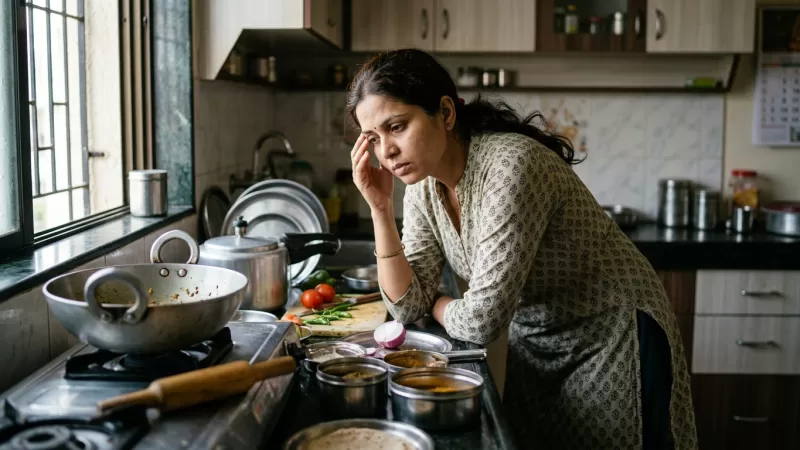
Midday hours at home can feel like a whirlwind—especially in Indian households where the clock seems to run faster after 11 am. Between finishing up morning chores, attending work calls, helping with homework, or running quick errands, lunch often becomes a rushed or even neglected affair. You might find yourself grabbing a quick bite in between tasks, eating standing up in the kitchen, or skipping a proper meal altogether. Many families quietly deal with this, especially as routines have changed in recent years.
Why Midday Meals Often Get Disrupted
It's not just about being busy. Household rhythms in India—whether in joint families or nuclear ones—tend to peak around midday. The maid might come for cleaning, delivery boys ring the bell, or the gas cylinder needs replacing. If you're working from home, meetings and calls often stack up between noon and 2 pm. For homemakers, it's when laundry, meal prep, and children’s online classes overlap.
Here's the catch: While breakfast and dinner often get family attention, lunch is where routines slip, especially on weekdays. Elders may eat early, kids at odd times, and adults sometimes just skip. It's no wonder energy drops or irritability creeps in mid-afternoon.
So, steady meal habits matter—not just for nutrition, but for a sense of order and comfort in the middle of chaos.
Understanding “Steady” in the Indian Household
When you hear the word “steady,” it doesn’t mean rigid. Indian homes thrive on flexibility. But some kind of rhythm—where meals happen at roughly the same time, with simple, familiar foods—can make a big difference. It’s less about strict schedules, more about gentle patterns.
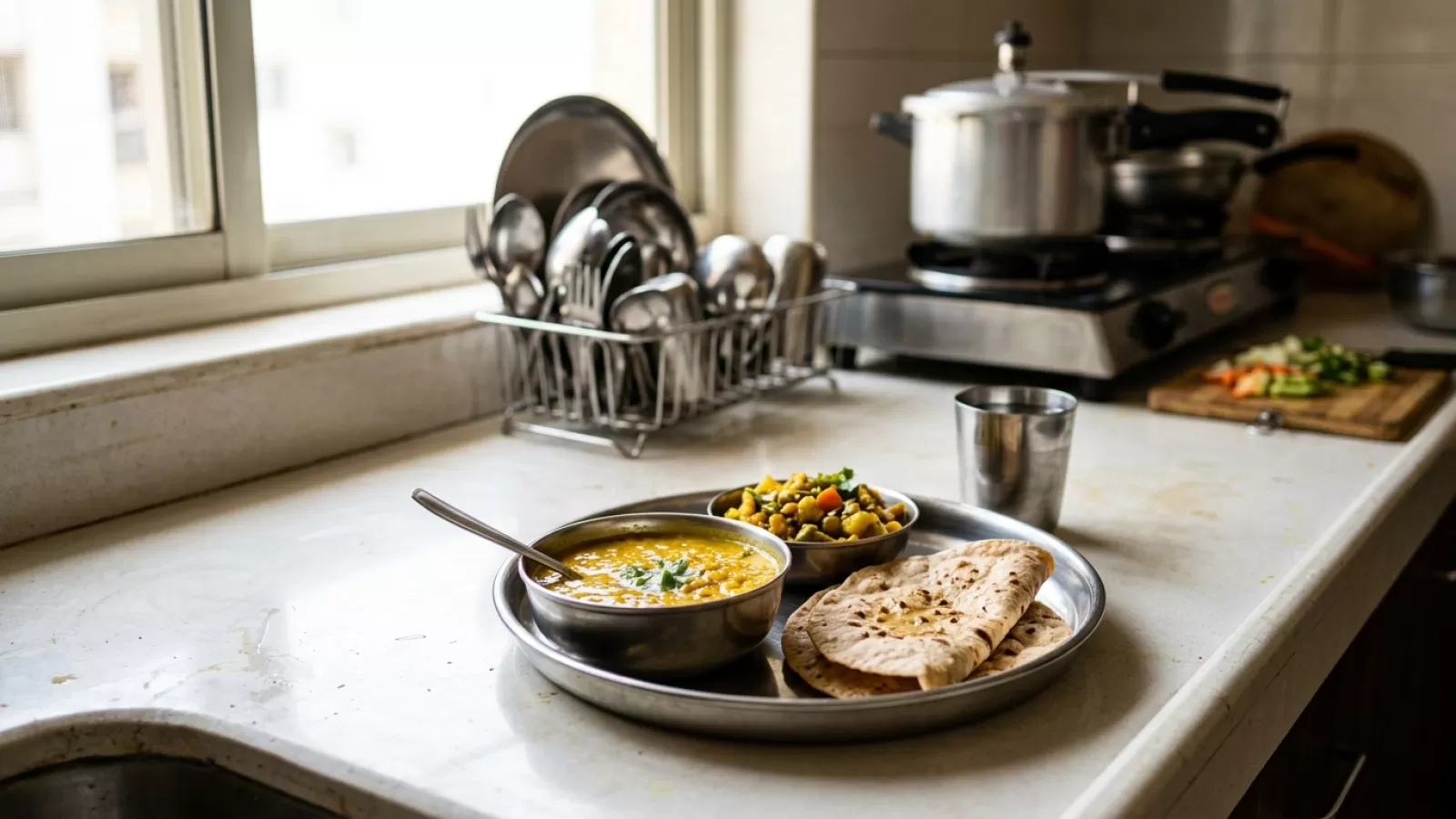
For example, many families in North India have dal, roti, sabzi as a midday staple. In the South, it might be rice with sambar or rasam, and some curd. These aren’t fancy meals. They’re steady, comforting, and easy on busy days.
Steadiness could also mean having a “go-to” lunch plan for weekdays, so you don’t have to rethink the menu every day. This can take stress off your plate—literally and figuratively.
Making Lunches Simple, Not Skipped
One common problem: Skipping lunch or replacing it with snacks. Chips, biscuits, leftover sweets—these are fine occasionally, but they don’t really help with steady energy. You’ve probably noticed, that a hurried lunch often leaves you hungry by 4 pm, reaching for more chai and namkeen.
So, what helps? Simple, quick meals using things you already have at home. A few thoughts:
- Leftover sabzi from dinner can become a filling sandwich or roll.
- Curd rice with a bit of pickle, or upma with groundnuts, are fast and satisfying.
- Even instant poha or a bowl of dal-chawal, with microwaved papad, can do the job on hectic days.
The key is to set aside 15–20 minutes, without screens or calls, just to eat. It’s easier said than done, but even a short, calm meal can help you feel more grounded for the rest of the afternoon.
Building Gentle Routines for Midday Meals
Every home runs differently, but a few gentle routines can make midday meals more regular. You don’t have to overhaul your day—small changes often work best.
- Try to eat lunch within the same 1-hour window each day. If 1–2 pm works for you, stick to it even if you’re eating alone.
- Pre-plan 2–3 simple lunch menus for the week. Rotate between them so there’s variety but no daily decision fatigue.
- If you’re working, set a lunch alarm on your phone. It’s a soft nudge in the middle of a busy day.
That said, don’t worry if things go off track occasionally. One missed meal won’t undo your efforts; what matters is the overall rhythm you build over time.
Managing Family Schedules and Preferences
In many homes, everyone’s meal timings are different. Kids return from school at 2 pm, elders may prefer to eat by noon, and working adults often eat in shifts. Coordinating all this isn’t easy.
Some families find it helpful to keep ready-to-eat items handy, like boiled potatoes, steamed rice, or a box of chapatis. This way, anyone can assemble their lunch quickly, even if everyone eats at different times.
At times, it’s okay to let go of the “everyone eats together” ideal, especially on weekdays. If you can manage one or two shared lunches a week, that’s enough to maintain a sense of togetherness without adding pressure.
Choosing Foods That Steady Your Energy
Not all foods keep you steady through the afternoon. Meals heavy in oil or sugar can leave you sluggish. It’s usually better to stick to the basics—dal, sabzi, curd, rice, rotis, a simple salad, or seasonal fruit.
Some people like adding a small bowl of dahi or chaas, especially in summer. Others find a fruit chaat or a handful of roasted chana keeps them going. The idea is to avoid feeling overfull, but not hungry either.
Gentle opinion—there’s no need for overly complicated lunch recipes. Everyday foods, made with care, are enough for most people.
What If You’re Just Not Hungry?
There are days—especially after a late breakfast or when you’re feeling low—when lunch just doesn’t appeal. This happens to many, especially seniors or those working odd hours.
Instead of skipping entirely, you could try a lighter meal: a bowl of buttermilk with murmura, a small portion of khichdi, or a fruit with some nuts. These keep your system steady without overloading your stomach.
No need to force yourself. Just aim for something gentle and nourishing, so you don’t end up too tired or irritable by evening.
Dealing With Interruptions and Last-Minute Changes
Household interruptions are part of daily life—unexpected visitors, a sudden water cut, or a last-minute errand. These can throw off your lunch plans, no matter how organized you are.
Here’s a useful habit: Keep a small stock of quick-fix ingredients. Things like roasted peanuts, curd, instant oats, or leftover rice can be turned into a meal in minutes. A banana and a glass of milk can also be lunch in a pinch.
And sometimes, you just have to laugh it off and do your best. There’s always the next meal to get back to your steady routine.
Finding Comfort in Familiarity
In the end, steady meal habits during busy midday hours aren’t about perfection. They’re about finding comfort in the familiar patterns of your home—simple foods, gentle rhythms, and the flexibility to adjust when life gets hectic.
Many Indian families have quietly managed this for generations, adapting to changing routines and busy schedules. And while it’s not always easy, it’s usually worth the small effort to look after yourself and those you care for, one steady meal at a time.
That’s really what keeps the home—and the people in it—nourished and steady through the day.