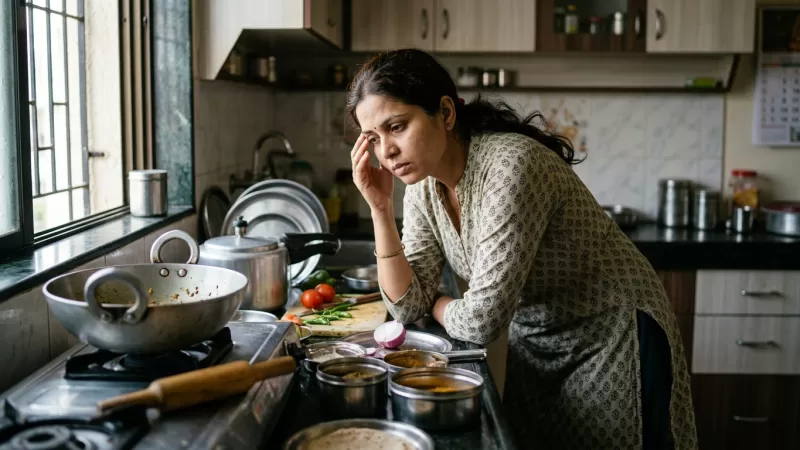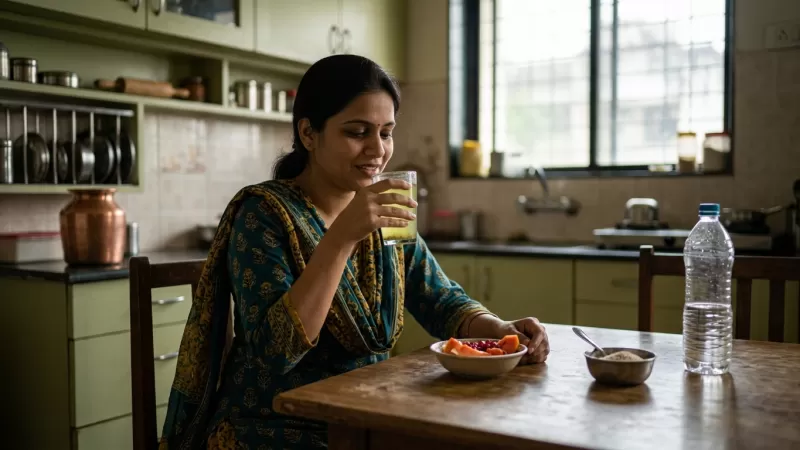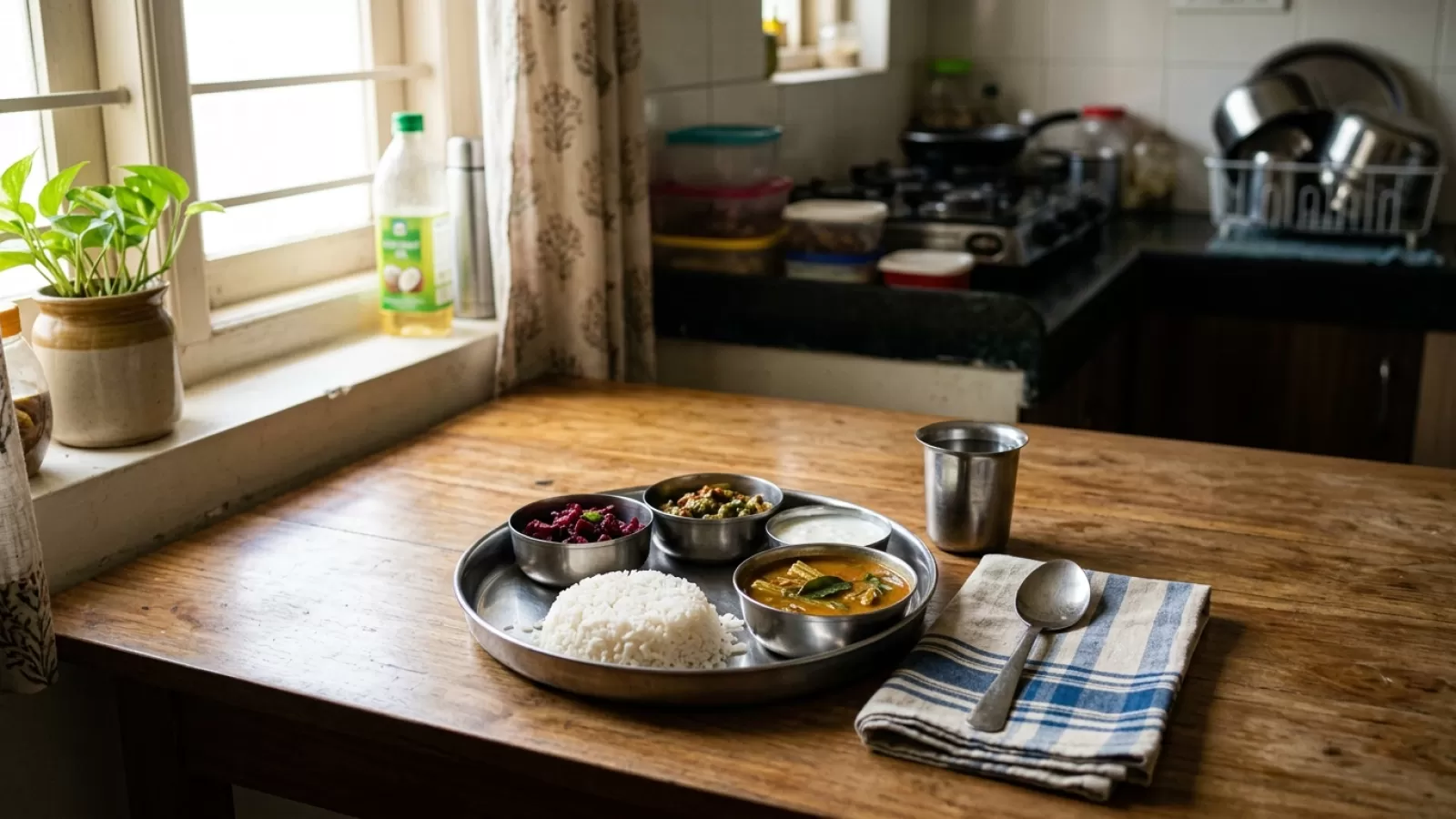
Some days you wake up feeling hungry, almost craving a good breakfast. Other days, you might look at your plate and feel no interest at all, even if it’s your favorite poha or paratha. Appetite in Indian homes often ebbs and flows—sometimes because of the weather, sometimes due to stress, and sometimes for no clear reason at all. This can be confusing, especially when you’re trying to keep yourself and your family well-fed, comfortable, and healthy. The trick isn’t to force a rigid schedule or ignore your signals, but to build steady eating habits that help you manage these ups and downs with a little more ease.
Why Appetite Changes Happen
The truth is, nobody has a perfectly even appetite every day. In many Indian homes, you’ll notice how appetite changes during different seasons—summer heat can make you want lighter meals, while winter chills seem to call for something hot and filling. Emotional factors play a role too. After a long day at work or a stressful family situation, you might feel less inclined to eat. Then there are days when you’re just hungrier than usual, and that’s normal too.
Some reasons behind uneven appetite include:
- Weather changes (hot afternoons, monsoon gloom, winter chills)
- Physical activity (busy mornings, long commutes, lazy weekends)
- Emotional swings (anxiety, excitement, sadness, or boredom)
- Sleep quality—poor sleep can throw off hunger cues
- Medications or minor illnesses (even a common cold can affect taste and appetite)
It’s easy to worry if you or someone at home skips a meal or eats less sometimes. But usually, as long as these changes don’t last too long, the body tends to find its own balance over the week.
Rethinking the "Three Meals a Day" Rule
In many Indian households, there’s this idea that everyone should eat breakfast, lunch, and dinner at fixed times, no matter what. But if you pay attention, you’ll see that people naturally adjust their eating—sometimes skipping breakfast after a late dinner or just having some chai and a rusk in the morning.
Forcing yourself or family members to eat a full meal when appetite is low can lead to discomfort, bloating, or even a sense of guilt. Instead, it helps to treat meal times as gentle guidelines rather than strict rules. If someone isn’t hungry, a small portion or a light snack may be enough until the next real wave of hunger arrives.
And honestly, many families quietly deal with this. There are days when the lunch dabba comes back half-finished, or when you find yourself picking at the sabzi rather than eating with gusto. It’s more common than it seems.
Gentle Ways to Support Steady Eating
Building steady habits isn’t about eating the same thing at the same time every day. It’s more about creating a flexible, nourishing routine that you can adjust up or down, depending on how you feel. Here are a few practical ideas:
- Keep meal prep simple: On days of low appetite, serve dal-rice, curd with roti, or a light vegetable soup. Save heavier or richer dishes for when you’re more enthusiastic about food.
- Try smaller portions: There’s no rule that you have to finish everything on your plate. Take what you feel like eating, and go back for more only if you want.
- Stay hydrated, but not overfull: Sipping water or nimbu pani through the day helps, but don’t fill up just before mealtime if you’re hoping to eat.
- Accept natural hunger cues: If you’re genuinely hungry at an odd hour, a small snack (like a handful of peanuts or homemade chivda) is fine.
The main thing is to listen to your body rather than forcing it to follow a timetable that may not suit you every single day.
Comfort Foods for Uneven Days
Everyone has comfort foods—dishes you reach for when your appetite is uneven, or you just want something easy on the stomach. In many Indian homes, comfort often means simple, familiar flavors. Khichdi, curd rice, upma, or a plain omelette with toast. These are gentle on digestion and don’t take much effort to prepare.
During illness or after a tiring day, many families naturally gravitate towards such dishes. You’ve probably noticed how elders often suggest dahi-chawal when someone isn’t feeling too well. It’s soothing, filling, and doesn’t require much chewing or spice tolerance.
There’s no harm in repeating the same easy meal a couple of times in a row if that’s all you can manage. The idea is to keep yourself nourished, not to impress anyone with variety or complexity.
Making the Most of Snacks
Here’s the catch: Snacks can be both a blessing and a trap. On days when meals feel heavy, a light snack can keep you going. But it’s easy to slip into the habit of endless munching, especially with all the biscuits, namkeen, and fried treats within reach in most Indian kitchens.
If you’re genuinely hungry, a small bowl of sprouts, fruit, roasted chana, or even a homemade besan cheela can be quite satisfying. Try to avoid the mindless snacking that happens out of boredom or habit, especially in the evenings while watching TV or scrolling on your phone.
Some snack ideas that usually work well on low-appetite days:
- Roasted peanuts or makhana
- Seasonal fruit (banana, apple, guava, papaya)
- Steamed corn with a pinch of salt and lemon
- Simple moong dal chilla with coriander chutney
- A small bowl of curd with a sprinkle of sugar or salt
Try keeping these options easy to access, so you’re less likely to reach for ultra-processed snacks just because they’re there.
Handling Family Mealtimes When Appetites Differ
Most Indian families eat together, at least for dinner or on weekends. But appetites rarely match perfectly. Children may be ravenous after play, while elders may prefer a lighter meal. Working adults might eat late or skip meals due to calls and deadlines.
The tricky part is not to push everyone into eating the same quantity or type of food. It’s okay if one person wants a full meal while another just has soup and salad. Avoid making mealtimes stressful by insisting that everyone must eat the same way.
Some gentle approaches that help:
- Offer a variety—dal, sabzi, one or two sides, so people can choose what they feel like eating.
- Encourage, but don’t force—ask if someone wants a little more, but don’t insist.
- Don’t comment on how much or how little someone else is eating—sometimes just sitting together is enough.
Over time, you’ll notice that appetites tend to balance out without much interference, as long as the environment isn’t tense or judgmental.
Festivals, Social Events, and Appetite Ups and Downs
Indian festivals and social gatherings often mean a flood of rich foods, sweets, and snacks. Sometimes you look forward to these treats, but other times, the thought of more laddoos or fried snacks feels overwhelming, especially if you’ve already eaten a big meal earlier in the day.
Here’s a gentle reminder: You don’t have to eat everything offered just to be polite. Take a small portion if you wish, or politely decline if you’re truly not hungry. Most people understand, even if they do a little friendly insisting at first.
After festivals or parties, many families naturally switch to lighter meals for a day or two—plain dal, steamed veggies, or just fruit for dinner. This is a good way to let your digestion settle and your appetite find its own rhythm again.
When Appetite Drops for Longer Than Usual
Most of the time, appetite comes and goes for a few days, and then things settle down. But sometimes, you might notice that you or a family member just isn’t eating much for a week or more. This can happen during a stressful patch, after an illness, or with age.
If this goes on, it can be worrying. The best thing you can do at home is to keep offering small, frequent, easy-to-eat meals—nothing too spicy, oily, or heavy. Focus on comfort and routine rather than pushing large meals.
Pay attention to signs of fatigue, weight loss, or weakness. If these show up, it’s wise to check in with a trusted medical professional—not to panic, but to make sure there isn’t something else going on.
For most people, though, appetite returns slowly. Patience and small acts of care—like making a favorite soup or sitting together at the table—can make all the difference.
Small Habits That Help in the Long Run
Building steady eating patterns isn’t about perfection. It’s about small, everyday choices that make life a little smoother, especially when appetite is unpredictable.
- Try to eat a little at regular times, but don’t force yourself on low-appetite days.
- Keep handy, easy foods ready—curd, fruit, boiled potatoes, eggs, chapati dough.
- Listen to your own hunger and fullness signals, rather than external pressures.
- Remember that it’s normal for appetite to change—most families go through these ups and downs quietly.
- Share meals or snacks with loved ones when possible; sometimes company helps more than food itself.
In the end, a calm and flexible approach tends to work best. Your body usually knows what it needs, even if the signals are patchy for a while.