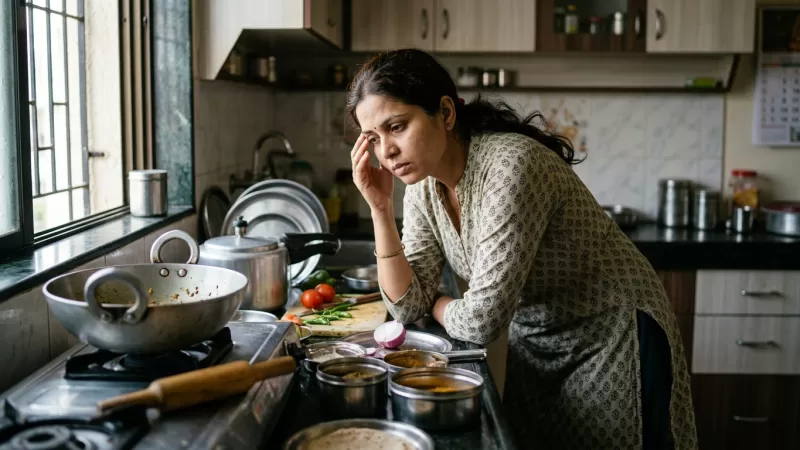
We all know how a day can quietly slip into a rhythm of chai breaks—especially at home, during work-from-home days, or even on weekends when everyone's moving in and out of the kitchen. Sometimes, these tea breaks end up replacing proper meals, whether it's because of busy schedules, scattered routines, or just the comfort of a hot cup of tea shared with family. If you've found yourself having more tea than usual and less of the usual dal-chawal-roti-sabzi, you're definitely not alone. Many Indian homes move like this, especially when the weather is nice or during festival seasons when guests are often dropping by.
Why Do Tea Breaks Often Replace Meals?
In many families, tea is more than just a drink—it's a pause, a way to connect, or simply a habit. Morning tea sets the tone for the day, evening tea marks a break after a long stretch of work, and sometimes, there's even a late-night cup when things are winding down. But on days when tea breaks become frequent, meals can get pushed aside or shrunk down to small snacks.
This happens for a few reasons:
- Boredom or stress can make us reach for a cup of tea (and maybe a biscuit) instead of preparing a full meal.
- Busy work schedules, especially for those working from home, often lead to "just chai" instead of lunch.
- During family gatherings or festivals, guests keep arriving at different times—tea is served over and over, and regular meal times shift.
- Sometimes, the weather itself encourages more chai—think monsoons or winter evenings.
The tricky part is, after a few rounds of tea and light snacks, you might not feel hungry enough for a real meal, but your body still needs real food to stay nourished.
Is It Okay to Have Only Tea and Snacks?
Honestly, almost everyone has days when meals get replaced by tea and snacks. It's not always something to worry about, especially if it's just occasional. Our bodies can handle a little flexibility.
Here's the catch, though: If this becomes a regular rhythm—tea with biscuits, namkeen, or toast instead of balanced meals—you might start feeling low on energy. Over time, it can quietly affect your mood, digestion, and how well you sleep.
Some people notice bloating or acidity after too many tea breaks and not enough real food. Others might feel jittery or tired, even if they're not sure why.
So, while nothing dramatic happens if you skip a proper meal here and there, it's usually better to find small ways to add some nourishment alongside your chai, especially on those "tea break days."
Common Tea-Time Snacks—and What They’re Missing
Most of us reach for the same snacks with tea—biscuits, rusk, namkeen, or sometimes leftover samosas or pakoras. These are easy and comforting, but they're usually low in protein and can be high in salt, sugar, or oil.
Here’s a gentle look at what often happens:
- Biscuits and rusks: Mostly refined flour and sugar. They fill you up quickly but don't keep you full for long.
- Namkeen and sev: Tasty, but high in salt and oil. Not much nutrition.
- Samosa, pakora, vada: Delicious, but heavy on oil and not something you’d want every day.
- Toast with butter or jam: Easy, but again, low in protein and vitamins.
It's not about cutting these out entirely—everyone enjoys a treat now and then. The idea is to gently add more nourishing options so your body gets what it needs, even on snack-heavy days.
Small Ways to Add Nourishment Alongside Chai
You don't have to prepare elaborate meals to eat well during busy, tea-filled days. A few small changes can make a difference, and many require only a little extra time or planning.
- Add a handful of roasted chana or peanuts to your tea tray. These bring protein and keep you fuller longer.
- Keep boiled eggs ready in the fridge. A quick egg with your tea is simple and satisfying.
- Chop some fresh cucumber, tomato, or carrot for a crunchy, hydrating snack. Sprinkle with salt and chaat masala for taste.
- Spread some hung curd or homemade chutney on toast instead of jam for a bit more nutrition.
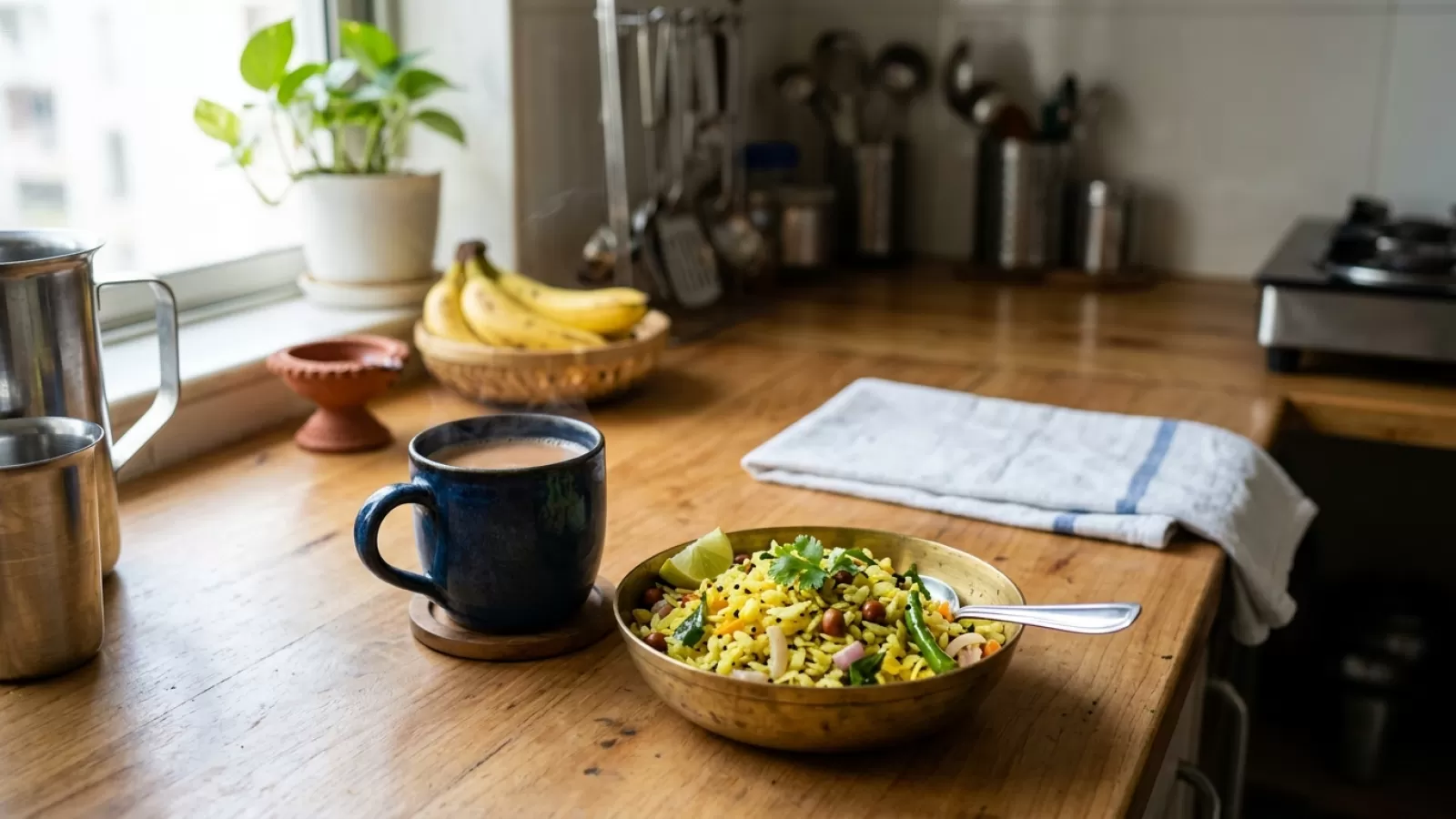
- Try murmura (puffed rice) with peanuts and a few chopped onions—a light but more balanced snack than just plain namkeen.
Even if you only manage one or two of these swaps, it's a small win for your daily nourishment.
Balancing Tea Intake—A Gentle Note
It's very common in India to have four or even five cups of tea a day, especially on slow or social days. For most adults, moderate tea is fine, but too much can sometimes cause acidity, especially if you tend to skip meals.
Some people find that strong chai (especially on an empty stomach) makes them jittery or gives them a headache. Others notice they sleep poorly if they have tea too late in the evening.
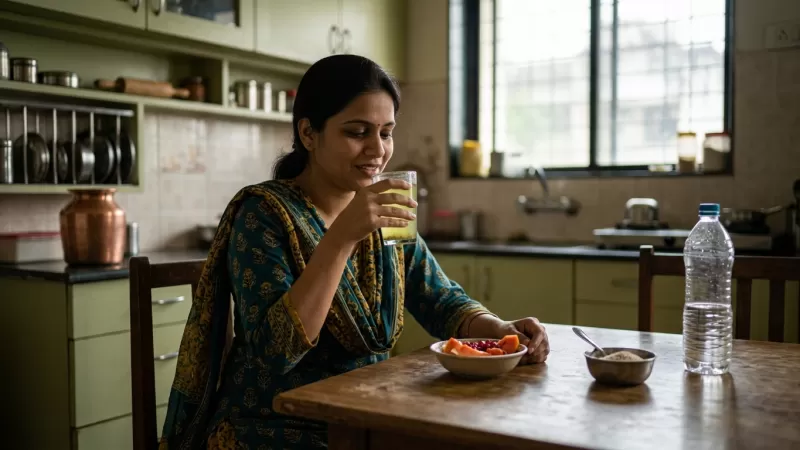
There's no strict rule here. You know your own body best. Maybe try switching one cup of chai (perhaps the late afternoon one) to lemon water, buttermilk, or plain water. During summer, a glass of chaas or coconut water can be especially refreshing.
Small steps like these can help your body feel a bit more balanced, especially when tea is flowing all day.
What to Do When You’re Not Hungry for a Full Meal
After several tea breaks, you might not feel up to a full lunch or dinner. This happens a lot, especially on relaxed weekends or when you’ve had guests over all day.
Instead of forcing yourself to eat a heavy meal, consider lighter, nourishing options. Here are a few ideas:
- Moong dal chilla or besan cheela with a bit of chutney. Quick, light, and protein-rich.
- Curd rice or poha—easy on the stomach and gentle for digestion.
- Simple dal soup with a slice of toast or a small bowl of sabzi.
- Fruit with a handful of nuts if you just want something light before winding down.
These options give your body something real to work with, without feeling too heavy or overwhelming.
How to Involve the Whole Family
Frequent tea breaks often include everyone at home—elders, kids, and guests. Sometimes, it's easy to forget about nourishment when everyone is enjoying conversation and snacks.
One gentle idea is to place a bowl of roasted peanuts, chana, or cut fruits along with the tea tray, so everyone can reach for something nourishing without thinking too much about it.
If you have children at home, encourage them to try a boiled egg or some paneer cubes with their evening tea instead of just biscuits. Over time, this becomes a habit, and everyone benefits quietly.
During festivals or gatherings, a platter of mixed snacks (some light, some more filling) helps balance things out for all ages. It's not about strict rules—just a little more thoughtfulness in what sits alongside the chai.
Gentle Tips for Days When Tea Takes Over
These days, life can be unpredictable. There will always be times when routines slip and tea becomes the main feature of the day. That's perfectly normal.
Here are a few soft reminders:
- If you notice yourself having only tea and snacks, pause and see if you can add something with a bit of protein or fresh veggies.
- Try to drink a glass of water between tea cups—it helps with hydration, especially in summer.
- Don’t feel guilty if you’ve had a snack-heavy day. Just aim for a simple, balanced meal at the next opportunity.
- If you find yourself feeling tired, irritable, or heavy, it might be your body’s way of asking for real food, not just chai and snacks.
Small changes, done gently and without stress, often last longest. And in most Indian homes, food habits are about comfort, connection, and care—so a few extra tea breaks now and then are nothing to worry about.
After all, what matters is the overall pattern, not one off day.