In many Indian homes, the idea of everyone sitting together for every meal is almost like a beautiful old photograph—warm, nostalgic, but not always possible these days. With work-from-home, evening shifts, kids’ classes, and the general unpredictability of modern life, you might notice that the dining table often stays empty at mealtimes. It’s not about lack of love or care, just that everyone’s schedules rarely match up. The good news? Nourishing yourself and your family is still very much possible, even if you rarely eat together. Flexible meal habits, when approached thoughtfully, can actually make daily life smoother and healthier for everyone.
Why Rigid Meal Timings Can Be Tough (and Unhelpful)
Let’s be honest—a perfectly synchronized family dinner is a luxury for most households these days. Many families quietly deal with mismatched shifts, late returns, or early breakfasts before sunrise. Trying to force everyone to eat at the same time often leads to rushed bites, cold food, or skipped meals. That’s not good for anyone.
The tricky part is, old habits die hard. There’s often a sense of guilt—"Shouldn’t we eat together for bonding?" or "Am I neglecting my family’s health if we eat at different times?" But in reality, healthy eating isn’t about everyone sitting down together every single day. It’s about making sure each person gets nourishing food when they need it, in a way that fits the family’s actual life.
Letting go of the need for perfect timing can actually reduce stress, especially for the main cook in the house. Meals become more about nourishment, less about strict schedules.
Flexible, Nourishing Meal Habits That Work
Here’s the heart of it: Instead of battling with routines that don’t fit, you can create a few practical habits at home that support both nourishment and flexibility. You don’t have to reinvent everything—just adjust a little.
- Batch cooking basics: Make a large amount of dal, sabzi, or rice that holds up well for several hours. This way, anyone can serve themselves a fresh, wholesome meal when they’re ready.
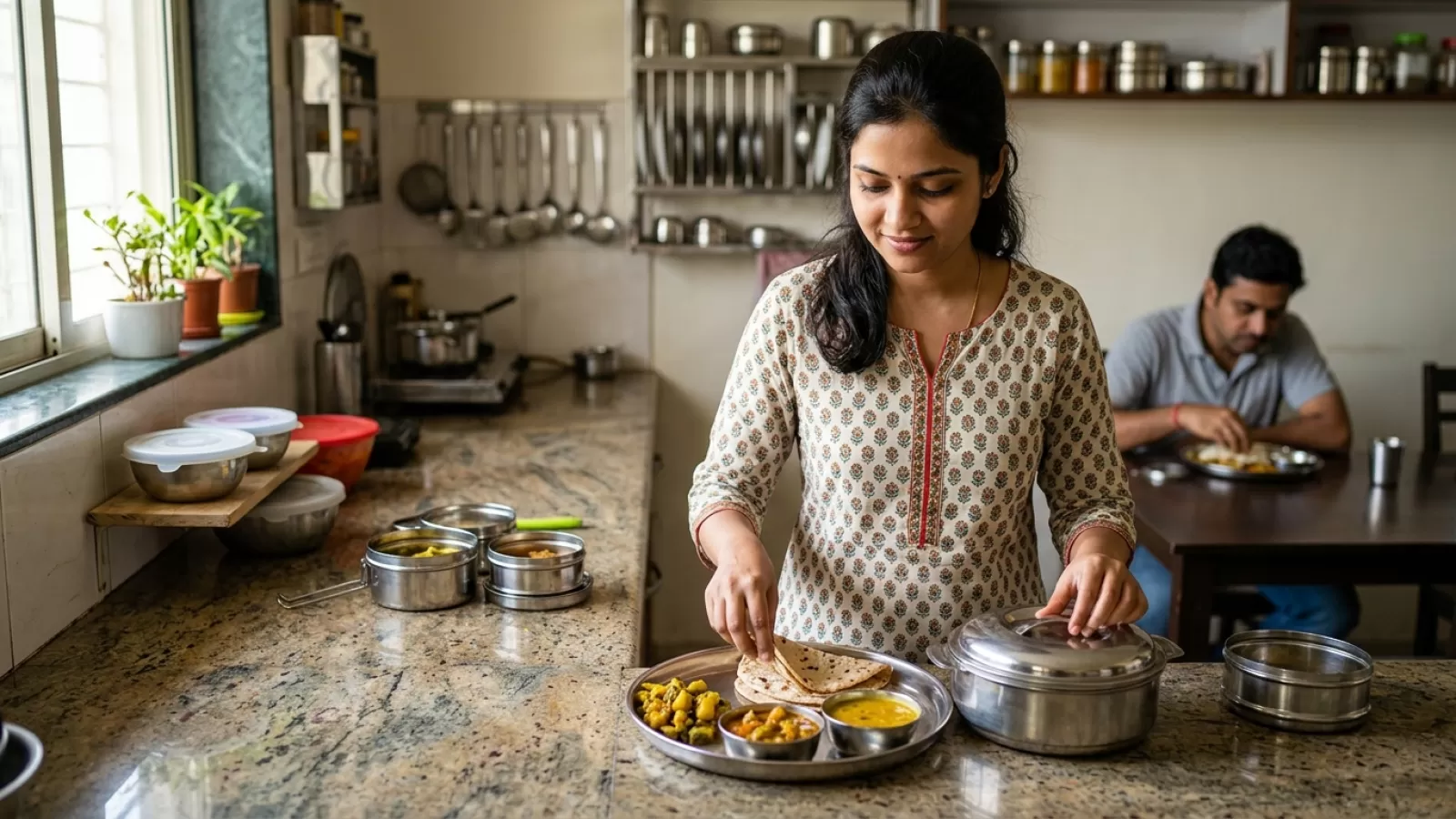
- Smart storage: Keep cooked food in insulated containers or warmers. Chapatis stay soft in a roti box lined with a cloth, and dal can be kept warm in a small cooker or thermos.
- Mini-meal kits: Prepare small containers of cut veggies, chutneys, or curd that family members can quickly add to their plate, making solo meals feel satisfying and not lonely.
In many homes, these simple habits quietly make things easier. People come and go, but the kitchen still feels welcoming and ready.
Encouraging Self-Serving Without Guilt
There’s a gentle art to letting family members serve themselves. Sometimes, there’s worry—"Will my son eat properly if I’m not there? Will Dadi feel left out if she eats alone?" But self-serving doesn’t mean neglect; it’s about trust and convenience.
Make it easy for everyone, especially elders and children, to help themselves safely. Place serving spoons where they’re easy to find. Keep snacks like fruit, peanuts, or roasted chana in open baskets. Label containers if needed—"Lunch Dal," "Evening Sabzi," "Rice." It’s a little thing, but it goes a long way.
And if someone forgets to eat, a gentle reminder or a WhatsApp message (“Your roti is in the box, don’t forget!”) can keep things running smoothly. Many families do this without fanfare.
Making Solo Meals Feel Comforting
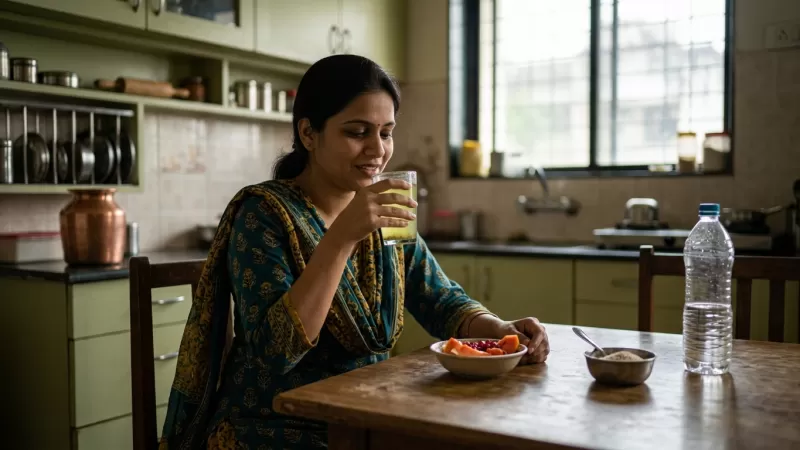
Eating alone isn’t always a sad thing. With the right touches, solo meals can feel homely and nurturing. You might notice that a cup of hot dal-chawal after a long day tastes just as good, even if the room is quiet.
Try to keep the dining space tidy and inviting, even if you’re not setting the full table. A small bowl of pickle, a glass of buttermilk, or even a flower in a cup can make a difference.
For those who really miss company, sometimes a quick video call or playing soft music while eating fills the silence. These little comforts matter, especially for seniors or anyone feeling lonely at mealtimes.
Healthy Snacking to Bridge the Gaps
When meals aren’t perfectly timed, hunger doesn’t always follow the clock. That’s where healthy snacking comes in. Instead of relying on packaged chips or biscuits, keep simple, nourishing options ready.
- Roasted makhana, murmura, or chana for crunch without heaviness.
- Seasonal fruits cut and stored in the fridge, easy to grab quickly.
- Homemade cheela, idli, or dhokla as hearty, filling snacks that double up as mini-meals.
- Plain curd or a bowl of dal with a spoonful of rice for those who need something gentle on the stomach.
You’ve probably noticed, some days the 4 p.m. snack becomes “almost dinner"—and that's okay. The point is to keep hunger at bay without always reaching for junk food.
Adapting to Changing Family Routines
Families grow and routines change. During exam season, you might see kids eating late, while elders need their meals earlier. During festivals or fasting periods, everything shifts again. That said, being too rigid with mealtimes can actually create more conflict or stress.
Allow family members to voice what works for them. Maybe one person prefers an early breakfast, another wants to skip dinner. Try not to insist on “one rule for all.” Flexibility helps everyone feel respected and cared for.
This doesn’t mean no structure at all; just a gentle framework. Maybe a loose window for meals—breakfast between 7 and 9, lunch between 1 and 3, dinner anytime before 9:30. It’s not precise, but it keeps things predictable without being restrictive.
When You Still Want Shared Moments
Even if meals aren’t shared every day, you can still create a sense of togetherness. Many families find little rituals—a cup of tea together in the evening, sharing fruit after dinner, or a weekend breakfast when everyone’s home.
These small routines can feel just as warm as a full family lunch. They give everyone something to look forward to, without adding pressure. It’s completely fine if the “together time” isn’t always at the dining table.
And sometimes, just a few minutes of chatting while reheating food or packing a tiffin can become a moment to connect. It’s often these small things that matter most, especially in busy households.
Gentle Advice for the Main Cook in the House
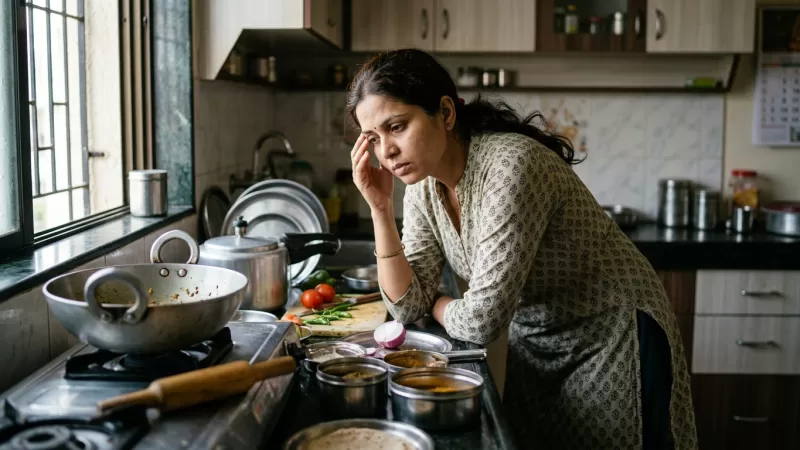
Let’s not pretend it’s always easy. If you’re the one planning, cooking, or managing meals, it’s natural to feel stretched when everyone’s schedule is different. Some days, the kitchen feels like a railway station with people coming and going.
It’s perfectly okay to simplify. Repeating dishes, freezing leftovers, or asking for help isn’t a sign of laziness. It’s just practical. If you’re tired, there’s no shame in serving up last night’s sabzi with fresh rotis, or letting everyone pick what they want from the fridge.
Take care of yourself, too. A well-fed cook is just as important as a well-fed family. If you find yourself running on empty, pause and serve yourself first, even if it’s only a quick bowl of curd rice.
Final Thoughts: Flexible Meals, Lasting Nourishment
In the end, nourishment isn’t about strict routines or perfect family photos. It’s about making sure everyone, including you, finds warmth and comfort in daily meals—no matter when or how they happen. Indian kitchens have always found ways to adapt, whether with tiffins, flasks, or a simple plate of dal and rice waiting on the stove. Flexible meal timings, practiced with a bit of planning and kindness, can be just as nourishing as any grand family dinner.
And if some days feel a bit chaotic, that’s just real life. The important thing is to keep meals practical, comforting, and open to change—because that’s what keeps everyone going.