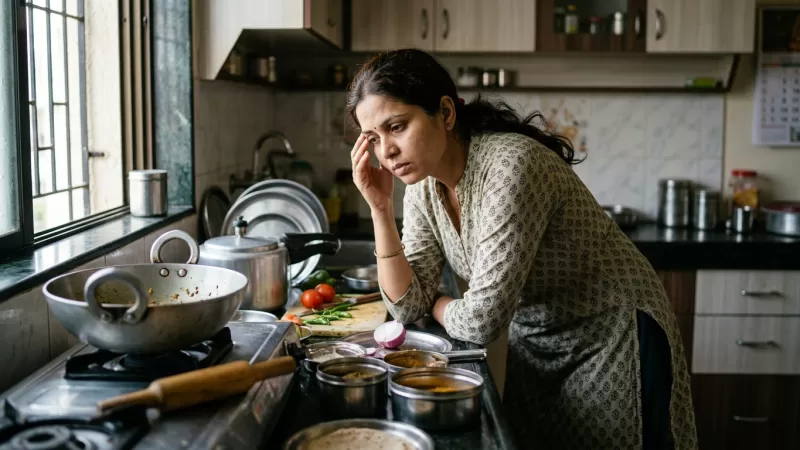
These days, many Indian homes are running at full speed—sometimes in different directions. Children have exams on odd days, adults are juggling late-night meetings or early-morning calls, and even household help can be unpredictable. In most families, the old ways of meal planning—when everyone sat together for roti and sabzi at fixed hours—just don't fit anymore. It can feel overwhelming, even unfair, when you're the one trying to keep everyone nourished. But food doesn't need to become another source of stress. With a few flexible routines, it's possible to keep everyone eating well, even when life refuses to follow a schedule.
Why Traditional Meal Planning Falls Apart
In many Indian homes, meal planning used to mean writing a weekly menu on Sunday and sticking to it—dal chawal on Monday, paratha on Tuesday, and so on. These days, that rarely works. Schedules change at the last minute: a child’s tuition class is postponed, your spouse’s work call runs late, or you come home drained after a long commute. Suddenly, the carefully planned meal feels irrelevant or even impossible.
You've probably noticed how quickly things unravel when one person’s timing shifts. The whole house waits or eats separately, and food sits out too long or goes cold. It’s frustrating. The truth is, rigid plans can add to your daily pressure instead of easing it.
There’s no shame in letting go of the old system. In fact, a more adaptable approach often leads to less food waste, fewer arguments, and smoother digestion for everyone.
Setting Flexible Food Routines: The Basics
Instead of a fixed timetable, it helps to anchor your day around general meal types and easy-to-assemble ingredients. Think of it as having a "food toolkit" rather than a strict menu. The idea is to be ready for whatever the day brings, not to force everyone into the same mold every day.
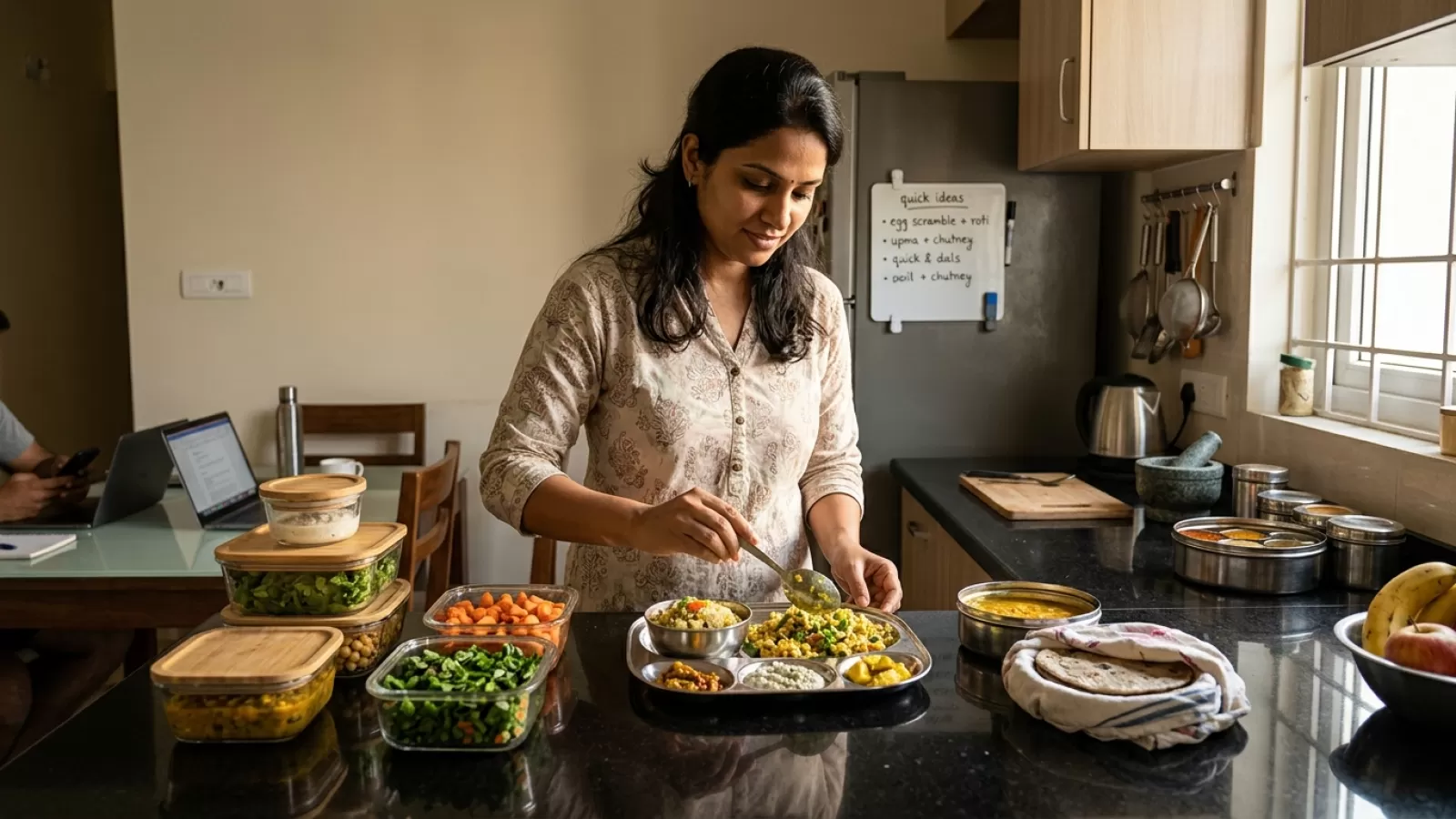
- Stock a few versatile staples: cooked rice, boiled potatoes, chopped veggies, curd, and ready-to-roast papad.
- Keep breakfast simple and swappable: poha, upma, idli batter, or leftover roti can be turned into quick options.
- Plan for mix-and-match meals: dal, sabzi, and rice can be served together, or each one can be paired with bread, salad, or even just curd.
The trick is to have building blocks ready, so you can adjust the final meal based on who’s home and when.
Timing—It’s Okay to Be Imperfect
Many people quietly worry about meal timing, especially for children and elders. You may have heard that eating late or skipping meals is unhealthy. While that’s true in the long run, life isn’t always so tidy. Some days, dinner happens at 8:30 pm. Other days, it’s closer to 10. Don’t let guilt creep in.
It’s usually better to offer something light and easy to digest if someone is eating late—curd rice, moong dal khichdi, or a bowl of soup with toast. That said, try to keep long gaps between meals to a minimum, especially for seniors or those with health conditions (but always check with a doctor for specific cases).
Most importantly, let go of the idea that every meal has to be elaborate. A simple plate—dal, rice, little sabzi—done at the right moment is often more comforting than a fancy spread eaten in a rush.
Balancing Nutrition When Schedules Are Wild
When everyone’s eating at different times, it’s easy for nutrition to slip: someone grabs only tea and biscuits, another eats just rice. Over time, this can make people feel low on energy or even upset their digestion.
Here’s a gentle way to keep meals balanced, even if no one sits together:
- Have at least one protein-rich item available: dal, chana, paneer, boiled eggs, or curd.
- Include a vegetable or salad, even if it’s just sliced cucumber or carrot.
- Don’t shy away from simple carbs like rice, roti, or poha—they fill you up and are easy to digest, especially after a tiring day.
- Keep fruit washed and ready, so anyone can grab a piece between meals.
Over a week, most people will get what they need, even if every meal isn’t perfect. If someone’s appetite seems off for several days, it may just be stress or fatigue—but if it continues, a quiet chat or a doctor’s guidance is best.
Practical Meal Ideas for Chaotic Days
Some days, you barely have time to think, let alone cook. That’s normal. It helps to have a few go-to ideas that can be pulled together in ten minutes or less:
- Khichdi variations: Moong dal khichdi is gentle on the stomach and can be made with whatever vegetables you have. Add a spoon of ghee for flavor and energy.
- Stuffed paratha and dahi: Use leftover aloo, gobhi, or even dal as filling. Serve with curd and pickle.
- Vegetable upma or poha: Quick, light, and filling. Toss in peas, carrot, or onion for a nutritional boost.
- Curd rice: Especially in summer, this is cooling and easy to digest. Add pomegranate or grated carrot for color and taste.
- Egg bhurji or paneer bhurji: Pairs well with bread or roti, and cooks in a flash.
None of these require perfect timing or a full kitchen staff. They’re forgiving—just like a flexible routine should be.
Handling Leftovers: Your Quiet Ally
Leftovers sometimes get a bad name, but in busy Indian households, they’re a quiet blessing. Many families already rely on last night’s dal for today’s lunch or turn extra sabzi into a fresh paratha filling. This is not just practical—it’s wise.
If you plan a little, leftovers can be transformed and enjoyed, not merely tolerated. Some gentle tips:
- Store cooked food in smaller containers so it’s easy to reheat only what’s needed.
- Make quick parathas from leftover sabzi. Just mash, mix with atta, and roll out.
- Use rice from one meal to make lemon rice or fried rice for another.
- Leftover dal can become a base for soup or a light curry with added vegetables.
This way, you save time and reduce waste, while everyone still gets something nourishing—even on the craziest days.
Making Peace with Meals on the Move
In many homes, meals now happen at the desk, in the car, or even during a quick break between online meetings. It’s not ideal, but it’s reality for a lot of working professionals and students. Instead of fighting this, sometimes it’s better to make it work for you.
- Keep portable options ready: roti rolls, stuffed paratha, idli, or banana with peanuts.
- For those who must snack at odd hours, keep roasted chana, murmura, or trail mix handy.
- Encourage at least one meal a day—maybe breakfast or dinner—where screens are off and everyone pauses, even if just for ten minutes.
No need to feel guilty if every meal can’t be shared at the table. Even small moments of connection matter, and your efforts to keep everyone cared for do add up, even if no one says it out loud.
Gentle Reminders for Your Own Well-being
Amidst all the running around, it’s easy to forget your own nourishment. Many homemakers and working parents end up eating last, or even skipping meals when the day gets out of hand. Over time, this wears you down.
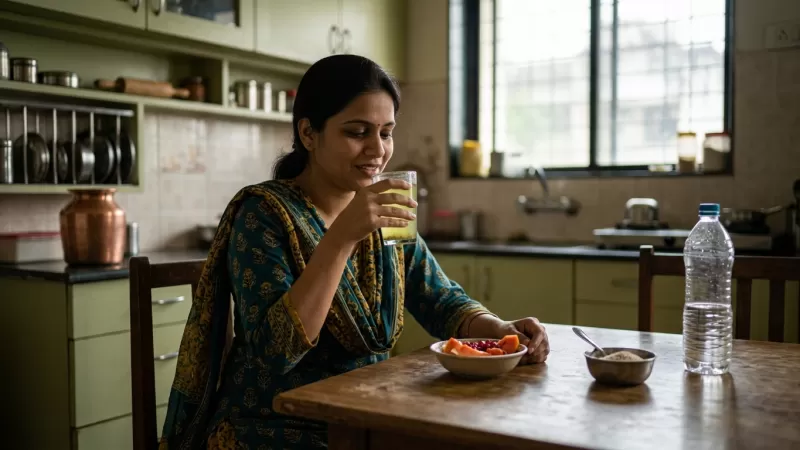
So here’s a small reminder: you matter too. Keep a bottle of water nearby, eat a fruit or handful of nuts when you can, and don’t hesitate to sit down with a cup of chai or a simple meal—even if the house is still buzzing.
It’s not selfish; it’s practical. After all, you can’t pour from an empty cup.
Adjusting Expectations and Finding Your Own Rhythm
Finally, remember that no routine fits every home or every season. Summer brings school holidays and different appetites; winter evenings might call for early dinners and warm halwa. Festivals, guests, and even power cuts can throw off the best-laid plans.
That’s okay. The goal isn’t to win an award for perfect meal planning. It’s to keep everyone reasonably nourished and calm, day after day, in a way that suits your unique family and life stage.
Some days will be smooth, others messy. If you’re doing your best to keep food routines flexible and caring, that’s more than enough. Most families, quietly and imperfectly, manage just that.