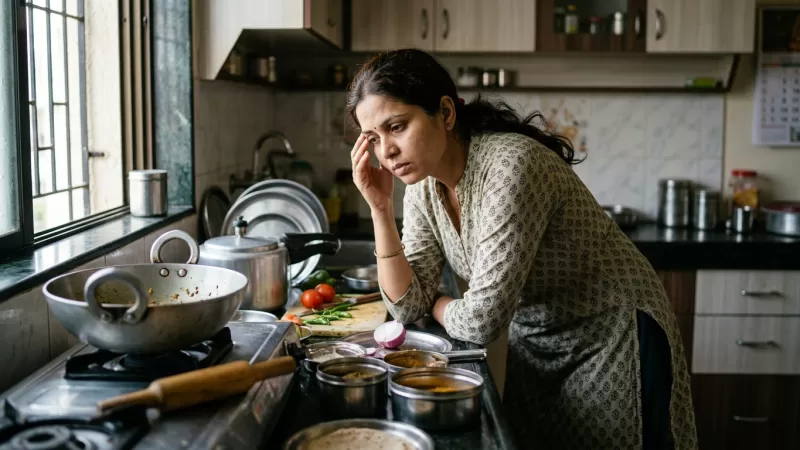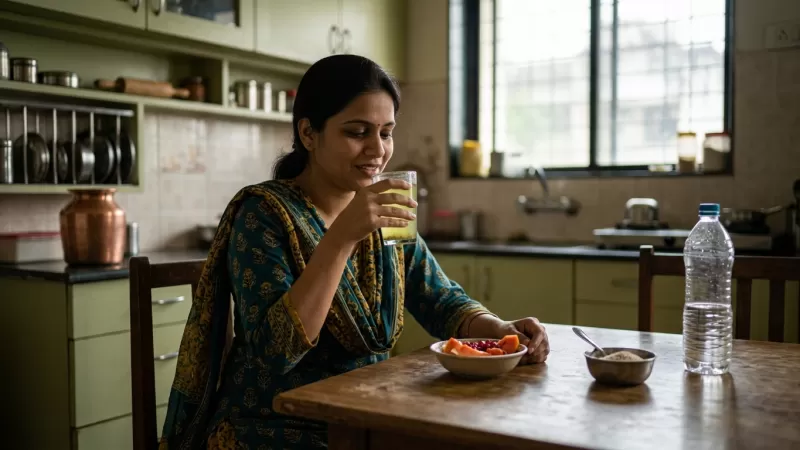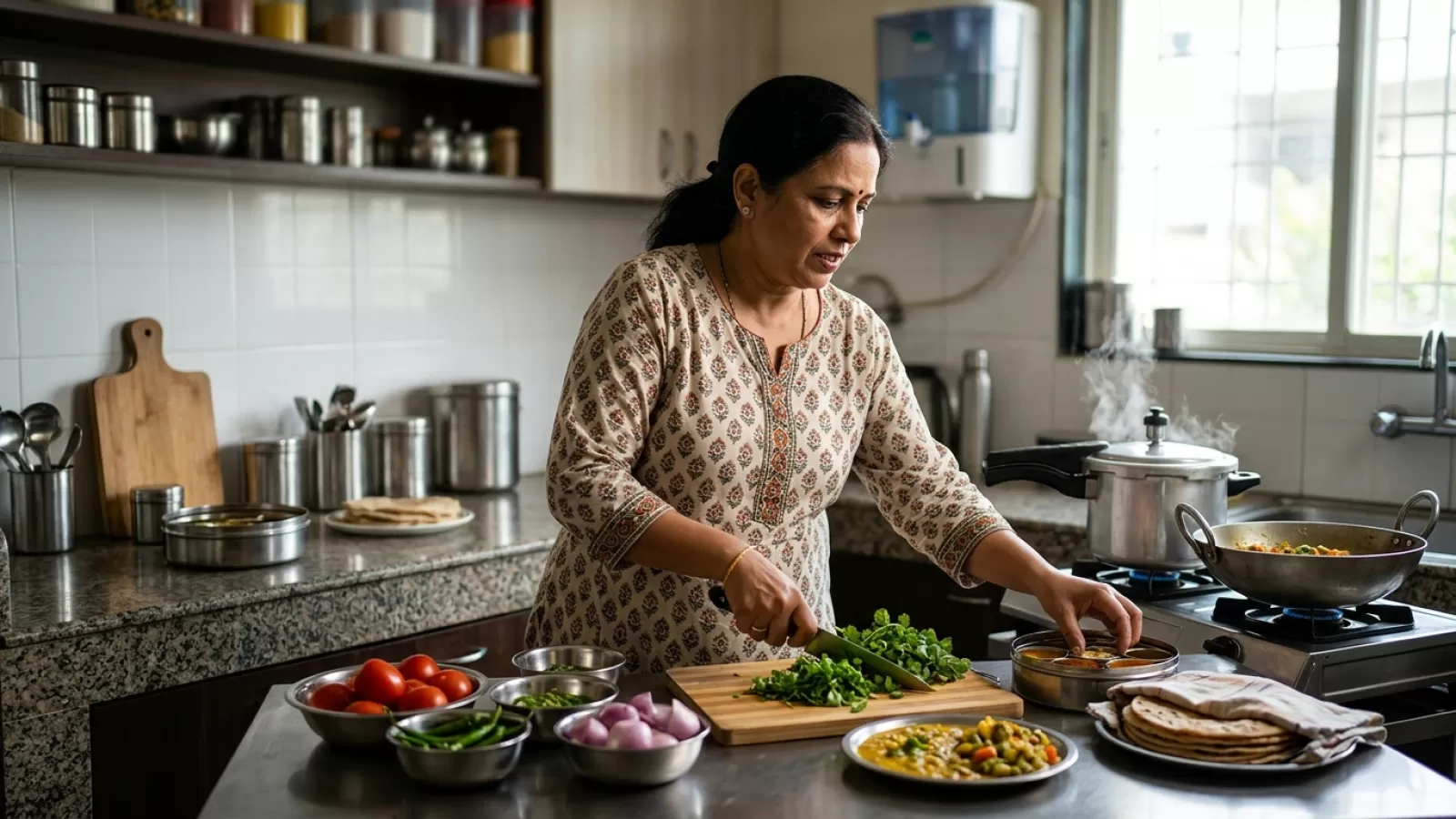
Most Indian homes know the feeling: you look at the clock, realise it’s already 7:30 pm, and everyone’s hungry. In the rush to finish work, handle chores, and care for family, food often becomes just another task to tick off. And when you’re pressed for time, it’s tempting to grab whatever’s quick or to skip meals entirely. But here’s the thing—eating in a hurry doesn’t have to mean letting go of nutrition. With some practical habits and a bit of gentle planning, you can keep meals balanced and nourishing, even on the busiest days. Let’s talk about how you can do this in a real, everyday way.
Why Rushed Cooking Often Means Poor Nutrition
When you’re racing against the clock, the first thing to go is usually variety. You might end up making just plain rice, or toast, or instant noodles. There’s nothing wrong with these foods once in a while, but they don’t bring much nutritional balance on their own.
Many families quietly deal with this—one-pot meals, skipping vegetables, or eating only what’s left in the fridge. The tricky part is, these habits repeated every week can leave you feeling low on energy, especially if your days are long and demanding.
It’s not just about missing nutrients. Rushed meals can also mean more processed foods, extra oil, and less fibre, which don’t always leave you feeling your best. These days, with work-from-home or late meetings, this sort of eating happens more often than we’d like to admit.
Fast, Familiar Foods That Don’t Compromise on Nutrition
Fortunately, Indian kitchens are full of ingredients that cook quickly and still give you a fair amount of nutrition. You don’t need anything fancy. Here are some examples you might already use:
- Moong dal: Cooks in 15–20 minutes and is gentle on the stomach.
- Besan (gram flour): For quick cheelas or puda—just mix with water, veggies, and spices.
- Pre-cut mixed vegetables: Many stores offer these now, or you can chop and freeze your own during weekends.
- Curd: Ready to eat, works as a side or base for raita, and adds protein and calcium.
- Whole wheat bread or rotis: If you’ve got leftover rotis, you can make quick wraps or roll-ups.
Even if you’re only tossing together two or three things, you can still aim for a little protein, some fibre, and maybe a bit of healthy fat. It doesn’t have to be perfect. That’s important to remember.
Simple Meal Pairings for Busy Nights
On rushed days, the goal is to make sure you’re not just eating carbs. Here are a few combinations you can assemble quickly, using what’s usually around in Indian homes:
- Rice + dal + curd: A comforting, balanced plate that takes little time if you use a pressure cooker.
- Roti + leftover sabzi + a boiled egg or some paneer: You can add salad or chutney if there’s time.
- Besan cheela + tomato-onion salad + curd: Packs protein and fibre, ready in 10–15 minutes.
- Vegetable upma or poha + peanuts: Quick to cook, especially if you keep vegetables ready.
Most of these can be put together while the tea is brewing or while you’re tidying up the kitchen. You don’t need to reinvent the wheel—just add a small protein or fibre boost where you can.
Make-Ahead Habits That Save You on Hectic Days
Here’s the catch: a little bit of planning can make rushed cooking much less stressful. But that doesn’t mean spending hours meal prepping like you see on the internet. In reality, it could be as simple as:
- Chopping extra onions, tomatoes, or greens and storing them in the fridge for 2–3 days.
- Boiling a batch of potatoes or eggs ahead of time.
- Keeping roasted peanuts or chana handy for snacks or quick meal additions.
- Freezing small portions of cooked dal or sabzi for emergency use.
These small steps, done when you have a little extra time (maybe on a Sunday afternoon or after dinner), can really help. You might be surprised how much easier dinner feels when the tricky part—like chopping or boiling—is already sorted.
How to Keep Stress Low When Cooking in a Rush
It’s easy to get flustered when you’re trying to cook fast, especially if family members are waiting or you’ve just finished a tiring day. A few things can make this easier:
- Keep your kitchen counter uncluttered. It sounds simple, but when things are in their place, you move faster and feel less stressed.
- Decide what you’re making before you start, even if it’s just in your head. Jumping between ideas can waste time and energy.
- If you live with family, let someone help with easy tasks—setting the table, chopping, or even just making the salad.
Some days will still feel rushed, and that’s okay. If you need to take a breath and slow down for a minute, do that. Many people forget, but your own calm matters just as much as the food on the plate.
Quick Ways to Add Nutrition Without Complicating Cooking
On rushed nights, adding nutrition doesn’t have to mean extra cooking. Sometimes, it’s just about having a few small things ready to sprinkle or stir in:
- Throw a handful of spinach or methi leaves into dal or sabzi while it’s cooking.
- Add soaked peanuts or roasted seeds (like pumpkin or sunflower) to poha, upma, or salads.
- Keep a small bowl of grated carrot, cucumber, or beetroot for a quick salad or raita base.
- Mix curd with chopped onions and coriander for an instant side that feels fresh and cooling, especially in summer.
Most of these can become a habit if you keep the ingredients ready in your fridge or pantry. Over time, these little additions can make rushed meals feel a bit more complete.
Handling the Guilt of Not Cooking “Properly”
In many Indian homes, there’s this quiet pressure—meals should be elaborate, with multiple dishes, fresh rotis, and at least one sweet or chutney. But on busy days, it’s just not practical. And honestly, that’s okay.
You’ve probably noticed that children, partners, and even elders mostly care that the food is tasty and filling, not that it’s a perfect thali. If you’re feeding yourself or your family with the best you can manage, you’re already doing enough.
So if dinner is dal-chawal and achar, or just roti with leftover sabzi, let yourself off the hook. Perfection isn’t the goal—consistency and some balance are usually more important in the long run.
Making Peace With Occasional Quick Fixes
Let’s be honest. Sometimes, there will be days of packet noodles, bread-omelette, or a quick dosa from the neighbourhood tiffin centre. That’s part of modern life, especially in cities where time slips away so easily.
What matters is not making these the norm. If most of your meals are homecooked, with a little attention to balance, the occasional shortcut isn’t a problem. Try to notice how you feel after these quick fixes—if you’re often left hungry or tired, it might help to add a banana, some curd, or a handful of nuts alongside.
In the end, rushed cooking is something almost every Indian household faces. It’s not always easy, and it’s never perfect, but with a few small habits, you can keep nutrition on track without adding to your stress. That’s all most of us are really looking for.