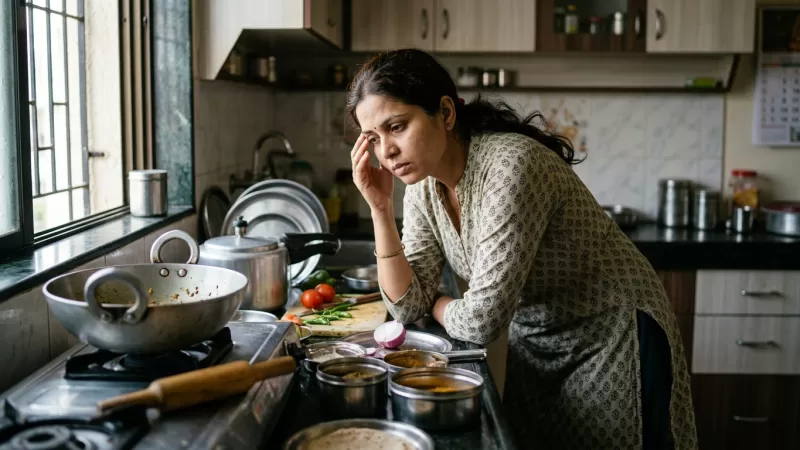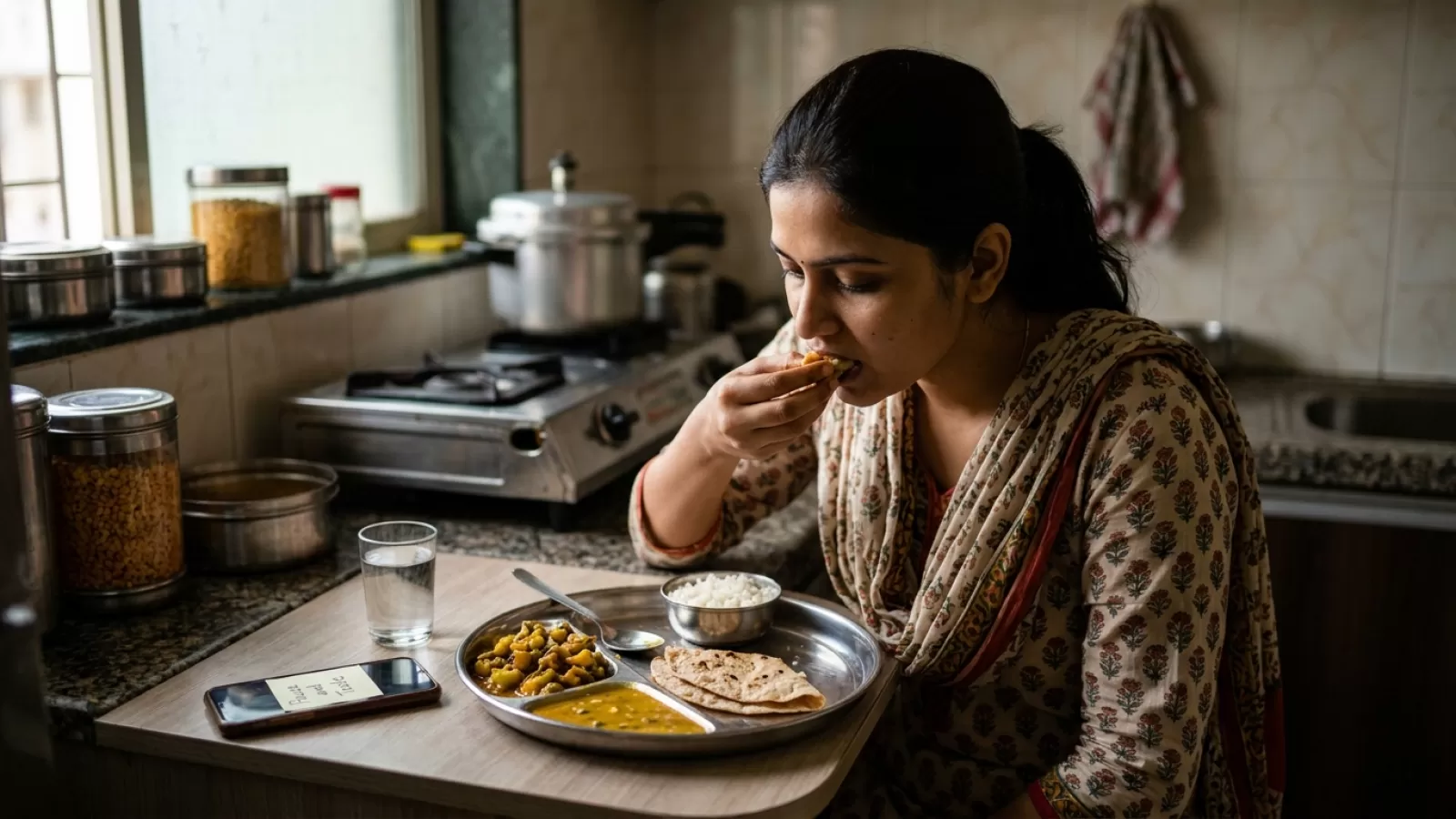
In many Indian homes, meals often happen in a rush. Maybe you’re squeezing in breakfast before the school bus. Or perhaps lunch is just a quick bite between endless video calls, with dinner sometimes eaten while catching up on TV or WhatsApp messages. It’s common, and you’re definitely not alone. But eating quickly, without much thought, tends to leave us feeling unsatisfied, heavy, or strangely tired soon after. If you’re looking for ways to slow down a little and enjoy your meals more—without needing an hour of peace and quiet—these mindful eating tips might just fit into your daily routine.
Why Do We Eat So Fast These Days?
Let’s be honest—modern Indian life doesn’t pause for a leisurely thali. Mornings are a blur of packing tiffins, getting ready, and maybe gulping down chai. Office-goers often eat at their desks, while homemakers munch between chores. Even seniors, who may have more time, sometimes eat quickly out of habit or a desire not to "bother" anyone.
All this rushing is easy to understand. Our schedules are packed, and food can feel like just another to-do. But there’s a catch: eating fast tends to upset digestion, make us overeat, and zap our energy. You’ve probably noticed that heavy feeling after wolfing down a plate of rice and dal, or the way you crave snacks soon after a hurried meal.
It’s not about guilt, though. Life is busy. Instead, it’s about finding small, realistic ways to eat more mindfully, even when time is tight.
What Is Mindful Eating (and What It Isn’t)
Mindful eating isn’t about perfection. You don’t need to sit cross-legged in silence or chew each bite 32 times (unless you want to!). In Indian homes, eating is often a social, noisy, and sometimes chaotic affair—and that’s perfectly fine.
At its heart, mindful eating simply means paying attention to your food and your body—just a little more than usual. It’s about noticing what you’re eating, how it tastes, and—most importantly—when you feel satisfied.
Here’s what mindful eating can look like in daily life:
- Eating with fewer distractions (at least for a few minutes)
- Taking a moment to look at your food before starting
- Noticing the flavours, textures, and smells
- Checking in with yourself: Am I hungry, full, or just bored?
That’s it. No fancy rules or rituals needed.
Simple Ways to Slow Down (Even a Little)
The tricky part is, most of us don’t have endless time to linger over every meal. That said, you can still slow down in small, practical ways without disrupting your day.
A few gentle strategies that fit into Indian routines:
- Put down your spoon or roti between bites. It sounds simple, but this tiny pause can help you savour and chew a little more.
- Start with a sip of water or a deep breath. Just pausing for a second before diving in makes a surprising difference.
- Notice the first bite. Pick one food—maybe the sabzi or chutney—and really taste it for a moment before moving on.
- Eat with family or friends when possible. Conversation tends to slow you down, and shared meals are often more enjoyable.
Remember, it’s not about slowing down every meal. Even once a day, or a couple of times a week, can help.
Managing Distractions (Without Going Silent)
Let’s face it: in many homes, eating with the TV on, scrolling through Instagram, or chatting on the phone is normal. Complete silence isn’t realistic—or even desirable—especially when mealtimes are a chance for connection.
Still, too much distraction often means we barely register what or how much we’re eating. If you’re hoping to be more mindful, try these ideas:
- Turn off the TV for the first five minutes of your meal. You can always switch it on later, but those first few bites are worth noticing.
- Keep your phone away from the table (or at least out of your hand). Even a few minutes makes a difference.
- Encourage family conversation about the food itself. Ask what everyone likes about today’s dal, or share a memory about a favourite dish.
It’s about balance. Some days will be noisier or busier than others, and that’s okay.
Paying Attention to Hunger and Fullness
In Indian homes, it’s common to serve generous portions—and sometimes, we eat what’s on our plate just because it’s there. But many families quietly deal with the discomfort that comes from overeating or eating out of habit instead of hunger.
Mindful eating encourages you to check in with your body now and then. Are you actually hungry, or just eating because it’s lunchtime? Are you starting to feel full, or could you stop after a few more bites?
A few practical ways to notice hunger and fullness, without making it a big deal:
- Pause halfway through your meal—just for a few seconds.
- Ask yourself, "Do I need more, or am I satisfied?"
- If you’re full, it’s fine to save the rest for later. Most Indian foods reheat well—dal, sabzi, even rice.
This isn’t about wasting food, but about respecting your body’s signals. Over time, it gets easier.
Enjoying Familiar Indian Foods—Mindfully
You don’t need fancy recipes or imported ingredients to eat mindfully. In fact, our everyday Indian foods are perfectly suited for this approach. Think about the comfort of soft rotis, the spicy-sour burst of homemade pickles, or the soothing warmth of a simple dal. There’s a reason these foods have lasted generations—they nourish both body and mind.
One gentle opinion: sometimes, we overlook the beauty of our own meals when we’re rushing or distracted. Taking a moment to enjoy the steam rising from hot rice or the crunch of a fresh salad can add a bit of pleasure to even the busiest day.
If you have helpers or family members who cook, maybe thank them aloud. Gratitude is its own form of mindfulness, and it tends to make meals more meaningful.
Making Mindful Eating Work in Busy Indian Life
Here’s the reality: not every meal will be slow or peaceful. Kids will fuss, phones will ring, and sometimes you just need to eat and move on. That’s normal.
Instead of aiming for perfection, try to create small mindful moments whenever you can. Maybe it’s just breakfast chai enjoyed by the window, or a few thoughtful bites of lunch before you get back to work. Even sharing a simple joke over dinner counts.
For those who pack tiffins or eat at their desk, consider closing your laptop for five minutes or eating near a window if possible. Small changes can make meals feel more restful, even on the busiest days.
- Prepare or pack one item you genuinely enjoy (a small piece of jaggery, a favourite chutney) as a treat.
- Use a real plate or bowl, even at work, instead of eating from packaging.
- Set a loose "no multitasking" rule for the first few minutes of any meal.
Some days, none of this will happen—and that’s fine too.
Dealing with Guilt and Setbacks
One thing that quietly bothers many people is guilt—about eating too quickly, making unhealthy choices, or not being "mindful enough." Here’s something worth remembering: mindful eating isn’t another item to stress over or judge yourself about. It’s just a gentle way to pay a little more attention, when you can.
If you slip into old habits, or a stressful day throws everything off, that’s perfectly normal. Indian homes are full of ups and downs, and so are our routines. Be kind to yourself. Try again tomorrow if you feel like it, or just do what you can.
After all, meals are about nourishment, comfort, and sometimes just getting by. A little mindfulness can help—but it doesn’t need to be perfect.
Small Steps for a More Satisfying Mealtime
To sum up, mindful eating isn’t about slowing every meal to a crawl. It’s about weaving in small, thoughtful habits that work for your life—whether you’re feeding a joint family, eating alone, or balancing work and home.
- Pause for a breath or a sip of water before meals
- Put down your spoon or roti between bites
- Notice the taste and texture, even briefly
- Check in with your hunger and fullness, without judgment
- Thank those who prepare your food—yourself included
Try one or two of these this week, and see how you feel. Even a little more attention can make daily meals a bit more nourishing and enjoyable—without demanding more time than you have.