Every morning in many Indian homes, the same story repeats: alarms go off, everyone is in a hurry, and breakfast often becomes the first casualty. Whether you’re squeezing into a crowded Metro, catching a rickshaw, or simply trying to beat the office rush, finding time for a proper meal can feel impossible. But skipping breakfast leaves you sluggish, unfocused, and, honestly, just a bit cranky by mid-morning. Let’s talk about simple, portable breakfast ideas that actually fit into a rushed Indian commute—without fancy ingredients or extra stress.
Why Breakfast Gets Skipped So Often
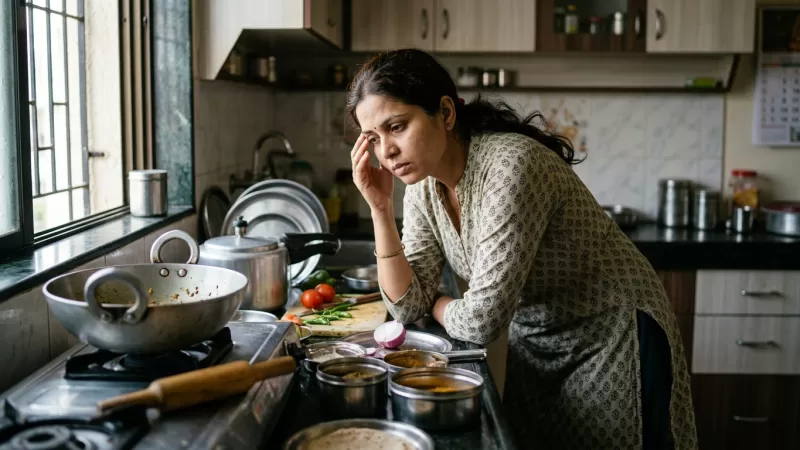
You’ve probably noticed that mornings seem to get shorter as life gets busier. Especially in cities, the time between waking up and heading out the door seems to fly by. There’s tiffin to pack, kids to get ready, last-minute chores, and that never-ending to-do list. After all this, sitting down at the table with a hot plate of poha or upma feels like a luxury from another time.
But here’s the catch: when you skip breakfast, you’re not just missing a meal. Most people end up overeating later or reaching for junk food because they’re starving by mid-morning. Energy dips, mood swings, and headaches are common stories. It’s something many families quietly deal with, especially on busy weekdays.
So, what can you do when a slow, peaceful breakfast isn’t realistic? The answer is to think portable, not perfect. A little preparation goes a long way here.
What Makes a Good “On the Go” Indian Breakfast?
It’s tempting to just grab a packet of biscuits or namkeen, but those rarely keep you full for long—and they often leave you thirsty and unsatisfied. A portable breakfast works best when it checks a few boxes:
- Easy to carry (no leaking, no mess)
- Quick to make or pack (ideally the night before)
- Filling enough to last till lunch
- Familiar, everyday ingredients—nothing fancy or expensive
Sometimes, it’s just about assembling the right things together, rather than cooking something new from scratch every day.
Classic Indian Foods That Travel Well
Some traditional Indian breakfasts were practically made for travel. If you look around, you’ll spot office-goers munching these on trains, buses, and even between meetings:
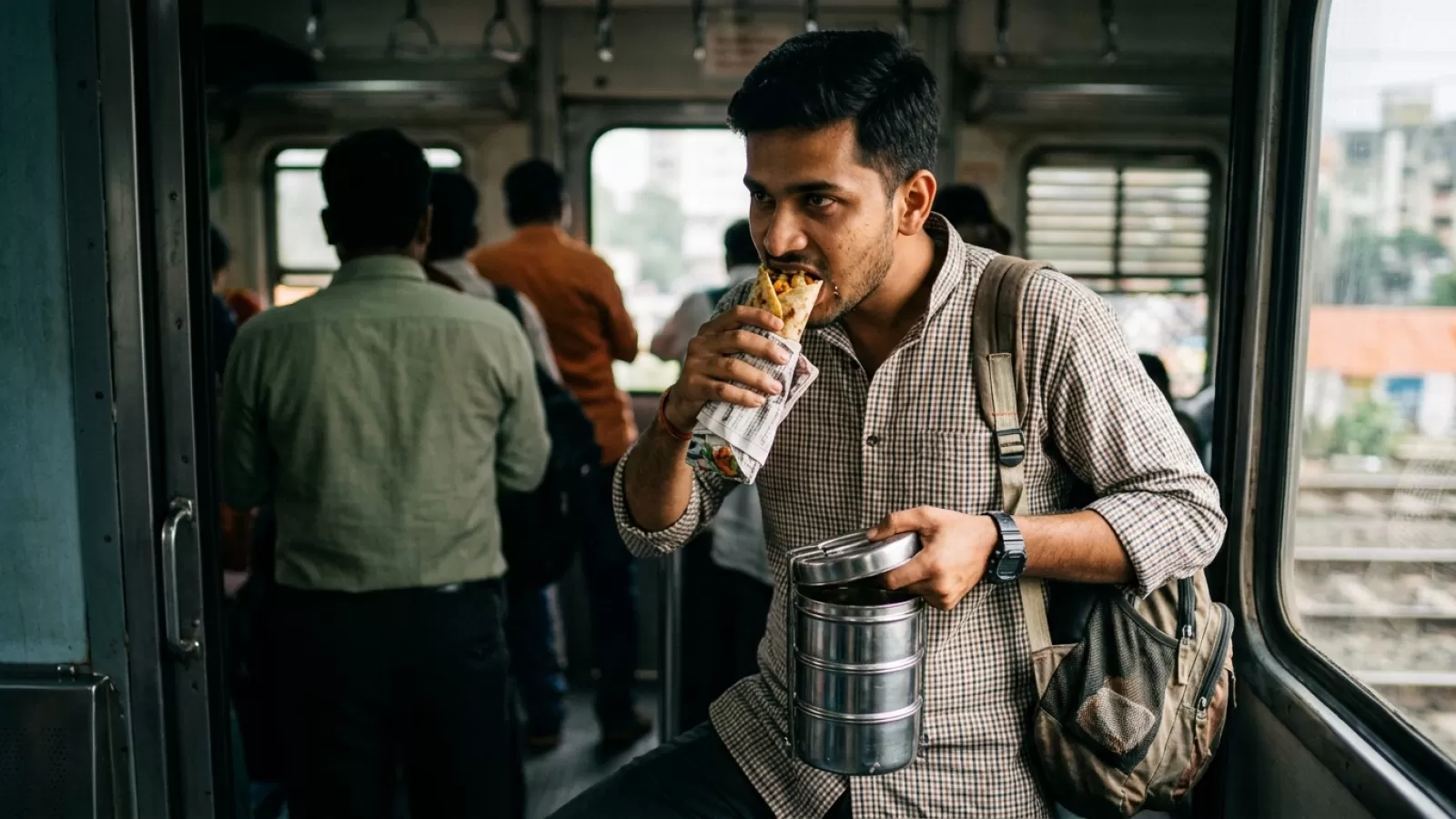
- Thepla/Paratha Rolls: Gujaratis have known this secret for ages. Roll up a thepla or leftover paratha with some dry sabzi or pickle. Wrap in foil or a clean cloth, and you’re set.
- Idlis: Steamed and compact, idlis rarely make a mess. You can pack them with a dry podi (spiced powder) instead of chutney to avoid leaks. Even cold, they’re soft and filling.
- Chilla Wraps: Besan (gram flour) chillas, folded with some veggies or paneer, can be rolled up and eaten on the go. They’re quick to make and don’t dry out easily.
- Stuffed Buns or Pav: In many homes, leftover sabzi finds its way into a pav or bun in the morning. It’s not fancy, but it does the job.
These foods aren’t just convenient—they’re also a little reminder of home, even when you’re rushing through the city.
No-Cook, Zero-Fuss Breakfasts for Truly Hectic Mornings
Some days, you just can’t manage even ten minutes in the kitchen. If you’re nodding along, you’re not alone. Here are ideas that come together in less than five minutes and require little to no cooking:
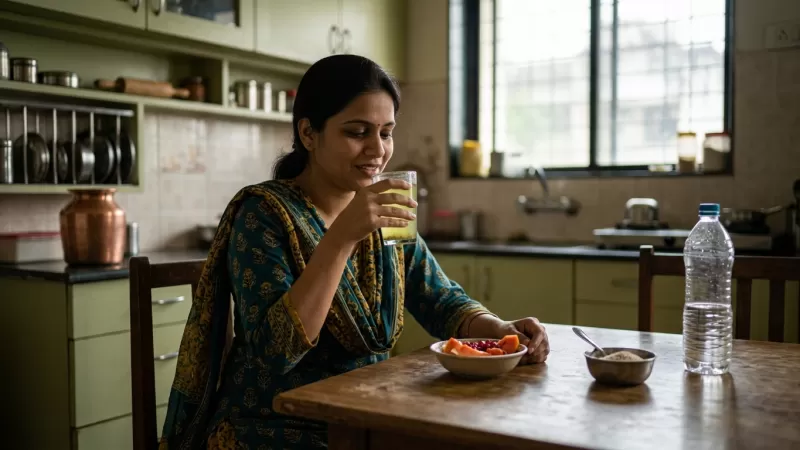
- Fruit and Nut Mix: A banana, a handful of almonds or peanuts, and maybe a small packet of raisins. Not glamorous, but it works in a pinch.
- Homemade Dahi (Curd) Cups: Fill a small steel dabba or reusable container with dahi, add some chopped fruit or a spoon of homemade chutney. Eat with a spoon or even drink it down.
- Milk and Roasted Makhana: A handful of makhana (fox nuts) with warm milk in a flask. It’s light, but surprisingly filling.
- Peanut Butter Toast: Spread some peanut butter on whole wheat bread or roti, fold, and go. Not traditional, but quite popular in many homes these days.
On tough mornings, even a couple of these can prevent that empty-stomach headache till lunch.
Smart Storage and Packing Tips
The real trick with on-the-go breakfasts is avoiding spills, leaks, and soggy messes. Over the years, people have quietly figured out little hacks that make a big difference:
- Use cloth napkins: Wrapping parathas or rolls in a clean cloth keeps them soft and absorbs any oil.
- Steel dabbas with tight lids: These are still the gold standard in most Indian homes. They’re reliable and don’t leach chemicals like some plastics.
- Insulated flasks: Good for keeping milk or porridge warm if you leave early for work or college.
- Small containers for dry chutneys: Instead of liquid chutneys or sambhar, dry podis or dry coconut chutney are less messy for dipping idlis or dosas.
It’s not always perfect. Now and then, a bag will get stained or a dabba will open unexpectedly. But with a bit of trial and error, you’ll find what works for your daily routine.
Make-Ahead Ideas for the Night Before
Evening preparation can save precious minutes in the morning. In many families, this has quietly become a routine—after dinner, someone will quickly roll out parathas or soak oats for the next day.
Here are some things you can do after dinner or before bed:
- Roll and cook extra parathas or theplas. Cool them and store in a cloth-lined box.
- Soak oats or poha with milk/yogurt and a bit of jaggery to make a cold “overnight breakfast.”
- Chop fruits and keep them in an airtight box for an instant morning mix.
- Boil eggs and keep them ready to grab and go.
Small steps like these help mornings run smoother, especially on those days when the alarm just isn’t loud enough.
Including Children and Seniors in the Morning Rush
Sometimes breakfast on the go isn’t just about you. Many homes have school-going kids or seniors who also need a quick, easy meal in the morning. Their needs can be a bit different.
For children, bite-sized options work best—mini idlis, fruit cubes, or even a small stuffed roti rolled up tight. Try to avoid very spicy or oily foods, as kids often complain of stomach aches after a rushed meal. For seniors, soft foods that are easy to chew and digest work better. Dahi, soft fruits, and lightly spiced poha or upma (if time allows) can be packed in small, easy-to-open containers.
And yes, sometimes everyone just ends up eating the same thing in the car or on the Metro platform. That’s okay. What matters is that no one is starting the day hungry or irritable.
When You’re Really Stuck: Outside Food and Street Breakfasts
Let’s be honest—some mornings nothing goes to plan. You might have to rely on the local bakery, a chai tapri, or the office canteen. While it’s not ideal to eat outside food every day, once in a while a fresh vada pav, poha from a vendor, or a bun maska and chai can fill the gap.
If you’re choosing outside breakfast, try to pick options that are freshly made and not too oily. Avoid packaged fried snacks or sweets first thing in the morning—they leave you thirsty and tired by noon.
And don’t feel guilty about it. Everyone lands up at the samosa shop or dosa stall sometimes, especially after a late night or a tough week. It’s just part of life in a busy city.
Small Habits That Make a Big Difference
You don’t have to overhaul your entire morning routine to eat breakfast on the go. Even if you manage to eat something small before leaving the house—like a fruit, a glass of milk, or a small thepla—it helps. Over time, these small habits add up and you’ll notice you have more energy and less irritability in the mornings.
The tricky part is not to aim for perfect, Instagram-worthy breakfasts. Most days, simple is enough. With a little planning and some old-fashioned common sense, you can nourish yourself (and your family) even during the busiest commutes.
That’s really what matters.