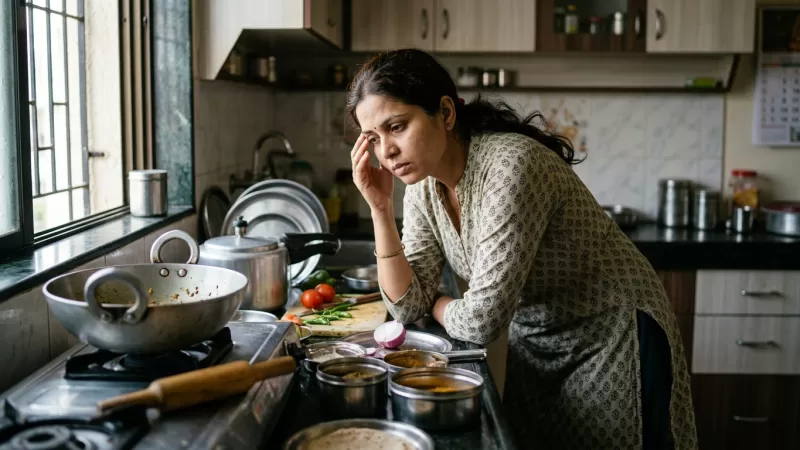
In many Indian homes, the evening rush is a familiar scene – pressure cookers whistling, roti dough being rolled out in a hurry, and children asking what’s for dinner. It’s easy to feel like you’re always racing against the clock, especially after a long workday or when everyone’s schedule is out of sync. As a result, meals can sometimes become an afterthought, with nutrition quietly slipping through the cracks. Still, with a few mindful tweaks and understanding your own habits, balanced home cooking doesn’t have to be a source of extra stress, even when time is tight.
The Reality of Rushed Meals in Indian Homes
These days, many families are eating later than they’d like, often juggling dinner prep between meetings, homework, or evening errands. You might have noticed that when things are rushed, the easiest options – instant noodles, bread with butter, leftover rice with achar – tend to take center stage. There’s nothing wrong with these once in a while, but if it becomes the norm, meals can quickly lose their balance.
The tricky part is that, in Indian kitchens, balanced meals have usually meant dal, sabzi, rice or roti, and perhaps a bit of salad or dahi. But when you’re pressed for time, even this can feel overwhelming. It’s no surprise that many people quietly settle for whatever is quickest, not necessarily what’s healthiest.
If you’re nodding along, you’re definitely not alone. The challenge is real, but it’s not impossible to manage.
What Does "Balanced" Mean When Time Is Short?
Most advice about balanced meals includes all food groups: cereals, pulses, vegetables, some dairy, and a bit of fat. But in a real kitchen, especially on busy days, aiming for this perfection can cause more stress than comfort. So, what can “balanced” look like on rushed evenings?
Here’s a softer way to look at it: Try to include at least three of these four – some grain (roti, rice, poha), a protein (dal, chana, paneer, eggs), a vegetable (even if it’s mixed into the dal!), and something cooling or fresh (curd, salad, or even a fruit). If you manage three out of four, you’re doing better than you think.
Over time, focusing on patterns rather than perfection is what truly helps. One less-than-ideal meal doesn’t undo everything, but making a habit of including variety, even in small ways, quietly adds up.
Quick Meal Patterns That Actually Work
When you don’t have an hour to cook, it helps to have a few fallback patterns. These are meal ideas that aren’t fancy, but usually tick most boxes for nutrition and familiarity.
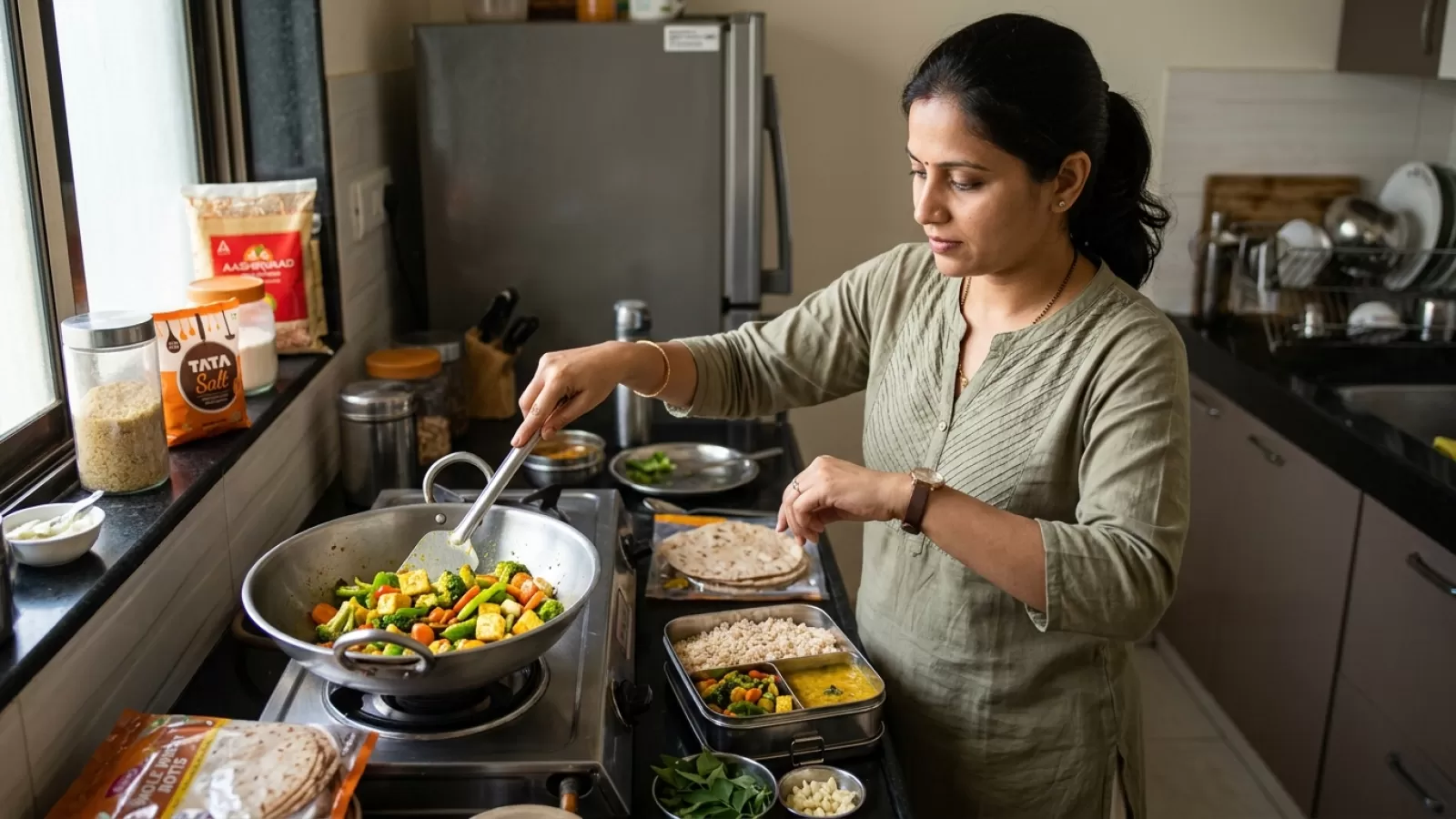
- One-pot meals: Think khichdi (dal + rice + chopped vegetables), pulao with a handful of peas and carrots, or upma with peanuts and veggies. They don’t need much watching, and you can cook while doing other chores.
- Stuffed parathas: Aloo, gobi, or paneer parathas with a bowl of curd and some pickle. If you have leftover sabzi, mash it and use it as a filling.
- Mixed dal or chana with rice/roti: Pressure cook chana or rajma with tomatoes and onions (or even with a ready masala), and pair with rice. Add a sliced cucumber or tomato on the side.
- Daliya or oats with veggies: Cooked with whatever is in the fridge, and served with a spoon of ghee or curd.
Some families also make egg bhurji or omelette with roti, or moong dal chilla with chutney. These aren’t gourmet, but they’re filling and cover most needs, especially for tired evenings.
Habits That Quietly Save Time and Effort
Sometimes, it’s not about what you cook, but how you set up your kitchen and routines. Small changes, done regularly, can quietly make life smoother. Here are habits that many people find surprisingly helpful:
- Keep basic veggies chopped and stored: On weekends or whenever you have a calmer moment, chop onions, tomatoes, carrots, and palak. Store in containers in the fridge. Even 10 minutes of prep can save you from starting from scratch each night.
- Soak dals or chana in advance: Many people soak a batch of chana, rajma, or moong overnight and keep it in the fridge for the week. It cooks faster, and you can add it to salads, pulao, or make quick sabzi.
- Rely on the pressure cooker or instant pot: These are already the backbone of Indian cooking, but pressure cookers can cut down cooking time drastically. You can even cook rice and dal together in the same vessel, separated by a small bowl.
- Make extra for leftovers: If you’re already cooking, make a little more. Leftover dal or sabzi can become the filling for next day’s paratha or sandwich, or just be eaten as is.
None of these require extra effort once you get into the habit, but they do need a bit of planning ahead – which, admittedly, is the hardest part on busy days.
Smart Use of Ready-to-Eat and Packaged Foods
Let’s be honest – most homes, at some point, rely on store-bought rotis, frozen parathas, or ready-made dal pouches. There’s no shame in this. The trick is to use them as helpers, not as the mainstay every day.
Some practical ways to make these work for you, without giving up on nutrition:
- Add fresh or frozen vegetables to packaged dals or curries to increase fibre and vitamins.
- Pair store-bought rotis or parathas with homemade curd, a quick salad, or a simple dal tadka.
- Mix leftover rice with frozen peas, carrots, or corn – toss with a little ghee and jeera for a quick pulao.
- If using instant noodles or pasta (which happens in many homes!), toss in a handful of chopped vegetables or boiled eggs to round out the meal.
These tweaks don’t take much extra time, but they do nudge meals back toward balance, even on the most rushed evenings.
Managing Nutrition When Everyone Eats at Odd Hours
With work-from-home, late returns, and children’s schedules, it’s normal for families to eat at different times. This can make meal planning feel even more complicated, especially for whoever is doing the actual cooking.
One tip that helps is to cook and store dishes that reheat well. Dals, chana, sabzi with gravy, and pulao all survive reheating better than dry sabzi or rotis. Keeping a box of chopped salad or cut fruit in the fridge also means whoever eats late can still have something fresh on the side.
Sometimes, it’s about giving yourself permission to keep things simple: dal-chawal, curd, papad, and a bit of achar make a perfectly good dinner if you’re stretched thin. The main thing is not to let guilt creep in – most families do this now and then.
How to Involve Other Family Members (Without Arguments)
In many homes, the main responsibility for meals falls on one person – often the homemaker or whoever gets home first. But on rushed days, sharing small tasks can make a big difference, even if it’s just laying the table, making the salad, or putting rice in the cooker.
Some families find it helpful to assign “quick jobs” to children or seniors – such as peeling garlic, chopping a cucumber, or stirring the dal. It’s not always picture-perfect, and sometimes the kitchen gets messier, but it does build a shared sense of responsibility over time.
The important thing is to keep expectations realistic. Not everyone will do things exactly your way, and that’s okay. Even small help counts.
Gentle Reminders About Eating Mindfully, Even When Rushed
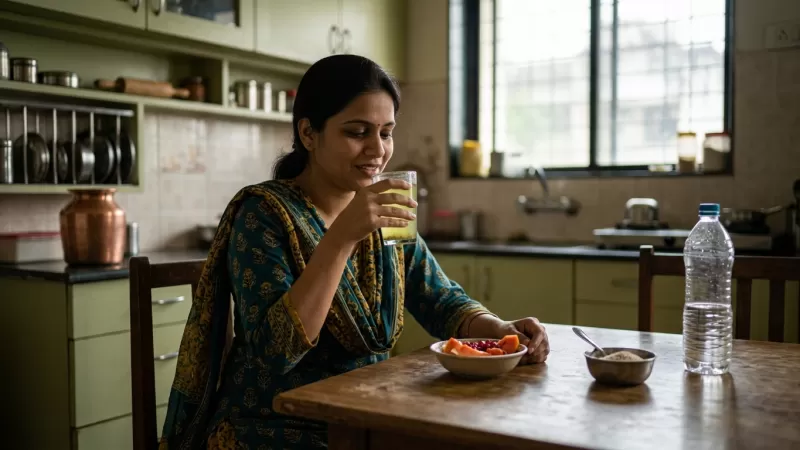
Finally, it’s worth mentioning that how you eat matters almost as much as what you eat. In the rush, meals often become screen-time or are eaten standing at the kitchen counter. While this is sometimes unavoidable, trying to sit down for even ten minutes – with or without company – can make food feel more satisfying and less like a chore.
Many people find that, on days when they pause for a few breaths before starting dinner, they actually end up eating less, or choosing more sensibly from what’s available. Mindful eating isn’t about rituals or rules, but about noticing your food and giving yourself a break from the day’s rush, if only for a few minutes.
To sum up, balanced meals aren’t about achieving perfection every night. It’s about small, steady habits, using what’s familiar, and being kind to yourself when things get busy. Most Indian kitchens have always thrived on this quiet flexibility. And there’s comfort in knowing you’re already doing better than you think.