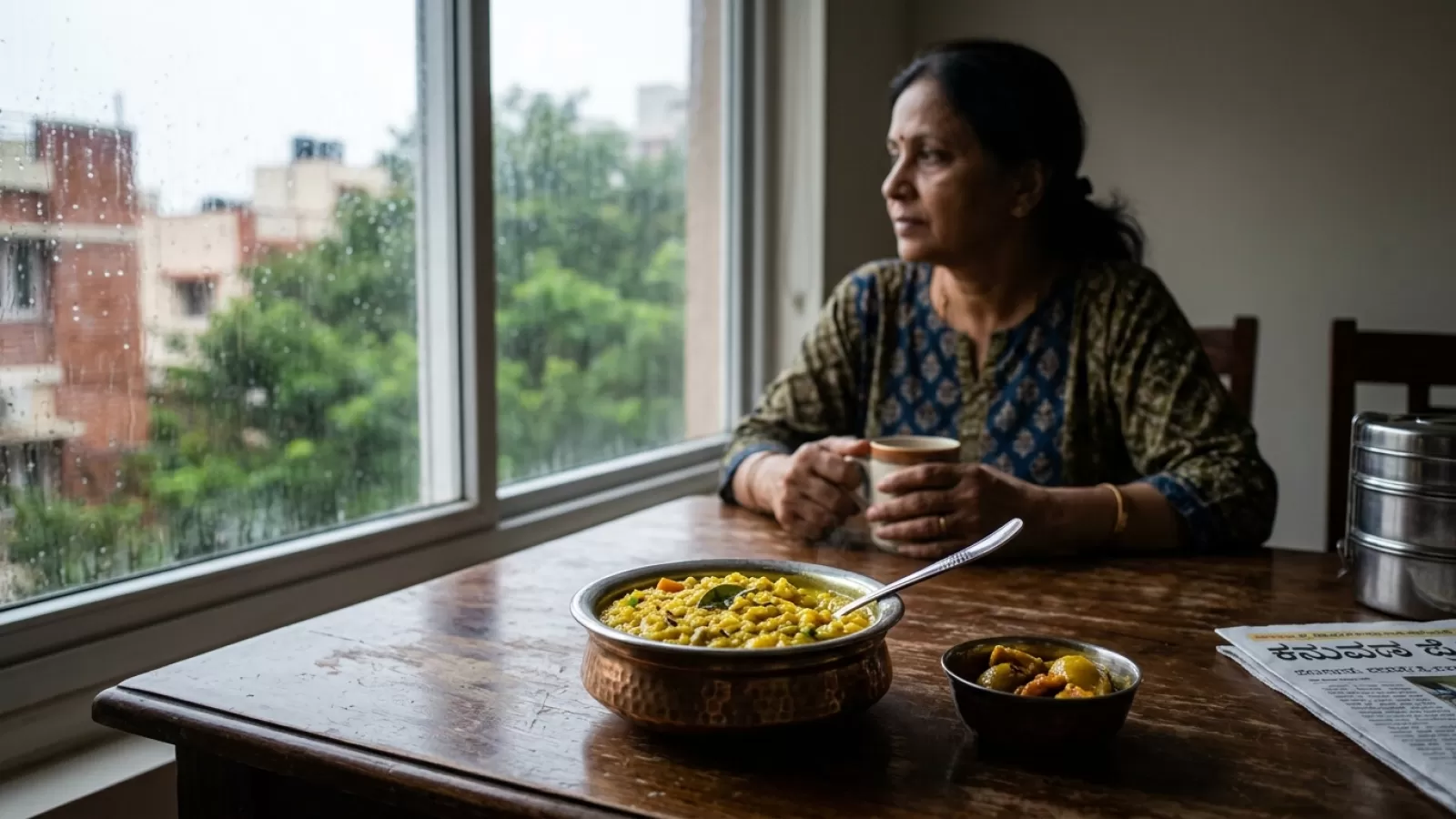
When it rains outside, homes across India come alive with a different kind of energy—windows fog up, the air smells fresh, and somehow, the usual dal-chawal or roti-sabzi starts to feel a bit plain. You’ve probably noticed that rainy days bring their own cravings: something warm, filling, and a little special to comfort you while thunder rumbles in the background. But here’s the catch—too many deep-fried snacks or heavy treats can leave you feeling sluggish or even a bit guilty, especially when the rain keeps you indoors for hours.
Why Rainy Weather Changes Our Cravings
First, let’s be honest—rainy weather does strange things to our appetite. The drop in temperature makes us want hotter foods, and the cozy feeling of being indoors pushes us toward comfort eating. In many families, you’ll see plates of pakoras, samosas, or even instant noodles making their way to the table. There’s nothing wrong with a treat now and then, but when the rains last for days, it’s easy to overdo these heavier options.
Part of this craving comes from old habits. During childhood, you might remember your mother or grandmother frying up bhajiyas whenever the first rain fell. These memories stick, and the urge for something similar kicks in every monsoon. But as we grow older—or as busy routines and health concerns creep in—it helps to think about comfort in a way that’s both satisfying and gentle on the body.
So, how can you enjoy that cozy, rainy-day feeling without feeling weighed down? Small changes and familiar ingredients can actually make a big difference.
Light Soups for Warmth and Hydration
It might sound simple, but a bowl of homemade soup is often all you need when the weather is gloomy. In Indian homes, soups aren’t always the first choice, but they’re easier and more versatile than most people realize. You can use leftover vegetables, a bit of dal water, or even the water from boiling rice to make a base.
The best part is, you don’t need fancy ingredients. Here are some ideas that work in most kitchens:
- Simple Moong Dal Soup: Take cooked moong dal, add a bit more water, a pinch of haldi, black pepper, and a little ginger. Simmer for 5-10 minutes. Finish with a squeeze of lemon.
- Mixed Vegetable Broth: Boil whatever vegetables you have—carrots, beans, lauki, tomato. Strain or blend lightly, season with jeera powder and salt.
- Clear Tomato Shorba: Heat chopped tomatoes with garlic and a clove, add water, cook till soft, then strain. Add black pepper and coriander leaves.
Soups are gentle on the stomach and keep you hydrated, which is easy to forget when you’re not sweating much during the rains. Plus, sipping something hot can help you feel full with less food.
Steamed and Roasted Snacks Instead of Fried
Let’s face it—fried snacks are tempting, especially with a hot cup of chai. But too much oil can make you feel heavy or sleepy, especially if you’re not moving around much. Steamed and roasted options give you the same satisfaction, minus the sluggishness.
Some ideas that work well for rainy days:
- Steamed Dhokla or Idlis: These are light, filling, and can be spiced up with green chutney or a sprinkle of chaat masala.
- Roasted Chana: A handful of these is crunchy, high in protein, and pairs nicely with tea.
- Sweet Potato Chaat: Boil or roast sweet potatoes, slice, add lemon, chopped onions, and a dash of chaat masala.
Many families quietly deal with the guilt of too many oily snacks. Swapping in these lighter options, even some of the time, can help you enjoy the season without feeling weighed down.
Comforting Khichdi Variations
Khichdi is a classic for a reason: it’s easy to digest, quick to make, and can be tweaked to match your mood. On a rainy day, something about the warmth and simplicity of khichdi feels just right. Plus, you can make it in so many ways.
Try these ideas, especially if you’re cooking for elders or children at home:
- Moong Dal and Lauki Khichdi: Soft, mild, and gentle on the stomach—good for anyone feeling under the weather.
- Masala Khichdi: Add tomatoes, peas, carrots, and a tadka of jeera, garlic, and hing for a spicier version.
- Millet Khichdi: Replace rice with bajra or jowar for extra fiber and a nutty taste.
Serve with curd, a bit of pickle, or a drizzle of ghee. It’s filling, but rarely feels too much.
Hot Drinks Beyond Regular Chai
There’s no denying it—chai or coffee feels almost necessary when it’s pouring outside. But sometimes, too much caffeine (especially after lunch or dinner) can disturb your sleep or make you jittery. If you’re looking for a gentler option, there are plenty of traditional, caffeine-free drinks that also satisfy the craving for something hot.
Some of these might be familiar, others a little new:
- Haldi Doodh (Turmeric Milk): A pinch of turmeric, a bit of black pepper, and a drop of honey in hot milk—it’s soothing and warms you from the inside.
- Ajwain or Jeera Water: Boil ajwain or jeera seeds in water, strain, and sip slowly. Many elders prefer this for digestion on damp days.
- Ginger-Cardamom Herbal Tea: Boil fresh ginger and cardamom pods in water, add a hint of jaggery if you like.
These drinks are easy on the system and work well in the evenings, especially if you’re winding down after a long day.
Seasonal Fruits and Light Sweets
Rainy days often bring a craving for something sweet after lunch or dinner. While it’s easy to reach for store-bought sweets, these can be heavy or overly sugary. Seasonal fruits are a good middle path—refreshing, lightly sweet, and less likely to leave you feeling stuffed.
Some practical options for the Indian monsoon:
- Apples and Pears: These are less likely to get spoiled in the rain and are easy to slice up for a quick snack.
- Pomegranate: Tart, juicy, and full of antioxidants. It takes a little effort to peel, but that makes you eat slower.
- Steamed Banana or Fruit Chaat: Steam ripe bananas and sprinkle with cinnamon, or toss mixed fruits with chaat masala and lemon.
For those who want a little more, a small piece of homemade suji halwa or besan ladoo (without too much ghee or sugar) can also hit the spot.
Balancing Heaviness with Simple Sides
Sometimes, the heart wants that plate of samosas or kachoris, and honestly, it’s fine to enjoy these once in a while. The tricky part is not letting every rainy day become an excuse for heavy eating. Balancing out heavier snacks with lighter sides can help.
Try pairing fried foods with:
- Green chutney: Fresh coriander, mint, or curry leaves with lemon and green chillies—these add a refreshing zing.
- Plain curd: A spoonful on the side helps with digestion.
- Raw salad: Cucumber, carrots, or radish with a squeeze of lemon. Crunchy and hydrating.
It’s not about denying yourself treats, just about mixing things up so you don’t feel too full or sleepy afterwards.
Staying Active and Comfortable Indoors
Rainy days can make you want to curl up and do nothing, especially if you’re working from home or looking after the family. But too much sitting, paired with heavy comfort food, can leave you feeling stiff or restless. It’s not always easy to keep moving when space is tight and the weather isn’t inviting.
A few small actions can help:
- Stretch your arms and legs every hour or two—simple stretches, not complicated routines.
- Walk around the house during phone calls or while waiting for things to cook.
- If you have kids or elders at home, involve them in kitchen tasks—shelling peas, peeling garlic, or even folding clothes. Movement doesn’t have to be exercise.
Even a little movement can help balance out the tendency to snack more when it’s raining. These days, many people quietly struggle with stiffness or fatigue from being indoors too much—small habits can make a real difference over time.
A Gentle Reminder for Rainy Day Eating
There’s something special about the rainy season in India—the sound, the smells, the cozy feeling. While it’s natural to want comfort food, you don’t have to give up on balance or feel guilty for enjoying a treat. With a few thoughtful swaps and a little planning, you can satisfy those cravings and still feel light and comfortable.
It’s okay to keep things simple. Most families find that the best comfort food is the one that brings everyone together, fills the home with warmth, and doesn’t leave you too tired to enjoy the rest of the day.