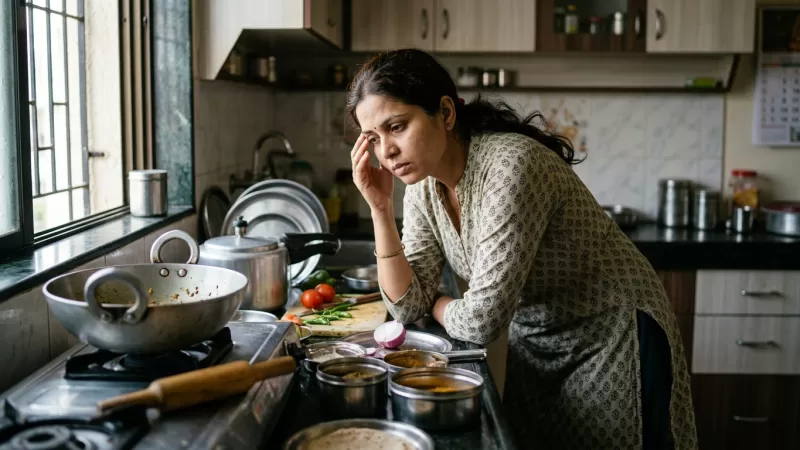
You’ve probably noticed, these days, family mealtimes aren’t always what they used to be. With everyone’s schedule running late—work calls stretching into dinner, children’s homework, or simply the unpredictable pace of Indian city life—it's become common to miss a meal now and then. Sometimes, it happens more than we’d like to admit. But when you keep skipping your main meals, especially under stress, your body starts sending signals: tiredness, mood swings, even a bit of a fuzzy head. Many families quietly deal with this, but the question remains—how do you still support your nutrition, gently, when eating on time just isn’t possible?
Why Skipping Meals Happens (And Why It Matters)
Let’s be honest—no one skips meals on purpose. You might start your day with the best intentions, but a sudden work call, traffic, or a family emergency throws everything off. For homemakers, sometimes lunch is delayed past 3 pm because of endless chores or visitors. Professionals and students tend to push breakfast aside, thinking, “I’ll grab something later.”
The tricky part is, missing these regular meals—especially breakfast or lunch—can lead to a sudden drop in your blood sugar. That’s when you might feel irritable or even shaky. Over time, this habit can also affect your metabolism, making it harder for your body to use energy well. It isn’t about perfection, though. It’s about finding practical ways to keep yourself nourished, even on hectic days.
Here’s the catch: You don’t have to overhaul your whole lifestyle. Small, gentle changes can make a difference, especially if missing meals is happening more often these days.
The Gentle Approach: Focus on Nourishing, Not Perfection
Supporting your nutrition when you’re eating late or skipping meals doesn’t mean you need to follow a strict plan or count every bite. In many Indian homes, routines bend and flex with life’s demands. What helps most is a gentle, realistic approach that fits into your existing habits.
Think about what’s possible, not what’s ideal. If you know you’ll miss lunch, could you keep an easy-to-carry snack in your bag? Or, if you’re cooking dinner late for the family, are there ways to make it a bit more balanced without extra effort?
- Familiar foods like poha, upma, curd rice, or khichdi can be prepared quickly and are easy on the stomach—especially if you’re eating late.
- Try to include a little bit of protein (dal, chana, paneer, boiled egg) when you finally do eat, even if it’s not a full meal.
- Keep roasted chana, murmura, or a handful of peanuts handy for those long gaps.
It’s about supporting your body’s needs, not chasing perfect timing.
Simple Foods That Work When You’re Starving and It’s Late
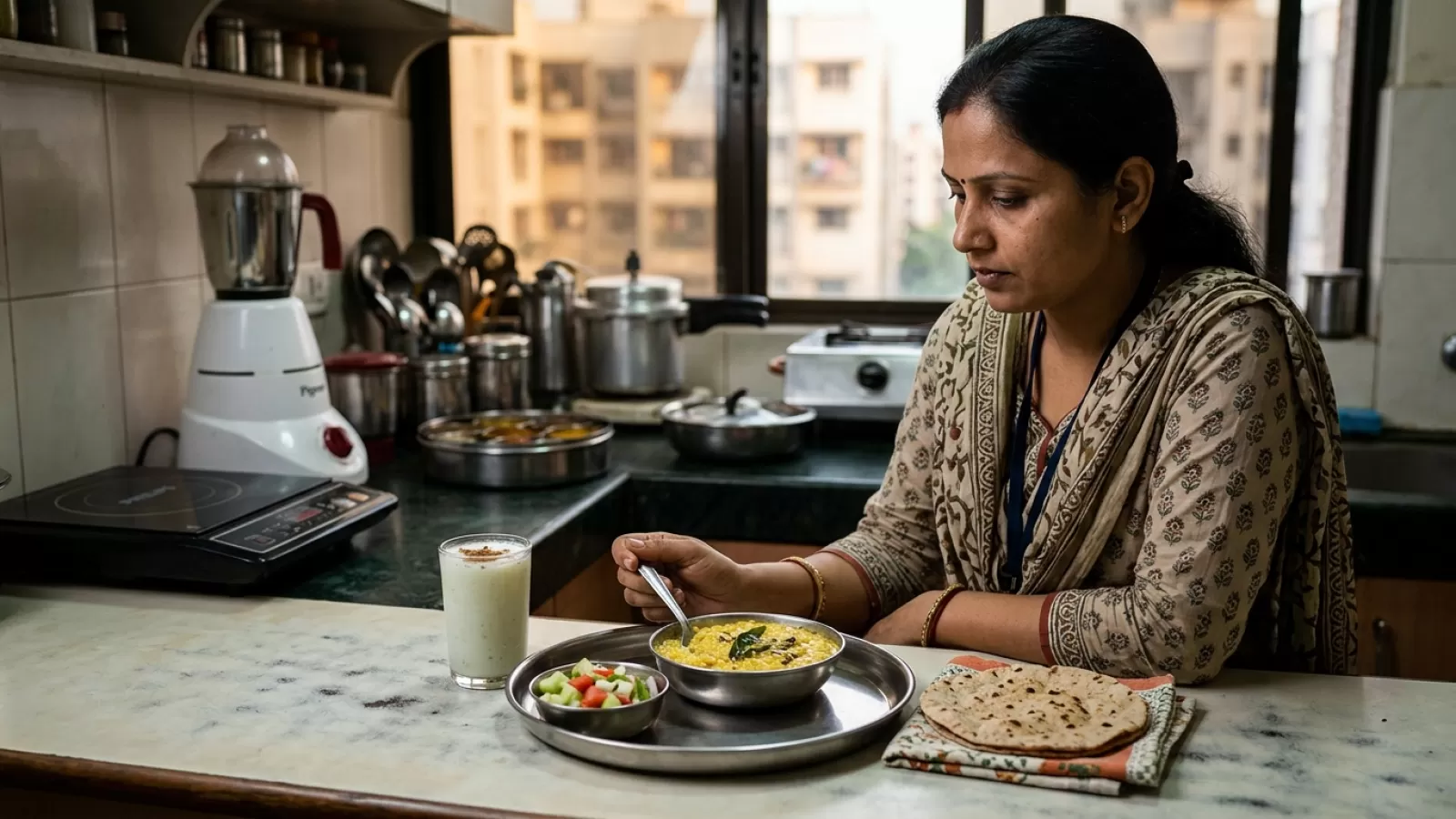
After a late night at work or a long family function, you might come home tired and hungry, but not in the mood to spend time in the kitchen. That’s perfectly understandable. In these moments, your body craves something comforting and easy to digest.
Instead of skipping altogether or reaching for junk food, consider these gentle options:
- Curd rice: It’s cooling, quick, and doesn’t feel heavy at night.
- Moong dal chilla: Takes just a few minutes and gives a nice protein boost.
- Plain roti with ghee and jaggery: Simple, quick, and often soothing after a hectic day.
- Boiled eggs or paneer cubes: If you need something more filling, these work well.
- Homemade soup: Even plain tomato or mixed vegetable, if you have it ready.
Try to avoid deep-fried or spicy foods late at night—they often make sleep harder. Many families find that a warm glass of milk with a pinch of turmeric can be surprisingly satisfying and calming, especially during winter.
Snacking Smart: What to Keep Handy
When meals are missed, the urge to grab whatever’s available can be strong. There’s nothing wrong with having a biscuit or two now and then, but these don’t do much to keep you feeling full or steady your energy. The key is to have a few nutritious options within arm’s reach, especially if you know the day will be unpredictable.
Consider keeping these in your bag, desk, or kitchen:
- Roasted peanuts or chana
- Dry fruits (almonds, walnuts, raisins)
- Homemade trail mix (a small mix of seeds, nuts, and jaggery bits)
- Seasonal fruits like banana, apple, or orange
- Makhana (fox nuts), lightly roasted with a pinch of salt
Even a small bowl of sprouted moong with a dash of lemon and salt can be surprisingly filling. You don’t need to prepare anything fancy—just a little planning makes those hungry moments much easier.
Drinking Enough: The Forgotten Helper
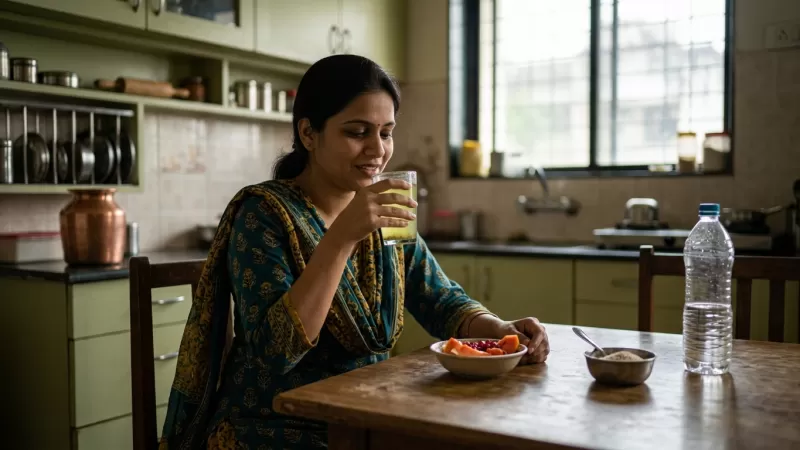
It’s easy to forget about water when you’re busy or tired. But many times, that tired or “empty” feeling is made worse by dehydration. In Indian summers, especially, skipping meals often means also skipping water. This can lead to headaches or that dull, dragging fatigue.
Try to keep a bottle within reach—on your work desk, kitchen counter, or near your bed. If plain water doesn’t appeal to you, add a slice of lemon, a few tulsi leaves, or make a simple nimbu pani without too much sugar. But avoid sugary sodas or too much chai or coffee, as they can sometimes make you feel more tired later.
For seniors, especially, gentle reminders to sip water throughout the day can help avoid unnecessary tiredness or confusion. You might have to experiment a bit to find what works for your routine.
Balancing Nutrition Over the Whole Day (Not Just One Meal)
It’s comforting to know that your body doesn’t judge you for missing a single meal. What matters more is the pattern over a week or a month. If you tend to eat late dinners but have a decent breakfast and lunch, your overall nutrition is likely still on track.
If you’re missing both breakfast and lunch often, try to add a little extra dal, sabzi, or fruit to your other meals. You don’t need to overeat to ‘make up’—just a small, steady improvement helps. Some families find it useful to prep extra sabzi or dal in the morning, so it can be eaten anytime someone’s hungry, even if it’s at an odd hour.
Here are a few gentle ways to balance things out:
- Add a spoon of extra vegetables to your dal or upma when you have time.
- Keep cut fruit or cucumber in the fridge for easy snacking.
- Use curd or buttermilk as a side—it’s both nutritious and easy to digest, especially in the hot months.
The goal is always progress, not perfection.
What About Children and Seniors?
Children, teens, and elderly family members tend to be more sensitive to skipped meals. In many homes, these family members may not speak up when they’re hungry, leading to crankiness or tiredness. For kids, especially, missing main meals can sometimes make them reach for packaged snacks or sweets.
Try to keep a few gentle, ready-to-eat options available, such as:
- Small bowls of boiled potatoes with a dash of salt and butter
- Fruit slices with a sprinkle of chaat masala
- Steamed idlis or dhokla (which stay soft and can be made in advance)
For seniors, softer foods like curd rice, dalia, or mashed vegetables are usually easier to eat, especially if dinner is running late. Gentle reminders to eat something small, even if it’s not a full meal, can help avoid long gaps without nutrition.
Gentle Reminders: It’s Okay Not to Be Perfect
Most important of all, don’t beat yourself up if your meal routine isn’t always perfect. Life is unpredictable, and there will be days when everything runs late, or you just don’t feel up to cooking. That’s normal. What matters is that you’re aware and trying to support your nutrition in small, manageable ways.
If you’ve had a particularly stressful day and ended up eating dinner at midnight, let yourself rest, drink some water, and try to get back to your usual routine when you can. Many families find that weekends are a good time to cook a little extra, stock up on fruits, or prepare some easy snacks for the week ahead.
In the end, it’s about listening to your body’s needs and being a little kind to yourself. Gentle, familiar foods, small adjustments, and a forgiving attitude go a long way in supporting your nutrition, even when life gets in the way.
One thing is clear: You’re not alone in this, and small steps really do add up over time.