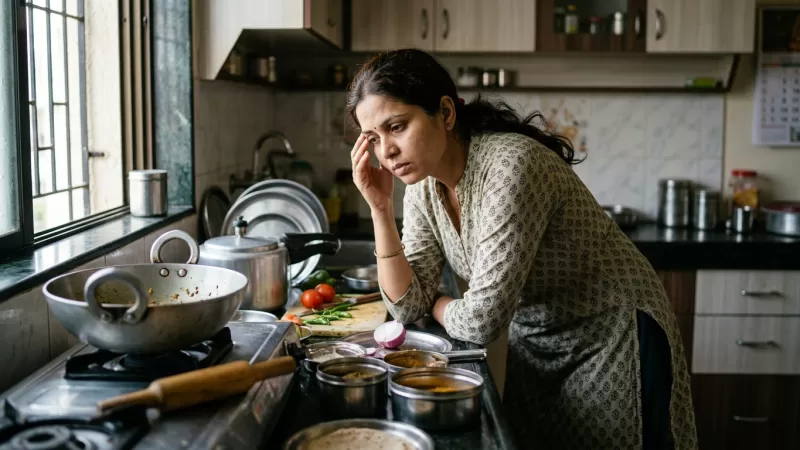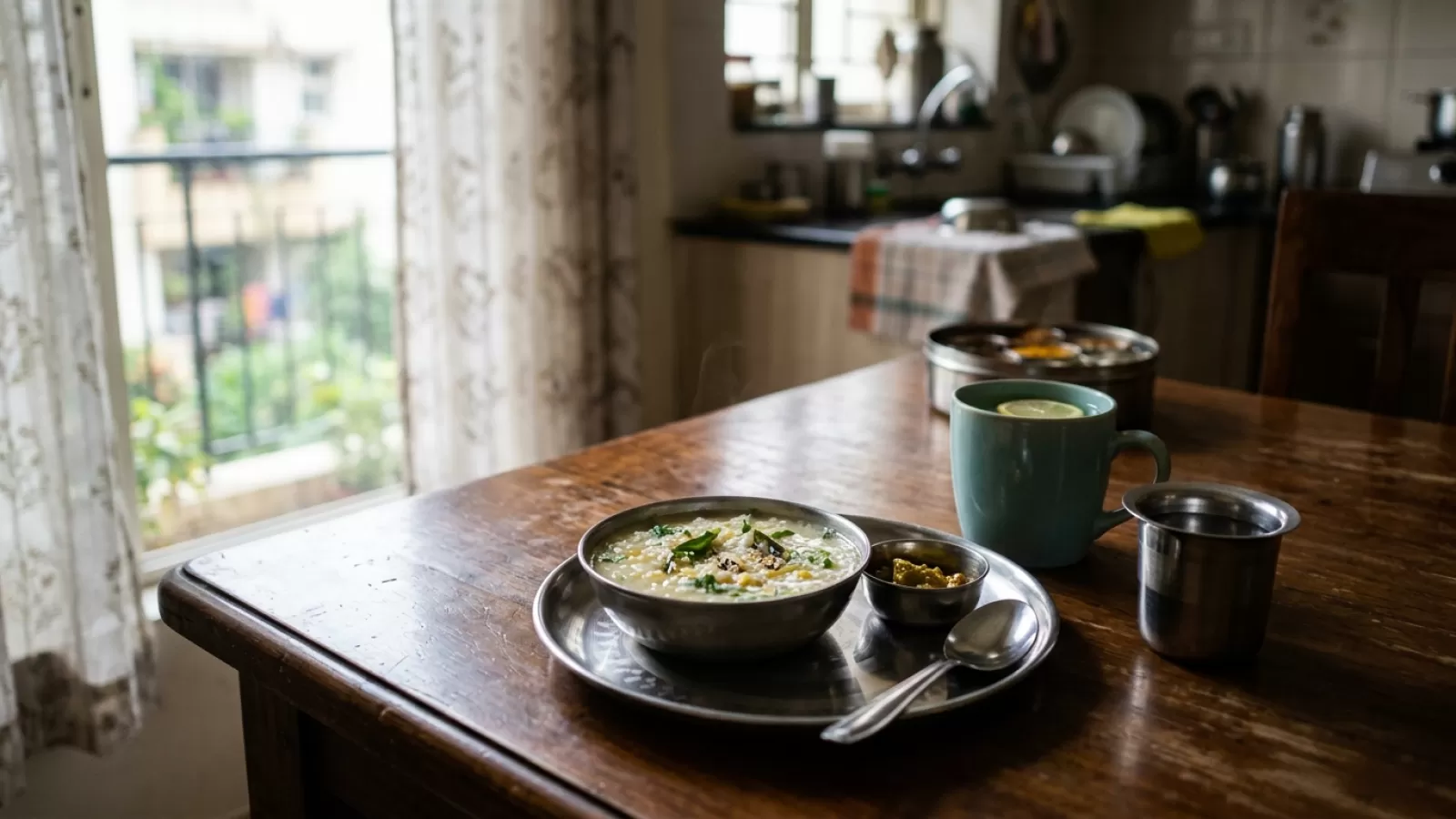
Some mornings, you just don’t feel like eating much. You wake up, maybe after a late night or with a bit of heaviness from the previous day, and the thought of a full breakfast feels a bit much. This is quite common in many Indian homes—especially during summer, after a restless night, or on days when the stomach just seems slow to wake up. Still, your body needs some gentle nourishment to start the day and keep energy steady. Let’s talk about simple, light meal habits that can help you ease into your mornings without any pressure or fuss.
Why Morning Appetite Sometimes Feels Low
It’s not unusual to have a low appetite in the morning. You may notice this more during hot, humid months or after late dinners—which, honestly, is the norm for many families balancing work, children’s homework, and winding down together. Sometimes stress, irregular sleep, or even minor digestive upsets the night before can leave you with little desire for food at sunrise.
There’s no need to force a heavy meal if your body isn’t asking for it. Skipping or rushing through breakfast out of guilt, though, tends to backfire—leaving you tired, distracted, or overly hungry by mid-morning. Instead, a light, nourishing start can help your system gradually wake up and stabilize.
You’ve probably noticed that children, teens, and seniors in the same home may all have different morning appetites. That’s completely normal. The key is to tune in to what feels comfortable, rather than what is ‘supposed’ to be done.
The Role of Gentle Hydration
After six to eight hours of sleep, your body is naturally a bit dehydrated. Before thinking of solid food, it often helps to start with something light to drink. Plain water is usually best, but a cup of warm water, jeera (cumin) water, or even thin buttermilk can be soothing.
Many families have their own morning rituals—some prefer chai, some nimbu pani, and others just stick to water. The goal isn’t to fill your stomach, but to gently signal the digestive system that it’s time to begin the day.
- Room temperature or slightly warm water
- Light herbal infusions like ginger or tulsi (if you enjoy them)
- Very diluted fresh fruit juice (not packaged)
Just avoid gulping large amounts at once. Small sips over 10–15 minutes usually feel best.
Light Meal Ideas for Low-Appetite Mornings
On those mornings when nothing seems appetizing, think about what feels both familiar and very easy to digest. Most Indian kitchens have a few go-to options that don’t require much prep or chewing.
- Moong dal chilla (very thin, less oil, with a little salt and jeera)
- Steamed idlis (plain, with or without a dab of ghee)
- Plain curd with a small spoon of rice or poha
- Banana or papaya slices with a sprinkle of chaat masala
- Milk with a pinch of haldi or cardamom for those who like dairy
There’s no single best food—just what feels manageable. Sometimes, a small bowl of dal or a bite of leftover sabzi is enough to help you get moving.
How Much Is Enough?
This is where it gets tricky. Many people worry about eating too little and feeling weak later, or too much and feeling sluggish. The truth is, on low-appetite mornings, even a few spoonfuls can help.
You don’t have to finish a full plate. Sometimes, half a banana or a small katori of curd is plenty. If you’re worried about nutrition, remember that eating lightly one morning won’t harm your long-term health, as long as the rest of the day’s meals are balanced.
Pay attention to how your body feels after your light meal. If you find yourself hungry within an hour, it’s perfectly fine to have a small snack a bit later—like a handful of roasted chana or a piece of toast.
Keeping Meals Easy on the Stomach
On days when the stomach feels unsettled, certain foods are easier to digest. You might notice that spicy, oily, or very fibrous foods (like raw onions or heavy parathas) can feel overwhelming first thing in the morning.
Instead, keep it simple. Lightly cooked foods, soft textures, and mild flavors tend to sit better. Think of khichdi, daliya, or even a plain dosa. Some people quietly add ajwain or a few curry leaves to morning dishes for gentle support, though taste preferences vary.
If you do take tea or coffee, try to have a small bite along with it—this can reduce acidity or that jittery feeling later.
For Families With Different Morning Routines
Modern Indian households are busy. One person might be getting ready for an office Zoom call, another is packing tiffin, while elders read the newspaper or do light stretches. Not everyone can sit together for breakfast, and not everyone wakes up hungry.
It helps to keep a few light, easily accessible options in the kitchen. A dabba of roasted murmura, some boiled potatoes, or a bowl of cut fruit can make mornings smoother for everyone.
- Set out a few neutral foods (plain toast, curd, upma) for people to take as they wish
- Let children or elders choose smaller portions; don’t insist on finishing everything
- If someone truly isn’t hungry, a gentle reminder to take something light later is enough
The main thing is to avoid making mornings stressful around food.
When to Eat a Bit Later Instead
Sometimes, no matter what you try, breakfast just doesn’t appeal. That’s alright. On such days, you might find that your appetite improves after a short walk, some fresh air, or simply a little time spent moving about the house.
You can plan for a small mid-morning snack instead. A piece of fruit, a few soaked almonds, or a small bowl of poha can gently fill the gap. The important part is not to let yourself get so hungry that you reach for heavy, oily snacks or sweets out of desperation.
Giving your body a chance to wake up at its own pace can make the rest of the day feel steadier.
Gentle Habits to Support Your Morning Appetite
Over time, certain habits can make mornings smoother, even if your appetite isn’t always strong. These don’t require major life changes—just small shifts.
- Try to finish dinner at least 2–3 hours before sleeping, when possible
- Keep late-night snacks light and easy to digest (not heavy or fried)
- Drink a little water soon after waking up, but don’t force large amounts
- Step outside for a few minutes of fresh air or gentle movement if you can
- Keep breakfast choices simple and familiar—no need for elaborate dishes on low-appetite days
Above all, be patient with yourself and those around you. Appetite naturally varies with age, season, and even mood. What matters most is listening to your body and being a little flexible with routines.
Wrapping Up—Comfort Over Perfection
There’s no ‘right’ way to eat breakfast, especially on mornings when your appetite is low. Many families quietly deal with this without making it a big issue. The focus should be on comfort, nourishment, and keeping stress low—not forcing a set menu or quantity.
If you keep a few gentle, light options ready, you’ll find that most mornings pass smoothly enough. Some days you’ll want a full meal, other days just a few bites, and both are perfectly alright. Your body usually knows what it needs, and it’s okay to trust that.
On mornings when eating feels hard, remember: something small is better than nothing, and being kind to yourself is always a good habit to start the day.