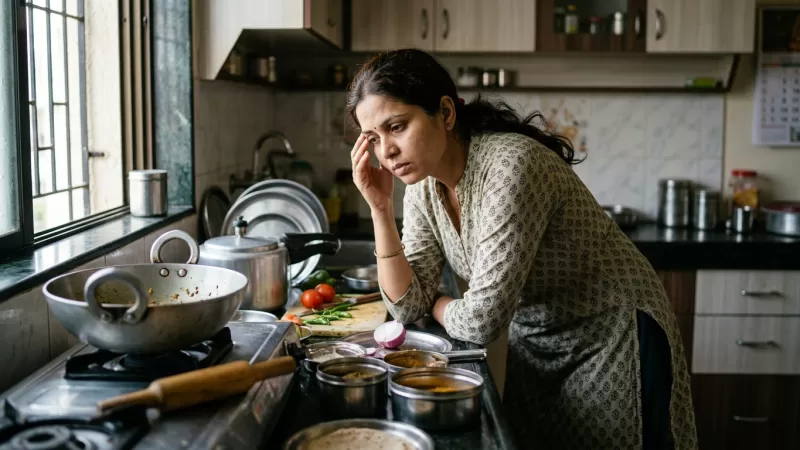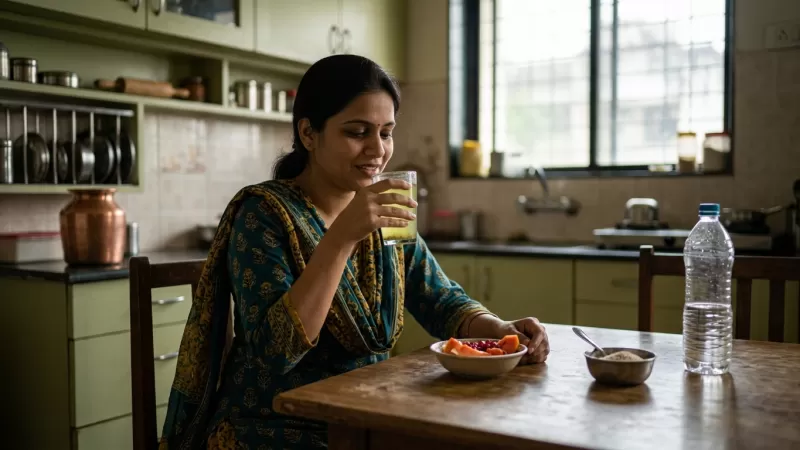
Some nights, hunger sneaks up on you later than expected. Maybe you got caught up with work, the kids’ homework stretched on, or you simply didn’t feel like eating at the usual hour. By the time you think of dinner, it’s well past 9 or even 10 pm—a common story in many Indian homes these days. The question then arises: what’s the best way to eat light, so you can sleep comfortably and not feel weighed down?
Why Late Hunger Happens Sometimes
It’s not always about willpower or planning. These days, changing work shifts, endless meetings, or just a long phone call with family can push dinnertime further. Many people also notice that stress or skipping an afternoon snack makes them less hungry at 8 pm, only for their stomachs to rumble later. And, let’s be honest, sometimes a late cup of chai or coffee can push hunger back.
The tricky part is, by the time you realize you’re hungry, cooking a full meal feels like a chore. Plus, heavy meals late at night often lead to disturbed sleep or a heavy feeling in the morning. You’re not alone—many families quietly deal with this in their own way.
So, what can you do? A few gentle habits can make late-night dinners less stressful and more comfortable.
The Trouble With Heavy Dinners
Traditional wisdom in many Indian homes says it’s better to keep dinner light, especially if you’re eating late. Heavy meals—think multiple rotis, a lot of rice, fried items, or creamy gravies—tend to sit in the stomach longer. You’ve probably noticed that sleeping after a big plate of biryani or paneer butter masala isn’t easy; there’s often bloating, discomfort, or just a restless night.
Most doctors and older family members tend to agree: your body digests food slower at night. Eating a lot close to bedtime can affect sleep quality and sometimes even morning energy. That said, going to bed hungry isn’t comfortable either.
So, moderation is key. It’s not about skipping dinner, but rather adjusting portions and choosing foods that won’t bother you later.
What Light Dinners Look Like in Indian Homes
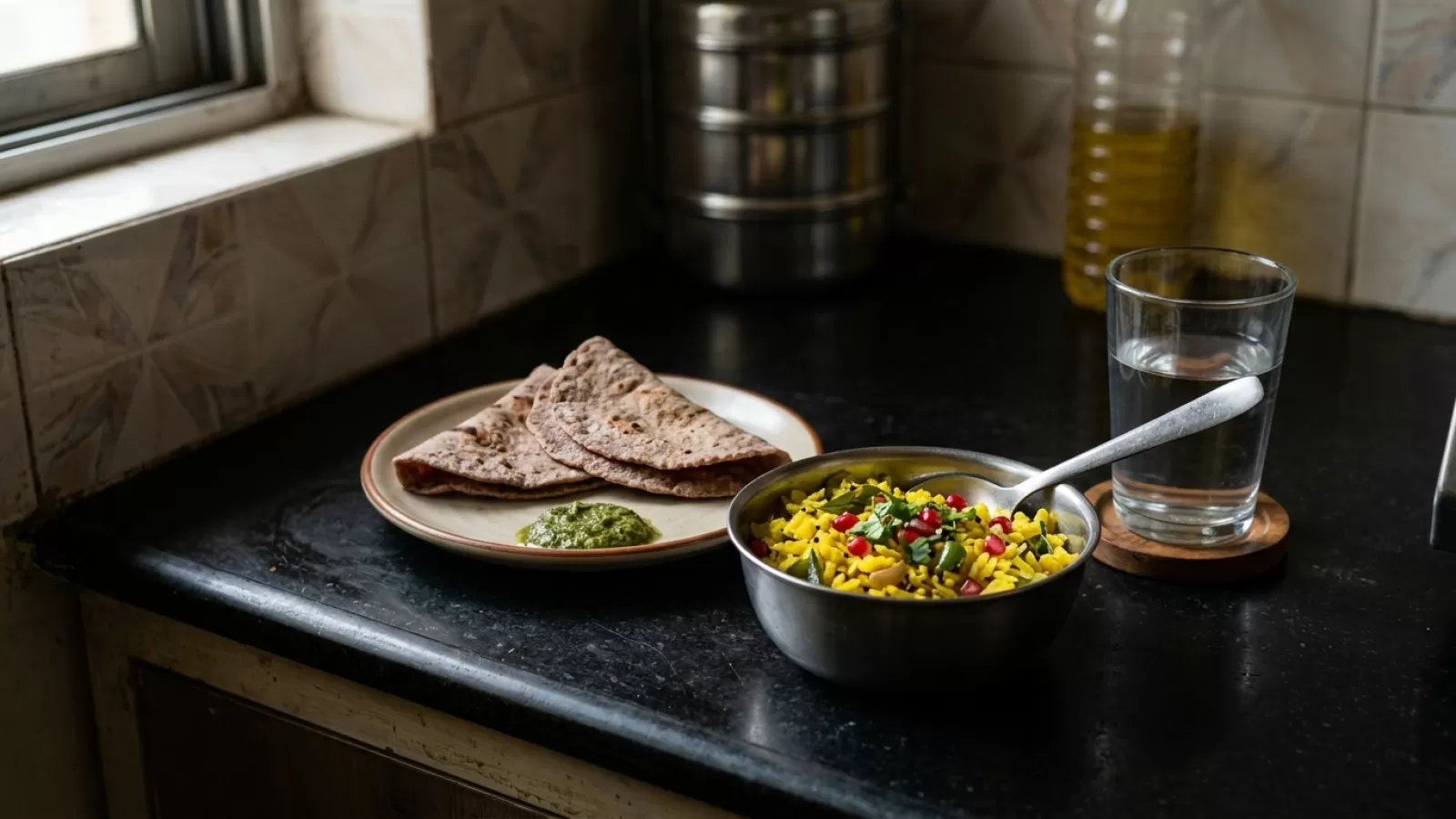
Light dinners can mean different things in different families. In many Indian households, it’s not about switching to salads or Western-style soups every night. Instead, it’s about using familiar foods in a gentler way. For example:
- One or two soft rotis with a simple sabzi (like lauki, tinda, or bhindi), served with a small bowl of curd.
- A small portion of khichdi or moong dal rice, sometimes with a little ghee and papad.
- Upma, poha, or daliya—these are filling but not too heavy, especially if you use less oil and add a few veggies.
- For some, a bowl of homemade soup (like bottle gourd or tomato) with a slice of toast works well.
The idea is to keep it simple: easy on spices and oil, with enough to satisfy but not stuff you.
Simple Habits That Make Light Dinners Easier
When dinner gets delayed, it’s easy to reach for something quick but unhealthy—like instant noodles, leftover fried snacks, or ordering food. These fill you up, but rarely leave you feeling light. Here are a few habits that tend to help on late-hunger nights:
- Keep a few quick-cook staples at home: moong dal, daliya, poha, or oats.
- Prep a basic sabzi in advance (many do this in the morning) so you can reheat it quickly.
- Boil extra dal at lunch—you can always make a light dal soup or mix with rice.
- Have curd or buttermilk ready in the fridge for a soothing finish to the meal.
- If you know you’ll be late, cut up some veggies for salad or raita in the afternoon.
It won’t always go to plan. But these little things can make late dinners less of a hassle.
Gentle Options When You’re Not Very Hungry
Sometimes, you’re not hungry enough for a full meal, but you know you shouldn’t skip dinner completely. Light bites can help. A few options that many Indian families use:
- A small bowl of curd rice or dahi with a dash of jeera powder.
- A slice of toasted brown bread with a thin layer of homemade chutney.
- Homemade vegetable soup with a few steamed sprouts or boiled chana.
- Fruit with a handful of nuts—banana with walnuts is common in some homes.
The aim is to calm late hunger and avoid waking up at midnight with a rumbling stomach. Even a glass of warm milk with a pinch of turmeric can do the trick for some.
It’s okay to listen to your body and eat less sometimes. Not every dinner needs to be a spread.
When Family Routines Don’t Match
In joint families or even among roommates, dinner times and hunger levels rarely line up. One person may want a light soup, another wants proper roti-sabzi, and someone else isn’t hungry at all. This can lead to confusion, and sometimes a bit of guilt or worry about not eating together.
One way to handle this is to keep the dinner table flexible. There’s no harm if some eat a full meal and others just pick at a bowl of dal or curd rice. What matters more is comfort and routine than strictly matching plates every night.
People often find their own rhythm—maybe the lighter eaters join for a chat or a glass of buttermilk, while others finish a proper meal. There’s no one right way.
What To Avoid Late At Night
Some foods tend to cause more trouble than others if eaten too close to bedtime. You’ve probably noticed this, especially on festival nights or after late-night functions. Foods that are best kept for earlier in the day include:
- Deep-fried snacks (pakoras, samosas, chips)
- Very spicy or oily gravies
- Heavy sweets or desserts (gulab jamun, halwa, ice cream)
- Large amounts of rice or wheat at once
- Leftover oily foods from lunch
These tend to sit heavy and sometimes cause heartburn or restlessness. If you are craving something sweet, a small piece of jaggery or a date can feel satisfying without overdoing it.
Listening To Your Own Body
One thing that often gets missed in all the advice about eating light is personal comfort. Some people genuinely feel fine with a bit of rice at night; others sleep better with just a bowl of curd or soup. Over time, you’ll notice what works for you, especially on those late-hunger nights.
There’s no need to force yourself to eat or go to bed hungry. On busy evenings, it’s perfectly okay to have a small, simple meal and make up for it with a good breakfast. The goal is comfort, not perfection.
For many Indian families, dinner is about winding down after a long day, not about a fancy menu. If you can finish your meal feeling light and ready for rest, you’ve done well enough.
Final Thoughts: Be Kind To Yourself
These days, life is busy and routines aren’t always in our control. Some nights you’ll eat early, some nights dinner will be an afterthought. The best you can do is aim for light, familiar foods that don’t disturb your sleep and help you feel settled.
No one gets it right every day. If you’ve had a late, heavy dinner now and then, don’t worry too much. What matters is the pattern over time, not a single meal.
Rest well. That’s important too.