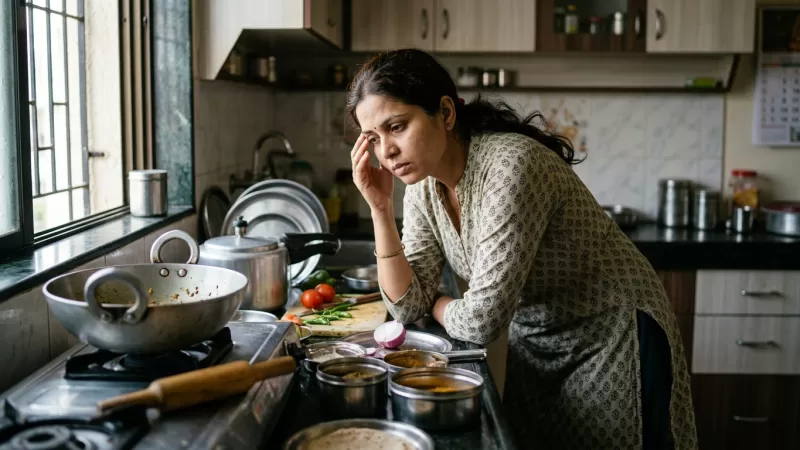
It’s a familiar scene in many Indian homes: you finish dinner, settle in for some TV or reading, and then—almost out of nowhere—a gentle hunger creeps in. Maybe it’s not a full-blown craving, but enough to make you a bit uncomfortable as you get ready for bed. It happens to homemakers who’ve had a long day, working professionals unwinding late, and even seniors whose dinner schedules might be a little early. The question is, how do you handle these late-night hunger pangs without disturbing your sleep or waking up heavy the next morning?
Understanding Why Late Night Hunger Happens
There’s no single reason for feeling hungry after dinner. In many families, dinner gets pushed early to match school or office schedules, especially these days with more people working from home. Sometimes, a lighter dinner—say, just a bowl of dal and one roti—might not keep you comfortable till morning. Or maybe you’ve had an active evening, done extra chores, or just stayed up later watching a movie or chatting with family. Even stress and irregular sleep can play a role.
It’s easy to feel guilty about reaching for a snack late at night. But honestly, a small, balanced snack is usually fine and often helps you fall asleep more peacefully. The tricky part is choosing something that doesn’t sit heavy in your stomach or spike your energy just before bed.
So, the goal isn’t to fight your hunger, but to handle it gently with options that feel familiar and comforting.
What Makes a Snack Balanced and Light?
If you’re choosing a late-night snack, the best ones usually have a bit of everything: some carbohydrates (for gentle energy), some protein (to help keep you full), and a little fibre. Avoiding heavy, fried, or spicy foods is wise, especially before bed, as they can cause discomfort or disturb your sleep.
In Indian homes, it’s common to rely on what’s already in the kitchen—leftover sabzi, plain curd, a small fruit, or roasted chana. These work because they’re simple, not too rich, and don’t require much preparation. You don’t need to invent anything fancy or make special purchases for late-night eating.
Here’s a simple thought: If your snack feels like it could be part of a light breakfast, it’s probably suitable for late night too.
Simple Indian Snacks for Late Night Hunger
Here are some snacks many families quietly turn to when hunger strikes after dinner. Most are quick, need little or no cooking, and won’t disrupt your sleep if eaten in small amounts:
- Plain curd with a pinch of salt or roasted jeera powder. It’s cooling and gentle on the stomach.
- A piece of fruit (banana, apple, papaya, or chikoo). These give you natural sweetness without heaviness.
- A small bowl of poha or upma (if someone made it for breakfast and there’s a bit left).
- Roasted chana or peanuts (a small handful). They’re filling but not greasy.
- One small chapati rolled with a little ghee and jaggery—something many grandmothers used to offer children before bed.
- Leftover dry sabzi with a spoon of curd—especially bhindi, lauki, or tori, which are light.
- A glass of warm milk (plain, haldi, or with a touch of honey).
Most of these need just a minute or two to prepare, and you’ll probably find them already in your kitchen.
What To Avoid Late at Night
There are a few foods that tend to make late-night hunger worse or disturb your sleep. You’ve probably noticed that oily snacks, leftover pizza, or heavy sweets can cause acidity or bloating if eaten right before bed. Even things like large bowls of rice or spicy pickles can make you feel uncomfortable.
Another common temptation is reaching for packaged snacks: chips, namkeen, or sweet biscuits. These are quick, but they rarely satisfy true hunger and might leave you feeling thirsty or uneasy.
The main thing is to keep it simple, light, and close to what you’d offer a child who’s a little hungry before bedtime.
How Much Is Enough? Listening to Your Body
This is where many people struggle. After a busy day, it’s easy to overeat or mindlessly snack while watching something. But your body usually needs just a little to settle nighttime hunger. A few bites, a small bowl, or a single piece of fruit—often that’s enough.
Try to notice when the hunger feels satisfied. If you’re just bored or stressed, a glass of water or taking a few deep breaths can help you decide if you actually need a snack or if it’s more about comfort.
That said, don’t ignore genuine hunger. It’s better to eat something small and light than to toss and turn for an hour, regretting it. Most people find that a gentle approach works best.
Routines That Can Help Minimize Late Night Hunger
While you can’t always predict when hunger will strike, a few habits might help reduce how often it happens. Eating dinner at a regular time, including enough dal, sabzi, and roti (or rice), and making sure you’re not skipping meals during the day can all make a difference. Avoiding too much tea or coffee late in the evening also helps some people.
In many homes, families are eating dinner earlier than before, either to match online classes or just to wind down sooner. If your dinner is very light, you may need a small snack later. That’s okay—just make peace with it and choose wisely.
Some families have a habit of sitting together for a few minutes after dinner, sharing fruit or a little curd. This can be a nice way to wind down and may prevent late-night cravings altogether.
When You’re Up Late: Special Situations
There are days—festivals, family events, or late work calls—when you’re up much later than usual. During the exam season, students often stay awake to study, and the hunger pangs can be stronger. On these nights, it’s easy to reach for whatever is in sight, especially sweets or fried snacks left over from celebrations.
One gentle idea is to keep some healthier options easily accessible: roasted makhana, plain khakra, a small katori of dal, or even just a glass of buttermilk. It’s not about strict control, but about making your environment support your choices.
And if you occasionally eat late or snack on something heavier, don’t worry too much. It happens. Just try not to make it a daily pattern.
Gentle Tips for a Restful Night
Here are a few small, practical habits that might help you manage late-night hunger and get better sleep:
- Drink a glass of water first. Sometimes thirst feels like hunger.
- Keep your snack small—just enough to take the edge off.
- Choose foods that are familiar and easy to digest.
- Try to switch off screens a little before bed; bright lights can make you feel hungrier.
- If you wake up hungry in the middle of the night often, consider shifting dinner a bit later or making it slightly more filling with dal or sabzi.
There’s no need to be perfect. Most families have their own small rituals around bedtime snacks, and it’s all right to adjust as your needs change with seasons, age, or routine.
Late-night hunger isn’t a problem to be solved; it’s just a part of everyday life for many people. Handling it gently, with a bit of planning and common sense, helps you sleep more comfortably and wake up ready for a new day.