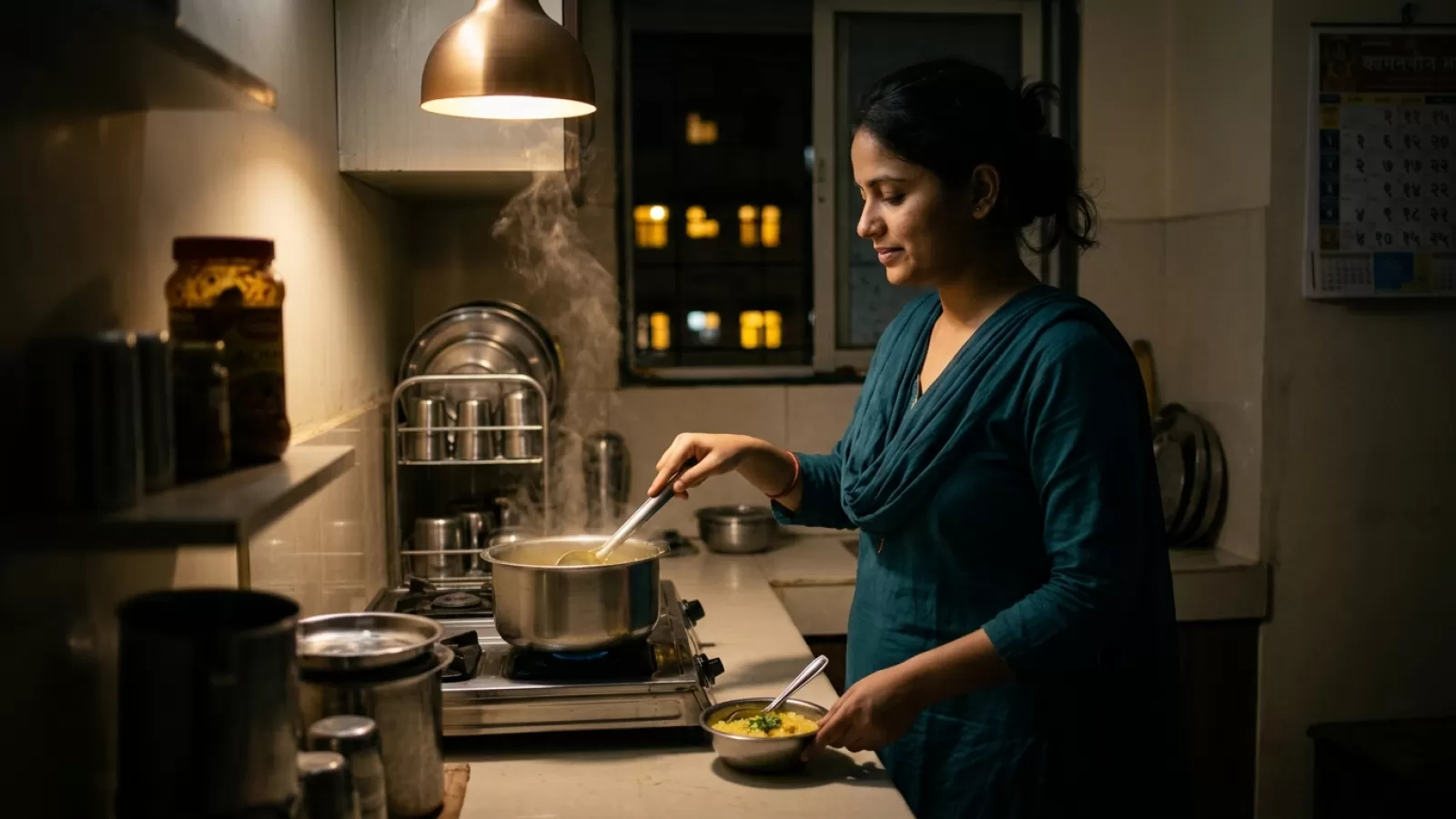
It’s late at night, you’re winding down, and suddenly there it is—your stomach grumbles. Maybe you had an early dinner, or maybe the day was just too busy to eat much. Late night hunger is something most of us have felt, especially in Indian homes where dinner can be as early as 7 pm or as late as 10 pm. The tricky part is, reaching for a heavy meal at this hour can leave you feeling uncomfortable or disturb your sleep. So, what can you do when hunger strikes long after the kitchen is closed?
Understanding Late Night Hunger: Why Does It Happen?
Sometimes, it’s not just your imagination—your body really does feel hungry late at night. In many Indian families, dinner is often several hours before bedtime, especially if there are young children or elders in the house. On top of that, long workdays, erratic schedules, or skipping meals can leave you with a rumbling stomach just as you’re getting ready to rest.
There’s also a bit of habit and routine involved. Many people find that the quiet of late evening, when things finally slow down, is when hunger (or the desire to eat) suddenly appears. Watching TV after dinner, scrolling through your phone, or even just the silence of the night can make you notice your hunger more.
That said, not all late-night hunger is about food. Sometimes, it’s thirst, boredom, or just the need for comfort after a tiring day. You’ve probably noticed: it’s easy to confuse a craving for a snack with the feeling of needing a little care or calm.
Gentle Eating: Why Heavy Meals Don’t Help
It’s tempting to reach for leftover biryani or make yourself a quick bowl of maggi when hunger strikes at 11 pm. But heavy or greasy meals late at night can actually make things worse. They’re difficult to digest, might cause acidity, and often leave you feeling sluggish the next morning.
Indian kitchens are full of foods that taste wonderful but aren’t ideal for late-night eating—think deep-fried snacks, sweets from the fridge, or spicy curries. Eating these at night can sometimes disturb your sleep, cause bloating, or just make you feel uncomfortable.
Light, simple foods are kinder to your body at this hour. They help settle your hunger without putting extra strain on your digestion or leaving you feeling overly full. It’s a small but meaningful shift in habit that can make late nights more peaceful.
Light Indian Foods That Soothe Without Overfilling
Late-night hunger doesn’t mean you have to go to bed hungry or ignore your body’s signals. There are plenty of gentle, traditional Indian foods that can help you feel satisfied without being too heavy.
- Warm milk with a pinch of turmeric or cardamom: This is a classic in many homes, especially for children and older family members. It’s soothing and easy to digest.
- Handful of roasted makhana (fox nuts): Light, crunchy, and surprisingly filling. Avoid too much salt or ghee late at night.
- Plain curd (dahi) or a small bowl of chaas (buttermilk): Cooling and gentle on the stomach, especially in summer.
- A piece of fruit: Banana, papaya, or a few slices of apple can be enough to curb hunger.
- Simple khichdi: If you absolutely need something warm, a small portion of watery moong dal khichdi is very light and comforting.
These aren’t just old-fashioned ideas—they’re practical, and many families quietly deal with late-night hunger in these ways.
Habits and Triggers: Noticing Patterns in Your Home
Sometimes, late-night hunger becomes a regular visitor because of certain daily habits. Skipping breakfast, having a very light lunch, or eating an early dinner can all add up. You may also notice it happens more often when you’re stressed, tired, or staying up late binge-watching your favourite series.
It helps to look at your own routine. Are you eating enough during the day? Are there long gaps between meals? Does a particular activity (like watching TV or working late) make you reach for snacks?
Just noticing these patterns can be surprisingly helpful. You might find small changes—like adding a little more dal to your lunch, or having a filling evening snack—can prevent that desperate late-night hunger in the first place.
Comfort Rituals That Don’t Involve Food
Here’s the catch: late-night hunger isn’t always about food. Sometimes, it’s the need for comfort or a way to relax after a long, tiring day. Indian families often have little rituals for winding down—listening to old songs, chatting quietly, or having a warm bath.
If you find yourself reaching for food simply out of habit, try substituting a gentle, non-food activity instead. A brief walk on your balcony, a few minutes with a book, or even just some calming music can give your mind and body the soothing signal it’s looking for.
Of course, it’s not about denying yourself—just tuning in to what you really need in that moment. Sometimes, a cup of warm water or herbal tea is enough to satisfy both thirst and the urge to eat.
When to Eat and When to Wait: Listening to Your Body
It can be confusing to know when you should eat and when you’re better off waiting until breakfast. A useful approach is to check in with your body. Is your stomach actually empty, or are you just feeling restless or bored?
If you do feel genuinely hungry, it’s okay to have a small, gentle snack. Try to avoid eating straight from a packet or the fridge—serve yourself a portion, sit down, and eat slowly. This makes it easier to notice when you’ve had enough.
But if the feeling passes after a few sips of water or a change of activity, your body might not need food after all. There’s no need to be strict, just a bit more aware.
Building a Calmer Night Routine Over Time
Changing late-night eating habits doesn’t usually happen overnight (pun intended). If late-night hunger is a regular issue in your home, start by making small, gentle adjustments. Maybe it’s a slightly later dinner, or a more substantial evening snack before 8 pm.
Many families find that having a set routine helps. For example, winding down with the whole family—lights dimmed, TV off, everyone in their own rooms—can signal to your body that food time is over. Over time, your hunger patterns may naturally adjust.
And if there are days when you’re just too hungry to sleep, don’t be hard on yourself. A little flexibility and self-kindness make it easier to build healthier habits that last.
Real-Life Tips from Indian Homes
People across India, in big cities and small towns, have their own quiet ways of dealing with late-night hunger. Some common ideas you might find useful:
- Keep a small container of roasted chana or plain murmura (puffed rice) for emergencies.
- Have cut fruit or plain curd ready in the fridge, so you’re not tempted by sweets or fried snacks.
- Try a warm glass of water before eating—sometimes thirst feels like hunger late at night.
- Agree as a family to switch off the kitchen lights after dinner; this small step can discourage late snacking.
- If you’re caring for elders or children who genuinely need a late snack, keep it simple and easy to digest.
Simple, familiar habits often work best. You don’t need fancy foods or strict rules—just a little thought and a lot of patience with yourself and your family.
Gentle Reminders for Peaceful Nights
Late-night hunger is nothing to feel guilty or worried about. In fact, it’s quite normal in many Indian households, especially during busy or stressful periods. The key is to respond with kindness—choose foods that comfort without overfilling, notice what your body really needs, and remember that a calm night routine is sometimes the best remedy.
So the next time your stomach rumbles at midnight, take a moment. Sometimes, a gentle snack is all you need; sometimes, a little pause or a sip of water does the trick. Either way, you’re not alone in figuring this out—many families quietly do the same, night after night.