Most Indian kitchens end up reflecting the way we shop for groceries. If your shelves are filled with biscuits, chips, and ready-made mixes, it becomes nearly impossible to make healthy choices—even if you have the best of intentions. The good news is, you don’t need to turn your world upside down to support better eating at home. It often starts with something as basic as how you buy your groceries.
Why Grocery Shopping Habits Matter More Than You Think
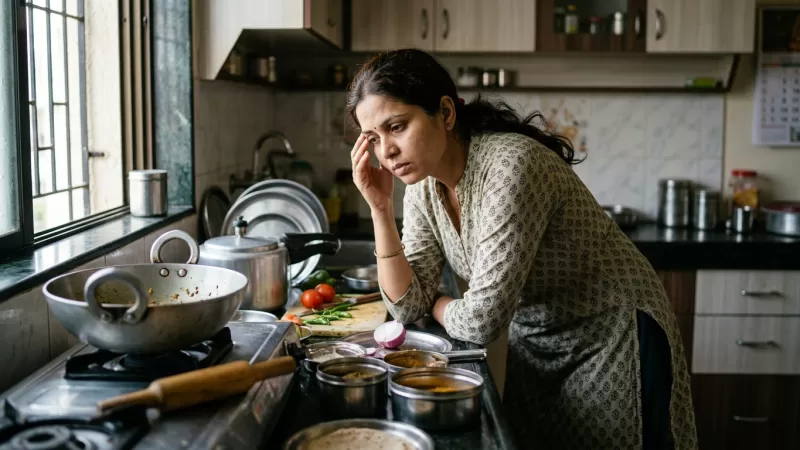
You’ve probably noticed that when the house is full of namkeen packets or soft drink bottles, it’s just too tempting to grab them after a long workday. Many families quietly deal with this—especially when everyone is rushing and hungry. The tricky part is, what you buy becomes what you eat. Stocking up on healthier staples and limiting junk food isn’t about willpower; it’s about making good choices easier for everyone in your home.
In most Indian families, grocery shopping is done once a week or even less often. That means your choices at the shop can shape your meals for days. If you fill your basket with more vegetables, dals, and whole grains, you’ll naturally cook and eat more of those. It’s as simple as that. On the other hand, if you buy too many processed snacks, they’ll get eaten—sometimes before you even realize it.
So, mindful shopping isn’t just about being strict or disciplined. It’s about quietly shaping your home environment to support better habits, day after day.
Understanding What “Nutrition” Actually Means for Your Family
The word “nutrition” can sound overwhelming, but at home, it usually means this: Are we eating a mix of different food groups, mostly cooked fresh, with a good amount of vegetables, some whole grains, and protein sources? In India, daily food often revolves around dal, roti, rice, and sabzi. That’s already a good foundation. The challenge comes when we start relying too much on instant noodles, frozen snacks, or packaged sweets to fill up tiffins or for evening chai.
Nutrition isn’t about fancy ingredients. It’s about balance and variety. A basic thali—with dal, a vegetable, rice or roti, and maybe some curd—can be far more nourishing than a meal of only paratha and pickle or just bread with butter. The goal isn’t to cut out all treats but to make healthier food the default at home.
Most families already have the building blocks. The key is making sure you have enough of these basics on hand so you can actually use them in your daily cooking.
The “Junk Food Trap” and Why It’s Hard to Escape
Here’s the catch: Supermarkets and local kirana shops these days are packed with brightly packaged snacks, chocolate bars, and quick-fix meal kits. For tired parents, working professionals, and even seniors, these are hard to resist—especially when everyone’s hungry and pressed for time. Late-night cravings, school lunchbox stress, and sudden guests all add to the pressure.
In many homes, the habit of buying a few extra packets of chips or instant mixes “just in case” quickly becomes routine. Before you know it, these foods start replacing healthier options at tea time and even during meals. If this sounds familiar, you’re not alone. It’s a common pattern, especially in busy urban families.
Breaking out of this cycle isn’t about never eating a samosa or saying goodbye to all your favourites. It’s about being a little more deliberate about what comes home in your grocery bag. That’s where some simple habits can help.
Smart Shopping Starts Before You Step Out
One of the easiest ways to avoid unhealthy impulse buys is to plan—just a little—before you shop. Many people find that making a short list, even if it’s just on a scrap of paper or your phone, helps them focus on what’s really needed. You don’t have to plan every meal for the week, but a general idea of what you’ll cook (like dal-chawal, upma, or vegetable pulao) can make a big difference.
- Check your kitchen before going out. What’s running low—rice, atta, dal, or spices?
- Think about what fruits and vegetables are in season (they’re usually fresher and cheaper).
- Note down any healthy snacks you like, such as roasted chana or murmura.
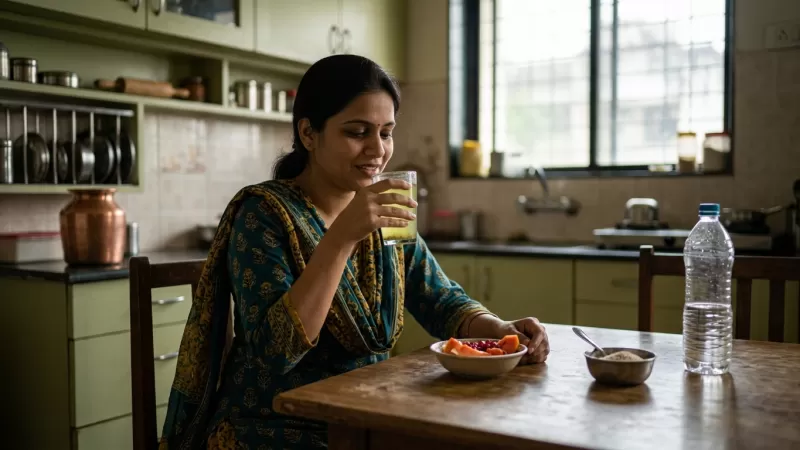
If you’re shopping on an empty stomach or in a rush, it’s far easier to toss in those extra packets of chips or sweets. A quick snack before you leave, or even carrying a bottle of water, can help you stick to your list.
Choosing Staples That Make Healthy Cooking Easy
Stocking your kitchen with the right staples is half the battle. In most Indian homes, this means keeping a good variety of dals (moong, masoor, chana), whole grains (brown rice, jowar, bajra), and a few basic spices. These ingredients are not only healthy but also versatile—you can make khichdi, simple curries, or even quick upmas with them.
Vegetables tend to spoil quickly, but there are some that last longer (like carrots, cabbage, and beans), which you can keep for a few extra days. Frozen peas or corn can also help when you’re out of fresh produce. If you’re buying bread, look for whole wheat or multigrain options instead of the soft white variety. And when it comes to oils, using less and choosing a basic oil like groundnut, mustard, or sunflower is usually enough for daily cooking.
Here are some common staples that support healthier meals:
- Dals and legumes (chana, rajma, moong, masoor)
- Whole grains (brown rice, daliya, millets, whole wheat atta)
- Seasonal fruits and vegetables
- Curd or homemade dahi
- Basic oils in limited amounts
- Roasted or plain nuts (as a snack or in cooking)
Being Mindful About Packaged and Processed Foods
It’s not realistic to avoid all packaged foods, especially with busy schedules and school-going children. That said, it helps to look at labels and choose products with shorter ingredient lists. If you can recognize most of what’s listed (like atta, salt, or ghee), it’s usually a better pick than snacks with lots of numbers or chemicals.
Buying in moderation is another useful habit. Instead of stocking up on large family packs of biscuits or namkeen, buy a smaller quantity—just enough for a treat now and then. This way, you’re less likely to eat these foods out of boredom or habit.
Some families find it helpful to designate one shelf or container for snacks and keep it out of easy reach, especially from children. It’s a small change, but it can make a difference.
Healthy Snack Alternatives for Indian Households
Evening chai is almost sacred in many homes, and so is the need for a little something to munch on. The trick is to swap out some of the fried or sugary options with lighter, homemade choices. Roasted chana, peanuts, murmura, or homemade poha mix are all tasty and filling without being heavy. Fruit chaat, cucumber slices with a sprinkle of salt and masala, or even a small bowl of curd can work too.
- Roasted makhana (fox nuts) with light seasoning
- Bhel made with murmura, onions, tomatoes, and coriander
- Whole fruit—banana, guava, apple, or orange
- Homemade besan chilla or moong dal cheela
The idea isn’t to make snacks boring or bland, but to make it easy to grab something that won’t leave you sluggish or hungry an hour later.
Making Grocery Shopping a Family Effort
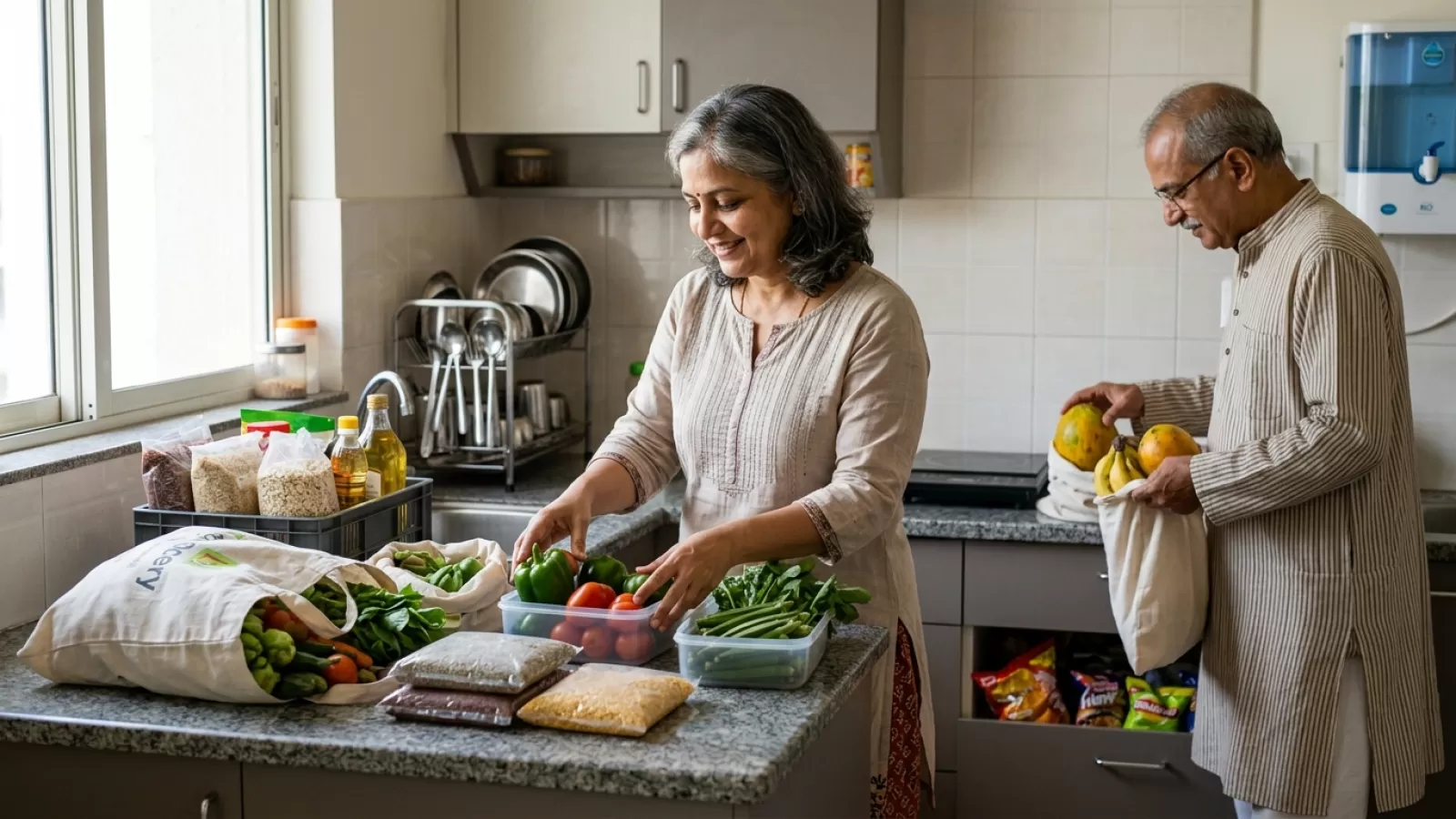
Shopping for groceries doesn’t have to be a one-person job. In many joint families, it’s common for elders, children, and even helpers to join in. In nuclear families, it can become a weekend ritual or a quick evening trip. Including everyone in decisions about what to buy can help children learn about food, and even picky eaters might get interested if they help pick out vegetables or fruits.
Letting family members choose one or two healthy snacks, or a vegetable they like, makes it more likely those foods will get eaten. Sometimes, seniors in the family have time to prep or soak dals, or prep veggies in advance, which can make healthy cooking much easier for working parents.
This shared approach also means that everyone feels a little more connected to what ends up on the plate. It’s not about perfection, just about making things a little easier and more balanced for everyone.
Small Steps for Lasting Change
Building a healthier kitchen doesn’t happen overnight. There will be weeks when you end up buying more treats than planned, or when veggies go bad before you can use them. That’s normal. Over time, as you get into the habit of shopping more mindfully, you’ll probably find that your home-cooked meals feel lighter, fresher, and more satisfying.
It’s not about never eating out or giving up your favourite foods. Instead, it’s about making daily life just a little bit simpler and healthier for you and your family. With a few smart grocery shopping habits, you can gently steer your kitchen—and your health—in a better direction, one week at a time.