Let’s be honest—keeping up with regular meal times isn’t always practical in most Indian households these days. Mornings can start in a rush, evenings run late, and sometimes lunch or dinner ends up happening an hour or two off schedule. You might worry if these shifting timings are harming your health or leaving you with low energy. The good news: you don’t need rigid meal charts to keep your body nourished and comfortable. With a few gentle routines and practical habits, it’s possible to look after your wellbeing, even when meal times wobble.
Why Do Meal Times Get So Irregular?
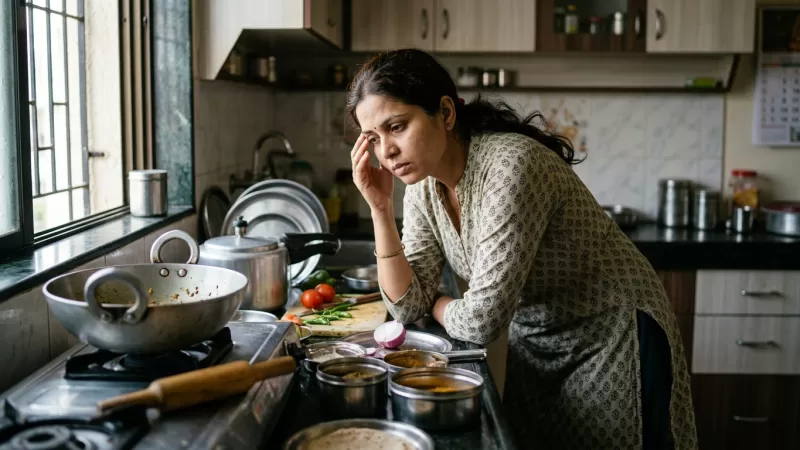
In many homes, there’s a hopeful plan for breakfast, lunch, and dinner to happen at set times. But reality is usually different. Between work calls, school runs, errands, and household chores, the clock can slip away. Sometimes, you might eat lunch at 2pm, sometimes at 4. Festivals, family visits, or sudden travel just add to this unpredictability.
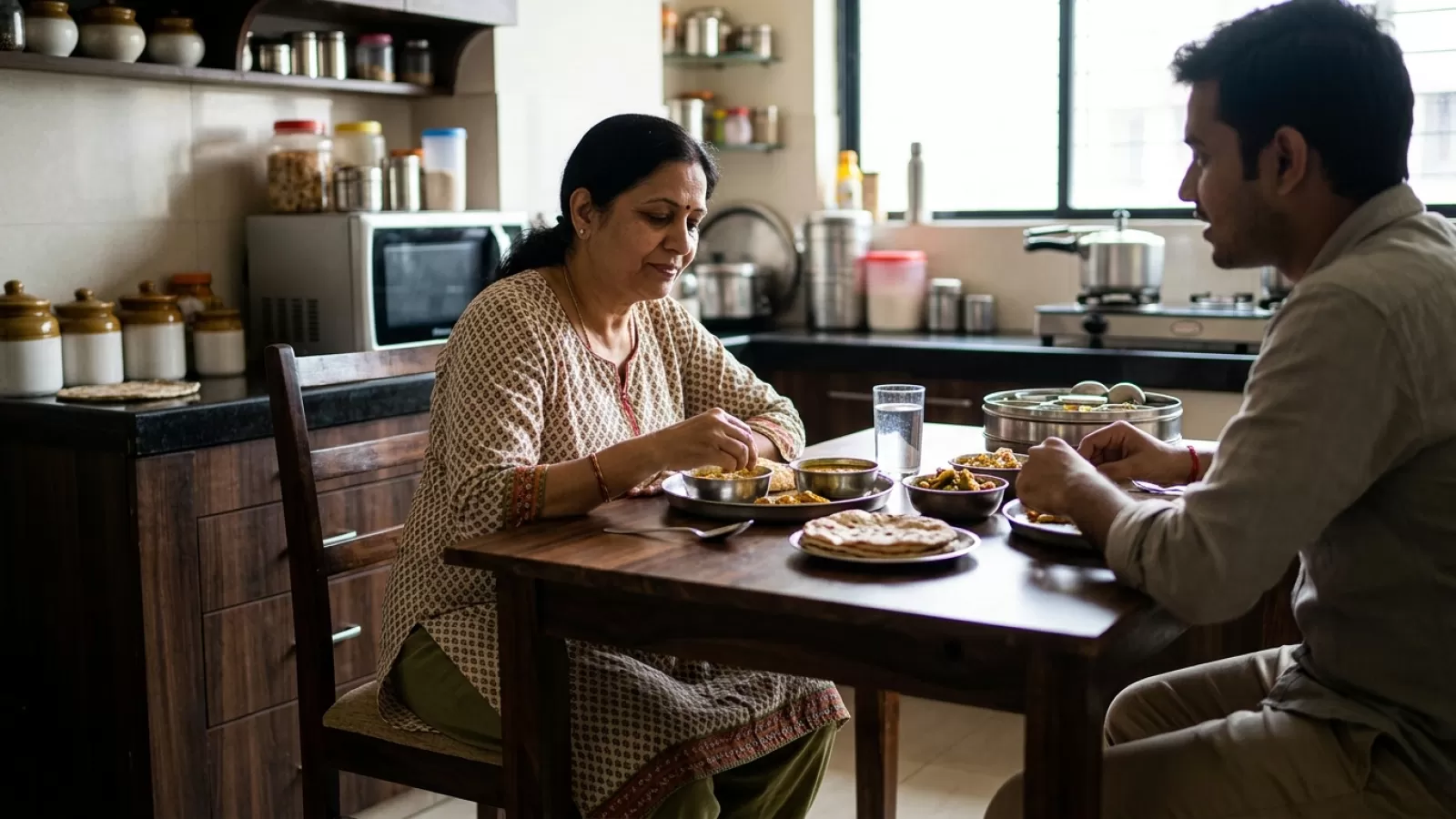
Even if you live in a joint family, it’s common for people to eat in shifts—one person finishing work late, someone else having an early dinner because they’re tired. For those living alone or in smaller families, meal times can depend on work-from-home meetings, late-night calls, or just plain old tiredness.
Here’s the thing: Life isn’t a timetable. And that’s absolutely okay.
How Does the Body React to Shifting Meal Times?
You’ve probably noticed that eating at odd hours can leave you feeling heavy, irritable, or just plain tired. For some, skipping a meal leads to headaches or acidity; for others, it’s an uncomfortable bloated feeling. In India’s hot summers, late or skipped meals might make you feel weak. During winter, delayed meals can sometimes bring on extra hunger or cravings for fried snacks.
Still, our bodies are often more adaptable than we fear. The tricky part is when irregular timings become the norm, and you start missing signals of hunger or fullness. That’s when energy dips and digestive discomforts tend to show up more often.
No need to panic—just a little awareness can help you manage these ups and downs.
Gentle Routines to Steady Your Nourishment
Strict meal plans aren’t realistic for most families. But a few small routines can create a sense of steadiness, even if you eat at different times each day.
- Keep familiar foods handy: Dal, rice, roti, and simple sabzi are easy to digest and quick to put together. Leftovers or pre-cut veggies can be a real help during busy days.
- Notice your own hunger patterns: Many people get hungry every 3–5 hours, but this can shift based on activity, weather, and age. If you feel hunger, it’s okay to eat a light snack, even if it’s not a "proper" meal time.
- Respect your cues: Try to pause for a few minutes when you feel hungry, instead of pushing it off for hours. This small act can help prevent overeating later.
At the end of a long day, even a simple meal eaten calmly beats a fancy dinner rushed or skipped.
Simple Snack Ideas for Uncertain Schedules
Having wholesome snacks around makes it easier to cope when meals are delayed. You don’t need to prepare anything elaborate. In many Indian homes, these snacks are already part of the kitchen routine:
- Homemade roasted chana or peanuts
- Fruit (banana, apple, orange, or whatever is in season)
- A small bowl of curd with a pinch of salt or jaggery
- Leftover roti with ghee and a sprinkle of sugar or salt
- Handful of murmura (puffed rice) mixed with chopped onions and tomatoes
- Idli or poha made in the morning often doubles up as a light afternoon bite
These kinds of snacks won’t replace a full meal, but they do help bridge the hunger gap gently.
How to Handle Late Dinners and Early Mornings
Late dinners are common in India, especially when family members return home at different times or after long workdays. Eating late isn’t ideal for everyone, but sometimes it’s the only way to have a meal together. If your dinner tends to get pushed back, a few small habits can help:
- Have a light, early evening snack—like a small bowl of sprouts, buttermilk, or a fruit. This prevents intense hunger at dinner time, which can lead to overeating.
- Keep dinner light and simple. Instead of heavy curries or fried foods, opt for dal, sabzi, and rice or roti. Warm khichdi with curd is soothing and easy on the stomach.
- If you sleep soon after dinner, try to wait 20–30 minutes before lying down. A short stroll on the balcony or in your living room can help digestion.
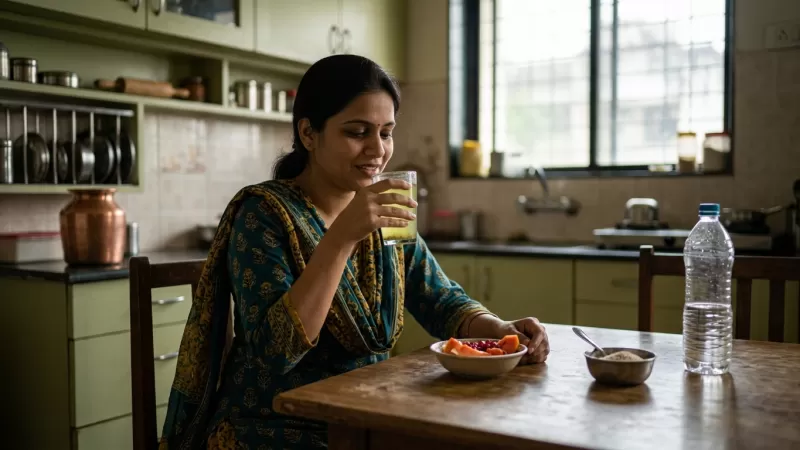
For those with early mornings, a glass of water, chai, or a small handful of nuts before breakfast can steady your energy until you get a chance to eat.
Festivals, Travel, and Family Events: Staying Comfortable
During festivals or family gatherings, meal times often change completely. There’s usually more snacking, richer foods, and late-night meals. It’s natural to feel a bit off—sometimes bloated, sometimes hungry at odd hours.
If you’re traveling (visiting relatives or on a holiday), carry a small box of nuts, khakhra, or a packet of dry fruits. They can tide you over until you get a proper meal. Even at family events, try to have a small portion of plain rice, curd, or dal if heavy foods don’t suit you.
No need to feel guilty for enjoying these occasions—just listen to your comfort and eat slowly. Your body will usually reset itself in a day or two.
Listening to Your Own Body: Gentle Cues
After years of busy schedules, many people find it hard to recognize real hunger or fullness. You might eat because it’s “lunch time,” not because you’re hungry. Or skip a meal, only to feel uncomfortable later. Here’s what tends to help:
- Pause for a few seconds before eating—are you actually hungry or just bored or stressed?
- If you feel very hungry, try to eat slowly, with a few sips of water in between.
- Notice when you feel comfortably full, and stop there—even if there’s food left on your plate. It can be hard, especially when you grew up being told never to waste food, but it’s okay to save leftovers for later.
This kind of gentle awareness usually gets easier with practice. It’s not about perfection, just about small improvements.
When You Can’t Control the Schedule—Do What You Can
Some days, despite your best intentions, things just don’t go as planned. Maybe you have back-to-back meetings, the gas cylinder runs out, or a child falls sick. On these days, be kind to yourself. A missed meal or odd eating time isn’t the end of the world.
Try to drink enough water, have a small snack if you can, and look forward to your next meal. Many families quietly deal with these disruptions—nobody’s routine is perfect, no matter how it looks from the outside.
And remember, flexibility is a skill. It helps you adapt without feeling anxious or guilty.