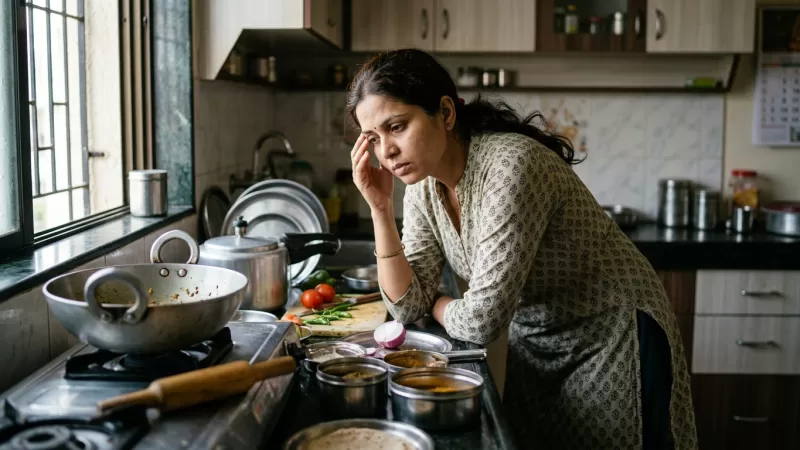
There’s a quiet moment in many Indian homes, often between lunch and dinner, when you feel your energy start to dip. Maybe you’ve been busy with office work, household chores, or helping kids with homework. Suddenly, that familiar afternoon hunger creeps in. If you ignore it, you might find yourself reaching for extra roti or rice at dinner—sometimes eating more than you really want. So, is there a way to handle these mid-meal cravings without upsetting your digestion or routine? It’s possible, and it can be simpler than you think.
Why Afternoon Hunger Happens (and Why It Matters)
Most families in India eat lunch by 1 or 2 pm and dinner often gets pushed to 8 pm or even later—especially in cities, or if you have school-going children and working adults under one roof. That’s a long gap, and it’s quite natural to feel hungry around 4 or 5 pm, especially if your lunch was light or you’ve been active.
You might try to ignore this hunger, thinking it’s better to wait for dinner. But here’s the catch: when you finally sit down to eat, it’s easy to overeat. Many people quietly deal with this every day, and over time, it can make you feel heavy, sluggish, or uncomfortable at night.
So, a smart, balanced snack in the late afternoon isn’t just about “curbing cravings”—it’s about maintaining steady energy and comfort through the rest of your day.
What Does a Healthy Snack Look Like?
When you hear the word “snack,” chips or packaged biscuits might come to mind. But in most Indian kitchens, you’ve got better options within reach. A good snack isn’t about being fancy or expensive—it’s about giving you enough to bridge the gap without making you feel too full or tired.
Generally, try to combine a small amount of protein or good fat with something light and easy to digest. Here are some wholesome choices many families have relied on for years:
- Handful of roasted chana (gram) or peanuts
- Plain homemade poha with a few veggies
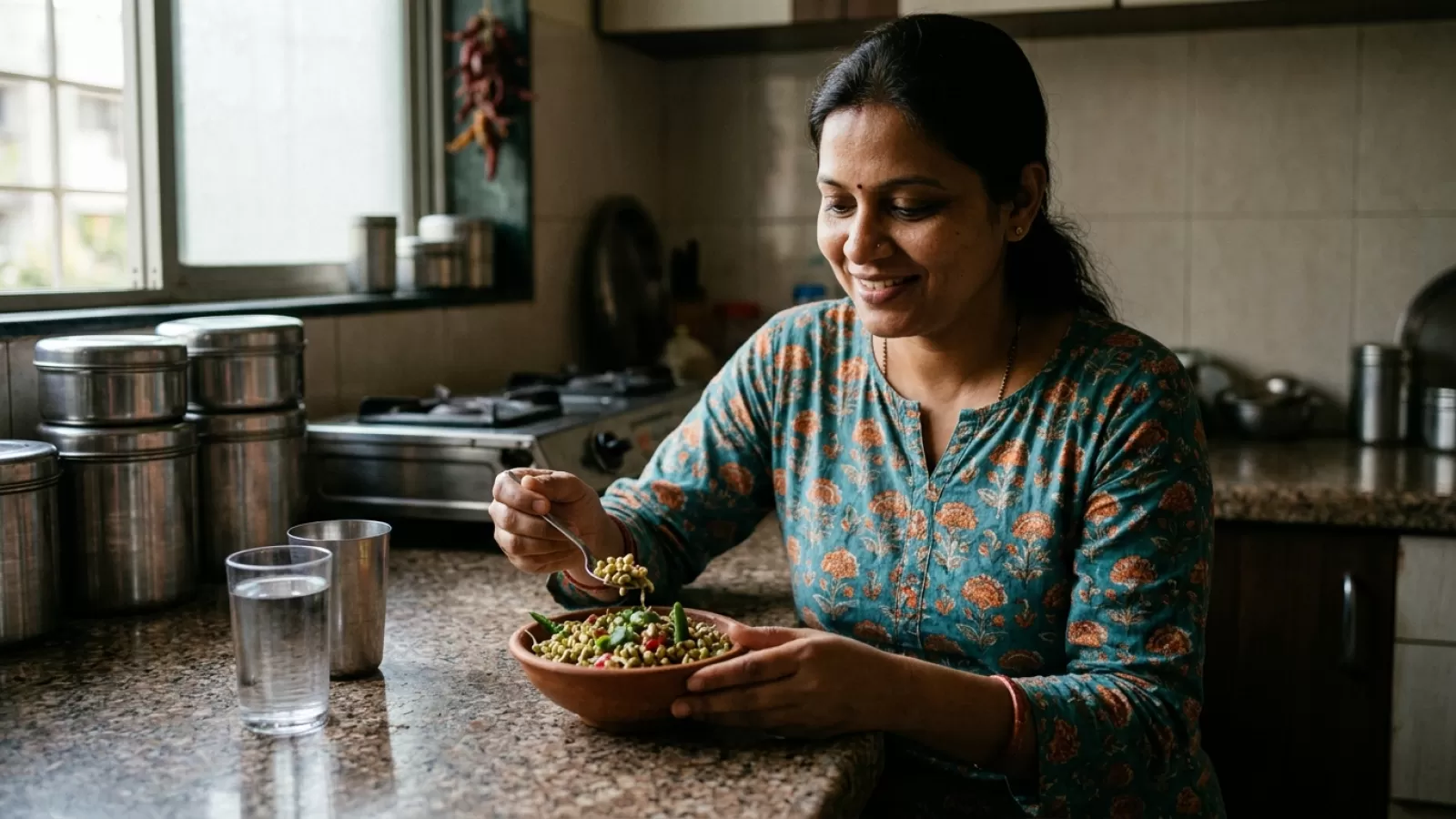
- Sprouted moong salad with lemon and salt
- Fruit slices with a small piece of cheese or a few nuts
- 1 or 2 khakhras with dahi (curd)
- Leftover sabzi with a small roti
You don’t need a complicated recipe. The real trick is choosing something that digests well and won’t spoil your appetite for dinner.
Understanding Your Hunger: Real or Just Boredom?
Sometimes, the afternoon urge to snack comes from habit or boredom, not true hunger. You’ve probably noticed this during long work-from-home days or school holidays—when food is always within reach, it’s easy to wander into the kitchen just to break the monotony.
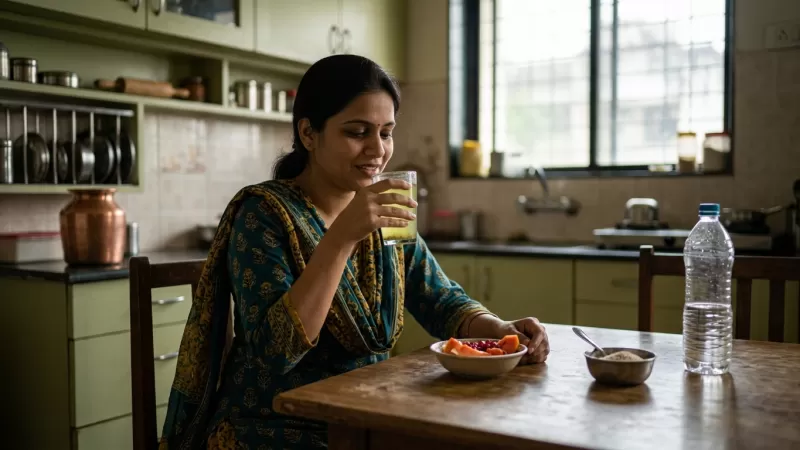
One way to check is to pause and ask yourself: Am I actually hungry, or just looking for a distraction? A glass of water, a short walk, or even chatting with someone can sometimes make that feeling pass.
But if your stomach is genuinely rumbling, or you’re feeling tired and lightheaded, it’s not wise to ignore those signals. That’s your body’s way of saying it’s time to refuel—just do it with care.
Simple Snack Ideas for Busy Indian Homes
Not everyone has time to prepare elaborate snacks every day. These days, with packed schedules and multiple family members on different routines, you need things that are quick and practical. Here are some ideas that tend to work in many Indian households:
- Puffed rice (murmura) tossed with onions, tomatoes, and a pinch of chaat masala
- Cucumber, carrot, or apple slices sprinkled with kala namak or chaat masala
- Half a paratha rolled up with leftover dal or paneer
- Buttermilk or chaas with a dash of roasted cumin
- Homemade idli or dosa with a spoon of chutney (if available)
- Small bowl of dahi (curd) with a little jaggery or fruits
It’s completely normal to repeat snacks that work for your family. Variety is nice, but comfort and ease are just as important.
Snacks That Soothe, Not Overwhelm, Your Digestion
Many people in India, especially as they get older, find that heavy or oily foods in the evening can cause gas, acidity, or discomfort. The tricky part is that popular snacks like samosas, pakodas, or deep-fried items are everywhere—especially during festivals or weekends.
While they’re fine once in a while, making these your daily habit can leave you feeling sluggish or uneasy, especially if you already have digestive sensitivity. Instead, lighter options tend to suit most people’s stomachs better:
- Steamed sprouts with grated coconut
- Thin slices of sweet potato, roasted with a touch of salt and masala
- Homemade besan cheela (small portion)
- Rice flakes (poha) with very little oil
- Fresh seasonal fruits like guava, orange, or papaya
Avoiding heavy or very spicy snacks in the late afternoon can make your dinner—and your sleep—much more comfortable.
Snacking for Seniors: Gentle Choices
Seniors in the family often need something even lighter and easier to chew or digest. Teeth problems, slower digestion, and changing taste buds can make regular snacks less appealing. But skipping snacks entirely can leave them feeling weak by dinnertime.
Some gentle snack ideas for seniors include:
- Soft banana or mashed papaya
- A small bowl of dahi or lassi (not too cold)
- Steamed idli broken into small pieces
- Upma with finely chopped vegetables
- Moong dal soup or thin dal with a bit of jeera
It’s good to keep portions small and to avoid anything very fibrous or spicy, unless you know for sure it suits them.
Making Snacking a Mindful Habit
Here’s something many families notice: snacks eaten in a hurry, while scrolling on your phone or watching TV, tend to disappear fast—and you may not even feel satisfied afterward. Eating mindfully, even for just ten minutes, can make a big difference.
If possible, sit down at the dining table or near a window, and put your snack on a plate or in a bowl. Take a moment to enjoy the taste and texture. It sounds simple, but this habit can help you feel more satisfied and less likely to reach for seconds or unhealthy extras.
Of course, life isn’t always calm—some days you’ll grab a handful of murmura while rushing between meetings or chores. That’s okay. Perfection isn’t necessary; consistency is more helpful.
When Snacking Feels Tricky: Common Challenges
Sometimes, even with the best intentions, snacking can feel complicated. Maybe you’re managing diabetes, or someone in your family is watching their weight. Or perhaps the children are always asking for packaged foods, and you’re tired of saying no.
It helps to remember that a snack is just a small meal—nothing more, nothing less. It doesn’t need to be a battleground. You can invite the family to help plan and prepare snacks together, or keep healthy options visible and easy to grab.
If you’re feeling confused about what’s best for your specific health needs, it’s always wise to check with a registered dietitian. For most people, though, these gentle, homemade options are safe and soothing.
Final Thoughts: Snacking as a Comfort, Not a Complication
In most Indian homes, food is about comfort, care, and connection—not just nutrition. A thoughtful snack in the afternoon can keep your energy steady, prevent overeating at dinner, and even provide a quiet moment of joy in a busy day.
You don’t have to reinvent your kitchen or follow complicated rules. Just listen to your body, choose simple, familiar foods, and make peace with the fact that some days will be more balanced than others. That’s perfectly fine.
After all, it’s these small, sensible choices—made day by day—that tend to keep us well, comfortable, and satisfied at home.