When you think about feeding your family healthier meals, it might sound like a huge project—cutting out this, adding that, worrying about protein or fiber. But here’s something many experienced homemakers and busy professionals quietly learn over time: you don’t need to throw out your favorite recipes or change the soul of your kitchen. Often, just a few small changes in how you cook every day can make your family’s meals more nourishing, while still keeping those familiar flavors everyone loves.
Start With Your Cooking Oils
Oil is a part of daily Indian cooking, whether you’re making tadka for dal, frying onions for sabzi, or greasing a tawa for rotis. You don’t have to stop using oil, but being mindful about how much and which kind can make a real difference.
These days, many families use more than one type of oil at home—sunflower, groundnut, mustard, or even rice bran. Rotating oils (instead of using only one) is generally considered better, as each kind brings its own nutrients. For deep frying, though, it’s easy to go overboard. Maybe keep fried foods as an occasional treat, not a daily habit.
- Try using a spoon to measure oil instead of pouring straight from the bottle—it’s surprising how quickly the amount can add up.
- For tadkas, use less oil and let the spices toast longer for flavor.
- For parathas, a thin brushing of ghee or oil after roasting (not before) can help save on fat but keep the taste.
Simple Swaps for More Nutrition
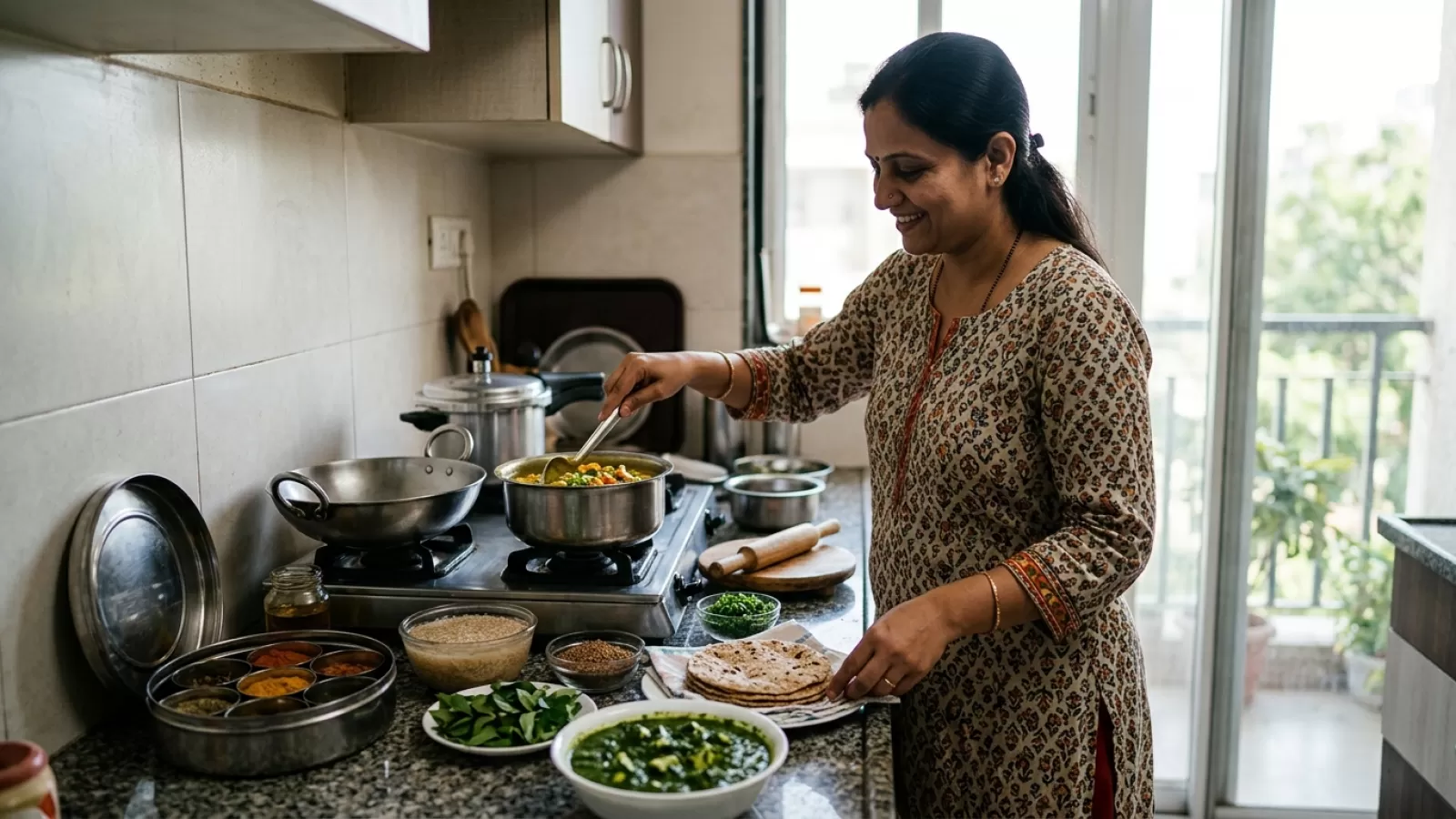
Switching up ingredients here and there is a gentle way to get more nutrients without losing flavor. This doesn’t mean buying expensive or unfamiliar things—just making use of what’s already in many Indian kitchens.
Whole grains are a good example. Instead of just regular white rice or maida-based rotis, you can use brown rice, mix in a little millet (like bajra or jowar), or blend whole wheat flour with a small amount of soya or besan. Most people won’t even notice the change in taste, and you’ll be adding fiber and protein.
- Add a handful of sprouted moong to salads or upma.
- Mix grated vegetables (carrot, lauki, spinach) into atta for rotis or parathas.
- Try using curd or buttermilk instead of cream in gravies for a lighter touch.
These little tweaks are practical, and after a while, they just become part of your routine.
Bring in More Vegetables—Easily
You’ve probably noticed that children (and even some adults) tend to avoid vegetables unless they’re hidden or cooked in a favorite way. The trick isn’t to fight this, but to find easy ways to add more veggies to the foods your family already enjoys.
Think about dishes like pulao, khichdi, poha, or even stuffed parathas. These are perfect for sneaking in extra vegetables—peas, carrots, beans, spinach, and even small bits of beetroot or pumpkin. When chopped finely and mixed well, the taste blends in.
During busy weekdays, it helps to keep some cut or pre-cooked veggies in the fridge. That way, adding them to dal, omelette, or even instant noodles becomes less of a chore.
- Grate or finely chop vegetables for quick cooking and better blending.
- Make a habit of adding at least one green vegetable to daily meals, especially when it’s in season and cheaper.
- Try roasting vegetables in the oven or tawa for snacks instead of deep frying.
Boiling, Steaming, and Pressure Cooking
Indian kitchens are already familiar with boiling and pressure cooking—dal, rice, potatoes. These methods use less oil and help retain most of the food’s natural nutrients. Steaming, though, is still catching on in many households. It’s a gentle way to cook without much fat.
Idlis, dhokla, and momos are classic steamed foods. But you can also try steaming vegetables lightly before adding them to gravies or stir-fries. They cook faster and need less oil afterward.
The only thing to remember: don’t overcook. Overboiling dal or rice until it’s mushy leads to loss of taste and some nutrients. The same goes for vegetables—steam just until tender, not until they break apart.
- Use the leftover water from boiling (like for pasta or veggies) in soup or kneading dough.
- Try making chutneys and sauces with roasted or steamed ingredients for a change.
Some families find that pressure cooking saves not just time, but also gas, which matters these days.
Cutting Down on Salt and Sugar
Salt and sugar are a big part of the Indian flavor palette. Rasam, pickles, mithai, or even chai—the taste just isn’t the same without them. But over time, too much can creep into everyday meals, especially with ready-made snacks and sauces.
Here’s the catch: you can usually cut down gradually, and after a week or two, most people won’t miss the extra salt or sugar. Try using natural flavors—like lemon, amchur, or fresh herbs—to compensate. For sugar, a pinch of cardamom or cinnamon in desserts can bring out sweetness without needing as much sugar.
- Measure out salt and sugar instead of sprinkling by hand.
- Use fresh fruit or dates to sweeten kheer or sheera.
- Reduce the amount in recipes by a quarter, then adjust if needed.
It’s not about making food bland. It’s about letting your taste buds adjust, step by step.
Paying Attention to Portion Sizes
It’s very easy, especially at family gatherings or festivals, to eat a little too much—one more ladle of sabzi, an extra roti, or an extra helping of biryani. In many homes, serving others generously is a sign of love. But sometimes, smaller portions are actually better for everyone’s energy and comfort.
One simple way to manage this is by using smaller plates or bowls for regular meals. When food looks plenty on your plate, you tend to feel satisfied faster. Eating slowly, and waiting a few minutes before going for seconds, helps too.
- Fill half your plate with vegetables and salads before adding rice or rotis.
- Serve desserts in small katoris.
- Try not to eat directly from large serving bowls, especially snacks.
This isn’t about strict rules, but about gentle awareness—especially for those with desk jobs or who spend long hours at home.
Making the Most of Leftovers
Leftovers are a reality in most Indian homes, whether it’s yesterday’s sabzi or extra dal. The good news is that they don’t have to be boring or unhealthy. A little creativity can turn leftovers into new, wholesome meals.
For example, leftover roti can become a quick roti upma or be used as a base for pizza-style snacks. Dal can be added to atta for softer rotis or turned into soup with some extra vegetables. Even rice can be refreshed as lemon rice, fried rice with lots of veggies, or curd rice for hot summer days.
- Mix small amounts of leftover sabzi with besan to make chilla batter.
- Use leftover boiled potatoes in sandwich fillings with a handful of greens.
- Stir leftover dal into soup with spinach or tomato for lunch.
Making use of leftovers isn’t just about saving money; it often means more variety, less waste, and less pressure to cook from scratch every single meal.
Cooking Together, Sharing the Load
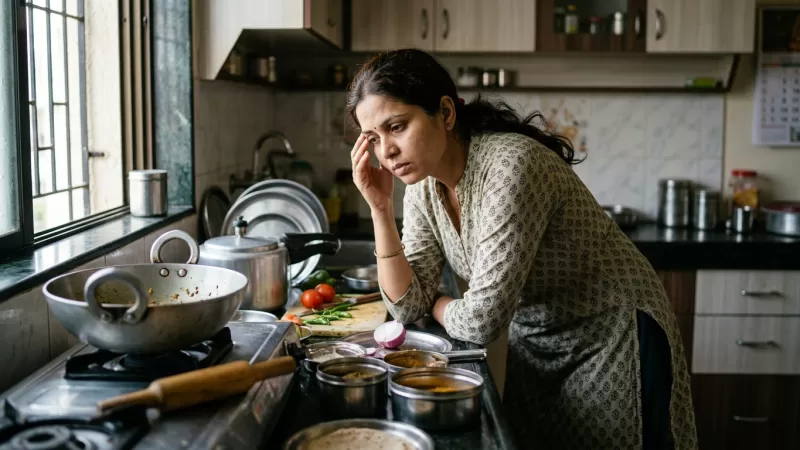
Let’s be honest—making these changes is easier said than done, especially if you’re juggling work, children’s schedules, and elderly parents. Many families quietly deal with the feeling that healthy cooking takes too much time or energy. But involving other family members, even in small ways, can help.
Children can help wash vegetables, set the table, or knead dough. Teenagers might enjoy experimenting with new recipes. Even seniors, if they’re able, can share stories of traditional recipes or offer gentle reminders about taste and balance.
When everyone helps—even just a little—the daily pressure lightens. And when you all sit down together, even a simple meal feels satisfying and warm.
That’s something worth making time for.