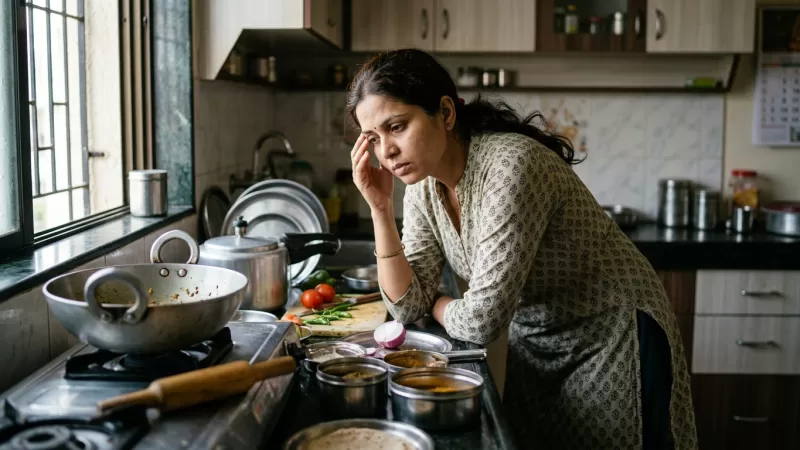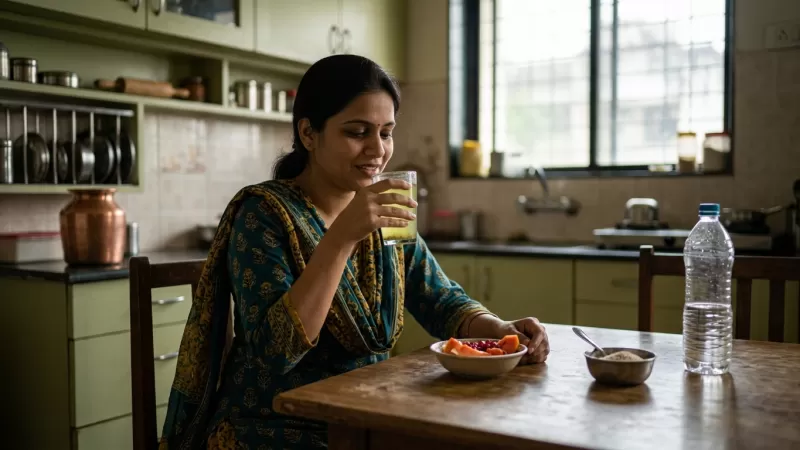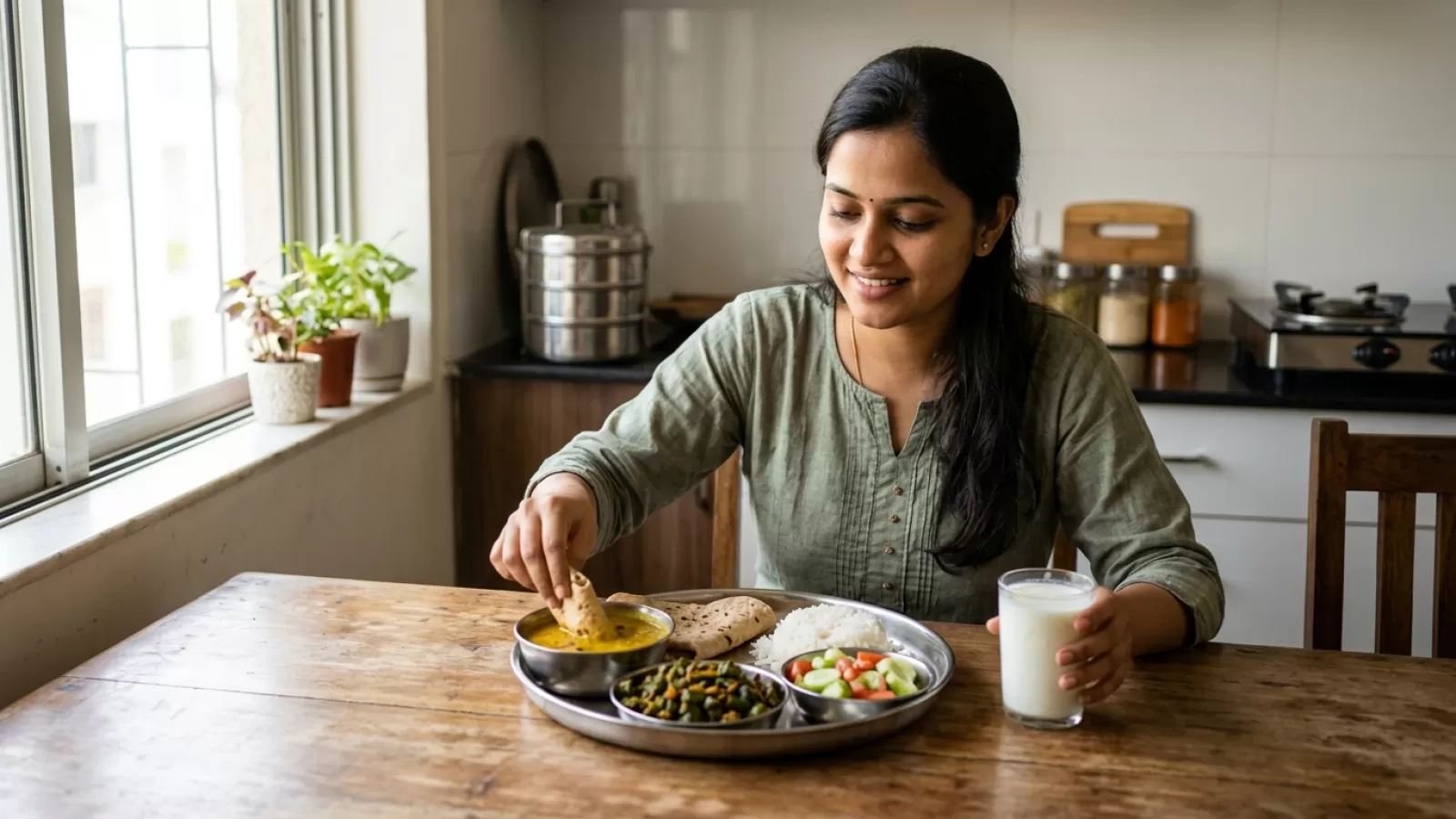
It’s easy to feel tired of all the strict food rules these days – no sugar, no rice, eat only salads, fast for hours, and so on. You might’ve tried following such diets for a while, only to find yourself slipping back into old habits. Honestly, in most Indian homes, the pressure to eat perfectly can turn simple meals into a headache. The good news? You don’t need to follow rigid diets or give up all your favourite foods to eat well at home. It’s entirely possible to stay healthy with gentle, flexible habits that actually fit your life.
Why Strict Food Rules Rarely Work in Indian Homes
Let’s be honest: daily life in India isn’t built for fussy meal plans. Office hours go late, children demand different foods, and sometimes, there’s just last night’s sabzi to work with. Special diets might sound nice in theory, but they often clash with reality.
You’ve probably noticed that saying "no rice ever" or "only boiled food" is difficult to stick with for long. The moment festivals or family get-togethers happen (which is often), those rules go out the window. Many people quietly feel guilty for not keeping up, but really, it’s the rules themselves that are too harsh for most of us.
Here’s the thing: food is about comfort, family, and routine. When you force yourself into a corner with rigid rules, it starts to feel like punishment instead of self-care. That’s not sustainable for most people, especially with the way Indian food and life are set up.
What Flexible Eating Really Means
Flexible eating doesn’t mean eating whatever you want, whenever you want, with no thought at all. It’s about working with your usual foods and routines, not against them. Most of us already have a core set of dishes – dal, roti, sabzi, rice, chutney, maybe some non-veg or paneer on some days.
The difference is in your approach. Instead of banning foods or feeling bad about "breaking" a diet, you listen to your body and adjust as you go. If you had a heavy lunch, maybe dinner is lighter – or if you skipped breakfast on a rushed morning, you simply start from the next meal instead of feeling guilty.
Flexible eating feels forgiving. It means you can enjoy a ladoo during Diwali, a samosa at chai time, or a late-night bowl of curd rice without thinking you’ve failed. That way, healthy habits become something that slips quietly into your life, rather than something you keep fighting.
Making the Most of What’s Already in Your Kitchen
Most Indian kitchens are full of healthy basics – not fancy superfoods, but everyday items like dal, vegetables, rice, whole spices, and some ghee or oil. There’s no need to overhaul your shopping list or buy expensive “diet” ingredients.
Here are some gentle ways you can make the most of what’s already at home:
- Mix up your regular dals – try moong, masoor, chana, or urad for variety.
- Add more seasonal vegetables to your sabzi or sambar. Even small handfuls count.
- If you usually make white rice, swapping in brown rice or millets once or twice a week can add some fibre.
- Use homemade chutneys, raita, or pickles in moderation to add taste without much fuss.
- Keep roasted chana, nuts, or murmura handy for tea-time snacks instead of always reaching for biscuits.
That said, don’t feel pressured to cook elaborate new recipes every day. Simple tweaks to your usual meals are often enough for most families.
How to Listen to Your Body’s Signals (Without Overthinking)
In many homes, meal times are decided by the clock or by what’s available, not always hunger. These days, with work-from-home and changing schedules, the old routines get shuffled even more. Sometimes, you may eat just because it’s lunch hour, even if you’re not very hungry – or skip meals because you’re too busy.
Learning to notice your body’s signals can help you eat the right amount, rather than following strict portion rules. You might start by pausing for a moment before and during meals, just to check in: Am I hungry, or just bored? Am I full, or still wanting more?
This isn’t about being obsessive or counting every bite. It’s more about building gentle awareness. Over time, you’ll notice that your needs change – on some days you’ll want a second helping, and on other days, one roti is enough. That’s normal.
One thing: It takes practice, and there will be days when you eat too much or too little. Try not to judge yourself harshly. Most families quietly go through this, adjusting as needed.
Working with Family Preferences (Not Against Them)
In joint or even small families, everyone has their own preferences and needs – the grandparents may want soft food, kids want less spice, someone’s diabetic, someone else keeps asking for fried snacks. It can get overwhelming to balance all these without feeling like a short-order cook.
The trick is to keep the base meal simple and offer small add-ons. For example, make a mild dal and keep a small bowl of fried tadka or masala on the side. Serve plain rice and keep a plate of salad or pickle nearby for those who want it. That way, no one feels left out, and you aren’t cooking separate dishes for everyone.
It’s also okay to set gentle household norms: "We’ll all eat together as much as possible," or "Sweets are for weekends." These aren’t rigid rules, just soft boundaries that make daily life smoother.
Dealing with Cravings and Festive Eating (Without Guilt)
There’s no escaping cravings – they happen to everyone, especially during festivals, weddings, or just stressful days. In Indian homes, you’ll find a box of mithai, spicy mixture, or leftover cake lying around at most times.
The trouble starts when you tell yourself “never again” and then end up overeating when you finally give in. A more relaxed approach? Allow yourself a small serving, eat it mindfully, and move on. No self-blame needed.
During festivals or special occasions, it helps to stick to your usual breakfast or lunch before the big meal, instead of fasting all day and then overeating. If you’ve overdone it, just return to your regular meals the next day. No need for harsh “detox” or crash diets.
Remember, food is a source of joy and connection – not just fuel.
How to Handle Eating Out and Takeaway Meals
With busy schedules and traffic, ordering food is almost a weekly habit for many families now. It’s easy to feel like all your healthy routines go out the window when you eat out, but that’s not always the case.
You can use a few simple tricks to make outside meals a bit lighter:
- Share heavy dishes (like butter chicken or biryani) instead of ordering one per person.
- Add a salad, raita, or plain curd to balance out rich curries or fried food.
- If you’re ordering pizza or burgers, try to eat slowly and stop when you’re just full, rather than stuffing yourself.
- Drink water before and during the meal – it helps you pace yourself.
Sometimes, you’ll end up eating more than you planned. It happens. No need for guilt or "making up" by skipping meals later. Just return to your normal home food the next day. The body usually balances out over time.
Building Healthy Habits That Actually Last
So, what makes a healthy way of eating actually stick, especially in Indian households? It’s not about perfection. It’s about small, repeatable habits that fit your life and don’t make you feel deprived.
Here are a few gentle habits that seem to work for many families:
- Keep mealtimes roughly regular, but don’t panic if things run late.
- Try to eat together as a family – it often leads to more balanced meals.
- Include a mix of grains, dal, and veggies at most main meals.
- Drink water through the day, especially in hot weather.
- Allow yourself treats, but enjoy them without rushing.
- Move a little every day, even if it’s just a walk around the house or doing chores.
Don’t worry if you have off days or weeks when things feel messy. That’s life. The goal isn’t to eat perfectly, but to eat in a way that supports your body, mind, and family over the long run.
Letting Go of Food Guilt and Comparison
It’s easy to get caught up comparing your meals to what you see online or what others are doing. In reality, most people have days when they eat too much, skip a vegetable, or have instant noodles for dinner. That’s not a failure – it’s just part of living.
If you find yourself feeling guilty or ashamed about food, try to notice it and let it pass. Remind yourself that healthy eating is a journey, not a set of punishments or competitions. Your body needs kindness as much as it needs nutrition.
In the end, the most sustainable habits are usually the ones that feel natural and gentle. Rigid rules come and go, but everyday foods and small adjustments tend to stick around for years.
And that’s often good enough.