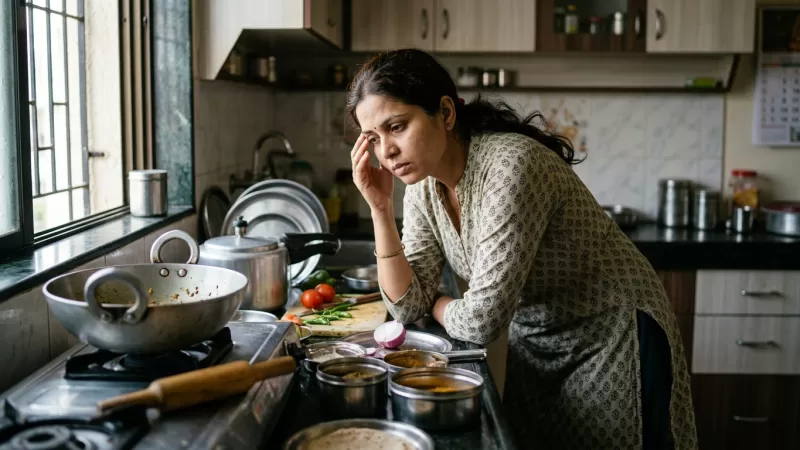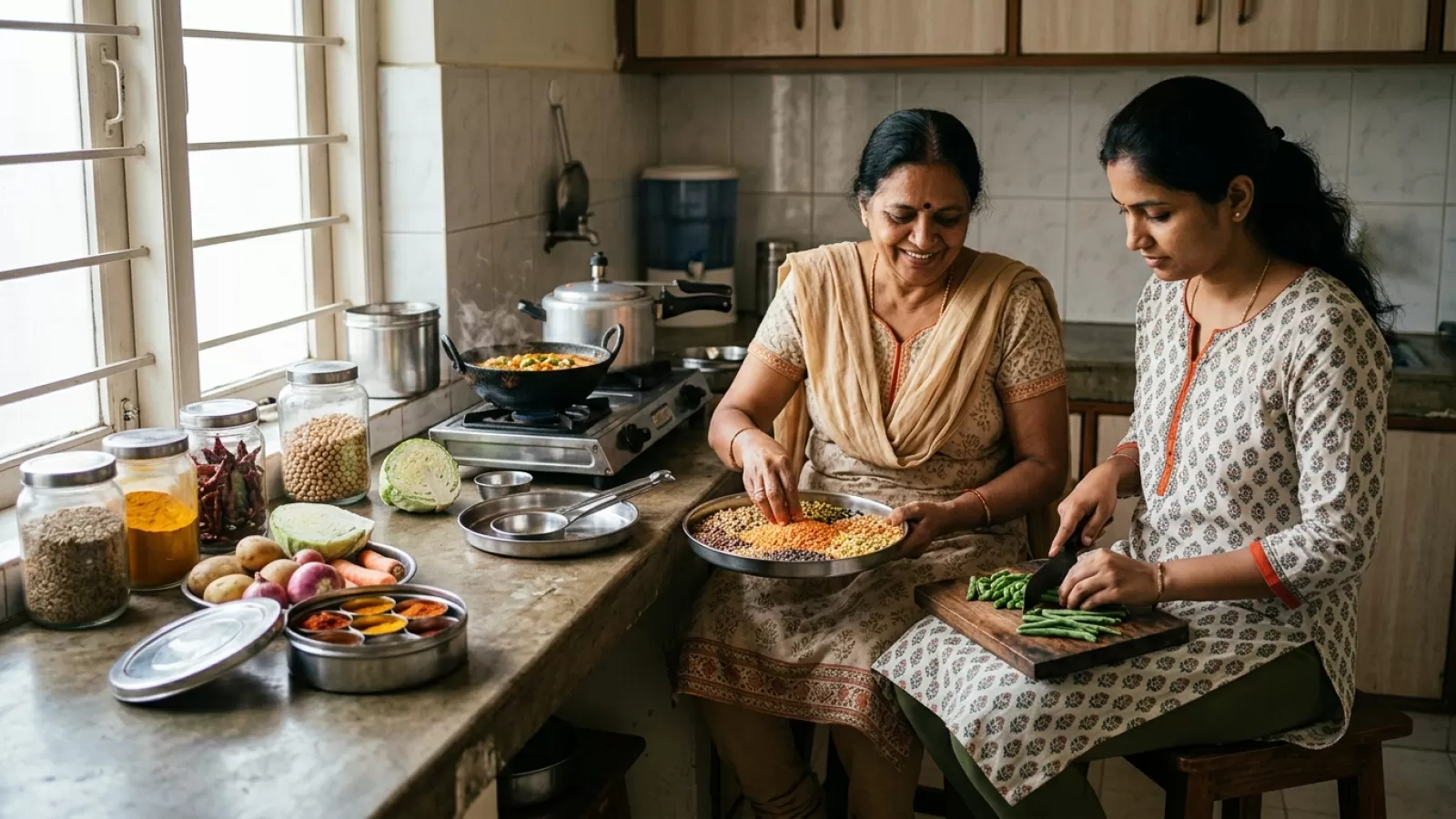
These days, keeping the kitchen stocked without feeling anxious every time you check prices is becoming a real struggle for many Indian families. Whether you run a joint household or manage meals for a small family, the cost of groceries can easily eat into your monthly budget. But quietly, across generations, people have found ways to make simple, tasty meals without breaking the bank. The trick is not about eating less, but about thinking smart—balancing nutrition, family tastes, and what’s possible on a tight budget. Here’s a guide that connects old habits with a few new strategies, so you can plan meals that fill both stomachs and hearts, even as prices keep rising.
Understanding What 'Eating Well' Really Means
When you hear “eat well,” it’s easy to imagine expensive foods—fancy fruits, big brands, imported ingredients. But in most Indian homes, eating well has always meant making the best with what’s available. Dal, rice, roti, local vegetables, and a touch of ghee form the backbone of healthy meals for millions. You don’t have to buy exotic items to feed your family well.
What matters most is balance. A plate with some protein (dal, chana, eggs if you use them), a good portion of vegetables, and some grains is usually enough. Families have managed with this routine for generations without daily treats or packaged snacks.
Sometimes, the pressure to “upgrade” your grocery list comes from outside—advertisements, social media, or even friendly neighborhood comparisons. It’s okay to ignore this noise. Focus on what works for your family, your budget, and your health.
Planning Ahead: The Core of Grocery Savings
One habit that really helps is planning meals in advance. It doesn’t have to be a stiff timetable—just a rough idea of what you’ll cook through the week. Most people find that when they skip this step, they end up buying extra items or wasting food.
In many homes, a small notepad or a whiteboard on the fridge keeps everyone on the same page. You can jot down what’s running low, meals planned for the next few days, and special needs (like festival recipes or guests).
- Check what’s already in your pantry before making your list.
- Plan for leftovers—yesterday’s sabzi can become today’s filling for a paratha.
- Factor in busy days—on late workdays, plan a quick dal-rice or upma instead of two sabzis.
It’s a small step, but over time, it means less food thrown away and fewer panic purchases.
Smart Shopping: Choosing the Right Places and Times
Where and when you shop makes a big difference. You’ve probably noticed local mandis or weekly haats often offer fresher and cheaper vegetables than supermarkets. The catch is, you may need to wake up a little earlier or plan your week around the market day.
Shopping in bulk for staples like rice, atta, dal, and spices usually saves money. Many families quietly pool together for larger buys, especially in apartment complexes or among relatives. Bulk doesn’t mean buying more than you need—only what you can store safely without wastage.
- Visit markets towards the end of the day for discounts, but check freshness.
- Compare prices between kirana stores, online apps, and big chains during sales.
- Sometimes, store-brand or loose grains are just as good as branded ones.
The tricky part is resisting impulse buys. Supermarkets and apps are designed to tempt you with “special offers” on things you may not actually need.
Traditional Cooking Habits That Stretch the Rupee
Many of the old habits passed down by parents and grandparents are surprisingly practical when money is tight. Meals built around dal, seasonal vegetables, and grains are not only affordable—they’re nutritious, too.
One-pot dishes like khichdi, pongal, vegetable pulao, or sambar rice can feed a family with minimal ingredients. Rotis paired with chutney or leftover sabzi make a filling breakfast or lunch. Adding a handful of sprouts, peanuts, or simple homemade yogurt can quietly improve nutrition without much extra cost.
- Use vegetable peels and stems for stock or chutney instead of throwing them away.
- Dry leftover rice for making chivda or use it for fried rice the next day.
- Soak and cook dry beans (rajma, chole) instead of buying canned versions.
These habits aren’t just about saving money—they often reduce effort and cooking time, too.
Seasonal and Local: The Quiet Heroes of the Indian Kitchen
Buying what’s in season is almost always cheaper and tastier. During winter, you’ll see heaps of fresh methi, sarson, and carrots at the market. In summer, bottle gourd, cucumber, and mangoes take over. Local, in-season produce usually travels less, so it stays fresh longer and costs less.
There’s a practical beauty in the old routine of adjusting meals to the season—mooli paratha in winter, bhindi sabzi during the first rains, or light lauki sabzi when it’s hot. These dishes aren’t fancy, but they fill you up and suit the weather.
- Ask vendors about the freshest or cheapest vegetables each week.
- Try lesser-known local greens—often cheaper than more popular ones.
- Adapt recipes to what’s available, rather than searching for expensive missing items.
Sometimes, it’s just about being open to a little change in the weekly menu.
Protein on a Budget: Simple, Everyday Ways
It’s common to worry about getting enough protein without spending heavily on meat or packaged foods. The truth is, Indian kitchens already use many affordable protein sources—dal, chana, peanuts, curd, and eggs (if you eat them).
Many families quietly add boiled chana or moong to salads, mix besan into cheelas, or make a simple dahi kadhi. If you have growing children or seniors at home, these small additions can help meet daily needs.
- Soak and sprout beans for snacks or side dishes.
- Make simple paneer at home from leftover milk.
- Include roasted chana or peanuts as a tea-time snack.
Here’s something to remember: You don’t need a “high-protein” diet as advertised on TV. Balanced, regular meals with everyday ingredients usually do the job well.
Minimizing Waste: Quiet Savings, Day by Day
Most households lose money not from what they buy, but from what they throw away. It’s easy to forget a bag of vegetables at the back of the fridge, or cook extra rice that nobody touches the next day.
Some families get into the habit of a weekly “fridge check” before shopping—using up wilting veggies in a mixed sabzi, or turning old chapatis into quick snacks with a little tadka.
Leftovers aren’t a sign of poor planning—they’re an opportunity. With a bit of creativity, yesterday’s meal can become today’s breakfast or snack.
- Store cooked food in clear containers so it doesn’t get forgotten.
- Portion out grains or flour into smaller jars to avoid spoilage and pests.
- Compost peels and scraps if you have space—plants love it, and it reduces garbage.
Even small changes here can quietly add up over the month.
Gentle Reminders for When It All Feels Overwhelming
Let’s be honest—some months, no amount of planning or habit-building makes it easy. There are school fees, medical expenses, sudden guests, or just the tiredness of keeping up. It’s normal to feel frustrated or even a bit defeated at times.
On these days, it helps to remember that every family goes through this. Don’t compare your kitchen or your routines to anyone else’s social media posts or stories. Simple food cooked with care is enough.
If you slip up—maybe you ordered in more than planned, or let veggies go to waste—don’t be hard on yourself. The trick is to start again the next week, using what you learned. Slow adjustments over time usually work better than big, sudden changes.
After all, you’re feeding your family with love, patience, and a bit of old-fashioned common sense. That’s what matters most in the end.