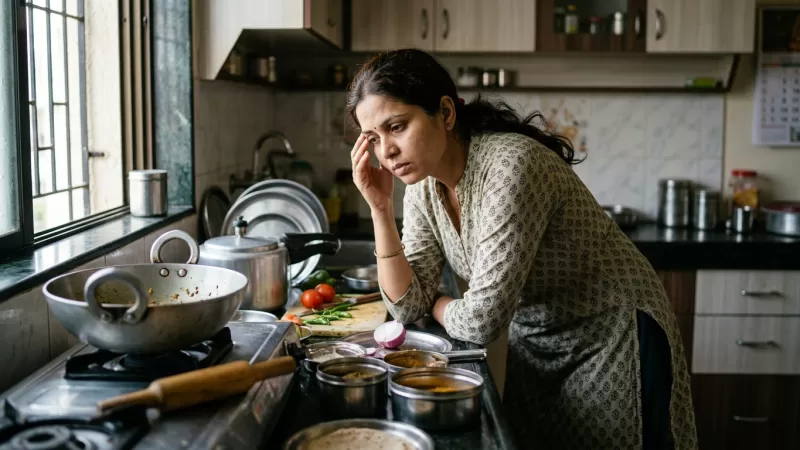
There are days, sometimes weeks, when just the thought of cooking can feel like a heavy weight pressing down on you. You may have stood in the kitchen, staring at the vegetables, wondering how you’ll get through yet another round of chopping, stirring, and cleaning. Emotional fatigue around daily cooking is something many Indian families quietly deal with—especially homemakers juggling everyone’s tastes, working professionals logging long hours, or seniors missing the energy they once had. The good news is, you’re not alone in feeling this way. Let’s talk about food habit patterns that can gently support you through these periods, so that nourishment doesn’t become yet another source of stress.
Why Cooking Feels Emotionally Heavy Sometimes
Cooking is often tied to care and duty. In many homes, feeding the family is a daily responsibility, expected to be carried out without complaint. But real life isn’t so tidy. Some days you’re tired from work, or your mood is low, or you’re simply bored of the usual dal-chawal routine. It’s perfectly normal.
Indian kitchens, especially, can be busy places—pressure cookers whistling, tawa on the flame, someone asking for chai. You might hear constant background noise from the TV or kids. It all adds up. Over time, the emotional load of planning, prepping, and serving every day can quietly drain you.
Fatigue isn’t always about physical energy. Sometimes, it’s just the mental load of making choices, keeping everyone happy, and meeting cultural expectations. If you’ve noticed yourself feeling irritable or blank while cooking, that’s a signal to pause and rethink your approach, not a failure.
Accepting Simplicity (And Letting Go of Perfection)
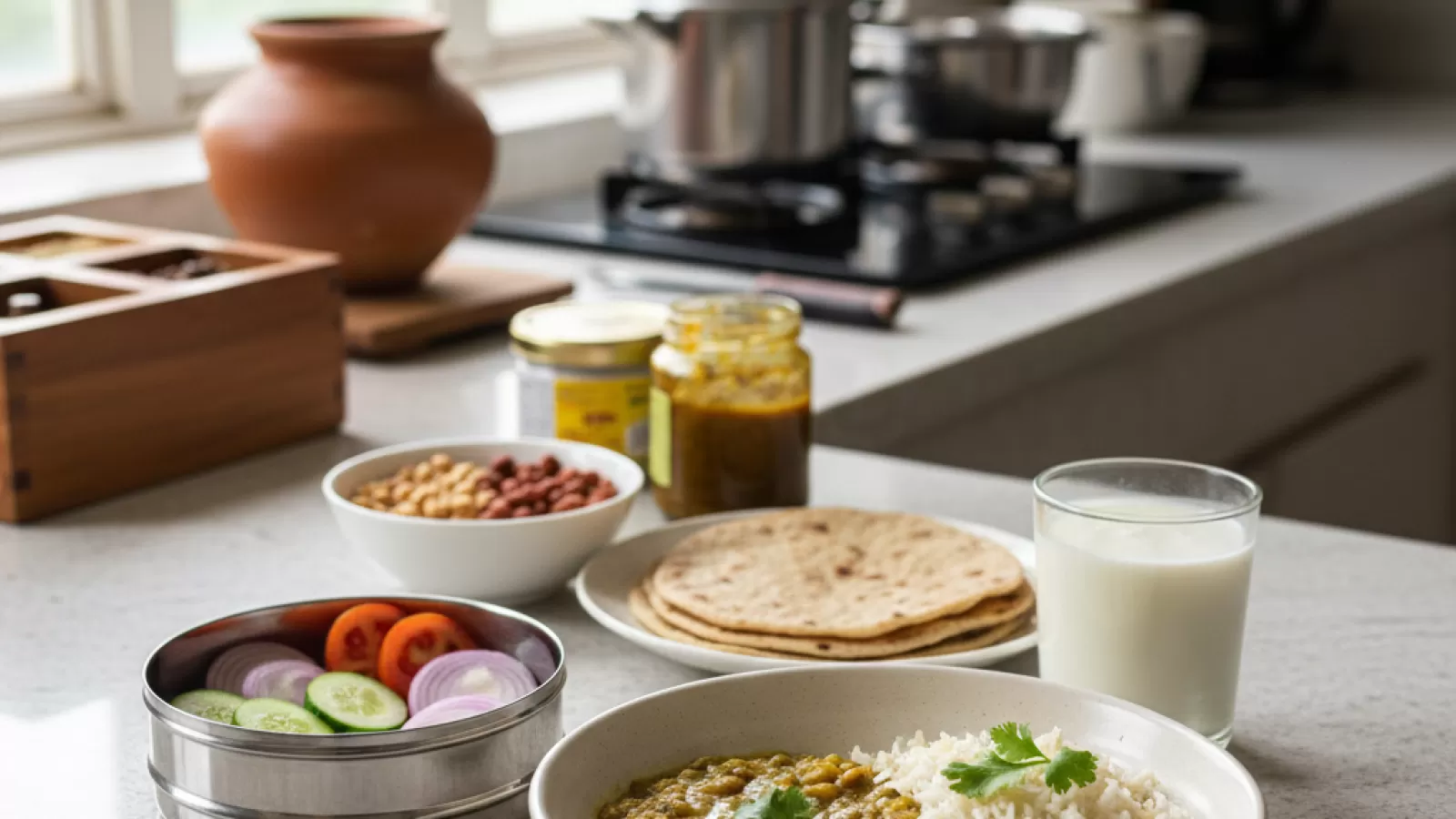
One pattern that helps is giving yourself permission to keep meals simple. In many Indian homes, there’s an unspoken pressure to serve a full spread—sabzi, dal, rice, roti, salad, sometimes even dessert. But most families are just as satisfied with a single-pot khichdi or a hearty upma on busy nights.
Here’s the catch: letting go of variety or presentation doesn’t mean you’re neglecting anyone’s health. If the meal is filling, has some protein and a little veggie, it usually does the job. Over time, you’ll notice that most people quietly appreciate the relief of less washing up and fewer leftovers.
Simple doesn’t have to mean boring. Even a quick tadka on leftover rice, or a bowl of curd with roasted jeera, can feel nourishing. On those tough days, focus on the basics and remind yourself: good enough is truly enough.
Batch Cooking and Planned Leftovers
Cooking once and eating twice (or more) is a habit pattern that eases pressure, especially during emotionally low periods. Many working families in recent years have started making double batches—think extra dal, more sabzi, or even chapatis stored in a dabba for the next meal.
This isn’t a shortcut to feel guilty about. In fact, it’s practical. Dal, chole, rajma, and even cooked bhindi or aloo sabzi stay fine in the fridge for a day or two. Leftover rotis, when reheated with a little ghee, are still comforting, especially with a cup of chai.
- Make larger quantities of basic curry bases (onion-tomato masala) and store for quick use.
- Parboil and refrigerate potatoes or other sturdy veggies for speedy sabzi later.
- Use leftover rotis to make quick rolls or frankies with whatever filling is handy.
Lean into this style when you’re feeling low—batch cooking gives you breathing room for a couple of meals, and most families adjust quickly to this rhythm.
Quick, Nourishing One-Pot Meals
When energy is low, one-pot meals are a quiet relief. These dishes reduce clean-up, cut down steps, and still deliver on taste and nutrition. Most Indian kitchens already have a few go-to options: khichdi, pulao, sambar rice, or even a simple dalia with seasonal veggies.
The beauty of these meals is that you can adjust them to what you have. No carrots? Leave them out. Only two potatoes left? That’s fine. There’s a reason why khichdi is a comfort food across so many regions—it’s gentle on the stomach and the mind.
Some more ideas:
- Besan chilla stuffed with leftover sabzi
- Curd rice with a tempering of mustard seeds and curry leaves
- Tomato rice using leftover rice and a quick tadka
- Moong dal soup with a squeeze of lemon and coriander
Don’t underestimate how much these easy options can help, especially on emotionally heavy days.
Shared Responsibility and Family Involvement
In many Indian families, the cooking routine falls on one person, often the mother or elder. While this is traditional, it doesn’t always fit with today’s pace of life or emotional realities. If you’re feeling the pressure, it’s perfectly okay to ask for help or delegate small tasks.
Even young children can rinse vegetables or set the table. Teenagers can be taught simple tasks—making chai, boiling eggs, or rolling rotis. Spouses, too, can pitch in, even if it’s just chopping onions or cleaning up afterwards. The point isn’t perfect teamwork, but sharing the emotional and physical load.
Many families see this as a way to bond, not just get the work done faster. Conversations often flow more easily over chopping boards and kitchen counters than at the dining table. That said, the first step is simply voicing your need for support—sometimes others don’t realise how heavy the daily routine feels.
Making Peace with Takeaway and Ready-Made Foods
There are days when you just can’t bring yourself to cook at all. The guilt around ordering food or using ready-made items is very common in Indian households, especially among homemakers. But in reality, an occasional break is not going to harm anyone’s health or family culture.
These days, there are many more options beyond heavy restaurant food—idli-dosa from a local vendor, fresh rotis from a neighbourhood tiffin service, or even semi-cooked dals from the supermarket. Choosing these sometimes isn’t a sign of laziness; it’s a practical adjustment for tough times.
The tricky part is balance. If you notice you’re relying on outside food most days, it might help to keep a few emergency home-cooked items in the freezer—think parathas, cooked dal, or even homemade chutney. That way, you have something to fall back on when the emotional load spikes.
Gentle Meal Planning for Low-Energy Weeks
Planning out meals doesn’t mean you have to stick to a rigid schedule, but having even a rough plan for the week can reduce the number of decisions you face each day. This is especially helpful when you’re feeling drained.
Some people like to write a list of five or six basic meals their family enjoys and rotate through them, adjusting for what’s available in the fridge. Others might do a quick inventory on Sunday evening, then jot down a loose plan for the next few days.
You could try:
- Grouping meals by ease—like "Khichdi or upma on busy days, full thali on weekends"
- Keeping a list of 10-minute recipes handy for emergencies
- Batch chopping onions, tomatoes, and green chillies in advance
Don’t worry if you stray from the plan. The point is to lighten your mental load, not add to it.
Listening to Your Mind and Body
There’s a quiet wisdom in noticing when cooking starts to feel like a burden. Sometimes, your mind and body are simply asking for rest, variety, or a change in pace. If you find yourself dreading the kitchen, it can help to take a short break, step outside for a few minutes, or even just sit with a cup of tea before starting.
On other days, you might find comfort in the predictability of cooking—a familiar routine that anchors you during stressful times. It goes both ways. There’s no single right answer, and your needs may shift with the seasons or life changes.
If nothing else, remember this: it’s okay to feel tired, and it’s okay to adjust your food habits to support yourself through these phases. Many families quietly ride these ups and downs, and with a little flexibility, you will too.