With festivals, weddings, and family events often packed into certain weeks, many of us find our regular eating patterns tossed aside. Suddenly, there's a parade of sweets, fried snacks, late-night dinners, and all sorts of tempting dishes from different relatives' kitchens. You might feel a mix of excitement and worry—how will your body handle the extra treats, the heavier meals, and the unpredictable timings? The good news is, you don’t have to choose between strict self-denial and giving up on comfort entirely. There’s a middle path that many families quietly follow, even if it’s not talked about much.
Why Comfort Matters During Festive Weeks
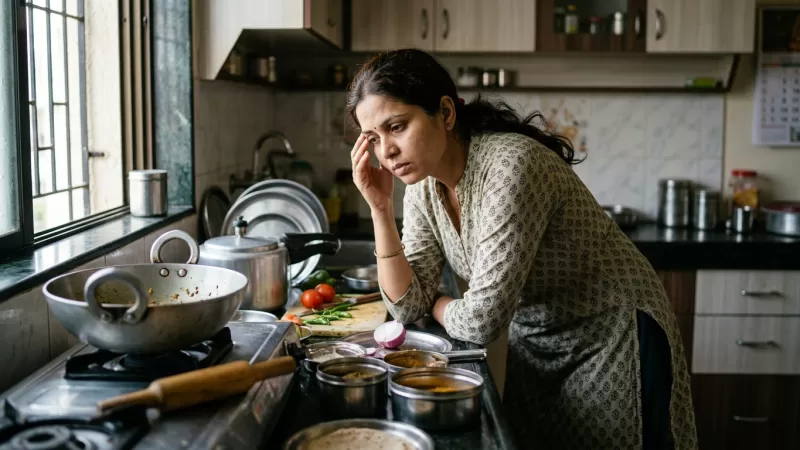
Festive or event-filled weeks in India can be joyful but also exhausting, especially when meals get richer and routines change. You may notice your stomach feels heavier, sleep gets disturbed, or you’re more sluggish in the afternoons. It’s normal; our bodies like some rhythm, and festivals rarely offer that.
But here’s the thing: comfort isn’t about perfection. It’s about small, gentle adjustments that make you feel a little more like yourself, even when the calendar is bursting with commitments. You don’t need to say no to every favourite food or treat every event as a "cheat day."
What tends to work best is a calm, flexible approach—one that respects celebration but quietly supports your body’s needs in the background.
Start With Your Mornings
Mornings during festive weeks can be rushed: guests in the house, preparations for pooja, or perhaps a late night followed by early errands. Even so, starting your day with something familiar and light can make a surprising difference.
You don’t need to whip up anything fancy. Many families find comfort in a small bowl of dahi with poha, a banana, or even just a glass of warm water before tea. If you have a habit of chai and biscuits, that’s perfectly fine—just try not to skip the first meal altogether. The body runs better when it’s not thrown into the day on an empty stomach.
That said, sometimes the house is too busy, or you’re not hungry early. In those cases, simply carrying a fruit or a handful of nuts in your bag can help tide you over until the first real meal.
Lunches: Keep Familiarity in the Mix
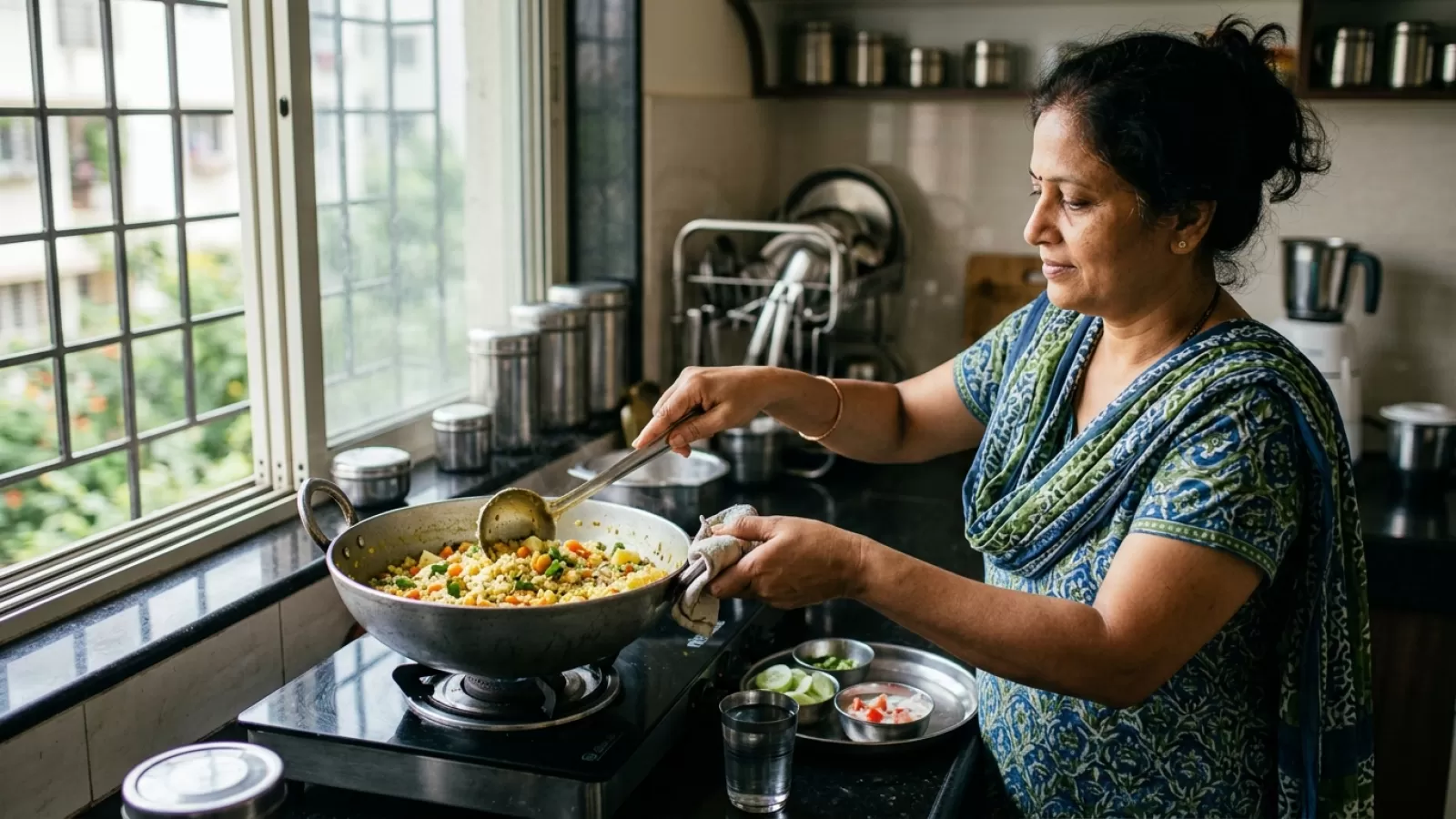
During festivals, lunches can swing between simple home dal-chawal and full-on feasts. On days when you can, try to anchor yourself with something you’re used to—a little rice, dal, sabzi, and salad. These gentle, familiar foods help keep your stomach settled and provide steady energy.
Here are a few small adjustments that help without feeling like a punishment:
- If there’s a heavy meal planned, consider a lighter lunch: maybe just curd rice, khichdi, or a plain roti with sabzi.
- If sweets are making the rounds, have a small piece after lunch instead of as a snack, so it’s part of your main meal.
- When eating out or at a friend’s place, start with a small serving of salad or vegetables if available—just to give your stomach something gentle first.
Not every meal will go as planned. That’s okay. The body can handle variety, as long as it gets some familiar food in between.
Snacks and Sweets: The Gentle Middle Path
This is where most of us feel the tug between enjoyment and worry. Sweets, fried snacks, and rich savories seem to multiply during festivals. You don’t have to avoid them entirely, but a little gentle structure helps.
Many people find it useful to:
- Decide (softly) to have sweets with meals, not alone as frequent snacks.
- Share sweets with others—half a piece is still festive.
- Keep a bowl of cut fruits or some roasted chana in sight for when you’re genuinely hungry between meals.
There will be times when you eat more than you planned. It happens. Try not to let guilt take over; instead, just return to something lighter at the next meal.
Dinners: Calming Down the Day
Dinners during festival weeks are often late and sometimes heavier than usual. If you’ve already had a rich lunch or lots of snacks, a simple dinner goes a long way in easing your body into rest.
Some families like to keep moong dal soup, curd rice, or even just a bowl of dahi and a fruit as a backup option for late nights. Others might prefer a light roti with sabzi. The idea isn’t to deny yourself, but to give your digestion a bit of a break before bedtime.
If you do end up having a big dinner, a short, easy walk afterwards—maybe just along your building corridor or terrace—can feel surprisingly soothing. Not all traditions are about food; some are just about winding down together.
Staying Hydrated Without Fuss
Often, during celebrations, we forget to drink enough water. Tea, coffee, and soft drinks flow freely, but plain water quietly takes a backseat. The result? You might feel more tired, bloated, or even a little irritable.
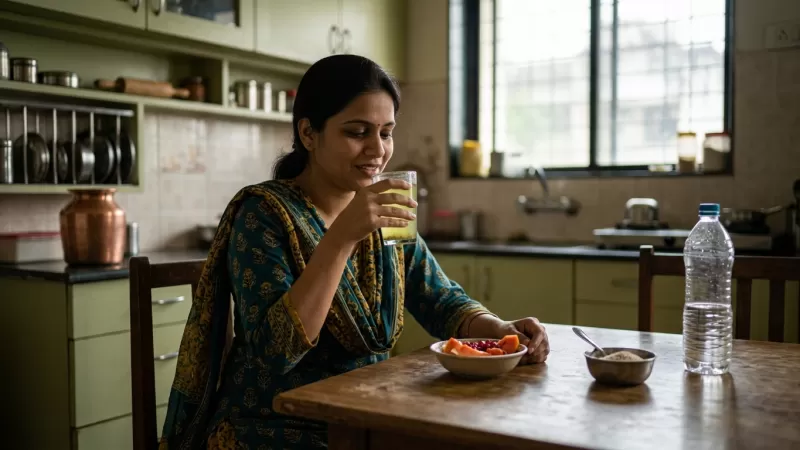
The trick isn’t to count glasses, but to keep water easy to access. Fill a bottle and keep it where you’re sitting or working. Offer water to guests, not just tea. If you’re running around, even a glass of nimbu paani or coconut water helps.
Sometimes, adding a slice of lemon or a few tulsi leaves to your water makes it more inviting. Small things, but they help.
Handling Social Pressure Gently
This is a big one in many Indian homes. Relatives love to offer more, urge you to eat, and sometimes even feel hurt if you say no to a favourite dish. It’s tricky—especially for those managing health issues or just wanting to feel light.
Most families understand, even if they fuss. You might find it easier to take a small serving and enjoy it slowly, or to say, “I’ll have some later,” and quietly move on. If you’re hosting, keep a few lighter options on the table for yourself and anyone else who might want them.
It’s hard to please everyone. Just remember, festivals are about being together, not just about food. No one meal will make or break your health in the long run.
After the Festivities: Resetting With Kindness
Once the last guest leaves and the house returns to normal, you might feel a bit heavy or tired. The urge to “detox” or go on a strict diet is strong these days, especially with so much advice floating around. But the body usually recovers well with just a few days of simple, home-cooked food, steady sleep, and regular walks.
Instead of drastic changes, you might try:
- Returning to your usual meal timings, as best you can.
- Choosing lighter foods for a few days: more dal, sabzi, fruits, and curd.
- Letting go of guilt—festivals are for enjoyment, and comfort returns gradually.
Most people find their balance again within a week or so, especially if they allow the body to rest and not jump into extremes.
A Few Simple Reminders
Festive weeks are special, but they’re also demanding. You’re likely juggling hospitality, traditions, and your own energy. It’s normal to feel a bit out of sorts when eating routines change. The goal isn’t to control every bite or worry over every meal. It’s about small, comforting habits that help you feel steady, even as life swirls around you.
So, enjoy the treats, accept the chaos, and trust that your body is used to these rhythms. A little extra dal, a glass of water, a light walk—these small things often do more good than strict rules ever could.
And if you’re tired or overwhelmed, that’s fine too. Comfort is found in gentle routines, not in extremes.