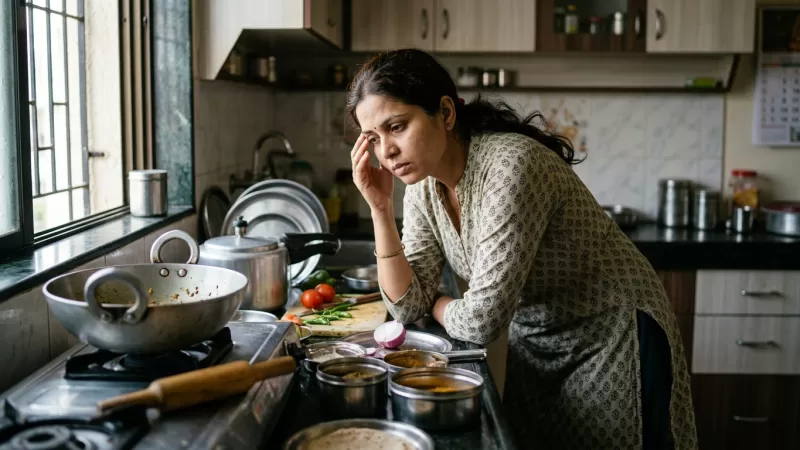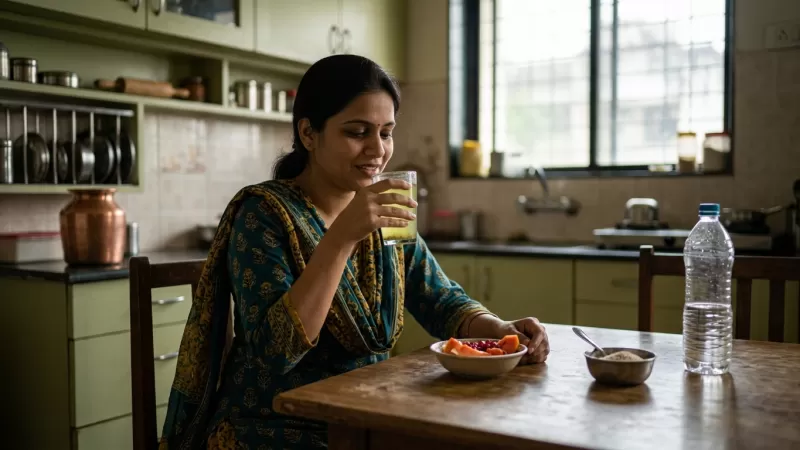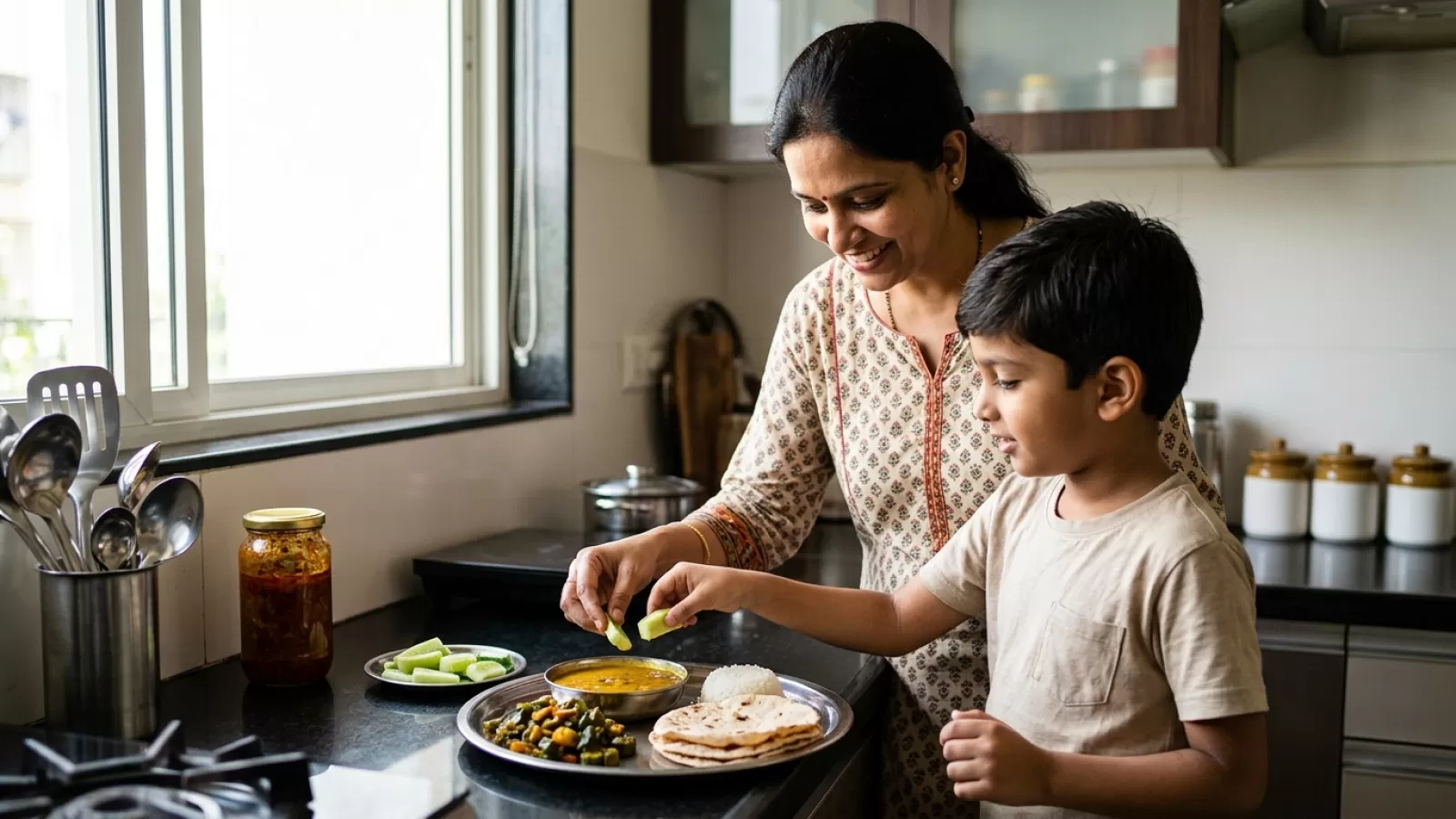
Meals at home are meant to bring everyone together, but every family seems to have at least one person who’s fussy about food. Maybe your kids only want plain dal and rice, or your spouse refuses to touch certain sabzis. When you suggest switching things up for health—like adding millet rotis or more salad—suddenly dinner feels like a battlefield. The truth is, most Indian families find it much easier to eat healthier if they don’t have to change their familiar menu. Here’s some honest, practical guidance for eating better while keeping those beloved family dishes on the table, just the way everyone likes them.
Why Changing the Menu Feels So Hard
It’s easy to suggest “just cook healthier food,” but you’ve probably noticed that in real life, this tends to cause more hassle than health. Shared meals are often tied to comfort, routine, and even family bonding. Asking everyone to eat differently, especially suddenly, can feel like a threat to those little joys.
There’s also the matter of time. After a long workday or school run, most people simply want to eat what they know and enjoy. Experimenting with new recipes every day isn’t practical for most Indian homes, where the cooker whistles, the chapati puffs, and everyone expects a familiar plate.
So if you’ve been feeling stressed or even guilty about not “modernizing” your menu, take a breath. There’s nothing wrong with dal, roti, and sabzi. The secret is in the small tweaks—not the big overhauls.
Portion Tweaks: Small Changes, Big Impact
The easiest way to eat healthier is to adjust how much you serve yourself of each item, not what you cook. If your family always has rice, roti, two sabzis, and dal, you’re already most of the way to a balanced meal.
Here’s the catch: we often heap rice or roti and go lighter on sabzi or dal. Try gently shifting the balance on your own plate—just a little less rice, one extra spoonful of sabzi, or a bit more dal for protein. You don’t need to announce it or make a fuss.
- Fill half your plate with sabzi and salad (if available),
- Take a smaller helping of rice or roti,
- Top up on dal or sambar for fullness.
Do this quietly for yourself or encourage curious family members to try it, but there’s no need to argue or draw attention. Over time, these gentle shifts add up.
Subtle Ingredient Swaps Within Familiar Recipes
Many Indian dishes can easily absorb a few health-focused changes without anyone really noticing. The idea isn’t to “trick” anyone, but to use ingredients that don’t change taste or texture much.
Some families quietly use less oil when sautéing onions or tadka. If you usually use two spoons, try one and a half. Most people won’t notice. Swapping half of the white rice with brown rice or millets in pulao is another trick that sometimes works, especially with lots of masala and veggies mixed in.
- Add grated carrot, lauki, or spinach to dal or parathas for a quiet veggie boost,
- Use curd in place of cream for gravies,
- Toast papads instead of frying—no one misses the oil after a while.
These swaps aren’t dramatic, but they do nudge the meal toward better nutrition, especially over weeks and months.
Making Sides Work Smarter
In many homes, sides like pickles, chutneys, and papads are just as loved as the main meal. The tricky part is, those little extras can pile on salt or oil without anyone realizing.
Instead of cutting them out (which is sure to lead to complaints), try adding a small bowl of simple salad or kachumber as a default side. Even a few slices of cucumber, carrot, or tomato on the table make it easier for everyone to eat a bit more raw veg, especially in the summer when it’s cooling.
- Serve salad alongside regular pickles and chutneys, without announcing it as a “health move,
- Offer plain curd as a side, which helps digestion and adds protein,
- Try making homemade chutneys with less salt or sugar, if possible.
Over time, family members might start reaching for these fresher sides themselves, especially if they’re colourful and easily within reach.
Rethinking Second Helpings and Snacking
Another gentle adjustment is to slow down on second helpings. It’s common in Indian homes to serve more if someone finishes quickly. But sometimes, we’re just eating because it’s there, not because we’re hungry.
If you’re serving the family, try waiting a few extra minutes before offering seconds. You might notice that people are actually satisfied after their first helping, especially if there’s enough sabzi and dal. For your own plate, take a pause, sip some water, and then decide if you really want more.
As for snacks, many families reach for biscuits, namkeen, or fried snacks with evening chai. Here’s a gentle suggestion: if you can swap just one or two tea-time snacks per week for roasted chana, murmura, or even some fruit, you’re already doing better than most.
Smart Use of Leftovers
Leftovers are a reality in most Indian kitchens, especially with busy mornings or days when someone isn’t hungry. Repurposing them cleverly is both practical and a good way to sneak in more variety.
Leftover sabzi can become a filling for parathas or sandwiches. Some people mix bits of dal or sabzi into upma, poha, or even dosa batter. It’s a simple way to cut down on waste and gently boost the nutritional value of breakfast or tiffin without a lot of fuss.
- Mix leftover dry sabzi in curd for a quick raita,
- Add cooked veggies to omelettes or besan chillas,
- Use leftover dal as a soup base with added veggies.
Kids especially tend to eat more willingly when leftovers appear in a new, familiar form.
Letting Picky Eaters Stay Picky—Within Limits
It’s natural to worry if someone in the house avoids certain foods. But the truth is, almost every family has a picky eater (or two), and it rarely helps to turn every meal into an argument.
Instead, focus on what they do eat, and see if you can work with that. For example, if your child loves plain paratha and dahi, maybe add a little grated carrot or spinach to the dough. If your spouse refuses green veggies but loves dal, try mixing in some finely chopped methi or palak leaves.
And sometimes, it’s okay to let things be. People’s tastes often change slowly, especially as children grow or when adults see others enjoying something different. Gentle exposure (without pressure) tends to work better than force.
It might not be perfect, but it’s usually good enough.
Making Mealtimes More Mindful (Without Fancy Rituals)
Modern life means many people eat in front of the TV, on their phones, or while rushing between tasks. While it’s not always realistic to expect everyone to sit together for every meal, paying a little attention to how you eat can help you eat better—without changing what’s on your plate.
Try these ideas, as far as your routine allows:
- Put phones aside for at least one meal a day,
- Chew slowly, especially the first few bites,
- Notice when you’re actually full, not just eating out of habit.
Even these small steps can help you enjoy your regular meals more, and might naturally lead to healthier portions and choices—without anyone feeling deprived or left out.
Gentle Reminders for Real Families
Most Indian homes are doing better than they think, especially if you’re cooking dal, roti, sabzi, and rice most days. The idea isn’t to chase perfection or feel guilty about laddoos during festivals or a little extra oil in Sunday poha. Healthy eating isn’t about rules—it’s more about small, sensible adjustments that fit quietly into your real life.
So, if you’ve been worried about picky eaters or feel stuck with your usual menu, remember: you can support your family’s health with tiny changes, without changing what makes your meals feel like home. Sometimes, that’s more than enough.