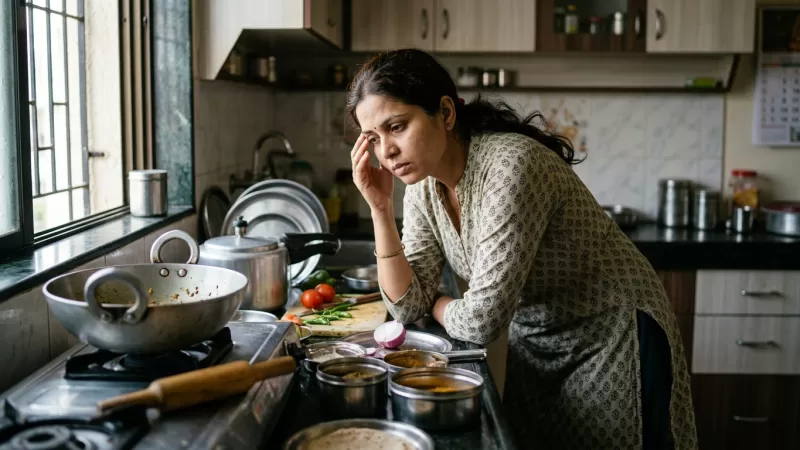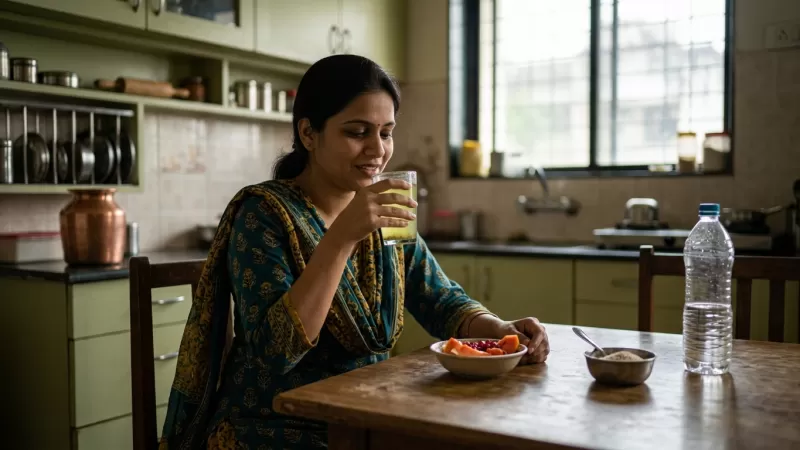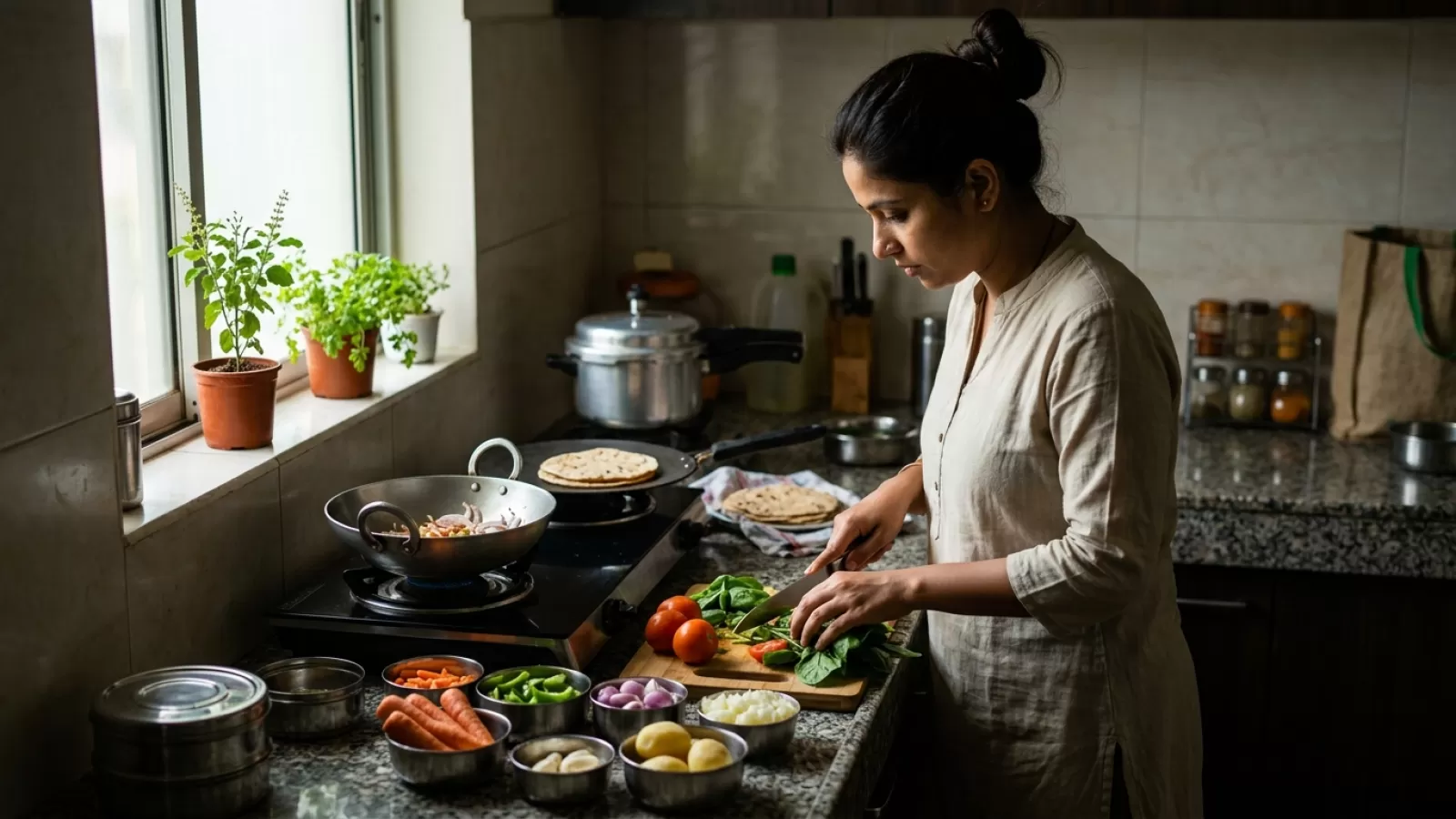
When your day is packed from morning till night—between work calls, school drop-offs, and evening chores—cooking healthy meals can seem nearly impossible. Many Indian families quietly deal with this: the pressure to put something on the table, but no time to stand over the stove or try complicated recipes. The truth is, you don’t have to choose between health and speed. With a few practical habits and small changes in your kitchen routine, eating well on your busiest days can actually become easier than you’d think.
Accept Simpler Meals (And Why That’s Absolutely Fine)
It’s common to believe that a healthy meal must look elaborate—multiple sabzis, perfect rotis, maybe even a salad and dessert. In reality, most Indian homes rarely manage this every day, especially during work-heavy weeks. There’s no shame in keeping things simple. A bowl of dal over rice, a quick sabzi with roti, or even khichdi with curd can be just as nourishing as more complicated spreads.
The tricky part is letting go of the idea that meals have to impress someone. Often, what matters is that you’re eating something homemade and not skipping meals or relying on instant noodles and fried snacks.
So, on tightly packed days, give yourself permission to serve a one-pot meal or a two-dish dinner. It’s enough.
Plan the Night Before (A Little Goes a Long Way)
Here’s something you’ve probably noticed: mornings are when everything feels rushed, and decision fatigue starts early. If you can, try to decide at night what you’ll cook the next day. This could mean just soaking dal, chopping onions and tomatoes, or even setting out the pressure cooker on the counter.
Some families find it helpful to jot down a weekly meal plan on a notepad or even just mentally plan three easy meals for the coming week. This way, you avoid that last-minute scramble that often leads to calling for takeout.
- Soak rajma or chana overnight for quicker pressure cooking.
- Marinate paneer or chicken in the fridge for a next-day lunchbox.
- Wash and chop extra vegetables after dinner so they’re ready for the morning.
Small steps at night can save you at least 10–15 minutes the next day, which often makes all the difference.
Stock Smart Staples (Your Real Emergency Kit)
Most Indian kitchens already have rice, dal, atta, and some basic masalas. But when you’re short on time, certain ingredients become lifesavers. Think frozen peas, ready-cut mixed veggies, canned beans, or even store-bought tomato puree. These aren’t fancy or expensive—they’re just practical for days when chopping and prepping feels impossible.
- Keep a pack of plain paneer in the fridge—can be cubed and tossed into quick sabzis or sandwiches.
- Have roasted peanuts, murmura, or makhana for filling, healthy snacks instead of ready-made chips.
- Store a few packets of whole wheat bread, so you can make fast toasties or upma in a pinch.
Having these on hand means you’re less likely to order food just because you’re out of ideas or energy.
Make Use of Pressure Cookers and Cookers
The humble pressure cooker (and now, electric cookers) is still the best friend of a busy household. The magic is in how quickly dals, khichdi, pulao, and even simple curries come together. Many families use cookers daily, but sometimes forget how versatile they are for quick, one-pot cooking.
Here’s the catch: you don’t need to follow elaborate recipes. Just throw in soaked dal, chopped veggies, spices, and water, and let the cooker do its job while you get ready for work or help the kids with homework.
- Try cooking rice and dal together with some basic masalas for a nourishing, all-in-one meal.
- Pulao with peas, carrots, and potatoes cooks in less than 20 minutes.
- Even a basic chicken curry or sabzi can be started and mostly finished in the cooker.
There’s a reason so many Indian kitchens rely on this tool—it saves both time and effort, especially when you’re in a rush.
Batch Cooking and Leftovers: Not a Sign of Laziness
Making extra food on purpose is actually one of the smartest ways to eat well when you’re short on time. Many people feel guilty about serving leftovers, but there’s really no need. Dal, sabzi, or even chapatis from the night before can be turned into a quick breakfast or lunch the next day.
If you have fridge space, try cooking a double batch of dal or a big pot of mixed vegetable curry. Store in smaller containers, so you only reheat what you need. Leftover rice can become quick fried rice, lemon rice, or even poha with very little effort.
- Leftover sabzi can fill a sandwich or be rolled in a paratha for tiffin.
- Extra dal can be mixed with oats or suji for a quick cheela batter.
- Rice from dinner can be turned into a quick curd rice or pulao for lunch.
It’s not about being lazy—it’s about giving yourself breathing room, especially on days when you’re running on empty.
Streamline Your Kitchen Tools and Setup
Sometimes, it’s not the cooking itself but all the washing and chopping that eats up your time. Keeping your kitchen setup simple and streamlined can really help. For example, use fewer utensils, so you spend less time washing up. Store your most-used items—knives, chopping boards, masala dabbas—within easy reach.
Some families swear by having two small pressure cookers or a second non-stick pan, so you don’t have to wash in between making dal and sabzi. It’s also perfectly fine to use a food processor or chopper for onions and tomatoes, especially during the busy school year or festive months.
Don’t feel pressured to cook everything from scratch, every single time. Pre-cut veggies or grated coconut (from the freezer) can be real time-savers.
Quick Indian Meal Ideas for the Tired and Overwhelmed
Even when you’re too tired to think, some meals come together with just a few ingredients and very little cooking:
- Besan Cheela: Just gram flour, water, chopped onions, tomatoes, and some masalas—mix, pour, cook.
- Egg Bhurji: Whisk eggs with onions, tomatoes, and green chillies. Cook quickly, serve with bread or roti.
- Curd Rice: Mix leftover rice with curd, a pinch of salt, and a simple tempering of mustard seeds and curry leaves.
- Vegetable Upma: Roasted suji, mixed veggies (frozen works), and a quick tadka. Ready in 15 minutes.
- Khichdi: Dal, rice, turmeric, and a few vegetables cooked together—comforting, filling, and gentle on the stomach after a long day.
There’s no need to feel bad about repeating these meals. In many homes, they’re the backbone of healthy eating during busy weeks.
Healthy Snacking Without the Fuss
Snacking is where many of us slip up—especially when meetings run late or the kids come home hungry. The usual tendency is to reach for chips, biscuits, or namkeen. But with just a bit of planning, you can keep healthier options ready, even if you’re short on time.
- Roast a batch of chana, peanuts, or makhana on Sunday and keep them in airtight containers.
- Fresh fruits like bananas, oranges, or apples can be washed and kept in a basket for easy grabbing.
- Keep dahi or homemade lassi in the fridge for a cooling, filling snack in summer.
Not every snack needs to be fancy. Sometimes, a handful of dry fruits or a glass of buttermilk is all you need to keep going until the next meal.
Be Kind to Yourself—Some Days Will Be Tough Anyway
Even with the best intentions and all the planning, there will be days when you just can’t find the time or energy to cook. That’s normal. It happens in every household, whether people admit it or not. If you end up ordering food once in a while, don’t be too hard on yourself.
What usually helps is having a backup plan: instant oats, a packet of poha, or even a box of store-bought idli batter can save the day. The idea is to reduce stress, not add to it. Eating healthy isn’t about being perfect; it’s about doing your best most of the time, especially when life gets busy.
Try a few of these habits, and over time, you’ll probably notice that even on the busiest days, you’re able to feed your family (and yourself) without too much fuss or guilt. And that’s more than enough.