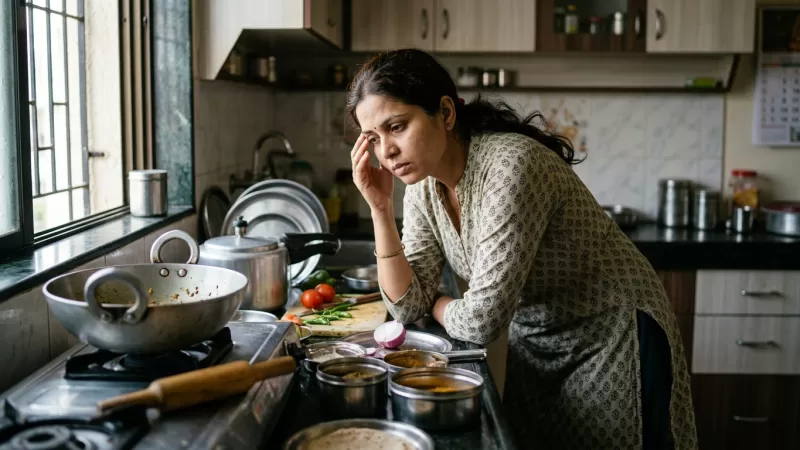
Most people in Indian families, whether you’re managing a home, working from an office, or even retired, have experienced that unmistakable drop in energy after lunch. You know the feeling—your eyes get heavy, thoughts slow down, and even a simple chore seems twice as hard. It’s so common that you’ll hear people joking about needing a nap by 3 p.m. This early afternoon slump can sneak up on anyone, no matter how busy or quiet your day has been. But what if the way we eat and plan our meals could help soften this dip, making afternoons a little steadier and less of a struggle?
Why Does Early Afternoon Feel So Draining?
There’s no single reason for the early afternoon energy dip, but a few things tend to play together. First, our natural body clock—what some call the circadian rhythm—usually has a low point between 2 and 4 p.m. That’s the science bit, but everyday living adds its own twists.
Many Indian families eat lunch between 1 and 2 p.m., often after a busy morning of work, errands, or household chores. By the time lunch is over, your body starts digesting, and a lot of blood flows to the stomach. That can make you feel sluggish. Plus, if lunch was heavy or rich, the effect is more pronounced.
Here’s the catch: Afternoon slumps aren’t always about what you did wrong. They’re just part of how our bodies work. But the way we eat does seem to influence how strong—or mild—these dips feel.
Typical Indian Lunch Patterns and Their Effects
In many Indian homes, lunch is a proper meal: dal, sabzi, roti or rice, sometimes curd, and maybe a small salad. If you’re working or studying from home, you might keep this tradition going. But in offices, lunches are sometimes rushed or replaced with something quick—sandwiches, parathas, or even just a cup of tea and biscuits.
Heavy, carb-dense meals (think: large portions of rice, potato sabzi, or creamy gravies) can cause a sharper drop in alertness. This isn’t to say you should avoid these foods, but portion size and food balance matter. Meals that are too oily or spicy can also make you feel bloated or tired, especially if you’re sitting at your desk soon after.
On the other hand, some people skip lunch entirely or eat very little, especially when busy. Ironically, this can have the opposite effect—leaving you foggy, irritable, or even dizzy by mid-afternoon.
Common Eating Habits That Worsen Afternoon Slumps
There are a few quiet habits that can make these energy dips a bit harder:
- Late or rushed lunches: When you eat too late or too quickly, your body doesn’t get time to process food calmly, and you might overeat without realizing it.
- Heavy reliance on white rice or refined flour: While these are familiar and comforting, large portions without enough dal, vegetables, or curd may lead to quicker energy crashes.
- High-sugar add-ons: Finishing lunch with a sweet (rasgulla, peda, or packaged dessert) can create a spike and crash in energy.
Many families quietly deal with these patterns, especially during festival seasons or when routines get disrupted. It’s not about banning these foods—just being a little more aware.
Patterns That Tend to Support Steadier Energy
Some everyday food habits seem to help people feel steadier through the afternoon, without big ups and downs. They’re not complicated or fancy—often, it’s the small adjustments that add up.
- Balanced plates: Meals that include dal, sabzi, a small portion of rice or roti, and curd tend to be more filling and release energy slowly.
- Adding a salad or raw veggie: A handful of cucumber, carrot, or tomato with a sprinkle of salt and lemon can make a difference—helps digestion and adds freshness.
- Listening to fullness: Stopping when you’re just comfortable, not stuffed, can prevent that post-lunch heaviness.
It’s not always easy, especially on busy or stressful days. But these patterns, when followed most days, seem to keep energy levels a bit more stable for many people.
The Timing of Lunch and Its Impact
Lunch timing can be surprisingly important, though life doesn’t always allow a perfect schedule. Eating lunch too late (after 2:30 or 3 p.m.) tends to leave people feeling drained and snacking mindlessly later. On the other hand, eating too early (before noon) sometimes means you’re hungry again by afternoon, reaching for fried snacks or sweets.
In many Indian offices and homes, lunchtime falls between 1 and 2 p.m. This seems to work well for most, aligning with natural hunger and giving enough time before evening tea. Of course, work calls, school pickups, or household interruptions can change things. If your meal schedule shifts often, try to keep at least a 3–4 hour gap between lunch and your next meal or snack.
One small thing: Sitting down and eating calmly, even for just 10–15 minutes, helps more than you might expect. It’s a habit that gets lost easily but can really support digestion and mood.
Practical Snack Ideas for a Calmer Afternoon
Sometimes, no matter how balanced lunch is, you’ll feel a bit hungry again by 4 or 5 p.m.—especially if you’ve been active, running errands, or just had a long day. The trick is to choose snacks that are filling but not heavy, and that don’t spike your blood sugar.
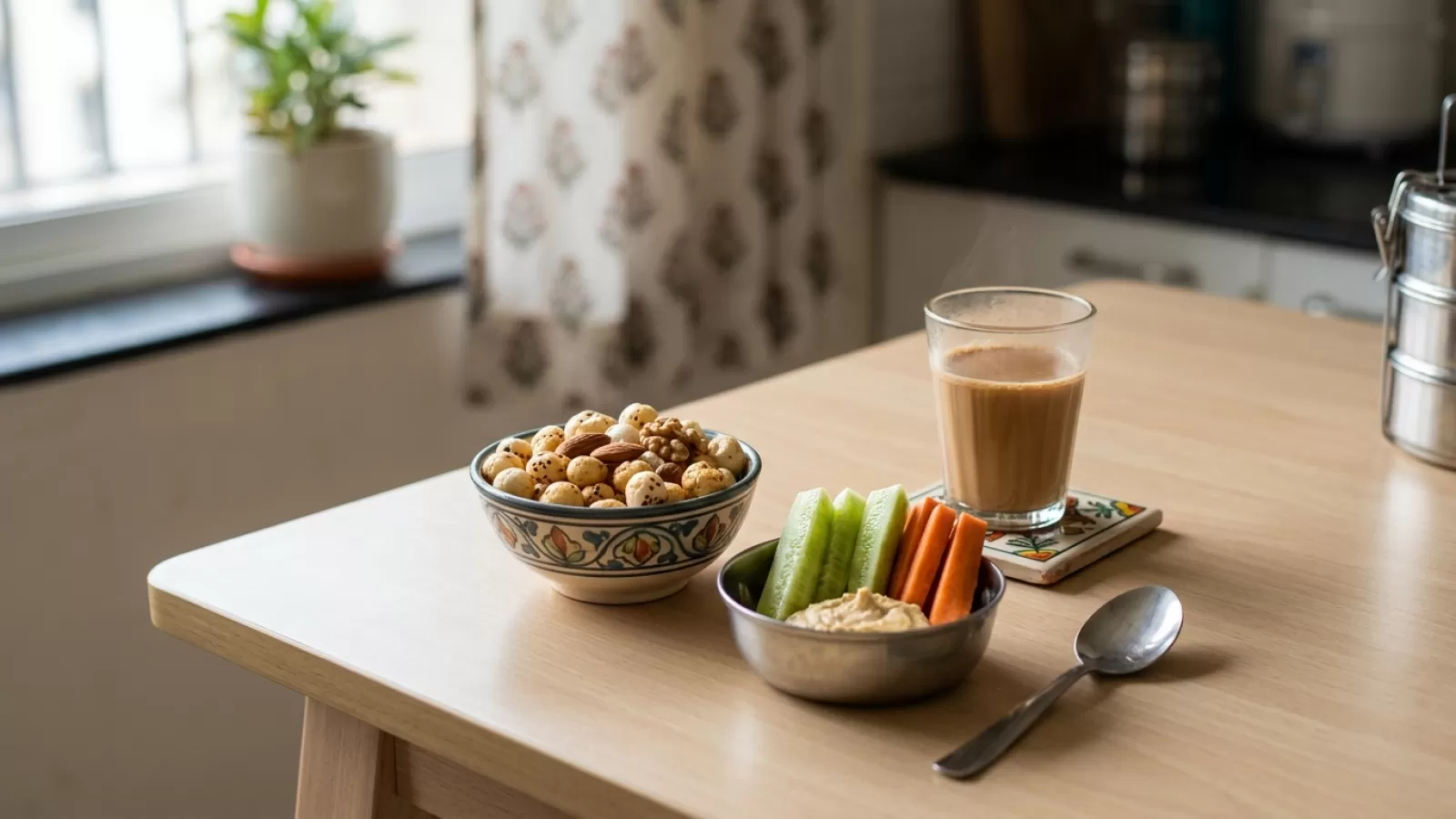
- Roasted chana or peanuts: A small handful is satisfying and keeps you going without making you sleepy.
- Fruit (banana, apple, orange): Easy to eat, and the natural sweetness is calming.
- Homemade poha or upma (small portion): Light, warm, and familiar. Even a small bowl can be comforting.
- Curd with a sprinkle of jeera powder: Especially in hot weather, this is cooling and gentle on the stomach.
Avoiding very sweet or fried snacks in the afternoon helps prevent that quick burst of energy followed by a crash. Of course, a cup of tea or coffee is almost a ritual in many homes—but pairing it with a sensible snack, instead of just biscuits, can make a difference.
Small Shifts in Routine That Can Help
Food isn’t the only factor in afternoon energy, but it’s often the most noticeable. Alongside what you eat, a few gentle changes in daily routine can support steadier afternoons:
- Stepping away from screens: After lunch, even five minutes away from phones or laptops can help your mind reset.
- A short walk or light movement: Walking around your home, watering plants, or gentle stretching gets digestion moving and clears your head.
- Hydrating: Many people don’t realize they’re a bit dehydrated by afternoon—having a glass of water or nimbu pani can perk you up.
These small actions, while easy to ignore, often work better than pushing through with more caffeine or sugary foods.
Gentle Observations on Festivals, Family Routines, and Real Life
During festivals or family gatherings, meal patterns tend to shift—more sweets, heavier lunches, and sometimes late-night dinners. It’s natural to enjoy these moments, but you might notice bigger afternoon slumps during these days.
In joint families, there’s often a rhythm to meals that keeps everyone on track, but even then, unexpected changes (guests, special events, or just a busy week) throw things off. For those living alone or in nuclear families, it’s easier to slip into odd eating times or unplanned snacking. Neither is right or wrong—just different challenges.
One thing stays true: Nobody gets it “perfect” every day. Some days, you’ll overeat at lunch, and other days, you’ll skip a meal out of busyness or fatigue. That’s normal; the idea is to gently guide yourself back to routines that support you most of the time.
Final Thoughts: Calm, Everyday Nourishment Over Perfection
If you’ve ever wondered why afternoons feel heavy or foggy, you’re not alone—this is just a part of daily life for many people. There’s comfort in knowing that simple, familiar eating patterns can support steadier energy. You don’t have to overhaul your kitchen or give up foods you love. It’s more about balance, small portions, and a little awareness around meal timing and choices.
Most importantly, be gentle with yourself. Some days will be smooth, others not so much. The patterns you return to—balanced meals, calm eating, and sensible snacks—tend to work quietly in the background, helping you feel a bit more comfortable as the afternoon goes on.