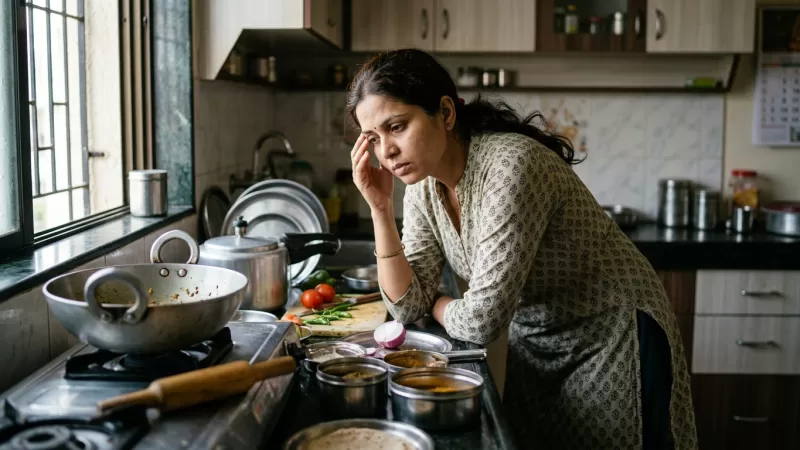
Most Indian families these days find themselves eating outside food more often than they'd like—whether it's birthday dinners, work meetings, kids' parties, or just the lure of a new restaurant nearby. Some weeks, it almost feels like there’s more paneer tikka and biryani than dal-chawal on the table. If you’ve noticed your family having outside meals three or four times in a week, you’re not alone. Many households quietly deal with this, especially during festival seasons, school holidays, or when everyone’s schedules are all over the place. The tricky part is, these weeks can leave you feeling heavy, worried, or out of sync with your usual routines. But balance is possible, even without strict rules or depriving yourself. Here’s a thoughtful guide to help you navigate these busy, food-filled weeks in a way that feels practical and a bit kinder to yourself.
What Tends to Happen When Outside Meals Become Frequent
When you eat out often—whether it’s family dinners, office team lunches, or a late-night pizza—a few patterns usually emerge. Meals might get heavier, oilier, or simply larger than what you’d make at home. You might notice you’re eating less sabzi and dal, and more gravies, bread, and fried starters. It’s common to end up skipping fruits, salads, or even your usual home snacks.
Portions can also get a bit confusing. For example, restaurant servings are often larger, or you might try to finish everything to avoid waste. Sometimes, you may eat just to be polite, especially at social gatherings. Many find that these weeks also come with more sweets, desserts, or sugary drinks—sometimes without even realizing how much sugar has crept in.
All this can leave you feeling sluggish or bloated. But here's something most people miss: it’s not about one or two outside meals. It’s really about the patterns over a week or two that affect how you feel.
Letting Go of All-or-Nothing Thinking
It’s easy to fall into the trap of thinking you must "compensate" for every heavy meal by going on a strict diet the next day. Some people might even skip meals after a restaurant outing, but this often leaves you tired and cranky. Others may swing to the other extreme and give up on all balance, telling themselves, "I’ll just eat whatever until this busy spell is over."
Neither approach tends to work well. You don’t need to punish yourself for enjoying good food, nor do you have to abandon all your usual habits. The middle path—practical adjustments without harsh restrictions—usually feels better and is more sustainable in real life.
One meal doesn’t ruin anything. And one week of celebrations isn’t the end of your healthy habits. That said, it’s natural to feel a little uneasy if these weeks start happening too often.
Simple Ways to Add Balance on Busy, Food-Filled Weeks
During weeks with many outside meals, small changes at home can make a surprising difference. The idea isn’t to "make up for" heavier meals, but to gently bring in some familiar, lighter options where possible. Here are a few approaches that tend to work in many homes:
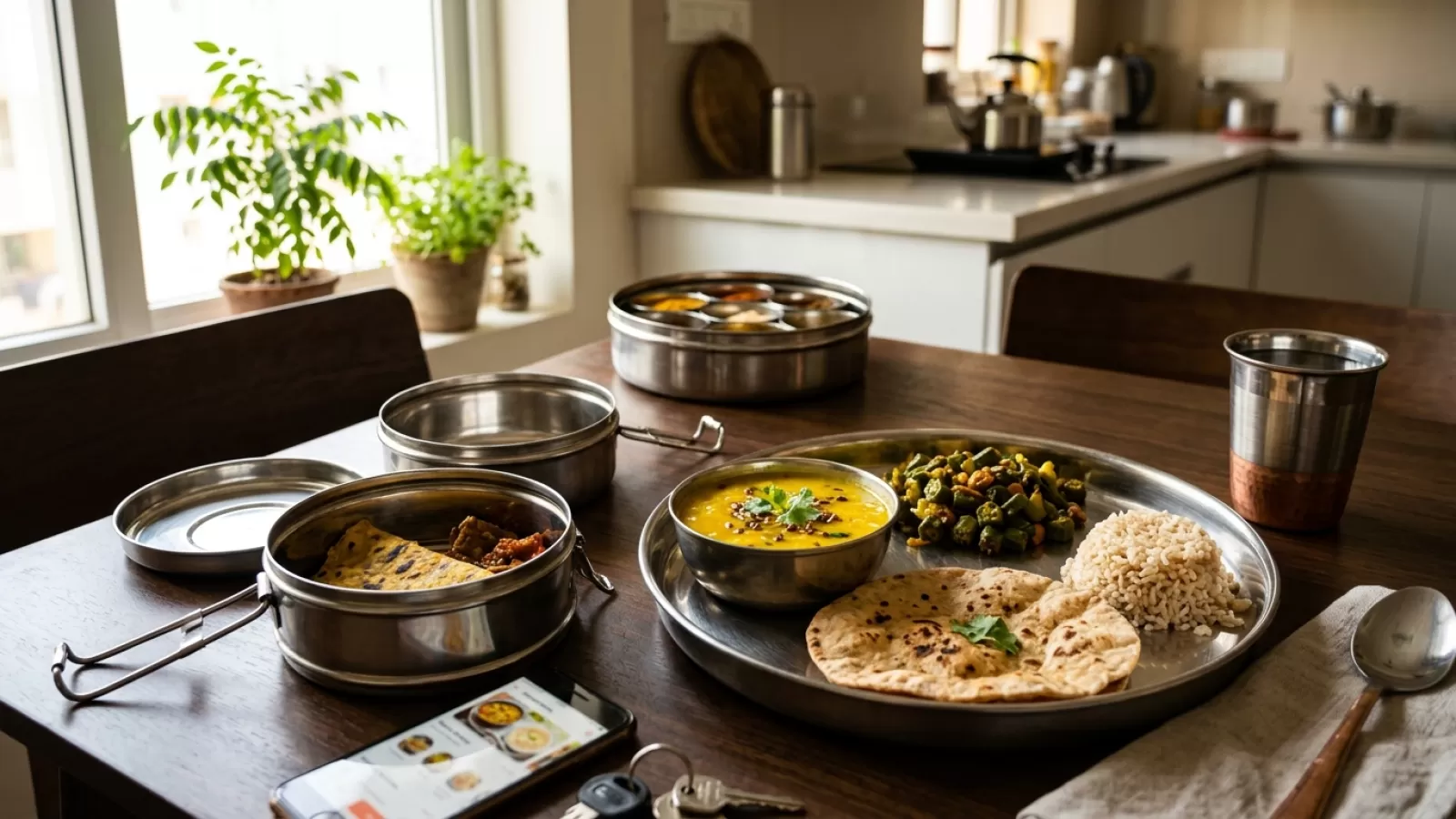
- Lighten up home meals: When you know dinner will be outside, keep lunch simple—think dal, dahi, sabzi, and one roti. The next morning, try a lighter breakfast like poha, upma, or fruit with curd.
- Include raw or steamed veggies: At least once a day, add a small salad, some cucumber slices, or even boiled sprouts. These help you feel fresher, especially after rich restaurant food.
- Don’t skip home-cooked comfort: Even if you’re tired, a bowl of homemade khichdi or simple moong dal can be soothing after a run of oily meals.
Balance isn’t always about eating less—it’s often about adding back the things that go missing when you eat out frequently.
Making Outside Meals a Little Gentler on the Stomach
You can’t always control what’s on the menu when eating out, but a few small tweaks can help. Many families quietly pick these habits over time, especially after a few weeks of feeling too heavy:
- Start with water, not soft drinks: Arriving at a restaurant thirsty can make you reach for sugary drinks. A glass of water first helps you tune into actual hunger.
- Share starters and desserts: It’s common to order too many appetizers or sweets. Sharing lets everyone taste without overdoing it.
- Balance your plate: If there’s a buffet, try to fill half your plate with salads or grilled veggies before moving to the gravies and bread.
- Pause before second helpings: Give yourself a minute or two before another serving. Often, you realize you’re comfortable already.
The goal isn’t perfection—just a little more awareness when you can manage it.
Managing Hunger and Snacks Between Outside Meals
One thing people often notice after a run of rich meals is that their hunger cues get a bit unpredictable. You might feel full for hours, then suddenly ravenous. Or you may not feel like eating much at all the next day.
It’s okay. Listen to your body, but try not to let yourself get too hungry. Skipping breakfast or lunch thinking you’re "making up" for last night usually backfires—by evening, you’ll probably reach for chips, biscuits, or mithai.
On such days, gentle snacks can help:
- Fresh fruit (banana, apple, papaya)
- Handful of roasted chana or peanuts
- Homemade buttermilk or curd
- Simple besan chilla or a small bowl of poha
These keep you steady without weighing you down. The idea is to avoid long gaps that make you overeat later.
Handling Social Pressure and Family Preferences
Sometimes, outside meals aren’t a choice—they come with work events, family gatherings, or children’s demands. It’s normal to feel a bit stuck when everyone wants pizza or Chinese while you’re craving simple food.
If you’re hosting, you can quietly add a salad, plain dal, or fruit platter alongside the main dishes. No one complains, and a few will always thank you for it. When you’re a guest, do your best—serve yourself a little of everything, but focus on the foods that leave you feeling comfortable.
It’s also fine to say no to more food, even if relatives push you gently. Most people understand, especially if you mention you’ve had a heavy week. In many homes, these small boundaries take time to build, but they do make things easier in the long run.
What About Hydration, Sleep, and Movement?
There’s a hidden part to eating patterns that many people overlook—what happens outside mealtimes. When you’re eating out often, it’s easy to forget simple habits like drinking enough water, getting good sleep, or moving your body.
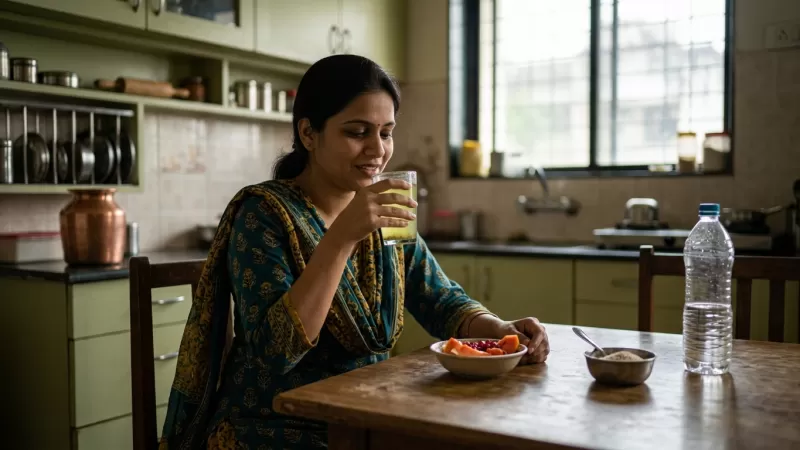
After a few days of restaurant food, you might feel unusually thirsty or bloated. Drinking more water (not cold drinks or packaged juices) can help your digestion settle. Even a small walk after a heavy dinner, or just getting up to stretch every hour during work-from-home days, can make you feel lighter.
Late-night meals often mean late bedtimes. Try to get back to your usual sleep routine as soon as possible. A good night’s rest can restore your appetite and mood more than any special diet.
Being Kind to Yourself and Your Family
Here’s the catch: no one eats perfectly all the time. Some weeks are just busier, more social, or full of food you didn’t choose. Instead of guilt, a little self-kindness goes a long way. If you notice your children or elders craving familiar home food, take it as a gentle sign to bring back some basics, even if only for one meal.
Balance is about small, steady steps, not big sacrifices. Most families find that, after a string of outside meals, they naturally return to dal, roti, and simple sabzi—sometimes with a sense of relief. Trust that your body and your family will find their way back to routines, especially if you don’t make it a source of stress.
So, next time a busy spell brings in more restaurant meals than usual, remember: it’s not about restriction or perfection. It’s about gentle adjustments and staying connected to the foods and routines that make you feel at home. That, more than any strict plan, is what keeps things balanced in real life.