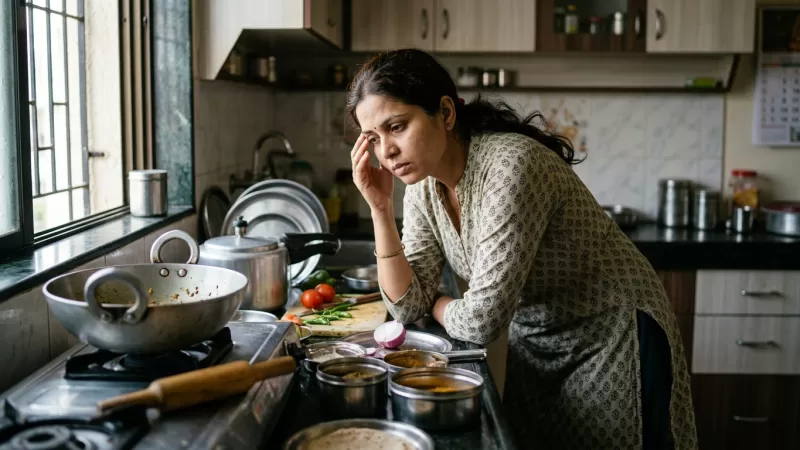
Some days you wake up hungry, looking forward to your usual breakfast, but by lunchtime you barely want a bite. Other days, you might skip a meal without even noticing, only to feel ravenous by evening. Appetite—how much you feel like eating—tends to go up and down for many people, and not always with a logical reason. This can feel confusing, especially when you’re planning family meals or trying to stick to routines. In many Indian homes, quietly adapting to these changes is just part of daily life.
Why Does Appetite Fluctuate During the Day?
Most people find that their hunger isn’t constant. Sometimes, it’s more about the weather, stress, or simply your mood than anything you’ve done "wrong." For example, during hot Delhi summers, many people find they’re less hungry at lunch, but crave something light and cool in the evening. On busy days packed with work calls or errands, you might not even notice when you skipped your afternoon snack.
Appetite can also shift because of:
- Changes in sleep – A poor night’s sleep often leaves you feeling hungrier or, oddly, not interested in food at all.
- Physical activity – Even a short walk can sometimes make you peckish, while sitting all day might dull your hunger.
- Hormones and mood – Worry, excitement, or just the ups and downs of the day can play a role.
The tricky part is, these changes aren’t always easy to predict. And they’re usually nothing to worry about, unless you notice it’s happening all the time or with other symptoms.
Listening to Your Body’s Signals
You’ve probably noticed that sometimes your stomach sends strong signals—rumbling, emptiness, or even a bit of irritation. At other times, it’s just quiet, even if you haven’t eaten in hours. Learning to spot the difference between true hunger and "just in the mood for a snack" takes practice, especially when Indian homes are filled with tempting smells all day.
Some gentle ways to check in with yourself before eating:
- Pause and notice if your hunger is physical (a feeling in your stomach) or emotional (boredom, stress).
- Ask yourself: Would I eat a plain roti or dal right now, or only something spicy or fried?
- Try sipping water first, since thirst can sometimes feel like hunger, especially during summer.
There’s no need to be strict. Just a bit of awareness can help you match your meals to your real needs.
Simple Strategies for Unpredictable Appetites
On days when your hunger is all over the place, it’s easy to fall into the trap of skipping meals, then overeating later—or filling up on snacks that don’t really satisfy. Here are a few habits that help many families manage:
- Keep mealtimes roughly regular, but don’t force yourself to eat a full meal if you’re not hungry. A small portion or just a bowl of curd and fruit is fine.
- On days when you’re very hungry, don’t feel guilty about taking a little extra dal or sabzi. Your body probably needs it.
- Try to include at least some protein and fiber at each meal—dal, chana, paneer, or a handful of nuts—so you don’t get hungry again too soon.
That said, not every day will go perfectly. Sometimes you’ll eat too little at lunch and find yourself raiding the fridge at midnight. It happens.
Smart Snacking (Without Guilt)
Indian homes are well-known for snacks—sometimes a little too tempting, especially when your appetite is unpredictable. Rather than seeing snacks as a problem, you can use them as a gentle way to fill the gaps on low-appetite or high-appetite days.
Some snacks that usually work well:
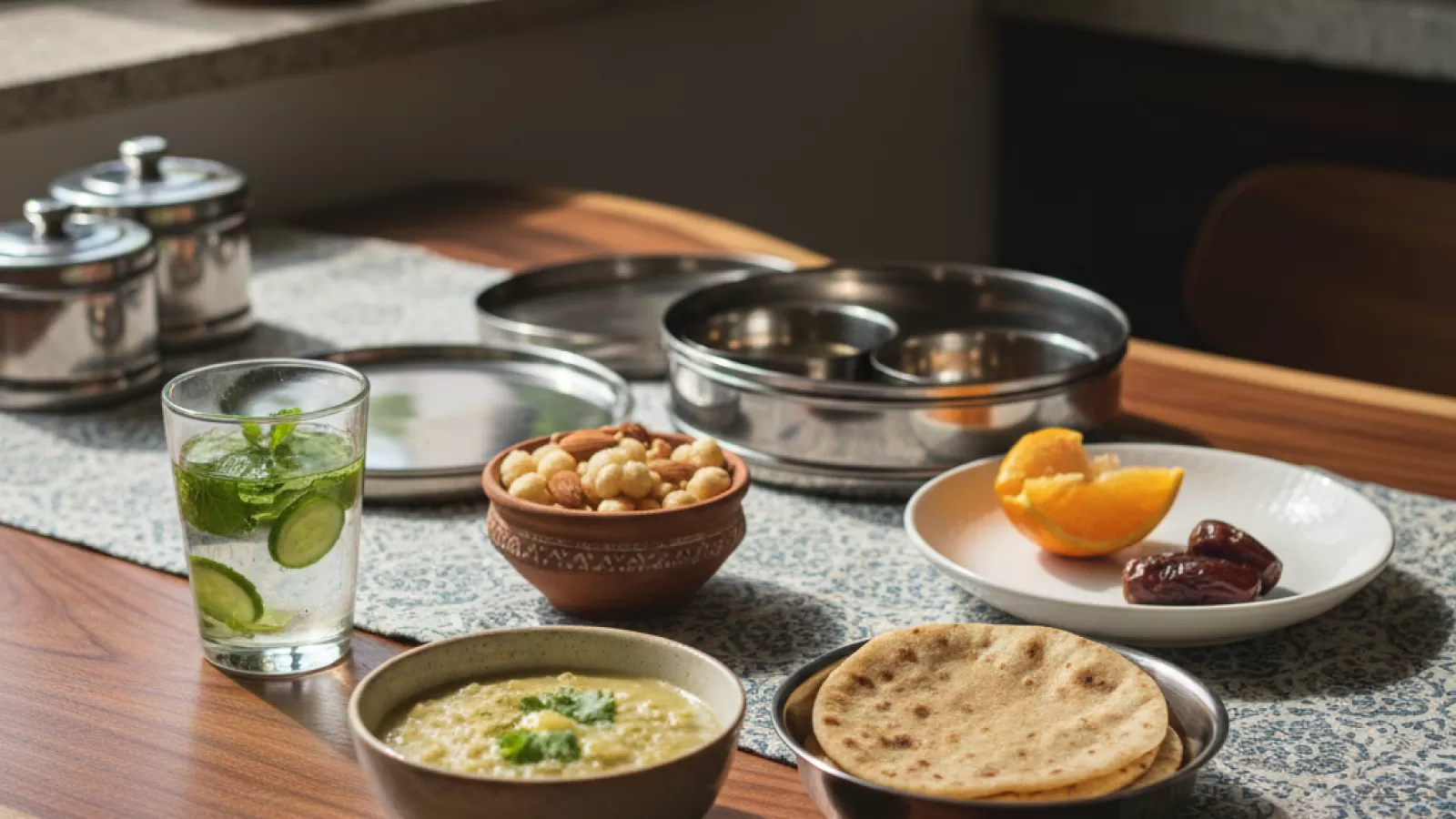
- Roasted chana, murmura, or makhana
- Cut fruit or cucumber slices with a sprinkle of chaat masala
- Small bowl of poha or upma if you need something more filling
- Homemade dahi with a few spoons of soaked sabja or chia seeds
The idea is to keep portions small and choose foods that are actually nourishing, so you’re not just eating out of habit or boredom. Still, nobody’s perfect—sometimes, a samosa is just what feels right.
Dealing With Family Meal Expectations
In joint families or even smaller households, there’s often an expectation to eat together or at least share the same type of meal. This can feel tricky when your appetite is completely different from others in your home.
If you’re the person cooking, you might feel pressured to serve up a full meal even when you don’t feel like eating yourself. On the other hand, you might be expected to finish what’s on your plate "so it doesn’t go waste." Here’s what helps in many homes:
- Serve yourself a smaller portion first. You can always take more if you’re still hungry.
- Offer a mix of heavier and lighter dishes—like roti with sabzi and a side of dahi—so everyone can adjust to their own appetite.
- If someone (including you) isn’t hungry, let them just have soup, salad, or fruit. There’s no harm in a light meal now and then.
It sometimes takes gentle reminders to family members that appetite changes are normal, not rude or wasteful.
What to Do When Appetite Drops Suddenly
There are days when you simply don’t feel like eating much—maybe you’re tired after a late night, or the weather has turned muggy. In these times, it helps to choose foods that are easy on the stomach and don’t require much effort to prepare or digest.
Many people find these foods helpful:
- Curd rice, khichdi, or moong dal cheela
- Light vegetable soup or thin dal with a bit of rice
- Fruits like banana, papaya, or stewed apple
Focus on fluids, too—nimbu pani, chaas, or plain water—since dehydration can sometimes make you feel even less interested in food. It’s usually okay to eat lightly for a day or two, unless you’re feeling weak or unwell for longer.
What About When You’re Suddenly Very Hungry?
It happens: you skip breakfast because you’re not hungry, and by 11 AM you could eat anything in sight. Or after a busy day, you come home and devour whatever’s on the table. These swings are common, especially with irregular routines or long gaps between meals.
To manage those sudden hunger surges, you might find it helpful to:
- Keep something nourishing ready—leftover poha, a boiled egg, or simple dal—so you’re not reaching for sweets or fried snacks immediately.
- Eat slowly, even if you’re very hungry. It takes a few minutes for your stomach to signal your brain that you’ve had enough.
- Include at least some vegetables or salad, even if you start with the main dish. It helps you feel satisfied without overeating.
Some days, you’ll still eat more than usual. That’s alright. Your body often knows what it needs, especially after a long gap.
Being Kind to Yourself on Up-and-Down Days
Many people quietly worry they’re not eating "correctly" on days when their appetite is unpredictable. It can feel like you’re doing something wrong, especially if you compare yourself to others or to your own "good" days. But the truth is, almost everyone has these ups and downs—even if nobody talks about it much.
Instead of focusing on perfection, it tends to help if you keep a gentle, flexible approach. Most Indian diets already have a good mix of grains, pulses, and vegetables. As long as you’re eating a variety of familiar foods and listening to your body most of the time, you’re probably doing just fine.
And if you end up eating differently for a few days—snacking more, skipping meals, or reaching for comfort foods—there’s no need for guilt or self-criticism. Just pick up your usual habits when you can. Your body is generally quite wise at adjusting over time.
Some days are simply unpredictable. That’s normal, and it doesn’t make you any less caring or responsible about your health.