Eating alone in a shared home is a reality for many Indian families these days. With changing work hours, online classes, and the occasional late night, it’s quite common for someone to have a solo meal even when the house is full. If you’ve ever found yourself quietly eating dal-chawal at the dining table while others are busy or away, you’re not alone. These solo meals can feel rushed or even a bit lonely at times. But with a few small adjustments, solo eating can still be nourishing—physically and emotionally—without feeling like an afterthought.
Why Do Solo Meals Happen in Shared Homes?
In many Indian homes, eating together is a cherished part of daily life. But between busy work-from-home schedules, children's tuitions, and varied routines, it’s simply not possible for everyone to sit together for every meal. Sometimes, someone is working late, while another is catching up on a TV serial or finishing homework.
There are also days when people just want a quiet meal after a tiring day, or when elders prefer to eat earlier than everyone else. These situations are very common, especially in nuclear families or even in joint families with different age groups under one roof.
It’s not a sign that something is wrong at home. It’s just a part of modern Indian life—no need to feel guilty about it.
The Emotional Side: Managing Feelings of Isolation
One of the trickiest parts about solo meals is the occasional sense of loneliness or missing out. You might have noticed that food sometimes tastes different when you eat alone—less flavourful, or maybe you end up eating too quickly without realising.
It helps to accept that these feelings are normal and that they come and go. Many families quietly deal with this, especially after festivals when routines get disrupted, or during exam seasons.
Here are a few gentle ways to keep solo meals from feeling too isolating:
- Try to sit in a familiar spot, like the main dining table, rather than in front of the TV or hunched on the bed.
- Keep a small ritual—saying a short prayer, lighting a diya, or simply taking a deep breath before starting.
- If you like, video call or send a quick message to a family member just before or after your meal.
Making Solo Meals Nourishing and Enjoyable
When it’s just you at the table, it’s easy to skip the sabzi or quickly reheat leftovers. But your body deserves the same care, even for a solo meal. Here’s the catch: you don’t have to cook something elaborate just for yourself.
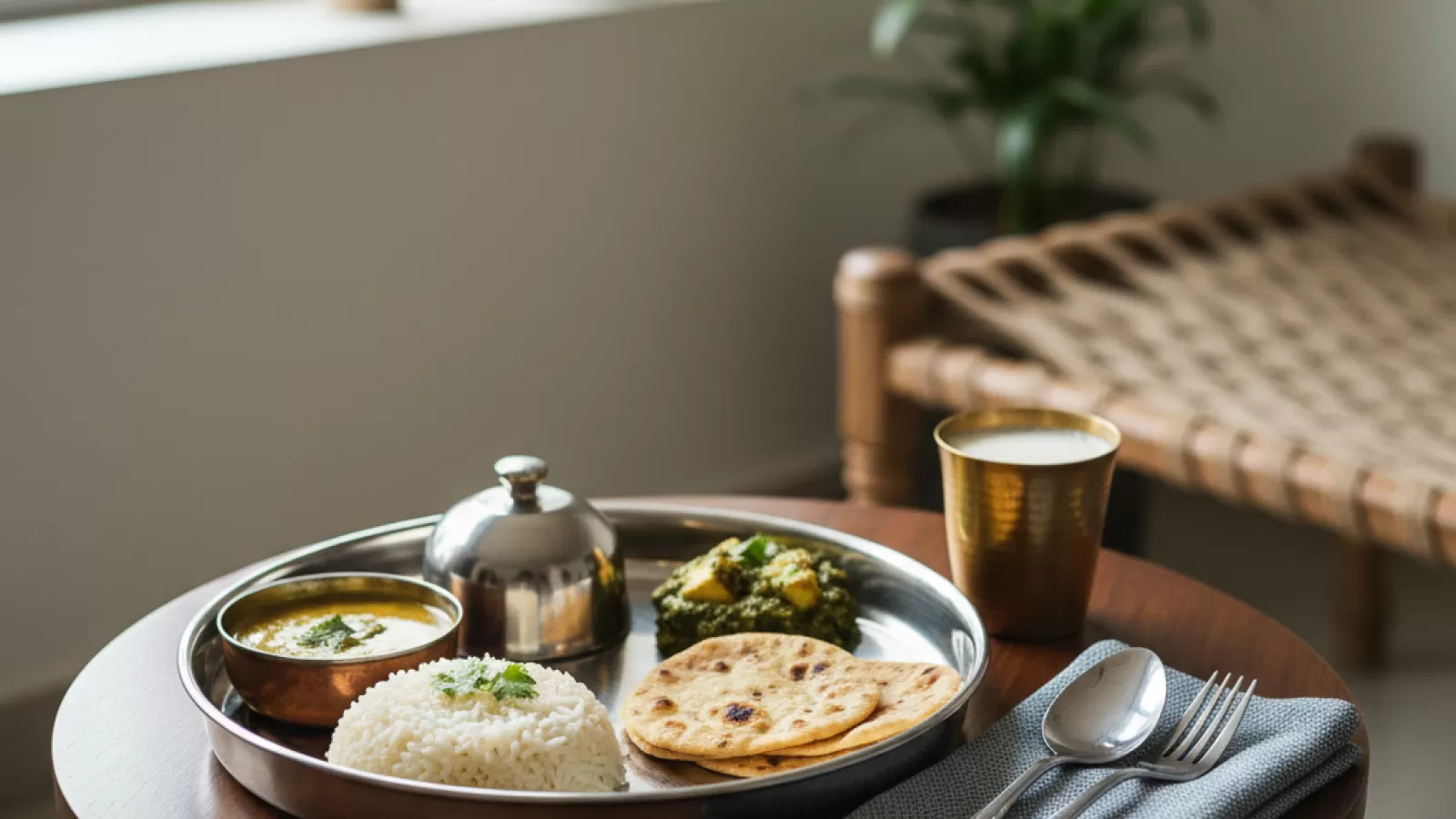
Instead, keep things simple but balanced. For example, a bowl of dal with rice and a little salad is usually enough. If you’re packing your solo lunch for the office or reheating dinner late at night, try to include at least one fresh element—a slice of cucumber, some curd, or a bit of pickle.
On days when you’re really tired, even a plain roti with ghee and jaggery is still better than skipping the meal entirely.
Practical Habits for Mindful Solo Eating
It’s tempting to scroll through your phone or watch a series while eating alone. That said, many people find they end up eating more (or less) when distracted, and don’t really enjoy the meal.
Mindful eating doesn’t mean sitting in silence like a saint. It can be as simple as noticing the aroma of your sambar, the crunch of your papad, or just putting your spoon down between bites.
Some practical, everyday habits you might try:
- Serve your food onto a plate (not straight from the pot or fridge).
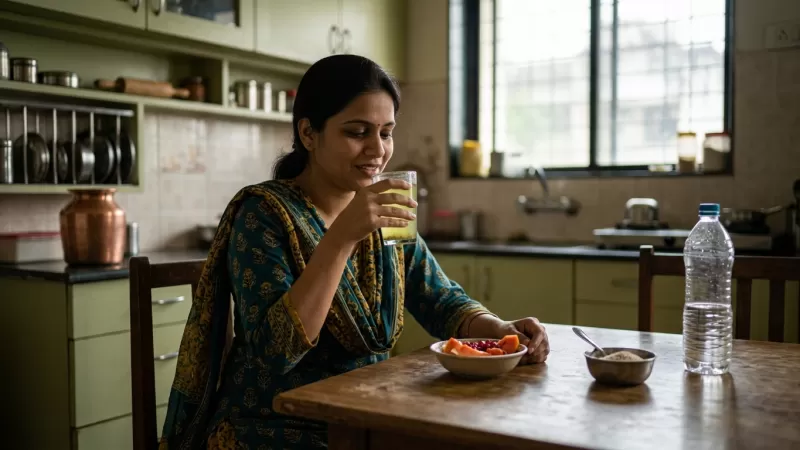
- Pour a glass of water and keep it nearby, so you don’t get up midway.
- Take a few seconds to look at your plate before starting, especially if you’ve had a stressful day.
Dealing with Rushed Solo Meals
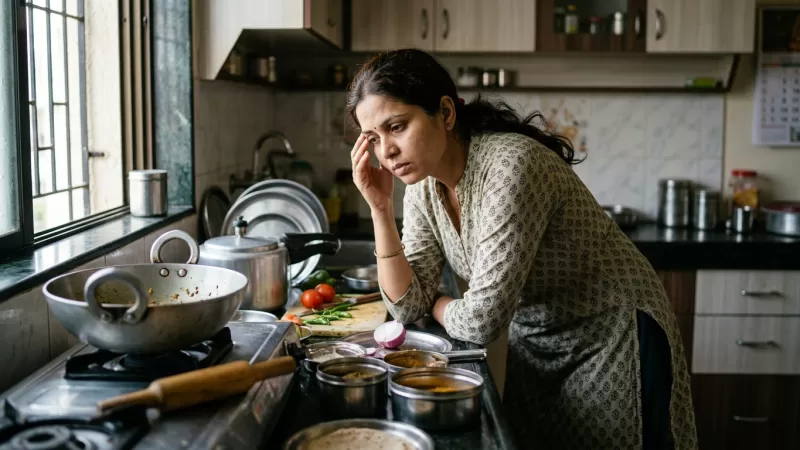
Busy mornings and late-night returns often mean eating quickly, sometimes standing at the kitchen counter or grabbing a bite on the go. You’ve probably noticed that this can lead to feeling unsatisfied or even getting a stomach ache later.
The tricky part is, not everyone has the luxury of a slow, peaceful meal. But even in a rushed routine, a few small adjustments can help:
- Prepare simple, ready-to-eat foods in advance—boiled eggs, cut fruits, pre-cooked dal or sabzi.
- Keep your meal portions small if you’re in a hurry, and eat again when you have time.
- If you must eat quickly, try to sit down for at least five minutes. Even a short pause makes a difference.
It’s better to eat a little slowly than to gulp everything in two minutes, even if time is tight.
Respecting Dietary Preferences Within the Family
Shared homes often mean different food choices. Maybe your father-in-law prefers plain khichdi, while your teenager wants noodles. These differences show up more during solo meals, when people don’t feel obliged to eat the common dish.
It’s perfectly alright to make small tweaks to suit your preference when eating alone—adding extra pickle, reheating leftovers with a sprinkle of chaat masala, or just having dahi-chawal if that’s what your mood demands.
Here’s one thing to remember: you don’t have to justify your solo meal choices to anyone. The goal is simple nourishment, not impressing anyone.
Making Solo Meals a Positive Experience
Solo meals can sometimes be a rare chance for quiet, personal time. Some people use this time to reflect, plan their day, or simply enjoy their food without small talk.
If you find yourself eating alone often, try turning it into a small act of self-care. Use your favourite bowl, play soft music, or open the window to let in some fresh air during lunch.
This doesn’t mean every solo meal has to be a special occasion. Sometimes it’s just about making the best of a regular weekday lunch with leftover sabzi and roti.
Gentle Reminders for Families and Roommates
If you share your home with others, it can help to check in with each other about meals, especially during busy or stressful times. Even a small gesture, like saving a portion of fresh food or leaving a note, makes solo eaters feel remembered.
Some families keep a WhatsApp group for quick updates—“I’m eating late tonight” or “Leftover pulao in the fridge.” It’s a simple way to keep everyone connected, even when meals don’t happen together.
Lastly, remember: eating alone doesn’t mean you’re alone. Most Indian homes experience this now and then, and it’s perfectly normal. The important thing is to nourish yourself with care, in whatever way fits your day and mood.