Travel-heavy weeks can really shake up your usual eating rhythm. Maybe you’re rushing between meetings in another city, or you’re spending hours in traffic every evening, or perhaps you’re looking after family during long hospital visits. Whatever the reason, these periods tend to throw even the most careful eater off track. And let’s be honest: it’s not always possible—or realistic—to stick to home-cooked dal-chawal or find the perfect tiffin spot nearby.
Why Travel Throws Off Eating Habits
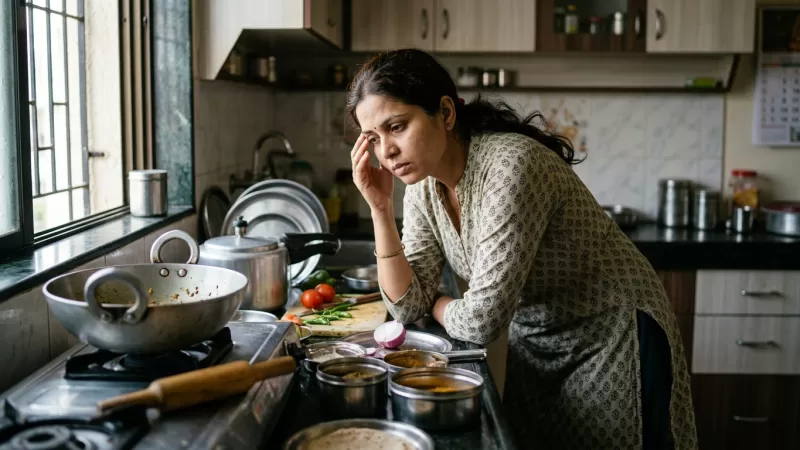
When your routine changes, your meals often follow. Early morning trains, late-night flights, or even those long metro rides can mean skipping breakfast or grabbing whatever’s quickest. Many people find themselves turning to biscuits, samosas, or whatever’s available at a roadside stall or station canteen. You’re not alone if you feel a bit lost during these times.
The tricky part is that travel often brings a mix of tiredness and hunger, which can make you reach for food that’s filling but not always nourishing. Add to that the unpredictability—maybe you planned to eat fruit but there’s nothing fresh in sight. Or you meant to pack lunch but left it at home in the morning rush.
It’s normal for eating habits to feel a bit chaotic during these weeks.
What Usually Happens: Common Patterns
In many Indian households, travel-heavy days tend to follow a few familiar patterns. You might notice these happening:
- Skipping meals or eating later than usual, especially breakfast.
- Relying on packaged snacks—namkeen, chips, biscuits, or chocolates.
- Choosing fast food (pav bhaji, vada pav, sandwiches) or fried options from station or airport stalls.
- Drinking more tea or coffee than usual to stay awake or pass time.
- Forgetting to drink enough water, especially if you’re worried about bathroom breaks.
It’s easy to feel guilty about these habits, but honestly, they’re very common. Many families quietly deal with them, especially during exam seasons, work travel, or festival trips.
Packing Light, Eating Smart: Simple Carry-Alongs
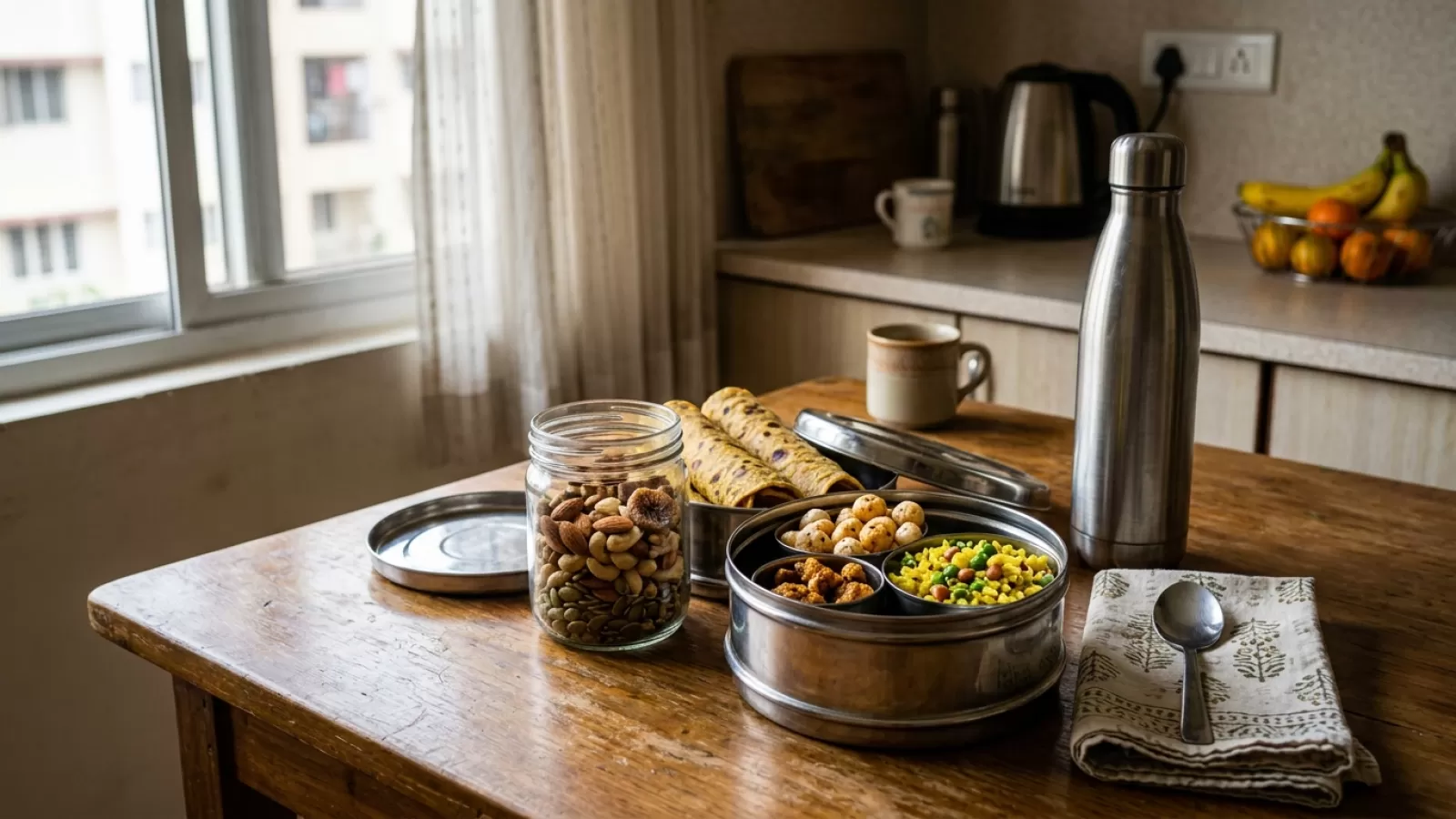
One gentle adjustment that really helps is keeping a small snack pouch in your bag. It doesn’t need to be fancy. A handful of roasted chana, some homemade poha chivda, a small dabba of dry fruits, or even a couple of bananas can make a big difference when hunger strikes on the go.
Here are some easy-to-carry, familiar options:
- Roasted peanuts or chana (plain or masala)
- Makhana (fox nuts), dry-roasted with a pinch of salt
- Homemade parathas or theplas, rolled up and wrapped in foil
- Idlis (they last surprisingly well for a few hours)
- Sliced cucumbers or carrots in a small box, if you have a cooler bag
These don’t replace full meals, but they give you something to tide over until you find proper food. That said, there will be days when you just forget or can’t manage—don’t be too hard on yourself.
Finding Nourishing Choices on the Road
Not all travel food is unhealthy, but it does take a little looking. At railway stations or airports, you’ll often find options beyond the usual fried snacks if you keep an eye out. Dosas, upma, boiled eggs, curd rice, or even plain dal-rice are available at many places now. Even a simple fruit stall can be a blessing.
On highways, dhabas often serve dal, sabzi, and roti thalis. These may be oily or salty, but they’re still more balanced than a packet of chips. If you’re in a rush, a bowl of curd or a glass of buttermilk is usually available at most places.
The main thing: Look for foods that make you feel satisfied, not just full. It’s okay to have a samosa or a vada pav once in a while, but if you have a choice, add something fresh or simple alongside.
Drinking Enough Water: A Quiet Struggle
Many people, especially seniors and busy professionals, end up drinking much less water during travel-heavy weeks. Sometimes it’s because you don’t want to look for a bathroom in an unfamiliar place, or because you’re worried about the quality of water outside.
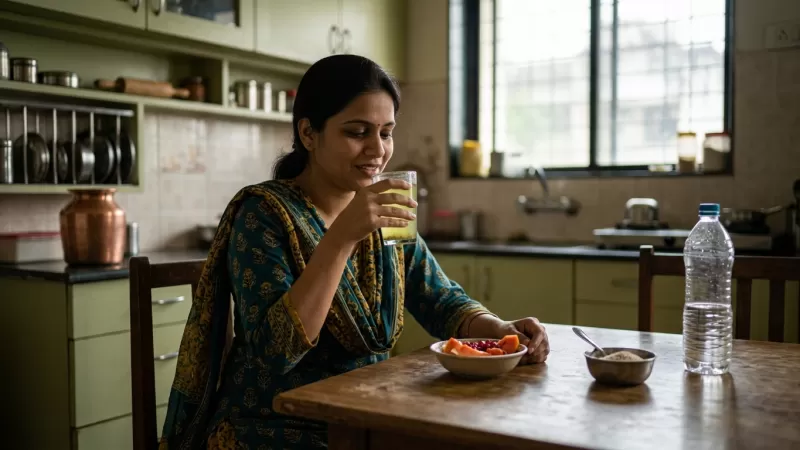
Carrying a small water bottle is one habit that tends to help, even if you just refill it at every safe spot you find. If plain water feels boring or you want to encourage yourself (or children) to sip more, a squeeze of lemon or a pinch of jeera can make it more inviting.
Here’s the catch: It’s common to feel tired or irritable simply because you’re not drinking enough fluids, not just because you’re hungry. During the hot Indian summer or long train journeys, this matters even more.
Gentle Adjustments for Breakfast and Dinner
On travel-heavy days, breakfast often gets skipped or turns into a rushed cup of tea with a biscuit. If you can, try to eat something—anything—before leaving home, even if it’s just a banana, a small bowl of curd, or a slice of toast.
For dinner, it’s tempting to order out or just snack after a long commute. A simple moong dal khichdi, upma, or curd rice can be put together quickly and is easy on the stomach. Many families find that keeping some cooked dal or boiled potatoes in the fridge helps on days when everyone comes home tired and hungry.
Some days, you’ll end up eating late or having outside food. That’s alright. What matters is gently returning to something homemade when you can, rather than feeling guilty.
Treats, Cravings, and Mindful Choices
Let’s be honest—travel and long commutes often bring out cravings for treats. Maybe it’s a packet of chips for the road, a sweet bun from the bakery, or a plate of chaat at the station. These foods are part of the travel experience for many people in India.
The gentle opinion here? Enjoying a treat is not a failure. The only thing to watch is whether you’re eating it because you’re truly hungry, or simply tired, bored, or stressed.
- If you crave something, eat it slowly and notice how you feel after.
- If you find you’re always reaching for fried snacks, try swapping one portion for fruit or nuts sometimes.
- During festive travel, allow yourself a little extra, but balance it with lighter meals when you can.
It’s all about small, thoughtful swaps rather than strict rules.
Staying Calm When Things Don’t Go to Plan
Even with the best intentions, travel-heavy weeks are unpredictable. Food gets cold, dabbas leak, trains run late, or you just get too tired to care. This happens in almost every family at some point.
Sometimes, just accepting the messiness of these weeks helps more than any strict rule. You return to your usual rhythm once the travel settles down. If you’re caring for elders or children during these times, give yourself a little extra patience.
One small thing that helps: A warm drink at the end of the day, whether it’s a cup of milk, herbal tea, or even just warm water with a bit of honey. It’s a gentle way to wind down and signal to your body that it’s time to rest.
Bringing It Together: Gentle Habits for the Road
So, while travel-heavy weeks can feel disruptive, a few gentle habits make them easier. Most Indian families find their own ways to adjust—sometimes with a mix of old home remedies, sometimes with whatever’s available in the moment. There’s comfort in knowing you’re not alone in this struggle.
- Carry small, familiar snacks when you can.
- Drink water regularly, even if you have to remind yourself.
- Look for simple, satisfying foods instead of just filling up on fried or packaged items.
- Don’t skip breakfast if possible, even if it’s just something small.
- Let go of guilt when things don’t go as planned—travel is always a little messy.
Most importantly, remember: Eating well isn’t about strict rules, especially during busy times. It’s about doing the best you can, with what you have, and returning to your routine when life slows down again.