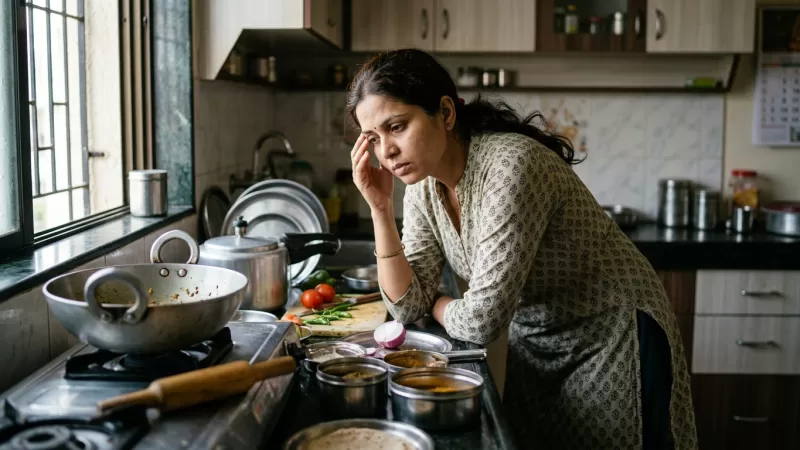
These days, many of us find ourselves eating dinner much later than we'd like. Whether it's office calls that stretch into the evening, helping kids with homework, or simply waiting for everyone to come home, late dinners have quietly become a regular part of Indian family life. For some, it's once in a while; for others, it's most nights. When you've already had a long, tiring day, it can be hard to know what and how to eat so you feel comfortable and sleep well, instead of feeling heavy or restless.
Why Late Dinners Happen in Indian Homes
In many Indian families, dinner is often a time to sit together and catch up, but these days, routines have shifted. With long commutes, unpredictable work hours, and even kids’ online classes or tuitions running late, it's common for dinner to start after 9 pm. Sometimes, it's just easier to wait for everyone and eat together, even if it means eating late.
Some people also find themselves snacking in the evening and then having a late meal, especially during festivals or when guests are over. The tricky part is, late dinners can leave you feeling heavy, disrupt your sleep, or even cause some stomach discomfort the next morning. Many families quietly deal with this, adjusting in small ways.
There's no one-size-fits-all answer here. But gentle, thoughtful habits can help make late dinners less stressful on your body.
Understanding How Late Dinners Affect Digestion
Our bodies are naturally used to winding down at night. Eating late, especially a heavy meal, can sometimes make it harder for your stomach to do its work before you fall asleep. That said, not everyone experiences problems—some people seem to manage just fine, while others really feel the difference.
Common complaints after late dinners include bloating, a burning sensation, restless sleep, or simply waking up not feeling fresh. You might have noticed that spicy or oily foods in particular tend to sit heavy if eaten right before bed. This is especially true during summer or humid months, when the body already feels slowed down.
So, being a little mindful about what you eat and how much you eat late at night can make a quiet but meaningful difference.
Choosing Gentle Foods for Late Dinners
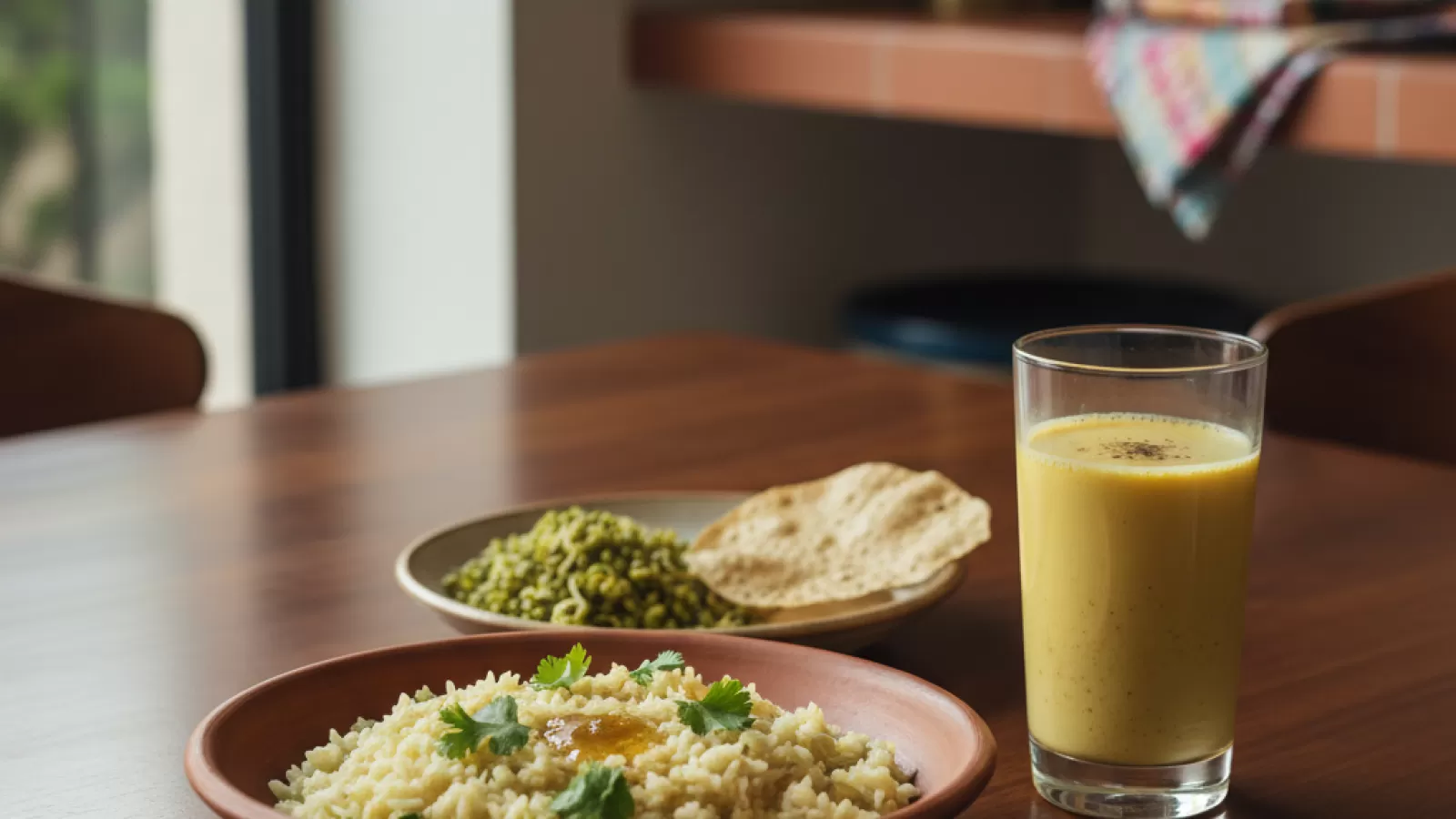
On days when dinner gets delayed, most people find it helps to stick to lighter, familiar foods. Hearty dals, simple sabzis, and a small portion of rice or roti tend to be easier on the stomach than rich curries or heavy fried items.
Some gentle options many families use for late dinners:
- Moong dal khichdi with a little ghee
- Plain curd rice with a pinch of salt and jeera
- Light vegetable sabzi with one or two phulkas
- Steamed idli or upma (for those who like South Indian foods at night)
Of course, every family has its own favorites. The idea isn’t to force bland food but to go easy on the stomach so you don’t wake up feeling uncomfortable.
One more thing—try to avoid new or experimental dishes late at night. Your system might not thank you for surprises just before bedtime.
How Much to Eat: Listening to Hunger, Not Habit
It's easy to overeat during late dinners, especially if you've come home tired and hungry. Sometimes, just seeing hot chapatis and fresh sabzi on the table makes us take that extra serving, even if we don't need it.
But after a long day, the body’s natural signals can get mixed up. You may feel both exhausted and hungry, but it’s usually better to eat just enough to feel comfortable, not stuffed. Many people find that eating a smaller portion at night, even if it means a slightly bigger breakfast the next day, helps them sleep better and wake up fresher.
Here's the catch: Indian culture often encourages a hearty dinner with family. It's perfectly fine to enjoy that togetherness, but if you start noticing discomfort, it's okay to gently pace yourself.
Simple Habits to Support Late-Night Digestion
There are a few small habits that many Indian households use to support comfort after a late meal. These aren't miracle fixes, but over time they can help.
- Sit upright for a little while after eating—watch TV or chat, but avoid lying down immediately.
- Take a short, slow walk around the house or even on your balcony. Ten minutes is enough.
- Drink just a little water with your meal, not large glasses immediately after.
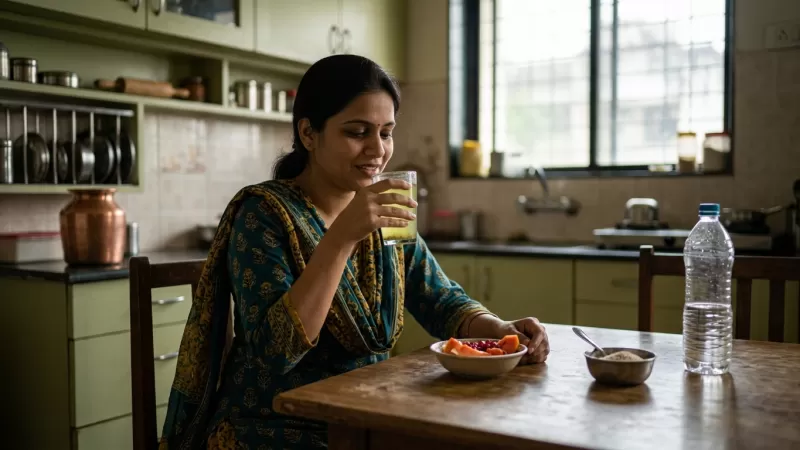
- If you enjoy it, a cup of warm water or light herbal tea (like ajwain or jeera water) can feel soothing.
These are gentle routines. They won’t solve everything, but many people quietly rely on them.
Managing Sleep After a Late Dinner
It can be hard to fall asleep on a full stomach, especially if you're sensitive to heavy foods. Some people notice that their sleep is lighter or more disturbed after eating late, while others just feel a bit more restless.
To help your body wind down, try dimming the lights and keeping screens (TV, mobile phones) at a lower brightness. Sometimes, reading a light book or listening to soft music helps signal to your mind that it's time to relax, even if dinner was late.
Many families have the habit of chatting for a few minutes before bed—this can be a gentle way to close the day, instead of rushing straight from the dining table to sleep.
Practical Tips for Busy Families
With everyone’s routines so packed, getting dinner on the table early isn’t always possible. That said, there are a few small ways to make things a bit easier:
- Prepare simple dals, sabzis, or rice dishes in advance, so you only have to reheat at night.
- Keep cut vegetables ready in the fridge for quick cooking.
- On very busy days, consider a lighter dinner—soups, khichdi, or even a filling bowl of dahi with fruits.
- If someone in the family needs an early dinner (like seniors or young kids), don’t worry about everyone eating at the same time every night. It's okay to adjust.
You've probably noticed: Indian homes are flexible in their own quiet ways, even around food.
Gentle Reminders for Festival and Special Days
During festivals or family gatherings, late dinners can become the norm for a whole week. There's more food on the table and more excitement in the air. It's natural to get carried away with sweets or rich dishes, especially after fasting or celebrations.
On these days, it helps to pause before taking extra servings—sometimes, just a taste is enough to enjoy the moment without overdoing it. If you know dinner will be late, a light evening snack (a fruit, a small bowl of poha, or some buttermilk) can help avoid that sudden hunger that leads to overeating later.
No need to feel guilty if you overeat once or twice. What matters is how you settle back into your usual routine after the celebrations wind down.
Listening to Your Body and Finding Your Own Balance
Every family, and every person, is a little different. Some people can eat late and sleep well, while others need a lighter meal or a longer gap before bed. If you start noticing patterns—feeling heavy, waking up tired, or getting indigestion—it's worth making a small change for a few days and seeing how you feel.
Often, just being a little more aware and gentle with yourself is enough. Meals are meant to nourish, not trouble you. And in most Indian homes, with all the warmth and chaos, finding that balance is a slow but steady process.
So, on those long days when dinner is late, take it easy on yourself and your family. Simple food, eaten calmly, is often the best comfort.