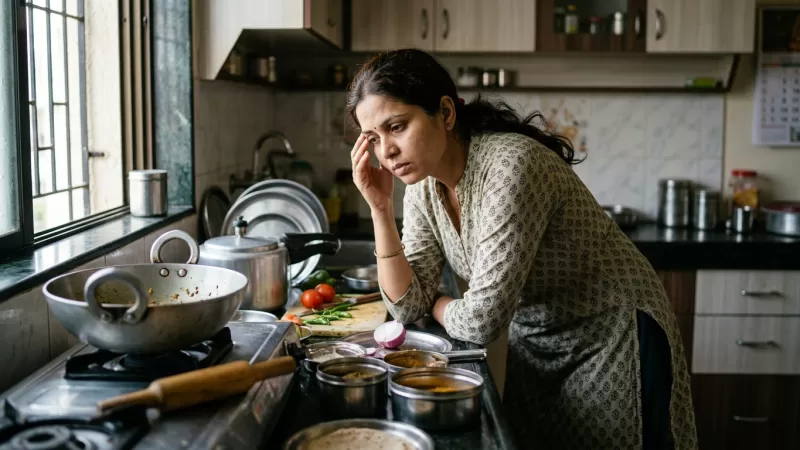
Eating dinner late has quietly become a part of life for many Indian families. With long commutes, children’s classes running late, and work-from-home calls stretching into the evening, it’s common to find yourself sitting down to dinner well after 9 or even 10 pm these days. While this isn’t ideal for digestion, sometimes it’s just how the day goes. Instead of feeling guilty or stressed, a few gentle changes to your food and routine can support your stomach and help you rest easier at night. Let’s look at some realistic, comforting habits that fit right into the Indian way of life, especially when dinner gets delayed.
Why Late Dinners Can Upset Your Stomach
Most of us grew up hearing that dinner should be light and early. There’s some wisdom in this, because our digestion slows down at night. When you eat heavy sabzi, rice, or oily curries late, food often sits in the stomach longer. This can mean feeling heavy, bloated, or even waking up with acidity. There’s also the simple fact that after a late meal, you may not have enough time to move around before sleeping, which makes digestion even slower.
You’ve probably noticed that late-night meals after big events or festivals often leave you tossing and turning in bed. It’s not just the food, but also the timing and how you eat. That said, not everyone has the luxury of an early dinner every night. The key is to be gentle with your habits rather than strict.
Let’s be honest—changing meal times completely isn’t realistic for every family. But the way you choose your foods and your habits around dinner can make a real difference, even with a late schedule.
Prioritise Light, Familiar Foods
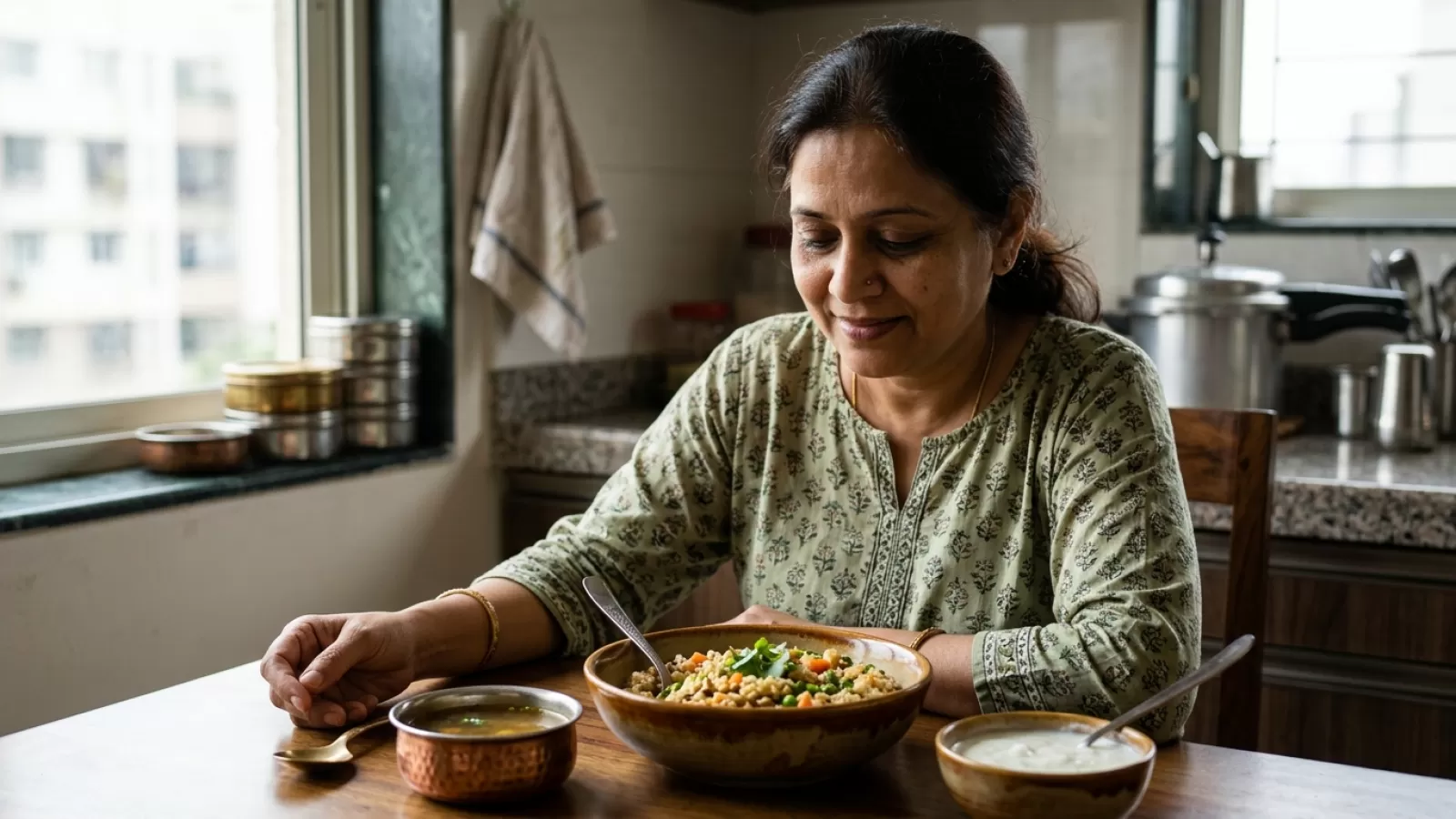
On nights when dinner gets pushed back, it helps to keep the meal simple and easy on the stomach. Heavy gravies, deep-fried pakoras, and rich sweets are best saved for special occasions, not regular late dinners.
- Moong dal khichdi: Soft, comforting, and easy to digest. You can add a few vegetables for gentle nutrition.
- Phulka roti with lauki or tori sabzi: These vegetables are light and watery, so they’re less likely to cause heaviness.
- Curd rice: Especially during summer, this is soothing and unlikely to disturb sleep.
- Steamed idlis or upma: If your family enjoys South Indian food, these are gentle on the gut.
The tricky part is, sometimes you crave something tasty after a long day. That’s normal. Maybe try a small portion of your favourite sabzi, but keep the rest of the plate light. Over time, your body tends to adapt and even starts wanting lighter food at night.
Give Yourself a Small Eating Window
Even if dinner is late, it helps if you’re not grazing or snacking until bedtime. In many homes, there’s a temptation to have chai, biscuits, or leftovers even after dinner—especially when watching TV or chatting with family.
Try to finish all eating (even fruits or milk) at least 45 minutes to an hour before actually lying down. This gives your stomach a head start on digestion, so you don’t feel heavy when you’re trying to fall asleep.
- Clear the dining table after dinner, so you’re not tempted for a late-night nibble.
- If you feel slightly hungry later, sip warm water or a small glass of buttermilk instead of solid food.
This small gap between eating and sleeping is often overlooked, but it can make all the difference.
Chew Slowly and Eat Mindfully
It’s so common to rush through a late dinner—especially if you’re tired and just want to finish quickly. But eating in a hurry, or while distracted by the TV or phone, makes it harder for your stomach to process food properly.
Take a moment to sit down, turn off screens if possible, and chew each bite slowly. This old advice from elders—"chew your food well"—still holds up. It gives your stomach less work to do, and you might even notice you feel full with a smaller portion.
Here’s the catch: some nights, everyone’s tired and conversation is minimal. That’s okay. Even then, a few extra chews and paying attention to what you’re eating can make dinner more peaceful, and your stomach will thank you for it.
Keep Spices and Oil in Check
Indian food is famous for its spices and rich flavours, but some masalas and heavy tadkas can be tough on the stomach late at night. If you’re eating late, try using less oil, ghee, and chilli in your dinner dishes.
- Use jeera, ajwain, and hing for their gentle digestive benefits.
- Opt for steamed, sautéed, or lightly cooked vegetables instead of deep-fried or rich gravies.
- Skip raw onions, garlic, and heavy pickles if you’re prone to acidity or heartburn.
This doesn’t mean your food has to be bland—just a bit lighter for the night. Many families quietly deal with stomach upsets after spicy, oily late dinners, but these tweaks often help.
Warm Water (Not Cold!) Before Bed
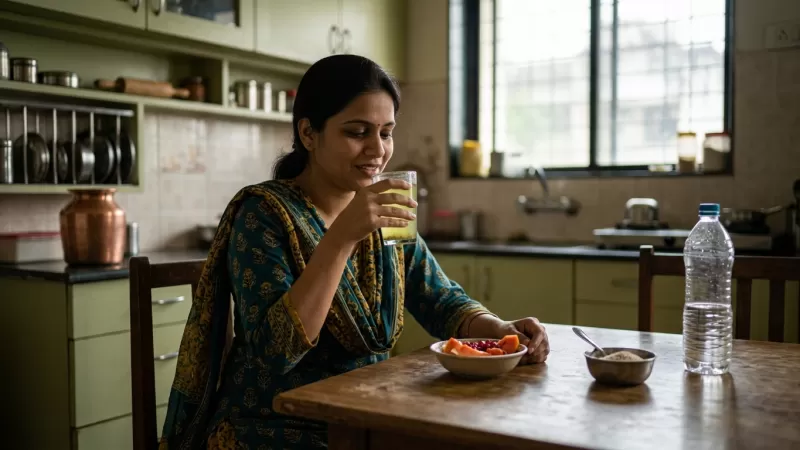
In many Indian homes, drinking water with meals is a habit. But when dinner is late, sipping a small glass of warm water afterwards (instead of cold or aerated drinks) can be soothing and may help your stomach settle.
Cold water, especially from the fridge, sometimes slows down digestion and can make you feel bloated. Warm water or even a light herbal tea (like tulsi or chamomile, if preferred) is a gentle way to end the day.
That said, don’t force yourself to drink too much before bed—just enough to quench thirst and wash down the meal.
Move a Little, Then Rest
After a late meal, it’s tempting to head straight to bed. But lying down immediately can make digestion sluggish and may cause discomfort. Instead, try to stay upright for at least 20–30 minutes.
- A slow walk around the house or balcony is enough. You don’t need to go outside or do anything energetic.
- Some people like to do gentle stretches or just tidy up after dinner; even standing and chatting while cleaning the kitchen counts.
You don’t need a formal routine. Just avoid collapsing into bed right after eating, especially on very late nights. This small habit tends to reduce problems like heartburn and heaviness.
Make Peace With Your Routine
Many people feel frustrated or guilty about eating dinner late. The truth is, with today’s busy life, early dinners aren’t always possible. Rather than feeling bad, it’s kinder to focus on what you can control—gentle food choices, mindful eating, and small after-dinner habits.
Some nights will be perfectly healthy, others not so much. That’s normal. What matters is the overall pattern, not one-off slip-ups. Over time, these soft habits become second nature and support your digestion, even on hectic days.
If you ever feel discomfort that doesn’t settle, or if you have ongoing digestion worries, it’s always best to check with a doctor for personalised advice. For most people, though, these simple, familiar changes can bring a little more comfort and ease to those late-night dinners.