There’s something almost sacred about those early hours before the rest of the house stirs awake. In many Indian homes, these moments are claimed by the person who wakes up first—maybe out of habit, work demands, or simply a bit of quiet before the day begins. If you find yourself eating before anyone else wakes, you’re not alone; plenty of people quietly support their energy and comfort in this way. The trick is doing it gently, without making the morning feel heavy or rushed. Here’s a practical, comforting guide to eating well in those peaceful, hushed hours.
Why Early, Quiet Meals Feel Different
Eating before sunrise, or even just before the rest of the household, tends to be a different kind of experience. The world is quieter. There’s less urgency. For some, this is a time to gather their thoughts, maybe plan the day, or just enjoy a slow cup of chai without interruptions. You may have noticed how food tastes a bit different in this calm—sometimes more comforting, other times less appealing.
In these moments, the body is usually just waking up too. Heavy foods or spicy, oily dishes can feel out of place. Many people find they don’t want much—just enough to feel settled and ready. Eating gently means paying attention to what your body asks for, not what the clock or routine demands.
It’s worth remembering: these early meals aren’t about grand nutrition strategies. They’re about comfort, energy, and starting the day with a sense of ease.
Understanding Gentle Eating: What Does It Mean?
Gentle eating isn’t a strict method or a diet trend. It’s more about listening to your body and choosing foods that are light, easy to digest, and calming. This approach tends to work well in the early morning, especially if you feel a bit groggy or sensitive to strong flavors.
You’ve probably noticed how some foods can sit lightly in your stomach, while others feel heavy for hours. Most people do better with simple things—a soft roti, a small bowl of dal, or even just a banana. It’s not about skipping food, but about supporting yourself without making digestion harder than it needs to be.
Gentle eating is also about pace. Eating slowly, taking a few breaths between bites, and not feeling pressured to finish quickly can make a big difference. Many families quietly deal with rushed mornings, but when you’re eating alone before the day begins, you can give yourself permission to go easy.
Simple Foods That Support Comfort and Energy
Not sure what to eat in those quiet moments? Here are some foods that tend to work well in Indian homes for early, gentle eating:
- Moist, soft items: Idli, poha, or a small bowl of upma. These are easy on the stomach and don’t feel overwhelming.
- Plain rotis or parathas: Some people like a small piece with a dab of ghee or a little curd. Avoid heavy stuffing or frying early in the day.
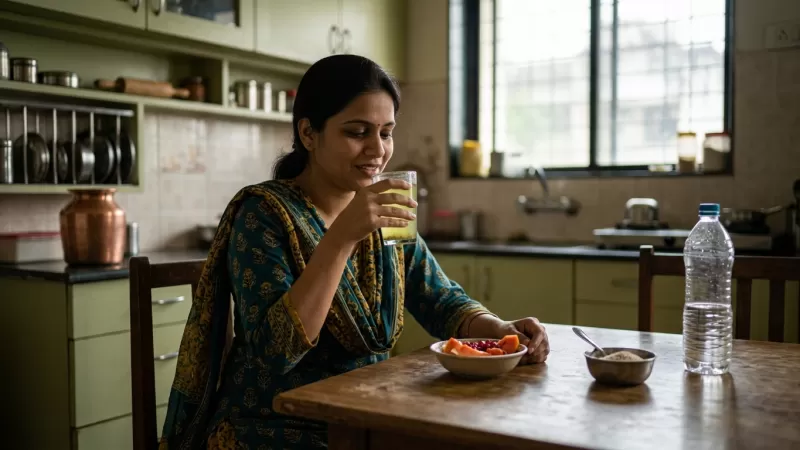
- Fruits: Banana, papaya, or sapota (chikoo) are gentle and provide quick energy. Apples can be a bit hard on the stomach for some, especially if eaten raw.
- Warm milk or chai: A small glass of milk (plain or with a pinch of haldi) or a cup of lightly brewed chai can bring comfort, especially in winter.
- Leftover dal or sabzi: Sometimes, just a few spoons from last night’s dinner feel right. No need to cook something new every time.
That said, every body is different. What feels light to one person might be too much for another. The aim is to find what gives you steady energy without making you feel sluggish or too full.
Practical Habits for Quiet, Early Eating
Eating before others wake up can be a kind of ritual if you let it. There’s no need to make it special or complicated, but a few gentle habits can make it more nourishing:
- Sit down, even if just for a few minutes. Avoid standing at the counter or eating while rushing to get ready.
- Try to use a small plate or bowl. This keeps portions light and helps you listen to your hunger.
- If you’re drinking chai or milk, sip it slowly. Let it warm you up before you start eating.
- Notice your body. If you’re not truly hungry, it’s okay to wait a bit or just eat a few bites.
- Keep your phone aside if possible. Mornings are already full of screens, and these quiet minutes can help set a calm tone for the rest of your day.
Sometimes, especially during busy work-from-home days, you might be tempted to eat at your desk or while checking emails. On most days, though, these small changes can make the whole day feel a bit brighter.
Dealing with Common Early Morning Challenges
Early risers often face their own set of challenges. Maybe your stomach feels unsettled, or you’re not sure if you should eat before sunrise, especially during certain months. In some homes, there’s a belief that eating before dawn isn’t ideal, especially for seniors. Others might feel faint or irritated if they skip a small meal.
The tricky part is there isn’t one right answer. If you’re waking for a specific reason (like a morning puja, fasting, or a health routine), you’ll have to adapt. For most people, though, a light, gentle meal does more good than harm. If you sometimes feel nauseous or heavy after an early meal, it could help to stick with just liquids or fruit until your appetite wakes up.
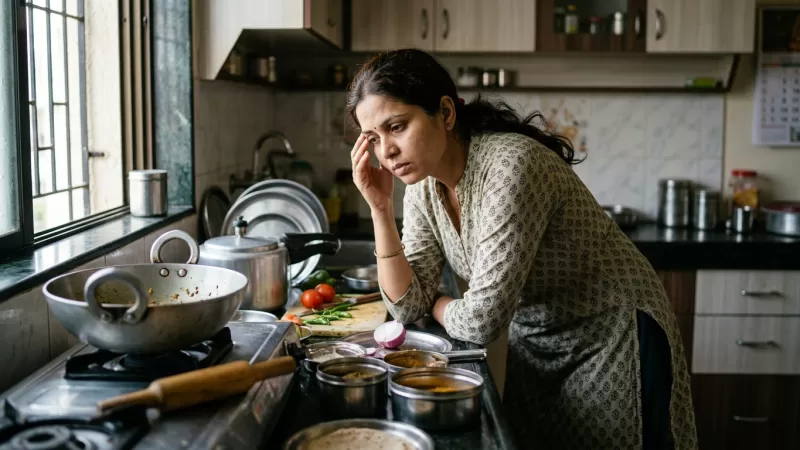
And if you’re caring for others—maybe packing tiffins or getting kids ready—don’t forget to look after yourself too. It’s easy to make everyone else’s needs a priority and ignore your own comfort. Even a five-minute pause can make a difference.
How to Avoid Heaviness or Discomfort
Many families quietly deal with digestive discomfort in the morning, but it doesn’t always get spoken about. Here are some simple ways to keep things easy:
- Avoid very oily or spicy foods: Save those for later meals, when your body is more awake.
- Keep portions small: A little goes a long way in the early hours.
- Choose foods you know work for you: If certain items (like raw onions or heavy butter) bother you, there’s no harm in skipping them.
- Drink a little water first: Sometimes, a glass of warm water helps wake up your digestion.
Over time, you’ll learn what your body likes in the morning. Some people do well with just liquids, while others need a bit more. There’s no need to force yourself to eat just because it’s “breakfast time.”
Making Quiet Meals a Comfort, Not a Chore
It’s easy to treat early eating as just another task—something to get out of the way before the real day begins. But, when you allow yourself even a few moments of attention, it can become a small, grounding ritual. Lighting a lamp, opening a window for fresh air, or simply sitting near the balcony while you eat can make it feel more restful.
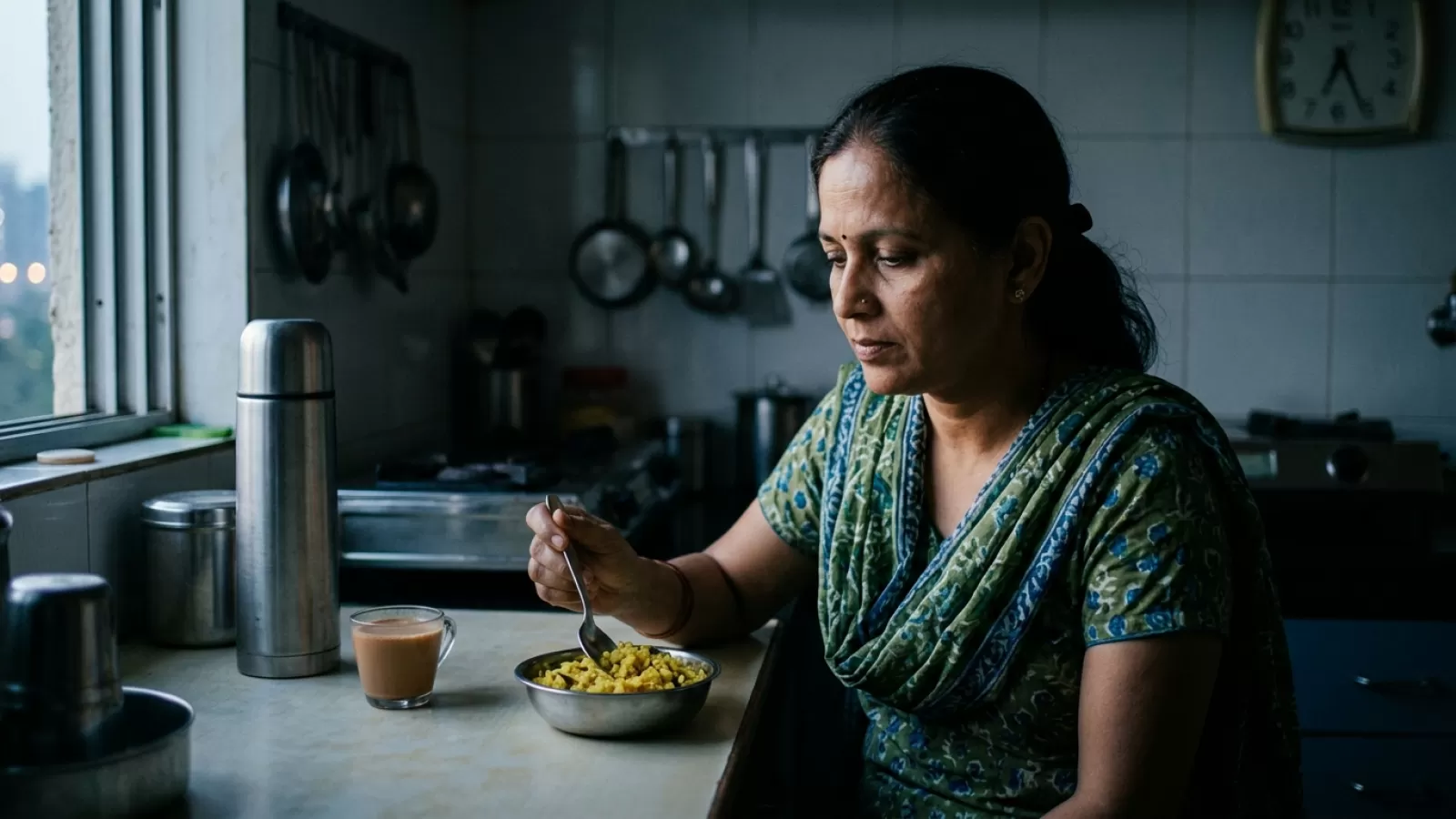
In Indian homes, many people quietly eat alone in the morning. It’s not always lonely—sometimes, it’s the only time you truly get to yourself. You might use this time to think, pray, or just listen to the sounds outside. Even the act of gently preparing your own small meal can feel caring.
If you’re not used to this kind of attention, it might feel odd at first. But over time, it can help you start your day with more steadiness and even a bit of gratitude.
Adapting to Seasons and Family Rhythms
Indian seasons can make a big difference in what feels right in the morning. During hot months, lighter foods like fruits or curd can feel refreshing. In winter, something warm—a bit of dal or upma—might sit better in your stomach. You don’t have to follow the same routine every day; it’s perfectly normal to change things up with the weather or your mood.
Family schedules also play a part. If you’re up early for work, or because of younger children or elders, try to plan simple options for yourself. Keeping a few ready-to-eat choices (like boiled potatoes, leftover rice, or soaked poha) can make things easier.
Here’s the catch: sometimes your needs will come second to everyone else’s. That’s just part of life in a busy home. On those days, even a glass of water and a few minutes of stillness can count as self-care.
When Quiet Nourishment Makes All the Difference
In the long run, these early, gentle meals are less about nutrition and more about supporting your own comfort and steadiness. They don’t have to be perfect. Some days you’ll grab a biscuit and chai, other days you might feel like making something warm and fresh. Both are okay.
If you’ve ever wondered whether these small, quiet efforts matter, the answer is usually yes. They set the tone for your day, giving you a moment of peace and something to carry with you as the house fills with noise and activity.
In the end, eating before anyone wakes can be a quiet act of care—one that supports not just your body, but your whole mood for the day ahead.