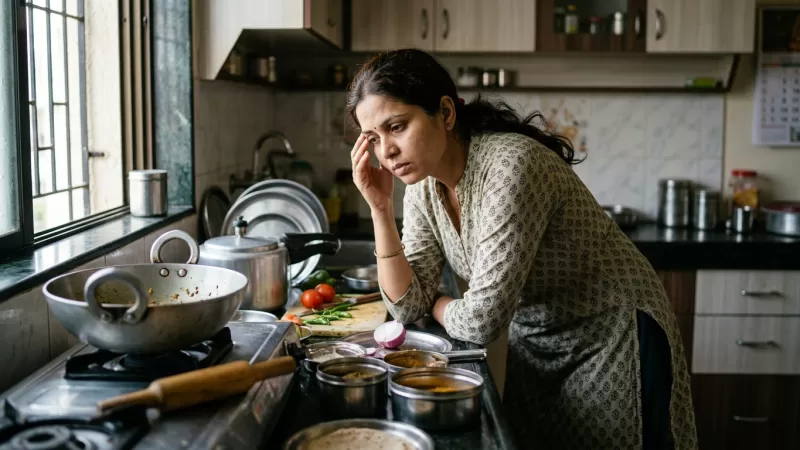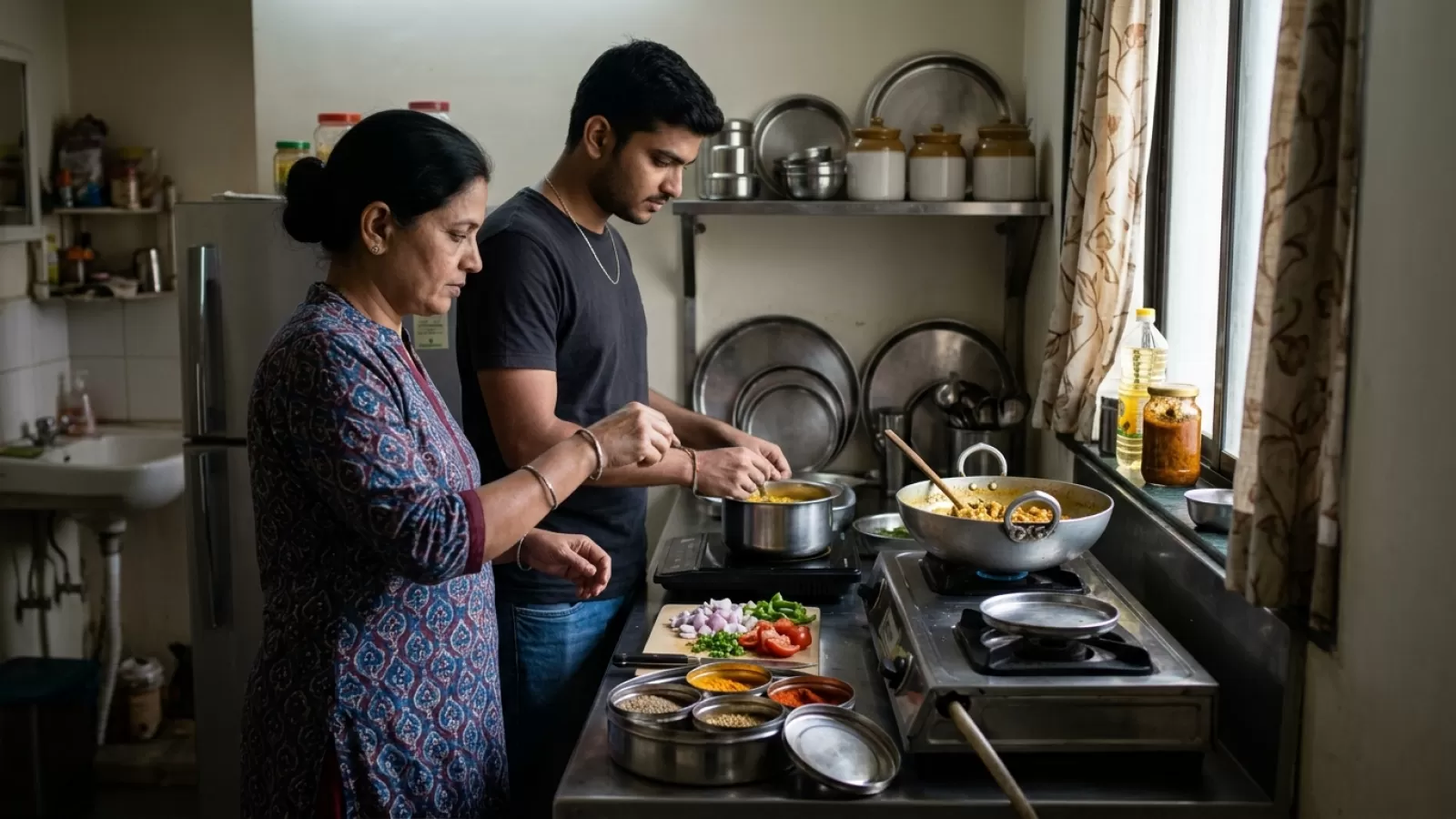
Most Indian homes have at least a little “food drama.” One person loves spicy, another avoids oil. Some want heavy dinners, others prefer light. Kids suddenly boycott dal, or an elder develops a new dislike for garlic. When there’s a shared kitchen and everyone’s got their own preferences, cooking can feel less like a daily rhythm and more like a negotiation table. You might wonder, is there a way to keep meal prep practical, calm, and (mostly) enjoyable, even when tastes seem to be pulling in every direction?
Why Food Preferences Get So Complicated at Home
In many Indian families, meals are personal. Food isn’t just fuel; it’s comfort, memory, even a quiet statement of who we are. With joint families, nuclear setups, or even flatmates, you’ll often see a mix—vegetarians and non-vegetarians, health-watchers and “ghar ka khana hi chahiye” loyalists, kids with changing tastes, seniors with health concerns. It’s rarely just about recipes.
Even in small families, you might have busy work-from-home schedules, late-night dinners, or festival fasting adding extra layers to daily meal planning. And honestly, sometimes everyone’s simply tired of deciding. You’re not alone if you’ve found yourself making two sabzis or hiding extra chilli powder on your own plate.
So, what helps? It’s not about big changes or perfect harmony, but about tweaking routines and patterns so that the kitchen feels less like a battleground and more like a peaceful, if sometimes noisy, common ground.
Start with a Flexible Core Meal
One habit that quietly helps in many homes is having a "core meal"—a simple, familiar set of dishes that most people eat, built around dal, rice or roti, and a basic sabzi. This becomes the anchor. Preferences (and tweaks) orbit around it.
- Dal can stay plain, but a tadka or a squeeze of lemon can be added at the end for those who want it.
- Make a neutral sabzi base (say, aloo-gobhi), then split it—one half gets extra masala or green chilli, the other stays mild.
- Rice is plain, but a quick tadka of jeera or curry leaves can transform a small portion for someone who wants more flavour.
The trick is to keep the main effort focused on a few dishes, then allow for small, last-minute changes. It’s less tiring than cooking two full meals, and it quietly respects everyone’s tastes.
Batch Prep Basics—But Not Overdoing It
Batch cooking sounds perfect, but here’s the catch: if you make a giant pot of one thing, it won’t suit everyone. Instead, prepping ingredients in batches works better—chopped onions, boiled potatoes, cooked dal. You can then quickly assemble different versions of meals without starting from scratch every time.
- Keep separate containers for prepped veggies—makes it easy to add or skip ingredients based on who’s eating.
- Boil extra dal or chana and store plain—season differently in smaller pans as needed.
- Roast a batch of dry masalas for quick use, but don’t mix in the oil or garlic until you know who’s eating.
This way, you’re not stuck eating the same thing for three days, and you can still offer mild, spicy, or Jain-friendly versions quickly.
Let Everyone Build Their Own Plate (When Possible)
These days, many families—especially with teens or young adults—find it easier to put the basics on the table and let each person finish their plate their way. It’s not always possible (especially with little kids or elders), but it can take pressure off the cook.
- Keep fresh chutneys, dahi, papad, pickles, and lemon wedges on the side. These small add-ons let each person adjust flavour and spice.
- If you’re making dosas, parathas, or sandwiches, let everyone choose their own fillings or toppings.
- During festivals or fasting, put out the core meal, but keep phalahar (fruit, sabudana, etc.) ready for those observing rituals.
It’s not a perfect solution, but it often reduces complaints and gives everyone a sense of control—even if it means a few extra katoris to wash.
Planning Ahead—But Staying Realistic
Meal planning is helpful, but strict weekly charts rarely work long-term in Indian homes. Someone’s mood changes, plans shift, leftovers appear. Instead, a loose plan—knowing what you’ll cook tomorrow, or prepping enough for two main meals—keeps things practical without feeling like a chore chart.
Try keeping a small whiteboard or notebook in the kitchen. Jot down what’s running low, who’s got a special need (like fasting, or a doctor’s order), and what’s already in the fridge. This prevents last-minute panic and avoids waste.
- Plan for a couple of flexible meals—something you can adjust at the last minute, like khichdi or poha with add-ons.
- Include one “everyone’s favourite” meal each week—gives people something to look forward to, and often means less fuss that day.
Don’t feel bad if you skip the plan sometimes. Most families do.
Gentle Negotiation: Setting Expectations
Here’s the tricky part—sometimes, you do need to talk about what’s practical. If cooking separate meals every day is wearing you out, it’s okay to say so. In many families, quietly mentioning how much time or energy certain routines take can help others understand. You don’t have to please everyone, every meal.
Some homes set small ground rules—like “one main meal for everyone, extra tweaks if you want, but no completely separate dinners.” Others have a “help yourself” night once a week, where each person makes their own simple meal—like Maggi, bread-upma, or leftover rice.
It’s not selfish to set boundaries. It’s actually what keeps the kitchen running peacefully in the long run.
Making Peace with Repetition
It’s easy to feel guilty for repeating meals. But in many Indian families, there’s comfort in familiar flavours. Most people are happy to eat similar dal-chawal or sabzi-roti combinations several times a week, as long as there are small changes in spices or sides.
Rotating between a few core dals, sabzis, and grains keeps things simple. If you’re worried about nutrition or boredom, just switch up one thing—like adding a seasonal vegetable, using millet or poha instead of rice once a week, or trying a new chutney.
Don’t underestimate the power of plain meals. Sometimes, after a long day or a heavy festival season, everyone just wants simple khichdi or plain parathas with dahi.
Dealing with Special Diets and Health Needs
Many families quietly deal with diabetes, cholesterol, or other health-related restrictions. This can add stress to shared cooking. The simplest way is to make the common meal as healthy as possible (less oil, more veggies), and let those with special needs adjust their portion size, spice, or add-ons.
- Keep boiled veggies, sprouts, or a basic salad handy—easy for anyone to add to their plate.
- Use less salt and oil in the main dish, then allow each person to add more at the table if they want.
- If someone needs to avoid gluten or dairy, keep rotis or milk separate instead of mixing into the main dish.
It’s rarely perfect, but most families find a groove over time. The main thing is to keep communication gentle and avoid making anyone feel singled out.
When Tastes Really Clash: Staying Calm
Some days, nothing seems to work—someone wants Chinese, another wants South Indian, and the fridge is half-empty. It happens in every home. On such days, don’t be too hard on yourself. Sometimes, parathas and achar, or a quick upma, is all you can manage. That’s fine.
Ordering in occasionally, or letting each person fix their own snack, isn’t a failure. It’s just part of modern life, especially when everyone’s busy or tired. The goal isn’t perfect harmony—it’s keeping meals practical, peaceful, and as nourishing as possible without losing your mind in the process.
In the end, shared cooking is about balance, gentle compromise, and small routines that make daily life smoother. There will always be a little chaos in the kitchen—sometimes that’s just how families work.