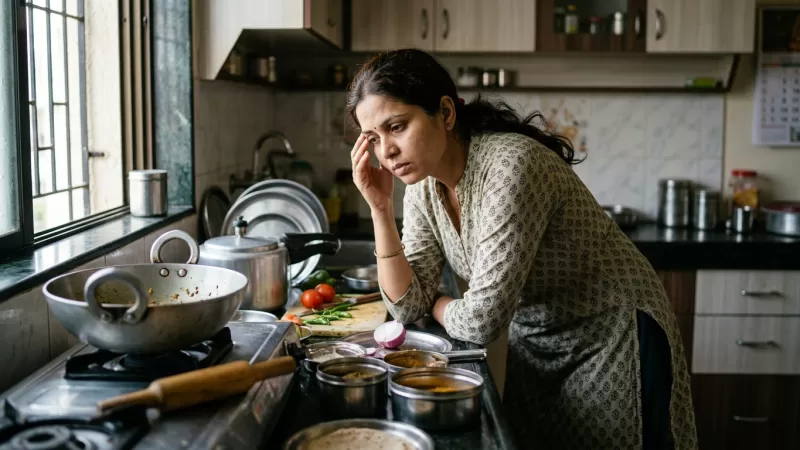
If you ask around—whether it's at a family dinner or a quiet tea break—most people will admit they've tried some sort of strict diet at least once. Maybe you skipped rice for weeks, cut down on oil, or tried eating only salads. The problem is, after a while, these rules start to feel suffocating. You miss the taste of your favourite dal-chawal, and even the smell of homemade parathas makes you feel guilty. In many homes, folks quietly struggle with this push and pull: wanting to be healthy, but not wanting to live under a mountain of food rules. The good news? It's possible to eat well and enjoy your meals—without making yourself miserable.
Why Strict Diets Often Backfire
You've probably noticed that when you declare, "No sweets from today!" the craving for something sweet seems to double. It's a funny thing about the mind: the more you restrict yourself, the more you want what you've forbidden. Many people, especially in Indian homes, end up eating more junk after a period of strict dieting—sometimes in secret, and often with a side-serving of guilt.
Here's the catch. Strict diets rarely fit into real Indian routines. It's hard to say no to your mother-in-law's kheer during festivals, or to avoid all carbs when a steaming plate of poha is served at breakfast. These rules can make daily life feel like a test you're always failing.
Over time, this cycle of restriction and guilt can make you less interested in healthy habits and more likely to give up. So, if you've tried and struggled with rigid diets, you're not alone. Many families deal with this quietly, and frankly, it can get exhausting.
The Sense in Balanced Eating
Balanced eating is not about saying "no" to everything. It's about finding a middle ground—making sure your everyday meals have variety and nutrition, but also room for comfort and pleasure. In most Indian households, this looks like a mix of dal, sabzi, roti, rice, a little pickle, and sometimes a piece of fruit or curd.
Instead of cutting out food groups, balanced eating encourages you to include a little of everything. Of course, this doesn't mean eating fried snacks every day, but it also doesn't mean swearing off them forever. When you know nothing is strictly "off-limits," food stops feeling so dramatic.
Many have found that this approach actually makes it easier to eat well for the long run. You can enjoy a birthday ladoo or some pakoras on a rainy day, without feeling like you've failed.
Simple Habits for Everyday Healthy Eating
Healthy eating often sounds like a big project, but in practice, it's the small, daily habits that matter most. You don't need fancy ingredients or special gadgets to start.
- Regular meal times: Try not to skip meals or eat very late. Of course, some days get hectic, but a rough routine helps your body know what to expect.
- Include a vegetable at lunch and dinner: Even a simple stir-fry or raw salad on the side can make a difference.
- Eat slowly: Many of us rush through meals, especially during busy mornings. Taking a few extra minutes helps you notice when you're full.
- Don’t ban favourite foods: Instead, have them in smaller amounts, and try to enjoy every bite without guilt.
Honestly, these habits sound basic, but sticking to them regularly is usually much more effective than any extreme diet.
Making Room for Treats—Without Guilt
In Indian homes, food is not just nutrition—it's celebration, care, and tradition. From mithai at weddings to samosas during chai, treats are a part of life. The tricky part is, many people start to see these foods as "bad," and then feel terrible for enjoying them.
One way around this is to plan for treats. If you know there's a festival or a birthday coming up, enjoy the special foods without overthinking. On regular days, you might choose a piece of chocolate after dinner, or share a plate of pani puri with family—without labelling it as a mistake.
Many find that when treats are allowed, they're less likely to overeat or binge. Food loses its power to control your mood. And that, in itself, is freeing.
Listening to Your Own Hunger (Instead of Rules)
Every person’s hunger and fullness signals are a bit different. Some people need a hearty breakfast, while others prefer something light. Some feel hungry again by 4 pm, especially after a long day at work or caring for family.
Try to pay attention to your hunger—not just the clock or someone else’s advice. If you’re genuinely hungry, a small snack (like fruit, murmura, or nuts) can help you avoid overeating at the next meal. If you’re not very hungry at dinnertime, it’s okay to eat less.
This can feel strange at first, especially if you’re used to finishing everything on your plate or eating by the clock. But over time, tuning in to your body’s signals (even with some mistakes along the way) often leads to a more relaxed and satisfying way of eating.
Dealing with Food Guilt and Pressure
Food guilt is a real feeling, especially when you’re surrounded by advice from relatives, WhatsApp forwards, and endless health tips on TV. The pressure to eat "perfectly" can make you anxious, especially if you live with family members who have strong opinions about food.
Here’s something to remember: nobody eats perfectly all the time. Not the neighbour who always looks fit, not the TV chefs, and not even your doctor (if you ask them honestly). Trying to meet impossible standards only makes food stressful.
If you slip up—say, you end up eating too many biscuits one evening—try not to punish yourself or skip the next meal. Just get back to your normal routine, and remind yourself that one meal doesn’t change everything.
Making Everyday Foods Work for You
The nice thing about Indian cooking is that it’s naturally full of variety. You don’t have to buy imported grains or superfoods to eat well. Dal, chana, leafy greens, seasonal fruits, homemade curd—these are already nutritious.
If you’re cooking for a family, small changes often add up over time. For example:
- Use a mix of dals and grains for different tastes and nutrients.
- Try roasting or steaming instead of deep-frying when possible, but don’t avoid oil entirely.
- Add a raw salad or some fruit to at least one meal.
- Switch up sabzi recipes to keep things interesting—sometimes with less masala, sometimes with more.
Many families have their own tricks—like adding lauki to dal, or sneaking extra vegetables into parathas. These small adjustments tend to fit better into daily routines, without making meals feel like a punishment.
Eating Together and Finding Joy in Meals
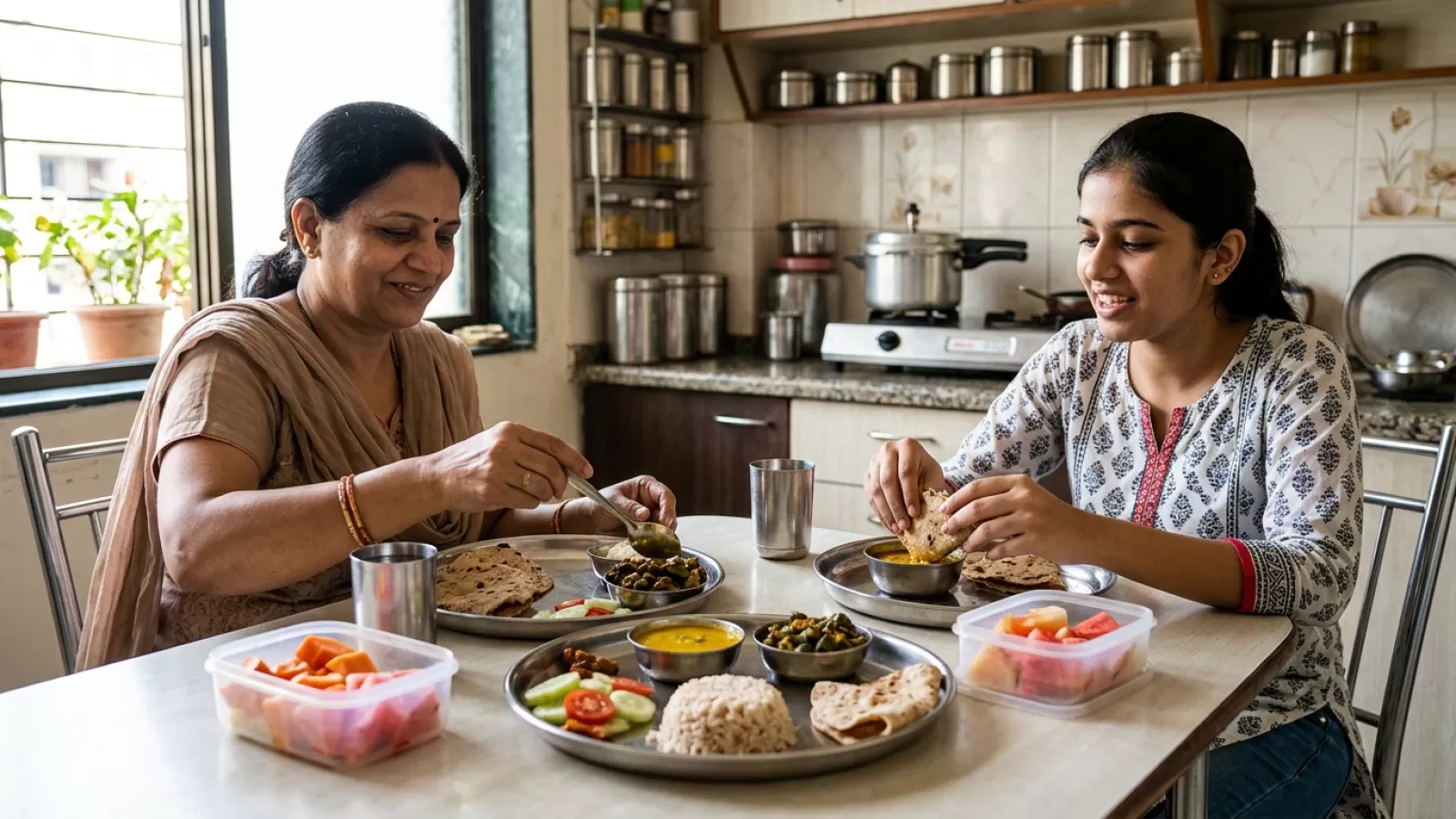
One thing often missed in diet discussions is the value of eating together. In many Indian homes, meals are a time to pause, connect, and relax—even if only for a few minutes. When you eat with family or friends, you’re more likely to eat at a steady pace and enjoy what’s on your plate.
Even if you live alone or have a different schedule, try to make meals a small ritual—maybe with music, a favourite show, or a phone call with a loved one. When food is linked to comfort and connection, it’s easier to make balanced choices, and there’s less urge to binge or eat in secret.
At the end of the day, food is not just about nutrients. It’s about pleasure, habit, and a sense of belonging. And sometimes, the healthiest thing you can do is simply enjoy your meal, without a list of rules running in your head.
When You’re Tired or Confused—What Helps?
Some days, you just don’t have the energy to think about nutrition. Maybe you’re working late, or the family is unwell, or it’s too hot to cook. On those days, it’s okay to keep things simple—a plate of khichdi, curd rice, or even bread and sabzi is enough. You don’t have to do everything perfectly every day.
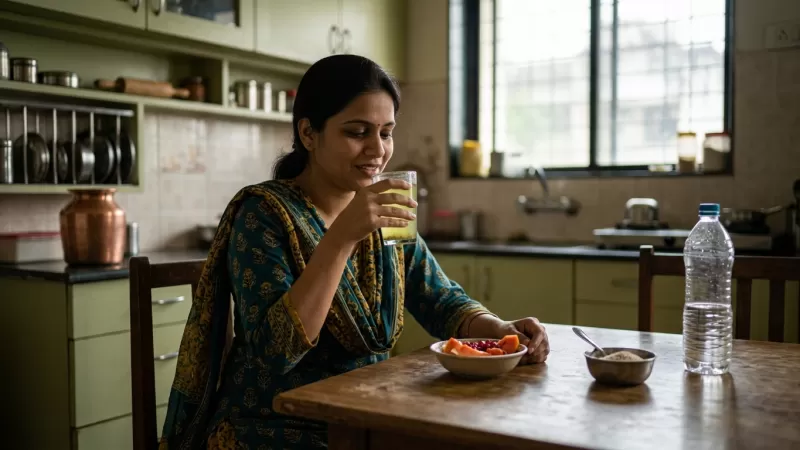
When you’re stuck, try to come back to basics: have regular meals, include some vegetables, and don’t skip water. If you overeat or under-eat once in a while, that’s not failure—just a part of normal life. Over time, these gentle habits settle in, and the urge for strict diets fades away.
So, if you’re feeling overwhelmed by diet talk and food rules, maybe it’s time to trust your own routine a little more. You’re probably doing better than you think.