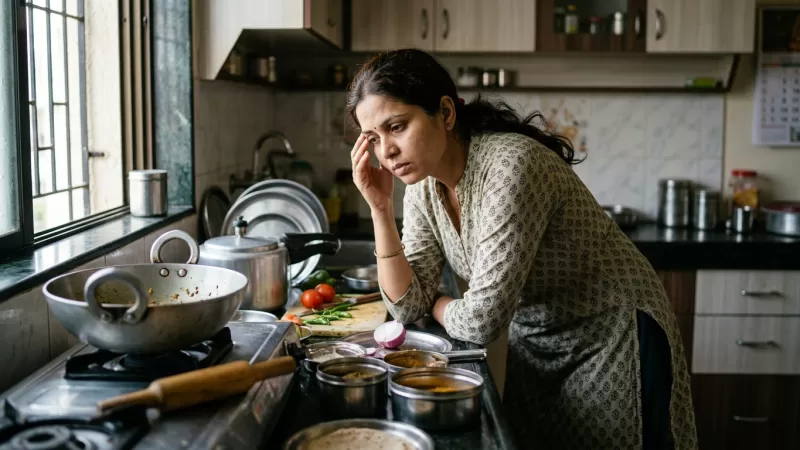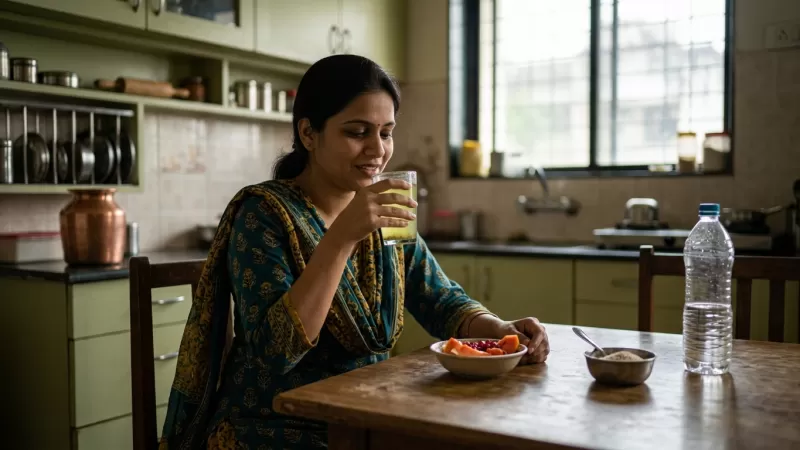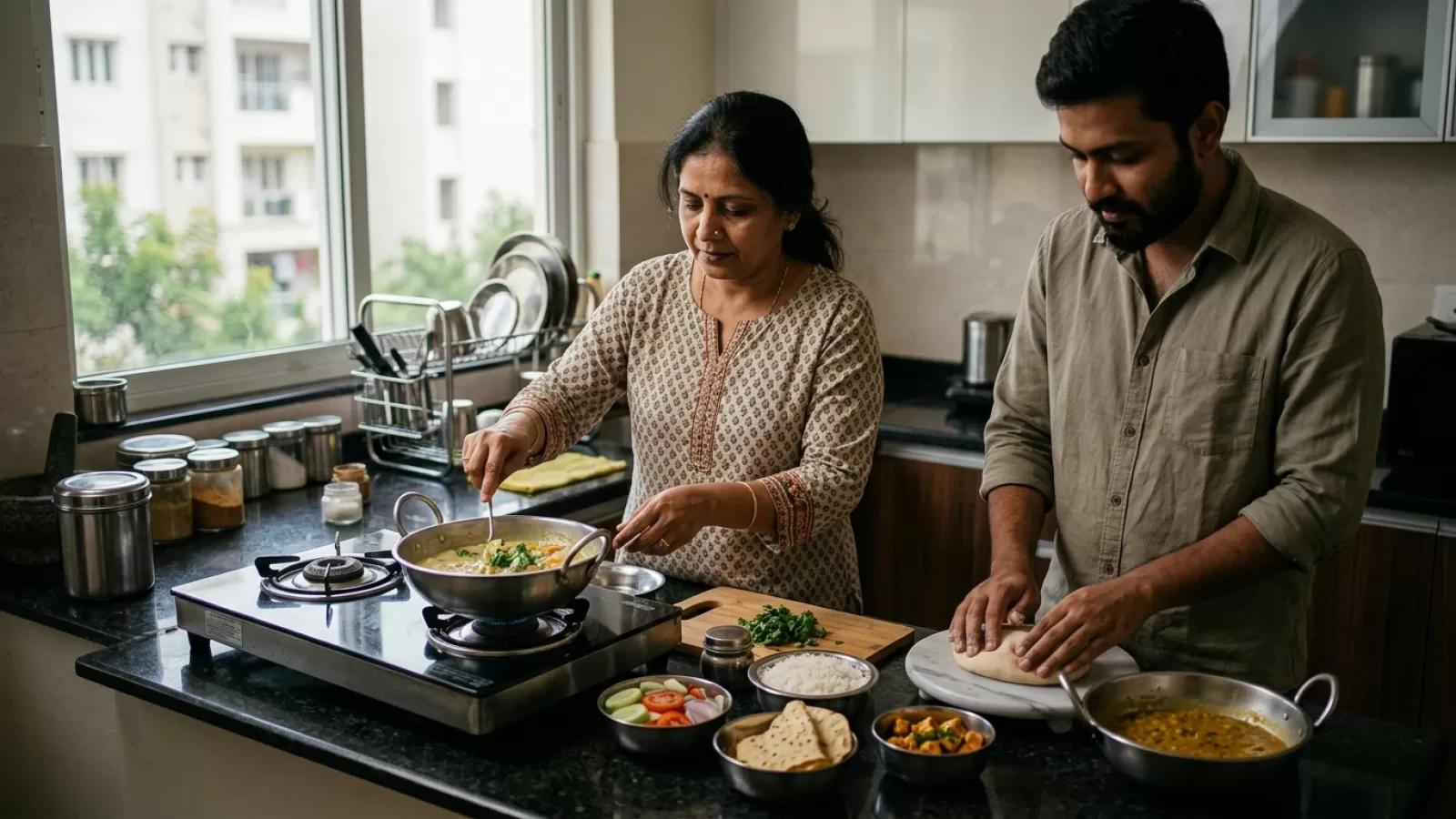
Every Indian home seems to have its own little food story running quietly in the background. Maybe your daughter turned vegetarian last year, your husband craves spicy food, and your mother-in-law can’t handle too much oil. Or perhaps you’re juggling a child who’s still fussy about vegetables, while your own workday leaves you craving simple dal-chawal. Let’s be honest—cooking for a family with mixed food preferences can feel like trying to keep several pots boiling at once, especially after a tiring day. But with a few gentle meal routines, it’s possible to keep things balanced, peaceful, and even a bit joyful without losing your mind or spending hours in the kitchen.
Understanding Your Family’s Food Patterns
First, it helps to step back and notice what’s actually happening at your dining table. In many Indian families, there’s a pattern: one person avoids onions or garlic, another doesn’t like wheat, and someone else is counting calories. These preferences aren’t just about taste—sometimes, they’re tied to health, tradition, or even mood. You’ve probably noticed these things shift with the seasons or after festivals.
Here’s the catch: trying to please everyone, every day, is exhausting. Still, most families find a rhythm that works for them. What matters is finding a middle path—a routine that feels manageable, not overwhelming.
It’s rarely perfect. But you’re not alone in this, and a little flexibility goes a long way.
One Base, Many Twists: The Indian Way
One of the unsung strengths of Indian cooking is how adaptable it is. Most of our staple dishes—dal, sabzi, rice, roti—can be tweaked at the last minute to suit different tastes. Many homes quietly use this trick without making a big show of it.
- Cook a neutral dal (say, moong or arhar) without tadka. Later, add a spicy tempering to one half, and keep the other mild for those who prefer it light.
- Prepare a basic sabzi like aloo-gobi or bhindi, and split it before adding extra masala, chili, or ghee as per preference.
- Roti and rice are usually safe bets. Occasionally, you can offer a millet roti or brown rice alongside regular ones for those seeking variety or health benefits.
This approach allows you to prepare one main dish with small, manageable changes, so you don’t end up cooking double the quantity or feeling resentful. No need for dramatic meal prepping or fancy gadgets.
Meal Planning Without Losing Your Calm
Meal planning sometimes sounds intimidating, but it doesn’t need to be a strict timetable. Even a rough weekly outline can reduce stress. For example, many families keep Mondays for khichdi, Wednesdays for parathas, and so on. These gentle routines mean you’re not thinking from scratch each day.
Try making a short list of everyone’s must-haves and no-gos. Then look for overlaps—maybe everyone likes rajma, or everyone agrees on rasam rice once a week. Build your weekly plan around these shared favourites, scattering individual preferences on other days.
And if you ever feel stuck or uninspired, it’s okay. Rotating the same 10–12 dishes through the month is normal in most homes.
Small Add-Ons: The Secret to Satisfying Mixed Tastes
Sometimes, the solution lies in small touches rather than big changes. Condiments and sides can save you a lot of trouble. A simple raita, pickle, roasted papad, or fresh salad can help everyone put together a plate that feels complete to them.
- Serve lemon wedges, chutneys, or chopped coriander separately. Those who want to amp up flavour can do so easily.
- Plain curd balances out heavily spiced food for those with sensitive stomachs.
- During summer, a bowl of fruit or cucumber slices can cool things down for kids or elders.
These little extras don’t feel like extra work, but they let each person adjust their meal just the way they like it.
Gentle Ways to Encourage Healthier Balance
It’s tempting to fall into patterns—like making only white rice because it’s the easiest, or skipping vegetables on rushed days. But gentle nudges can slowly shift habits without conflict. Here’s what often helps:
- Mix and match grains—try half white rice and half brown, or add a small portion of millet to the usual atta.
- Add grated veggies to dals, parathas, or even poha to sneak in nutrition without making a fuss.
- Rotate cooking oils (mustard, groundnut, sunflower), and don’t overdo any one type—most families naturally do this over the month.
And sometimes, just putting a small bowl of salad or sprouts on the table—without forcing anyone—leads to curious hands reaching for it over time. Change rarely happens overnight, and that’s okay.
Dealing With Special Diets (With Kindness, Not Stress)
These days, it’s common to have someone at home on a special diet—maybe for diabetes, high blood pressure, or allergies. The tricky part is not letting this become a source of tension or guilt.
Try to avoid cooking two completely separate meals every day. Instead, focus on dishes that can be easily customized—like making the same sabzi with less salt for one, and providing a salt shaker separately for others. Or boiling a few extra vegetables for someone who needs to avoid oil.
If someone in your family is feeling left out, maybe let them choose the menu once a week. Small gestures like these can make everyone feel included, even when food rules are different.
Reducing the Burden on the Main Cook
In many homes, one person (often the homemaker) shoulders most of the planning, shopping, and cooking. This gets tiring, especially when everyone wants something different. It’s fair to ask for help, even if it’s just small tasks.
- Children can lay the table or help with peeling vegetables.
- Teens and adults can make salad, chapati dough, or even clean up after meals.
- Sharing the mental load—like asking for meal suggestions in advance—can help lighten the cook’s stress.
It’s not about perfect division of labour. Even a little support can make the daily routine feel less lonely and more manageable.
When You Need a Break—And Why That’s Fine
Some days, you’ll feel like you just can’t do it all. Maybe you’re unwell, swamped with work, or just fed up. On those days, it’s perfectly fine to keep things simple—make a quick upma, order in, or lay out leftovers with fresh rotis. Nobody’s judging.
Over time, most families settle into imperfect but workable patterns. The important thing is not to lose your peace or feel guilty for not being a superhuman in the kitchen. Shared meals are about togetherness, not perfection.
And sometimes, all anyone really wants is hot chai and a little laugh at the end of a long day.