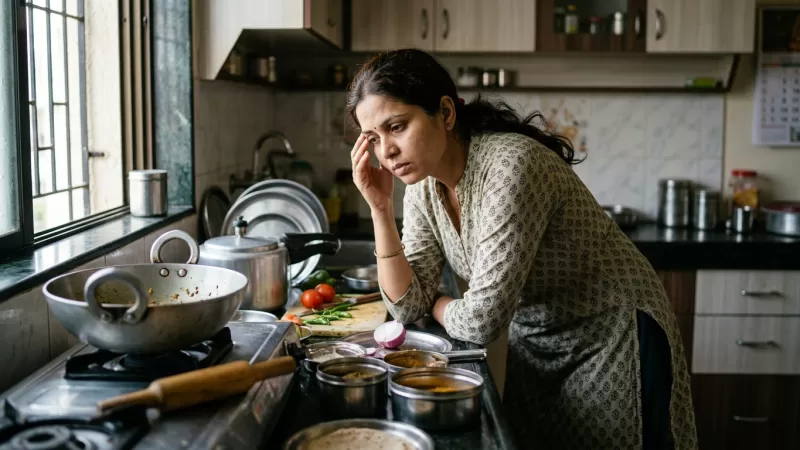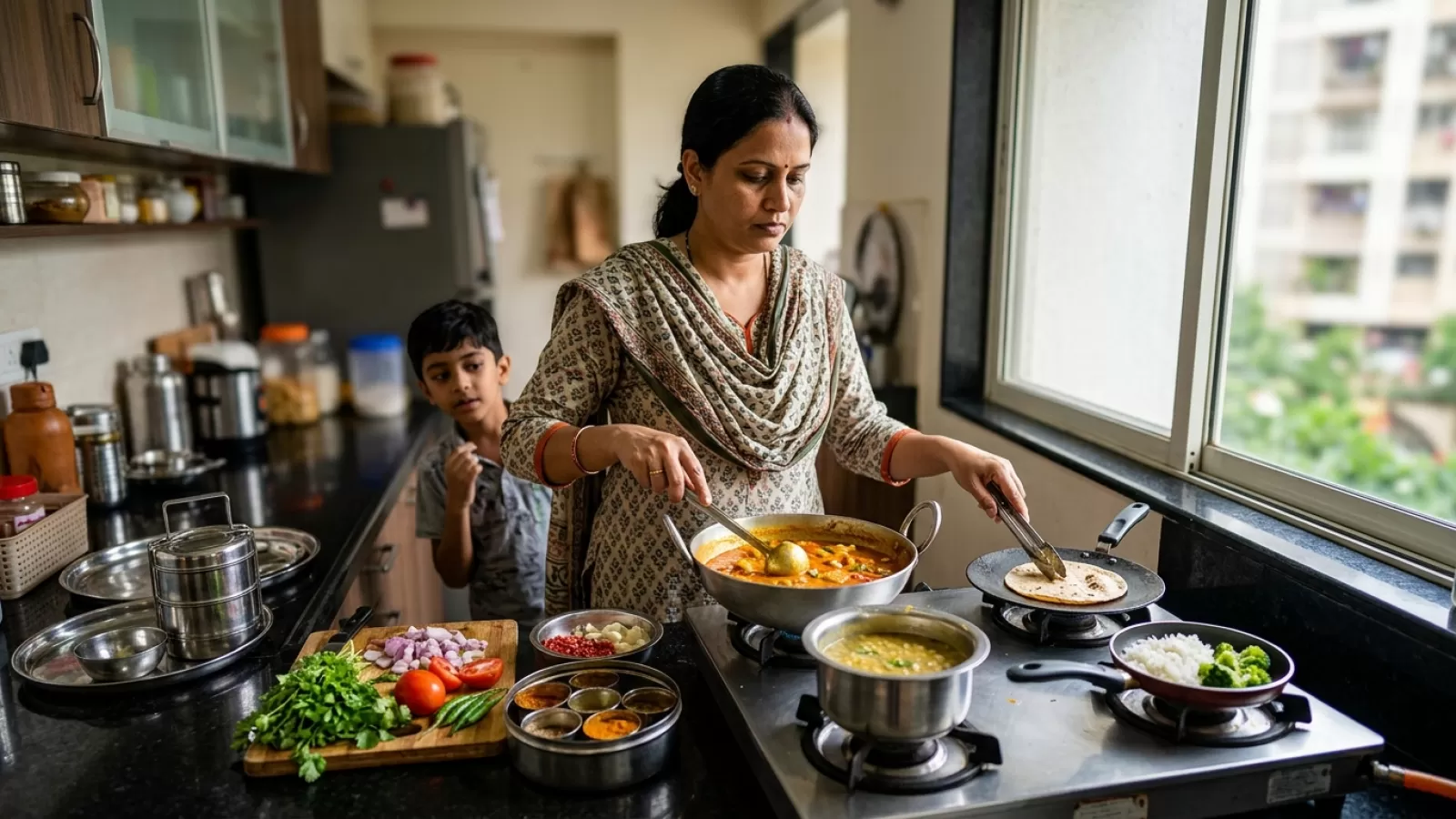
It's easy to feel worn out in the kitchen, especially when you’re trying to keep everyone in your family well-fed and happy. Many Indian homes these days have people with different food needs—maybe your parents need less oil, your children want simple dal-chawal, and you’re trying to eat more vegetables. The result? You end up making separate dishes, and it can feel like you’re running a restaurant instead of a home. The question many quietly ask: Can you really serve balanced meals for everyone, including yourself, without turning your kitchen into a never-ending factory?
Why Does Cooking for Everyone Feel So Overwhelming?
Let’s be honest—most families don’t have hours to spend in the kitchen every day. Between work meetings, school homework, and the general busyness of life, cooking can feel like a race against time. When you add in different tastes and dietary needs, the pressure grows. You might find yourself making a separate sabzi for someone who doesn’t like spicy food, or boiling potatoes for someone avoiding masala altogether.
There’s also that quiet guilt—wondering if you’re neglecting your own nutrition because you’re so focused on keeping everyone else happy. You've probably noticed, in many homes, the person cooking often ends up eating whatever’s left or skipping meals in the rush. It’s not sustainable, and it’s definitely not enjoyable.
The tricky part is, it’s hard to say “no” when you love your family. But it’s also true that constantly making separate meals isn’t practical for most of us.
What Does a "Balanced Meal" Actually Mean in an Indian Home?
People talk a lot about balanced meals, but what does that look like on your plate? In most Indian families, it’s actually quite straightforward: a mix of dal or another protein, some roti or rice, cooked vegetables, and a bit of salad or fruit. The classic thali approach is already built for balance—it’s just about using what you have in smart ways, instead of making everything from scratch for each person.
Of course, every family’s idea of “balance” looks a little different. In summer, you might have more curd or lighter sabzis. During winter, there’s often more ghee and heavier dals. That said, the core idea is simple: try to get a little of everything on everyone’s plate. No fancy diets required.
Here’s the catch: balance doesn’t mean perfection at every meal. It’s more about making sure you aren’t skipping main food groups for long stretches. If breakfast was mostly carbs, maybe add some dal or sprouts to lunch. If dinner is rushed, a bowl of curd or some chopped fruit can quietly round things off.
One Base, Many Variations: The Real Key
Rather than cooking entirely separate meals, many families find it easier to prepare a basic dish and then tweak it for different needs. For example, start with a simple dal tadka—before adding extra oil or chili, take out a portion for someone who wants it plain. Or make a sabzi with minimum masala, then set aside some for the kids before adding extra spices for the adults.
This approach works surprisingly well for:
- Sabzis: Cook with less oil, then add a tadka or extra masala later for those who like it spicier.
- Dal: Boil a big batch, then temper individual servings according to taste.
- Raita or curd: Keep it plain, let each person mix in their favorite additions—cucumber, boondi, salt, or nothing at all.
- Rice: Make it plain, let family add ghee, pickle, or kadhi as they wish.
It’s not perfect, but it does save you from doubling your work.
Simple Tricks to Add Nutrition Without Extra Cooking
Here’s something many busy families quietly do: instead of new dishes, they slip in nutrition wherever possible. For example, add some grated carrot or spinach into your regular dal, or toss a handful of sprouts into upma. No extra pans, just a small change in the routine.
You can also:
- Top sabzi with chopped coriander or a squeeze of lemon for freshness.
- Use leftover roti to make quick roti wraps with whatever sabzi is left.
- Keep a bowl of cut fruits or cucumber ready in the fridge—it’s easy to add to any meal.
- Mix roasted peanuts or seeds into poha, upma, or salads for a bit more protein and crunch.
These tweaks don’t require big planning or extra time, and they quietly make your usual meals more filling and nourishing.
Handling Special Needs Without Extra Stress
It’s common to have someone at home who needs a little more attention—maybe a parent with diabetes, or a child who’s a fussy eater. The natural instinct is to cook entirely separate food, but that’s not always possible (or necessary). Often, just small adjustments can help.
For example, if someone needs less salt, take out their portion before adding extra for the rest. If there’s a need to avoid fried foods, bake or steam a side portion and season it separately. The main dish stays the same, but you avoid that feeling of endless, repetitive cooking.
And if someone truly needs a unique diet for medical reasons, it’s okay to ask for help from others at home—maybe someone else can chip in for chopping or stirring. No one should have to handle everything alone, especially in joint families.
Making Time for Your Own Nutrition
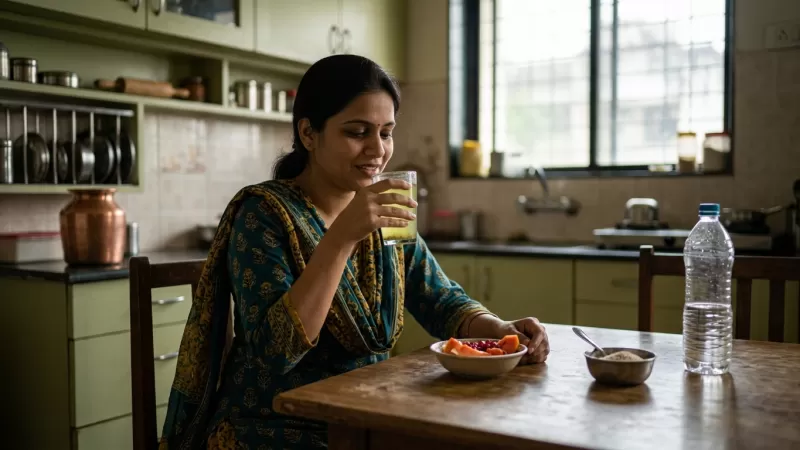
Here’s something that doesn’t get said enough: your own nutrition matters just as much as everyone else’s. Many homemakers and working professionals quietly ignore their own needs, eating whatever’s left after serving others, or even skipping meals when things get busy.
One gentle suggestion: serve yourself at the same time as everyone else, even if it means sitting for five minutes before the second round of rotis gets done. If you’re working from home, keep some roasted chana, nuts, or fruit nearby, so you don’t end up skipping snacks entirely. Even small steps like this can make a difference over time.
It’s not selfish to look after yourself, even if it feels a bit strange at first. Healthy families need healthy cooks, after all.
Real-Life Ways to Involve the Family (Without Chaos)
Many hands do make light work, but in practice, the kitchen often ends up being a one-person zone. Still, involving family—even in small ways—can help you share the load, and it can even bring a little more fun to the routine.
Some simple ideas include:
- Ask children or teens to set the table, chop salad, or mix curd.
- Let family members serve themselves from a common pot, so they can pick their own portions and sides.
- Encourage older parents to shell peas or pluck coriander leaves. These small tasks add up.
It isn’t about perfection—sometimes things get messy or take longer—but over time, it reduces the feeling that everything rests on your shoulders alone. And sometimes, those small kitchen conversations can become the best part of the day.
When You’re Tired or Overwhelmed: It’s Okay to Simplify
Not every day needs to be a feast. On long days or festival weeks, or when you’re simply too tired, it’s perfectly fine to stick to basics—a dal-rice or khichdi with some curd and pickle can be a complete meal. Many families quietly do this, even if no one talks about it much.
There’s nothing wrong with repeating a few favorite dishes through the week. Children and elders often prefer familiar foods anyway. And if you need a break, consider ordering in simple tiffin food or asking another family member to take over for a meal or two.
The main thing is to let go of guilt. Cooking for a family is already a big job. Doing it with love and practicality is more important than perfection.