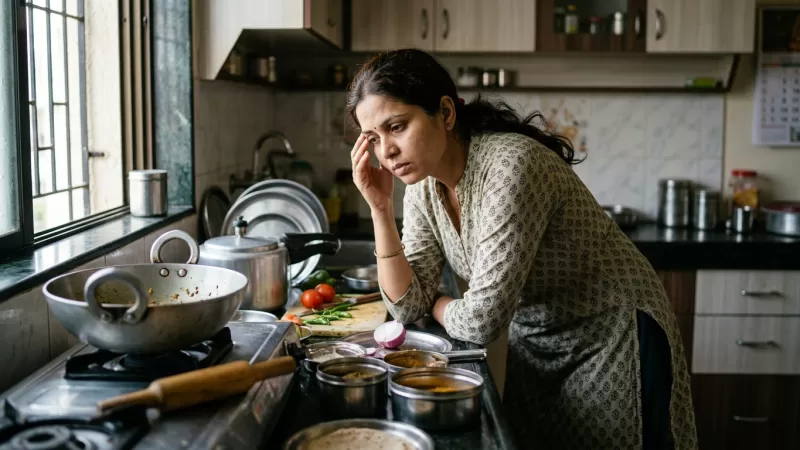
After a long workday or a busy afternoon with the kids, standing in the kitchen and wondering, "What should I make for dinner?" is a headache most families know too well. In many Indian homes, this daily question quietly builds up stress, especially if there’s no clear plan or the fridge looks bare. The good news: you don’t need a perfect meal chart or strict system to make things easier. A few simple, flexible habits can make cooking feel lighter, even on your most hectic days.
Why Meal Planning Feels Overwhelming in Indian Homes
Let’s be honest—Indian meals aren't always simple. There’s dal, sabzi, roti, maybe a salad or chutney, and then someone wants rice too. If you’re juggling work calls or looking after elders, even deciding the menu can feel exhausting. Many people try to follow strict weekly meal charts, but those rarely last beyond a week or two. Life gets in the way—unexpected guests drop in, kids’ tastes change, or the weather suddenly turns hot and nobody wants heavy food.
That’s normal. Most families deal with this quietly, feeling guilty when plans fall apart. Here’s the catch: strict rules often add more pressure. Instead, a softer, more forgiving approach fits better with real Indian life.
It’s okay to plan just enough to avoid daily stress, without boxing yourself in.
Start with a Short, Flexible List
One simple trick is to jot down 8–10 meals your family actually enjoys and will eat without fuss. These can be basic like aloo matar, masoor dal, lemon rice, poha, or even a simple khichdi. Stick this list on the fridge or inside a kitchen cupboard.
- Don’t worry about making it fancy. Just the family staples.
- Include 2–3 super-easy options for your low-energy days (like upma or curd rice).
- Update the list when you try something new and everyone likes it.
This way, you’re never starting from zero at 7 pm. Even if the fridge looks empty, your mind won’t.
Keep a Running Grocery List
One of the most common reasons for last-minute stress is missing ingredients. You open the fridge and realise there’s no onion, no tomatoes, or you’re out of basic tadka spices. Many families quietly deal with this every week.
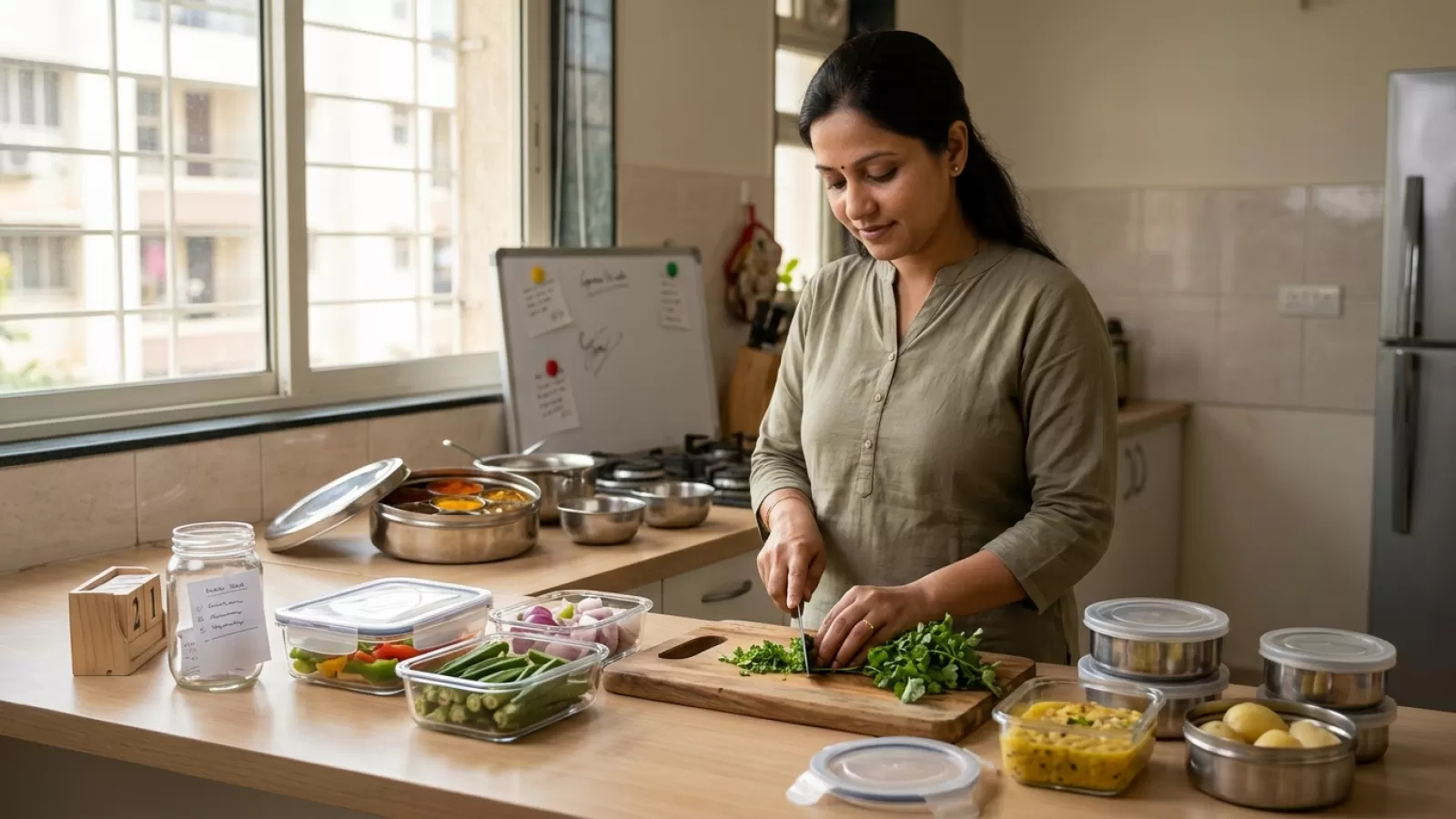
To avoid this, keep a small notepad or whiteboard in the kitchen where anyone can quickly jot down items as they run out. Some families use a phone app, but a physical list often works better in busy kitchens.
- Ask everyone to add to the list, not just the main cook.
- Try to check the list before your weekly or bi-weekly market run.
- Buy extra of long-lasting staples (dal, rice, atta) to avoid emergency runs.
It’s a small change, but it removes the daily mental load of remembering what’s missing.
Batch Prep Basics – Not Full Meals
Many people think meal prep means cooking and storing full meals for the week. That’s tough in Indian homes, especially with limited fridge space. Instead, try prepping just the basics on weekends or whenever you have an hour free.
- Chop extra onions, tomatoes, or green chillies. Store them in airtight containers.
- Boil potatoes, soak and boil chana or rajma, or make a big batch of ginger-garlic paste.
- Roast peanuts, fry papad, or keep a box of homemade raita masala handy.
These little things save time later, especially on evenings when you’re tired or running late. You’ll notice how much easier it is to throw together a quick sabzi or salad with a few basics already done.
Use Theme Nights (But Keep Them Loose)
Some families find it helpful to have loose “themes” for each night of the week. For example, Monday can be dal-chawal night, Tuesday is roti-sabzi, Wednesday could be pulao, and so on. The trick is to keep it flexible—don’t force yourself to stick to it every single week.
- It’s more about narrowing down options than following strict rules.
- If someone is bored of dal, swap it out for a quick idli or dosa night.
- Festivals, birthdays, or leftovers can always override the theme.
This way, you’re not starting from scratch every night, but you also have space for changes when life gets busy or you crave something different.
Embrace Leftovers and Repurposing
In many Indian families, leftovers are quietly looked down upon. But honestly, using leftovers smartly can be a real stress-buster. For example, leftover sabzi can go into a sandwich, leftover dal can become parathas, or extra rice can turn into lemon rice for the next day’s lunch.
- Try planning one meal a week around leftovers—like a simple mixed veg pulao or stuffed parathas.
- Keep small containers for storing bits and pieces from each meal.
- Be gentle with yourself; there’s nothing wrong with repeating dishes, especially on busy days.
It might feel awkward at first, but after a while you’ll notice how much easier and less wasteful your kitchen feels.
Get the Family Involved, Gently
Cooking stress often falls on one person, usually the main homemaker. If that’s you, it’s easy to feel alone in the daily grind. But small, regular help from others makes a big difference.
Ask your family to help with tiny jobs—washing vegetables, setting the table, kneading dough, or peeling garlic. Kids can help pick meal options from the list or even stir a sabzi. The key is to keep it light and not expect perfection. Over time, these small habits add up to a smoother routine and less pressure just on you.
Sometimes, someone will forget or resist helping. That’s normal. Just keep inviting them in, gently.
Allow for Takeout and Off-Days—Without Guilt
Here’s something many people hesitate to admit: even the best planners need a break. Some evenings, you’re just too tired, or there’s a sudden power cut, or everyone wants something different. Ordering in, making instant noodles, or just having toast and chai for dinner is perfectly fine now and then.
Try not to feel guilty about these days. What matters is that most of your meals work for your family and don’t add to your stress. A little flexibility goes a long way.
After all, the goal isn’t perfection—it’s simply making daily life a little bit easier.