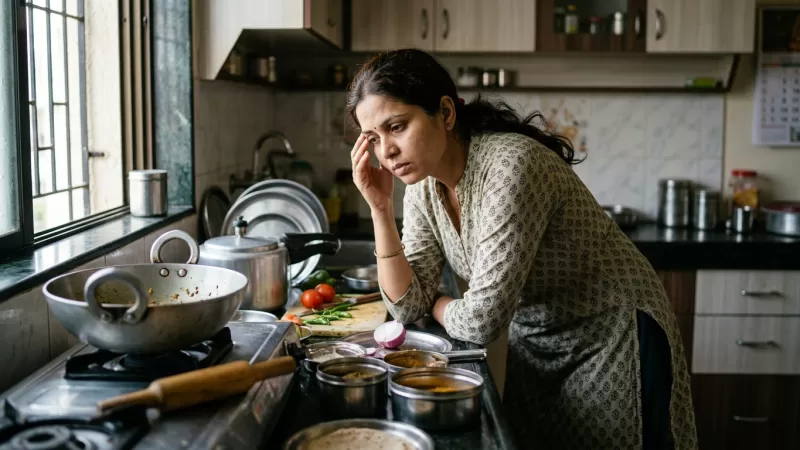
Some days just feel heavier than others—whether it’s a family worry, work stress, or the simple weight of the world pressing down after a restless night. In Indian homes, when life feels overwhelming, food often steps in as a quiet comfort. Sometimes, that comfort is a hot plate of dal-chawal, sometimes it’s a cup of chai with a couple of nankhatai, and sometimes it’s just the relief of eating with your hands, surrounded by familiar smells and sounds. There’s nothing wrong with wanting a little comfort from food when emotions run high. The key is being gentle with yourself while staying aware of what really supports you in the long run.
Why We Turn to Comfort Foods
When emotions run high—be it sadness, anxiety, or plain old fatigue—our minds often nudge us toward certain foods. You might notice a craving for rice, potatoes, or sweets during tough days. This isn’t just habit; it’s something many families quietly deal with. Food can feel like a soft hug, especially the dishes you grew up eating or associate with loving memories.
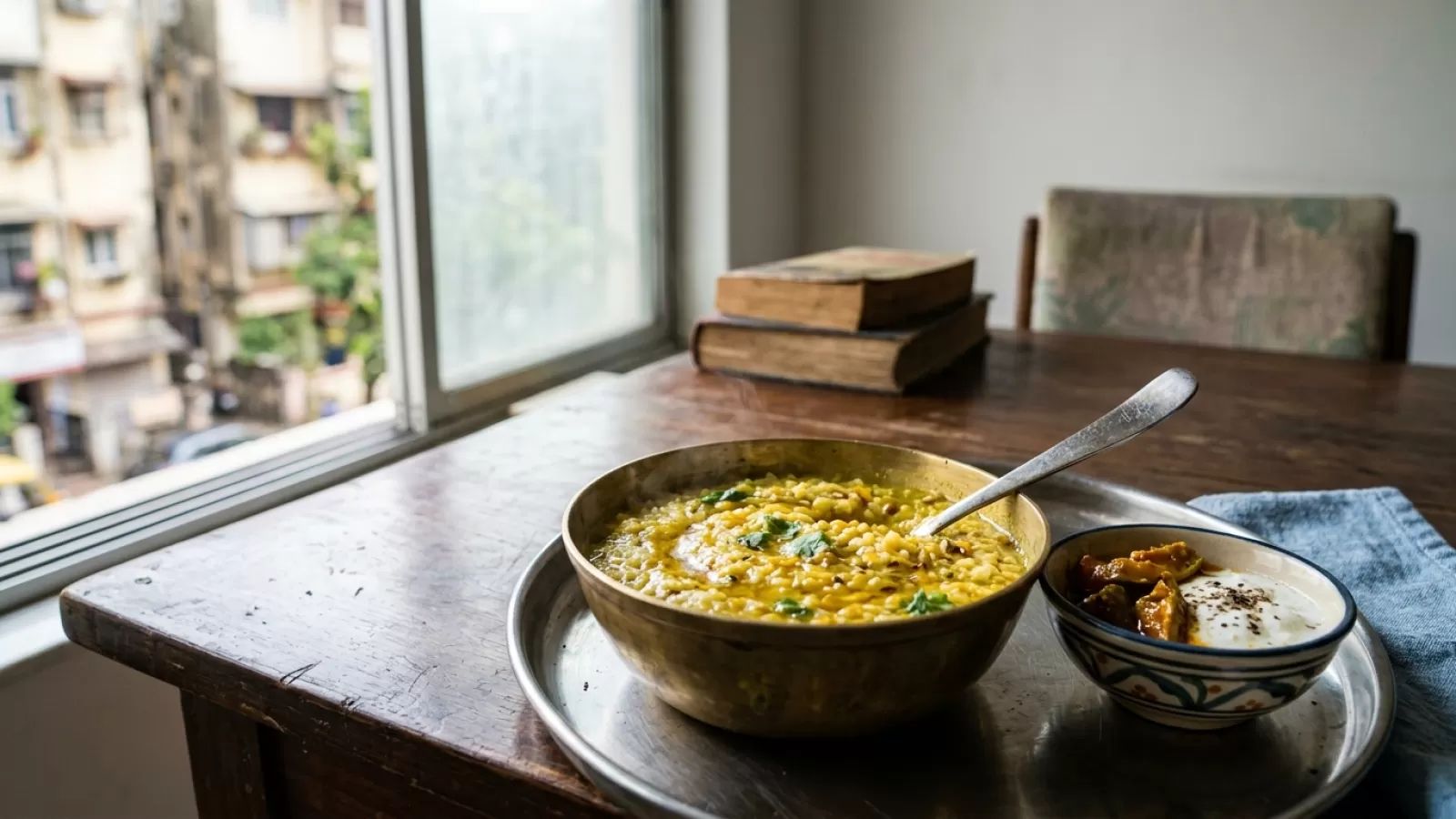
In many Indian homes, comfort foods are simple: a bowl of khichdi, hot rotis with ghee, or even Maggi noodles on a lazy afternoon. These foods aren’t just filling; they’re tied to routine, nostalgia, and a sense of security. That said, the tricky part is when comfort eating becomes the main way to cope—for some, it can turn into a habit that’s hard to notice.
It’s natural to seek a sense of control or relief through food during difficult times. The challenge is not to judge yourself too harshly but to notice the patterns that repeat, especially if you often reach for food when you’re not actually hungry.
What Comfort Food Really Means in Indian Homes
In Indian middle-class families, comfort food doesn’t always mean unhealthy food. Often, it’s about warmth, familiarity, and ease of preparation. You’ll see it in the way someone makes a quick upma or poha after a tiring day, or how dahi-chawal appears when nothing else feels right.
Some typical examples you might recognize:
- Dal-chawal or rajma-chawal, especially with a drizzle of ghee
- Simple aloo sabzi with roti
- Curd rice with pickle (a South Indian staple on tough days)
- Plain parathas, sometimes with a bit of butter or achar
- Steaming bowl of Maggi or instant noodles, especially for younger folks
- A cup of tea or filter coffee with a small sweet
Most of these foods are gentle on the stomach, easy to make, and don’t require too much decision-making—something that helps when your mind is already tired.
The important thing is to notice which foods make you feel settled afterward, and which tend to leave you heavier or sluggish. Everyone’s comfort food is different, and that’s okay.
Recognizing Emotional Hunger vs. Physical Hunger
One thing that often confuses people—especially during stressful days—is whether you’re actually hungry or just seeking comfort. Physical hunger usually builds up slowly and can be satisfied with any filling meal, like dal-roti or sabzi. Emotional hunger, on the other hand, tends to come on suddenly and is often specific—like a craving for something sweet or crunchy.
Here’s a gentle way to pause and check in with yourself before reaching for your comfort food:
- Ask yourself: When did I last eat a proper meal?
- Notice if your stomach feels empty or if it’s your mind that’s restless.
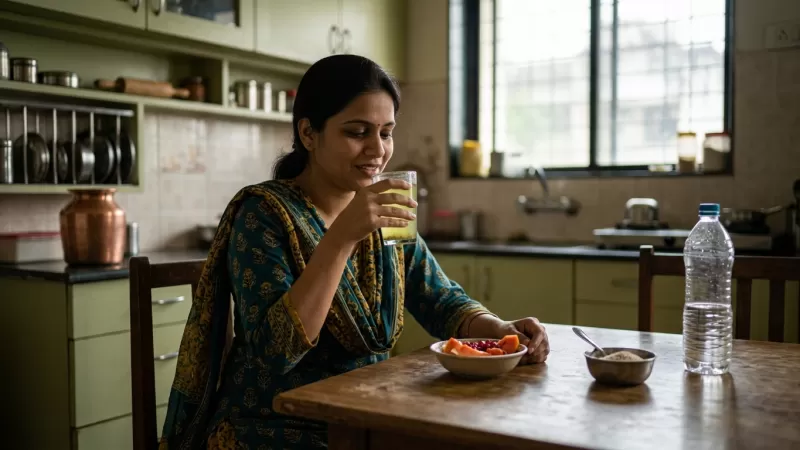
- Give yourself a few minutes—sometimes a glass of water or a walk around the house helps clarify real hunger.
- If you still want the food, have it, but do it slowly and without guilt.
You don’t have to get it right every time. What matters more is being aware of your patterns over time.
Comforting Yet Balanced Food Choices
There’s a gentle middle path between mindless snacking and strict control. On emotionally heavy days, you can still reach for comfort while making a few small tweaks. For example, if you crave something warm and filling, a bowl of dal with brown rice or millet instead of white rice can be equally comforting and a bit gentler on your blood sugar.
If you’re reaching for something crunchy, try roasted chana or homemade popcorn instead of deep-fried snacks. And if sweet cravings hit, a small bowl of kheer made with less sugar, or fruit with a sprinkle of chaat masala, can feel just as satisfying.
Here are a few balanced swaps that don’t take away the comfort:
- Khichdi with mixed dals and added vegetables
- Besan chilla or moong dal cheela instead of heavy pakoras
- Homemade curd with seasonal fruits
- Roasted makhana with a touch of ghee and spices
- Boiled sweet potato with a squeeze of lime and chaat masala
Balance doesn’t have to mean blandness. Small changes, made gently, can help you feel comforted and steady at the same time.
Practical Ways to Manage Emotional Eating
Many families quietly deal with emotional eating, especially during festivals, exams, or times of uncertainty. Here’s the catch: it’s rarely about willpower alone. Often, routines, availability of snacks, and even the mood at home play a big role.
Some practical approaches that people find helpful:
- Keep comfort foods in reasonable portions—single-serve bowls instead of large packs.
- Pair your comfort food with something nourishing (for example, have a little halwa after a full meal rather than on an empty stomach).
- Try not to eat directly from large packets or containers—it’s easy to lose track, especially during a movie or TV show.
- Make comfort eating a conscious activity. Sit down, eat slowly, and notice the flavors.
On days when nothing else helps, even just talking to a family member or stepping out onto your balcony for a few minutes can break the automatic cycle.
The Role of Routine and Familiarity
Routines can be a quiet anchor during emotionally heavy days. In Indian homes, the daily rhythm of chai in the morning, a proper lunch at 1 pm, and a simple dinner in the evening tends to create a sense of normalcy. When this routine is disrupted—maybe by late-night work calls or skipped meals—emotional eating can creep in more easily.
It helps to keep certain anchors in place, even on tough days:
- Try to have at least one regular meal at your usual time (even if it’s just curd rice or poha).
- If you’re not up for cooking, keep simple staples like roasted peanuts, boiled eggs, or fruit within reach.
- Allow yourself a cup of tea or coffee as a mini-break, but try not to turn it into an all-day habit.
When the rest of life feels unsteady, a familiar meal or routine can be quietly reassuring. It may not solve everything, but it often helps you get through one day at a time.
Comfort Food for Families: Shared and Solitary Moments
Comfort food isn’t only about what’s on the plate—it’s about who you share it with, or even the memories it brings back. In joint families, a shared pot of sambar rice or a Sunday lunch with everyone around the table can create warmth on the chilliest days. In smaller families or for those living alone, even a video call over chai can bring comfort.
Sometimes, eating alone feels easier, especially if you’re feeling low. That’s okay too. Just remember, you’re not the only one who finds comfort in food during tough times. Many people, young and old, reach for that extra roti or piece of mithai when emotions are heavy.
Sharing food—even if it’s just passing a bowl of bhujia during a cricket match—often makes the day feel less heavy. And if you prefer quiet meals alone, that’s perfectly normal as well.
Gentle Self-Talk on Tough Days
It’s easy to slip into guilt or frustration after a day of comfort eating. Maybe you reached for too many biscuits or finished the last of the leftover gulab jamun. Here’s something worth remembering: one heavy day doesn’t define your whole journey. We all have days when food is more than just fuel.
Instead of beating yourself up, try speaking to yourself as you would to a loved one. "It’s okay, tomorrow is a new day." Sometimes, a little self-kindness is the most nourishing thing you can offer yourself.
And if you find that comfort eating is happening more often than you’d like, just noticing the pattern is a strong first step. You can always make small changes, one meal or one day at a time. No rush, no harsh rules.
Your relationship with food, especially on heavy days, is allowed to be gentle and forgiving. That’s something many of us need to hear, more often than we admit.