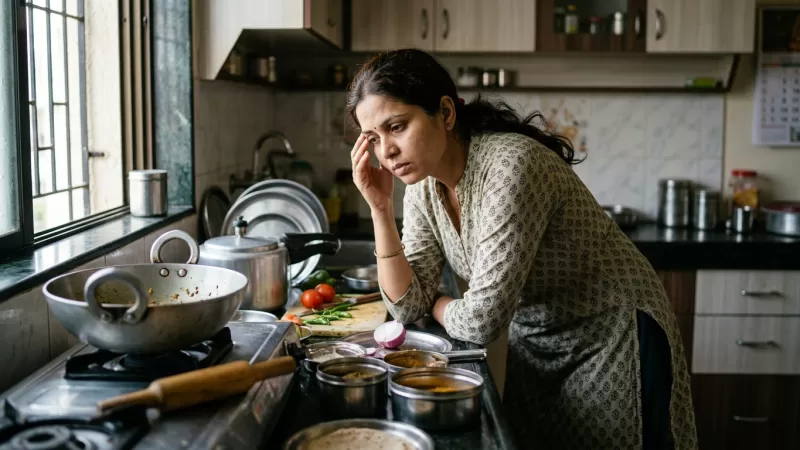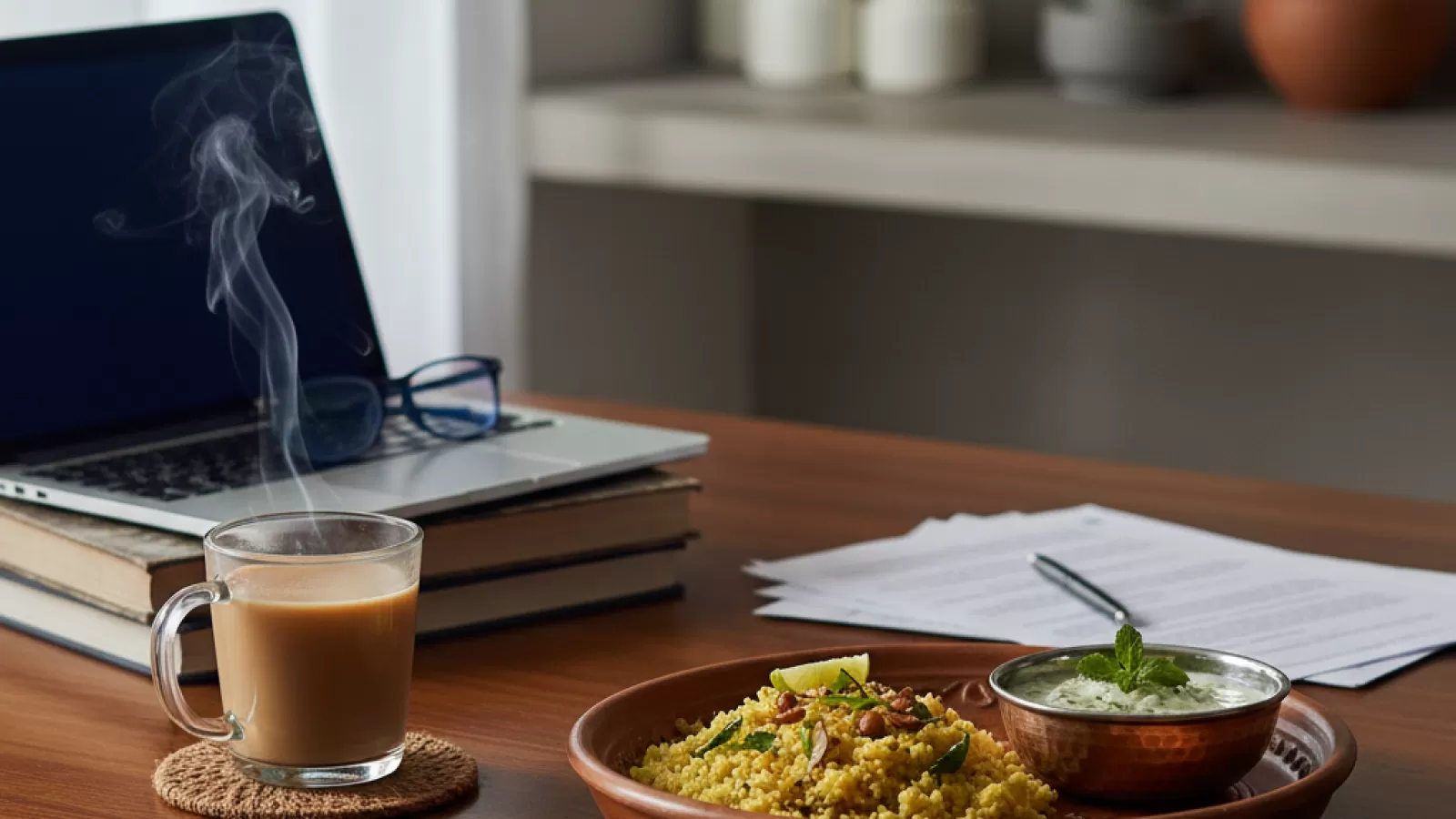
There’s something about those evenings when work simply refuses to end. Maybe your boss sent last-minute emails, or the kids’ online classes ran late, or you’re just trying to finish up tomorrow’s to-do list before bed. In many Indian homes, this kind of long evening is becoming more common. It’s no surprise, then, that the way we eat during these stretched-out work hours is quietly shifting. Instead of big, heavy dinners or rushed snacks, a lot of us are looking for comfort-focused eating habits—meals and snacks that feel soothing, are easy on the stomach, and still keep us nourished till bedtime.
Why Comfort Matters During Long Working Evenings
After a full day balancing work, family, and chores, your mind and body naturally crave some relief. On evenings when work spills into personal time, this need for comfort grows stronger. You might feel tempted to reach for whatever’s easy or familiar—maybe a plate of leftover biryani, a bag of chips, or, for some, endless cups of chai.
But here’s the catch: heavy or oily foods can leave you feeling sluggish and uncomfortable, especially if eaten close to bedtime. Many people quietly notice this, but in the middle of work chaos, it’s easy to ignore. The real comfort often comes from meals that are gentle, warm, and simple, not just tasty. These foods can help you relax and recharge, without weighing you down.
It’s not about strict rules, but about listening to what your body actually needs at the end of a long day. That’s where comfort-focused eating steps in, offering a calm middle path between old habits and new demands.
The Common Pitfalls of Late Work Evenings
Working late from home or even from the office usually throws evening routines out of balance. Sometimes, the main family meal gets pushed later and later. Other times, people end up eating alone—quickly, distracted, and often while staring at a screen.
Here are a few patterns that tend to crop up:
- Skipping dinner altogether and snacking endlessly on biscuits, namkeen, or leftover sweets.
- Ordering heavy takeaway food because there’s no energy left to cook.
- Eating a full meal very late (sometimes after 10 pm), then struggling to wind down for sleep.
These habits aren’t unusual, and honestly, most families slip into them once in a while. The tricky part is, over time, they can leave you feeling tired, bloated, or just a bit off the next morning. It’s not always easy to break the cycle, especially when work stress is high.
Simple Comfort Foods That Don’t Weigh You Down
Comfort food doesn’t have to mean something heavy or rich. In fact, in most Indian kitchens, there’s a whole world of simple, soothing dishes that are light on the stomach and easy to put together, even when you’re tired.
Think of khichdi, moong dal cheela, a bowl of curd rice, or a light vegetable soup with some toast. These are gentle on digestion and offer a quiet kind of comfort, especially after a tense work call or a busy evening. Many families also enjoy a warm glass of milk with a pinch of turmeric, or a plate of poha if they want something filling but not heavy.
Here’s a short list of gentle evening comfort foods:
- Plain dal with soft rice or phulka (skip the oily tadka if you like)
- Idli with light sambar or chutney
- Upma with peas and carrots
- Homemade vegetable soup
- Curd with a sprinkle of jeera and cucumber
- Steamed sprouts or chana salad
These aren’t fancy, and that’s the point. On long days, simplicity is often the real treat.
Small Portions and Mindful Eating
One thing you’ve probably noticed: eating a heavy meal late in the evening can make falling asleep much harder, especially as you get older. Your body just doesn’t want to do extra work when it’s time to wind down.
So, on these extended work evenings, try serving yourself smaller portions. You don’t have to deny hunger—just aim for a little less than your usual dinner, with the option to have a bit more if you’re genuinely still hungry after a few minutes. Eating slowly, even if your mind is half on work, can make a surprising difference.
Some families even make a habit of sharing a light meal together, then keeping a small, healthy snack handy for later if hunger returns. This avoids the trap of overeating late at night, which is easy to do when you’re tired or stressed.
Choosing the Right Time to Eat
Every home has its own rhythm. In joint families, dinner may wait for everyone to finish work and gather at the table. In nuclear families or for people living alone, dinner timing can get pushed around by meetings or deadlines.
Here’s a gentle suggestion: if you know work is likely to stretch into the evening, try to eat something light earlier, even if it’s just a bowl of fruit, a handful of roasted chana, or some dahi with fruit. This takes the edge off your hunger so you’re less likely to grab something heavy at 10 pm.
If you must eat late, keep the meal small and warm, and try to avoid eating right before bed. Give yourself at least an hour between finishing dinner and lying down. That bit of time allows your body to start digesting, and you may find you sleep better.
Smart Snacking: What Helps, What Hinders
When work stretches late, the urge to snack is almost automatic. A few biscuits here, a munch of bhujia there, and before you know it, you’ve grazed your way through the evening without a real meal.
The reality is, not all snacks are equal. Some, like roasted makhana, fruit slices, or a handful of peanuts, can genuinely tide you over without spiking your energy or making you feel stuffed. Others—namkeen mixtures, fried snacks, or too many sweets—tend to leave you thirsty, sluggish, or craving more.
If you keep comfort snacks ready in advance, it’s much easier to make a good choice when you’re tired. Some ideas:
- Roasted chana or peanuts (just a small bowl)
- Fresh fruit, sliced and ready in the fridge
- Plain popcorn (not buttered)
- Steamed corn with a bit of salt and lemon
- A piece of dark chocolate, if you crave something sweet
That said, nobody gets it right every time. Some nights, you’ll reach for the biscuits. It happens. Just try not to make it your default.
Hydration and Comfort Drinks
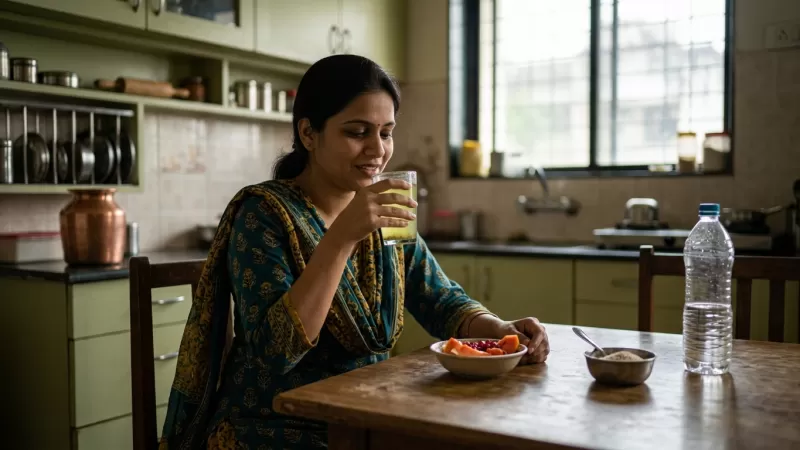
Often, evening fatigue isn’t just hunger—it’s mild dehydration. Many of us forget to drink water during busy work stretches, especially if we’re glued to screens or hopping from call to call.
Instead of another cup of chai or coffee late in the evening (which can sometimes mess with sleep), you might find a glass of plain water, nimbu paani, or warm jeera water more comforting and less likely to leave you restless at night.
Some people enjoy a cup of thin buttermilk, tulsi tea, or warm milk before bed. These gentle drinks can help signal to your body that the workday is ending, and it’s time to unwind. Just go easy on sugary drinks or anything too rich late at night.
Making Peace with Imperfect Evenings
Here’s an honest truth: not every evening will go according to plan. Work emergencies, family needs, and plain old tiredness can throw off even the best intentions. Some weeks, you may find yourself eating late, skipping meals, or relying on packaged snacks more than you’d like.
The comforting thing is, eating well isn’t about perfection. It’s about building small, flexible habits that support you on most days. If you can keep a few light comfort foods and healthy snacks ready, and aim for a simple meal even on your busiest evenings, you’re already doing better than you think.
So, when work runs long, don’t worry too much about making the “perfect” dinner. Focus on comfort, gentleness, and giving your body a little space to relax before sleep. You’ll find that, over time, these small choices make the long evenings just a bit easier—and a lot more manageable.