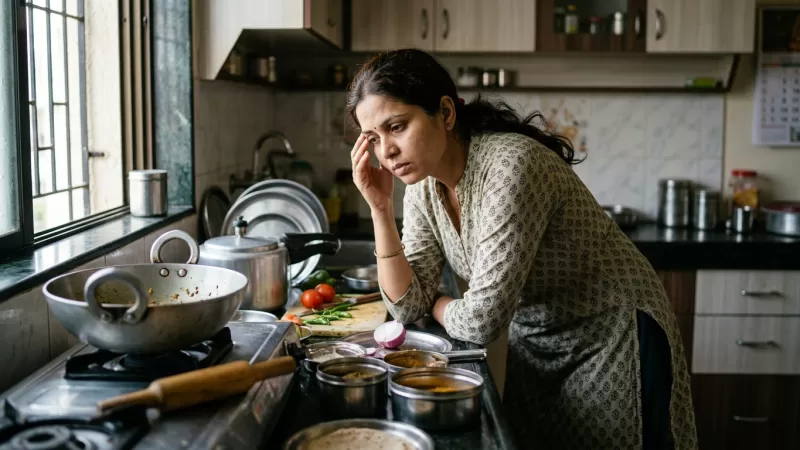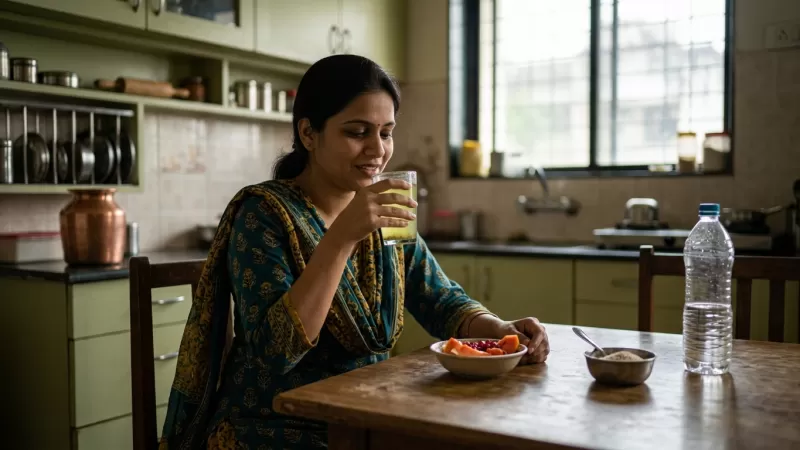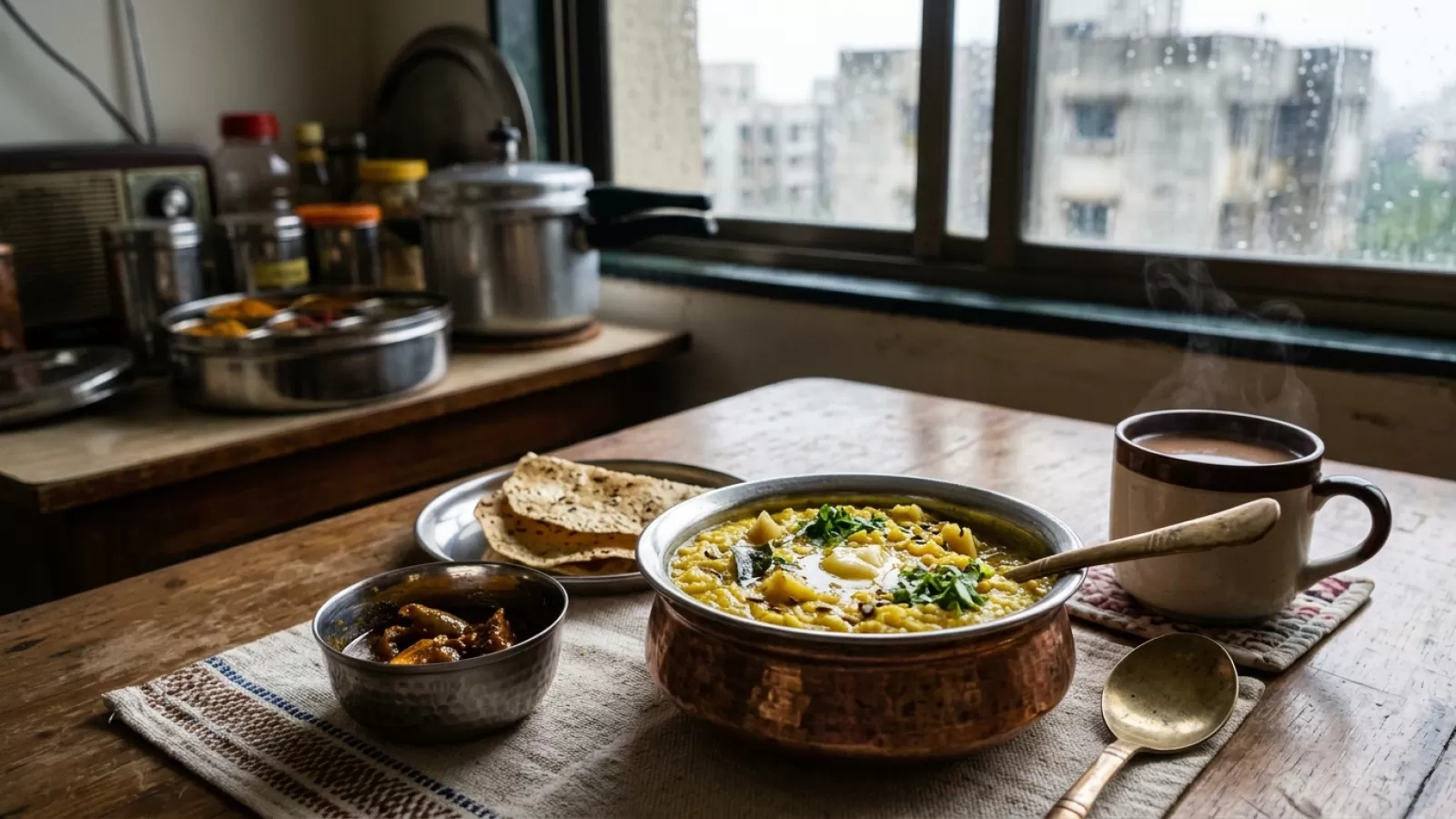
When the sky turns grey, the wind picks up, and rain patters against the windows, many Indian households quietly shift into a slower rhythm. These days, whether it's the chilly drizzle of Delhi's winter or a sudden monsoon downpour in Mumbai, people tend to gather indoors—sometimes with a steaming cup of chai, sometimes with a familiar snack. Comfort eating on such days is a habit you’ll find in most homes, and honestly, it’s understandable. After all, there’s something about the weather that makes us crave warmth, nostalgia, and a bit of extra indulgence. But as you probably know, this can sometimes lead to overeating or reaching for foods that aren’t always the best for our bodies. So, how do you enjoy the comforts of rainy or cold days while staying balanced? Let’s talk about it, one real-life step at a time.
Why Do We Crave Comfort Foods When It’s Grey Outside?
There’s a reason your hand reaches for pakoras or a bowl of hot khichdi when the weather turns cold or damp. It’s not just about taste—it’s about the feeling of warmth and safety. For many, familiar foods bring back memories of childhood, family gatherings, or simply a sense of being cared for.
When it’s dark and gloomy, our bodies naturally seek out foods that give us instant energy or a sense of fullness. This often means something fried, sweet, or carb-rich. You might notice it’s easier to ignore salad on these days, and somehow, that leftover halwa or samosa suddenly looks much more tempting.
Here’s the catch: While comfort foods do have their place, eating them mindlessly or too often can leave you feeling heavy, sluggish, or even guilty later. The trick is to notice these cravings without judging yourself too harshly, and to gently nudge your choices in a nourishing direction.
Common Comfort Foods in Indian Homes
Every region and family has its own favourites when it comes to monsoon or winter eats. In North India, it’s common to see plates of aloo paratha with butter, bowls of hot rajma chawal, or chai with biscuits. Down South, you might find steaming rasam rice or a bowl of payasam.
Here are some foods that often make an appearance on cold and rainy days:
- Piping hot pakoras (onion, potato, or spinach)
- Chai or filter coffee with rusk or biscuits
- Garam dal-chawal or khichdi
- Parathas, puris, or bhature with sabzi
- Sweet treats like gajar ka halwa, sheera, or kheer
- Instant noodles—especially among children and teens
It’s worth noting that in many homes, these foods are not everyday staples, but special treats. The real challenge is when a few days of bad weather stretch into weeks, and these treats slowly become routine.
Finding Warmth Without Overeating
It’s easy to lose track of how much you’re eating when you’re curled up with a good movie or chatting with family. Many people find themselves reaching for second helpings or eating just because the food is there, not because they’re actually hungry.
Some gentle ways to keep a check on comfort eating:
- Serve yourself smaller portions to start. You can always take a little more, but most times, you won’t feel the need.
- Eat slowly, especially with hot foods. It gives your body time to register when you’re full.
- Try to eat at the dining table instead of in front of the TV. This simple change often leads to more mindful eating.
- Notice if you’re eating out of boredom or actual hunger. If it’s just boredom, sometimes a walk around the house or a phone call can help distract you.
Of course, nobody’s perfect. There will be days when you eat more than you planned. That’s normal. What matters is gently coming back to balance the next day, without guilt.
Making Comfort Foods a Little Healthier
It’s not about giving up your favourite foods entirely—just about making small tweaks that help you feel better after eating them. Many homemakers have their own tricks for this, passed down through the family or invented along the way.
Some practical ideas:
- For pakoras, try adding more vegetables and using besan instead of maida. Shallow frying in less oil helps too.
- Switch regular white bread or maida-based snacks with whole wheat or multigrain versions if possible.
- When making halwa or kheer, cut down a bit on the sugar—you’d be surprised how your taste adjusts.
- Add extra dal or vegetables to khichdi, making it more filling and nutritious.
- Pair fried foods with a small bowl of homemade chutney or curd for balance.
These small changes don’t take away the joy of comfort eating—they just help you enjoy it without the heaviness afterwards.
Warming Drinks: Beyond Just Chai
Chai is almost a ritual in many Indian homes, especially during rain or winter. But sometimes, endless cups of tea (with sugar and milk) can add up, leaving you feeling jittery or bloated.
Other warming drinks you might enjoy:
- Masala milk with a pinch of haldi (turmeric), especially for children or elders
- Homemade soups—simple tomato, dal, or vegetable soups can be nourishing and light
- Warm lemon water with honey (for those who like a lighter option)
- Light herbal teas—tulsi or ginger tea, without milk
Sometimes, simply holding a warm cup is comforting enough. You don’t always need a heavy snack to go with it.
Managing Snacking With Family at Home
When everyone is indoors for long stretches—maybe during school holidays, lockdowns, or just a series of wet weekends—snacking can quietly become a group activity. Children, especially, keep asking for “something nice.”
Here’s where setting a loose routine helps. Try to keep meal and snack times roughly the same each day, even if you’re all at home. This prevents random munching and keeps everyone from filling up on snacks before meals.
Some families keep a fruit basket handy or cut up cucumbers and carrots, so there’s something quick and healthy to grab. In many homes, a batch of roasted chana, murmura, or makhana is made in advance for easy snacking. The idea isn’t to eliminate treats, but to offer options that are a bit lighter, especially when comfort foods are flowing.
Listening to Your Body’s Signals
On cold or rainy days, it’s easy to confuse thirst, tiredness, or boredom with hunger. Many people eat simply because the weather is dull or because everyone else is.
Some gentle signs your body gives you when you’re truly hungry:
- Stomach feels empty or rumbles
- You feel low on energy or slightly irritable
- Simple foods (like dal-rice) sound appealing, not just snacks
On the other hand, if you’re just craving specific foods (like wanting only chips or jalebi), it might be more about mood than hunger. Pausing for a moment to notice this can help you make a choice that feels right in the long run.
That said, nobody gets it right every time. If you eat for comfort now and then, don’t beat yourself up. It’s part of being human.
Simple Rituals for Warmth and Contentment
Comfort on indoor days doesn’t have to come only from food. Many families have little rituals that add warmth to the day—a shared board game, playing old songs, lighting a diya in the evening, or even a group chat with relatives.
Some find that wrapping up in a soft shawl, doing a little home puja, or sipping soup together brings just as much coziness as any plate of pakoras. It’s these small acts, especially when shared, that often leave you feeling satisfied long after the dishes are washed.
Ultimately, cold or rainy days at home are about balance—enjoying a bit of indulgence, but also finding comfort in connection, routine, and the familiar warmth of your own space. If you’re able to do that, even imperfectly, you’re doing just fine.