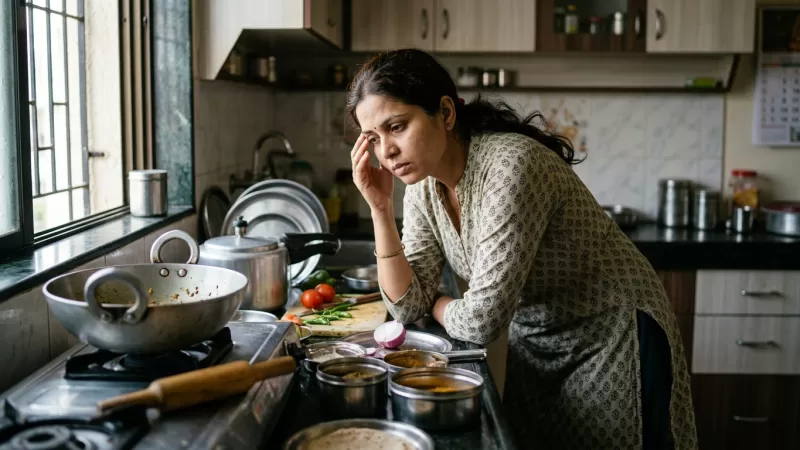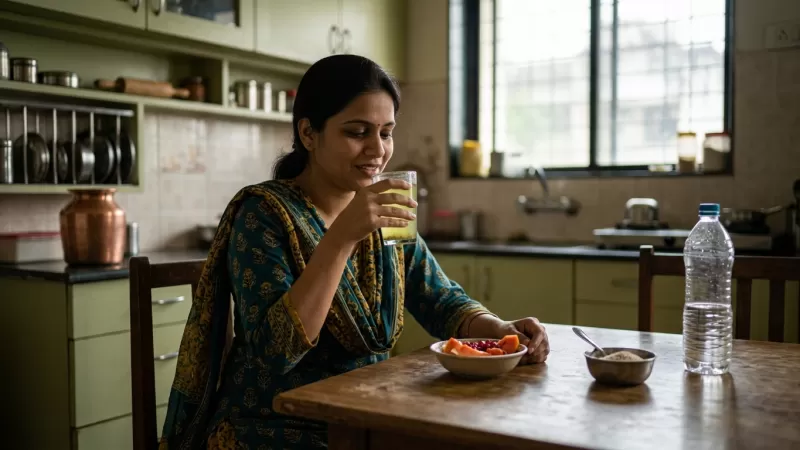
Every day, most Indian kitchens hum with familiar routines—pressure cookers whistling, tawa sizzling, the aroma of tadka wafting through the house. You might be packing lunchboxes, sorting out quick breakfasts, or wondering what to make for dinner that feels both comforting and nourishing. Building a balanced Indian meal isn’t about chasing exotic ingredients or following strict rules—it’s more about using what’s already in your daal-chawal, roti-sabzi lineup and making a few small shifts. Over time, these little changes can quietly help you and your family feel more satisfied and energetic, without anyone feeling like they’re on a diet.
What Does “Balanced” Really Mean for Indian Meals?
People talk about balanced meals all the time, but in Indian homes, it can be confusing. Does it mean eating less rice? Skipping ghee? Adding more salad? The truth is, balanced just means including a variety of foods—cereals, pulses, vegetables, fruits, some dairy, and a little fat—so your body gets what it needs. There’s no single perfect plate.
For most families, a typical meal already includes two or three food groups. For example, dal and rice or roti and sabzi. The tricky part is making sure you aren’t missing out on one group too often, like protein or vegetables, while filling up on just carbs.
That said, balance isn’t about being strict or making every meal identical. Some days will be heavier, some lighter. That’s normal, especially during festivals or when you’re rushing through a busy week.
The Role of Familiar Foods in Everyday Nourishment
You don’t really need “superfoods” or expensive grains to build a good meal. Everyday staples in Indian kitchens—rice, wheat, dal, seasonal vegetables, curd—are already very nourishing when combined thoughtfully. Even humble dishes like khichdi, upma, or a simple dal-roti-sabzi can be balanced with a few tweaks.
Many families do find it easier to stick to foods they know. When you’re tired after work, or the kids are hungry, there’s comfort in making what you grew up eating. It’s less stressful, and everyone eats better when food feels familiar.
So, start with your usual meals. You’ll probably notice it’s quite easy to add some pulses to your sabzi or a spoonful of curd on the side, without much fuss.
How to Structure a Typical Indian Plate
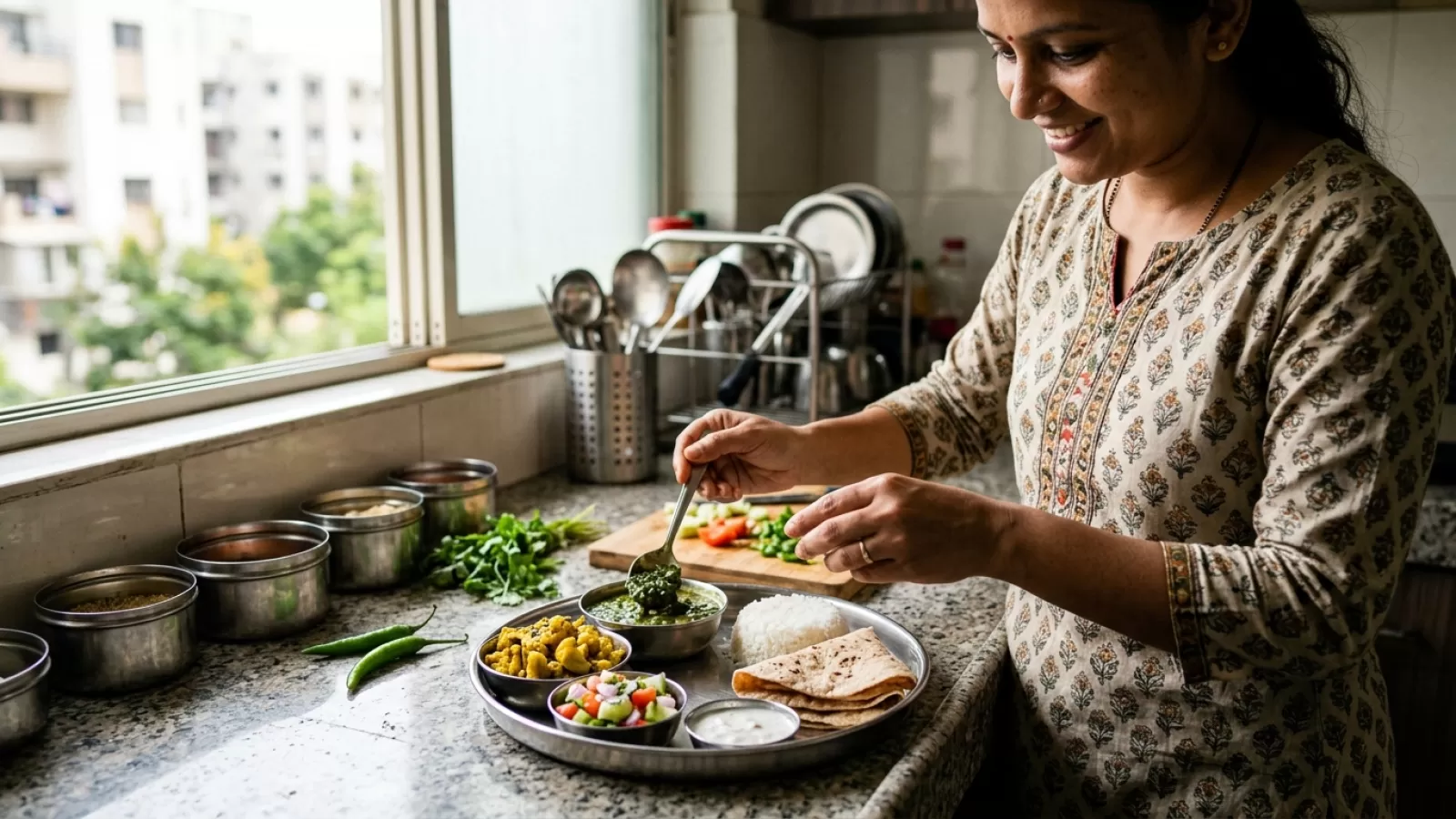
Here’s a simple way to look at your plate during lunch or dinner—just pause before serving and see if there’s a little of each:
- Cereal base: Chapati, rice, poha, idli, or even millets
- Protein: Dal, chana, rajma, curd, paneer, eggs (if you eat them), or a small portion of meat/fish
- Vegetables: At least one sabzi, ideally with seasonal veggies (bhindi, lauki, carrots, etc.)
- Raw salad or chutney: A slice of cucumber, tomato, or a simple kachumber brings freshness
- Dairy or fat: A dollop of dahi, a drizzle of ghee, or a piece of homemade paneer
There’s no need to measure everything. Just try to keep the rice/roti portion moderate, fill up half your plate with vegetables and dal, and add a small serving of curd or salad if you can.
Some days, if you’re in a hurry, even a bowl of dal-rice with some pickle and a few carrot sticks works. Balance comes from the whole day, not just one meal.
Managing Portions Without Feeling Hungry
In many Indian families, second helpings of rice or roti often happen out of habit, not hunger. You’ve probably seen children (and sometimes adults) reaching for more chapati because it’s easy and filling. The trick is to start with smaller cereal portions and bulk up the plate with extra sabzi or dal.
Here’s what sometimes helps:
- Eat slowly and pause between bites. You’ll notice you feel full sooner than you think.
- If you tend to feel unsatisfied, add a bowl of salad or a glass of buttermilk—it stretches the meal.
- For children and seniors, a small serving of fruit after meals can be a gentle way to wind down and curb second helpings.
You don’t need to cut out rice or chapati completely. Just try swapping that extra spoonful for more dal, sabzi, or curd. Over time, this becomes a habit and doesn’t feel like a sacrifice.
Making Breakfast and Snacks More Nourishing
Breakfast in Indian homes can range from a quick cup of tea and biscuit to heavier parathas or idlis. Many people skip breakfast or grab whatever’s quickest. While it’s understandable during rushed mornings, a little planning can make breakfast more filling and balanced.
Some practical ideas:
- Add some roasted chana or a handful of peanuts to your morning poha or upma for extra protein.
- If you’re having paratha, include dahi and a small bowl of fruit on the side.
- Leftover sabzi can be rolled into a chapati for a quick breakfast wrap.
- For snacks, try fruit chaat, murmura with peanuts, or homemade chilla instead of deep-fried options.
These swaps don’t require extra time or expensive ingredients, just a little forethought. The main thing is to avoid long gaps between meals, especially for seniors and children, who may feel tired or irritable if they go too long without eating.
Small Adjustments for Festivals and Special Occasions
Let’s be honest—no one wants to count calories during Diwali or feel guilty over a plate of biryani at a family wedding. These special occasions are meant for enjoyment and tradition. But you can still keep a sense of balance.
Often, it’s about what happens before and after. On heavy festival days, you could plan a lighter breakfast or include extra salad with your meal. If you’re hosting, offer a simple dal along with rich curries, or serve fresh fruit alongside mithai.
Remember, one festive meal doesn’t undo your efforts. It’s the everyday habits that matter more.
Supporting Different Family Members’ Needs
In many Indian homes, you’ll find everyone from toddlers to grandparents eating together. Each person has slightly different needs—children may need more calories, seniors may prefer softer foods, busy adults may skip meals due to work stress. This can make meal planning feel overwhelming.
A few gentle strategies:
- For seniors, softer sabzis, well-cooked dal, and curd rice are easy and nourishing.
- Children often enjoy colourful plates—try adding beetroot, carrots, or peas to their meals.
- For those working late, keep simple meal options ready, like moong dal chilla, vegetable khichdi, or homemade soup, so no one has to rely on instant noodles.
Listen for small cues—if someone is leaving sabzi untouched or always asking for more rice, it might be time to tweak portion sizes or cooking methods. No need for dramatic changes, just small adjustments here and there.
Practical Ways to Include More Variety
Over time, it’s easy to get stuck in a meal routine—making the same dal or sabzi day after day. While there’s nothing wrong with this, adding a bit of variety can help cover any missing nutrients and keep mealtimes interesting.
Here are a few ideas that don’t require much effort:
- Rotate your dals—moong, toor, masoor, chana. Each has a different flavor and nutrition profile.
- Use seasonal vegetables as much as possible. Summer brings lauki, bhindi, and cucumber; winter brings carrots, cauliflower, spinach.
- Try different grains a couple of times a week—millet roti instead of wheat, or a bowl of daliya for breakfast.
- Mix up chutneys—coconut, coriander, mint, or even a simple tomato-onion salsa.
Sticking to what’s available locally is usually more affordable and fresher. Plus, family members are less likely to complain when the changes are gradual and familiar.
Final Thoughts: Keep It Simple, Keep It Joyful
Building a balanced Indian meal doesn’t have to be complicated or stressful. Most homes already have the basics—dal, rice, roti, sabzi. The real difference often comes from small, thoughtful tweaks: an extra scoop of sabzi, a spoonful of curd, or a piece of fruit on the side.
Don’t worry if you can’t get it perfect every day. Life in Indian families is busy and sometimes chaotic, and meals are as much about togetherness as nutrition. If you’re making small efforts to include variety and serve balanced plates most days, you’re already supporting your family’s nourishment in a gentle, lasting way.
And that’s quite enough.